
Industrial Impact on Ecosystems: A Scientific Study
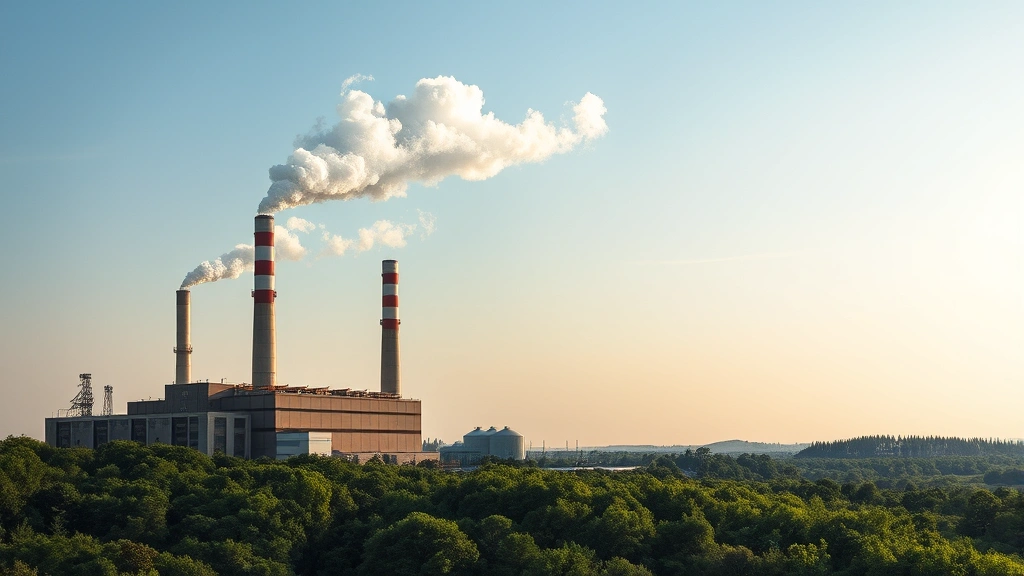
The relationship between industrial activity and ecosystem degradation represents one of the most pressing environmental challenges of our time. Industrial development has fundamentally transformed global ecosystems through resource extraction, pollution, habitat destruction, and climate forcing mechanisms. Understanding the mechanisms through which industrial processes degrade natural systems is essential for developing effective mitigation strategies and transitioning toward sustainable economic models that balance human prosperity with ecological integrity.
Industrial expansion since the mid-20th century has accelerated at unprecedented rates, particularly in developing economies pursuing rapid industrialization pathways. Manufacturing facilities, mining operations, power generation plants, and transportation infrastructure now cover approximately 3-6% of global terrestrial surface area, with indirect impacts affecting far larger regions through atmospheric transport, hydrological connectivity, and trophic cascades. The scientific evidence demonstrates that industrial environmental degradation operates through multiple interconnected pathways, creating complex feedback loops that amplify ecological damage beyond immediate industrial footprints.
This comprehensive analysis examines the multifaceted mechanisms of industrial ecosystem impact, integrating findings from environmental science, ecological economics, and systems biology to provide an evidence-based framework for understanding and addressing industrial environmental challenges.
Mechanisms of Industrial Ecosystem Degradation
Industrial ecosystems represent fundamentally altered environments where natural regulatory mechanisms have been compromised or eliminated entirely. The primary mechanisms through which industrial activity degrades ecosystems operate across multiple temporal and spatial scales, from immediate local impacts to global biogeochemical cycle alterations. Understanding the definition of human environment interaction provides essential context for recognizing how industrial processes constitute particularly intensive forms of environmental modification.
Direct habitat conversion represents the most visible mechanism of industrial ecosystem impact. Industrial zones, manufacturing complexes, and associated infrastructure directly replace natural ecosystems with built environments. Research from the World Bank Environmental Division indicates that industrial land use conversion affects approximately 50-100 million hectares globally, with conversion rates accelerating in Southeast Asia, Sub-Saharan Africa, and South America. These conversions eliminate foundational ecosystem services including carbon sequestration, water filtration, nutrient cycling, and pollinator habitat provision.
Industrial fragmentation creates landscape-scale ecosystem dysfunction through habitat isolation. Manufacturing corridors, mining operations, and transportation networks segment continuous ecosystems into isolated patches, restricting organism movement, reducing genetic diversity, and preventing ecological rescue effects. Fragmentation particularly impacts apex predators and wide-ranging species requiring large territories, causing trophic cascade effects that restructure entire food webs. The types of environments most vulnerable to industrial fragmentation include temperate forests, grassland ecosystems, and wetland complexes that historically supported continuous ecological networks.
Industrial byproduct accumulation creates novel chemical environments where organisms lack evolutionary adaptations. Heavy metals, persistent organic pollutants, synthetic chemicals, and radioactive isotopes accumulate in soils and sediments, creating toxicity gradients that inhibit normal ecosystem functioning. Microbial communities show altered composition and reduced metabolic diversity in contaminated zones, compromising nutrient cycling processes essential for ecosystem productivity.
Pollution Pathways and Bioaccumulation
Industrial pollution operates through multiple interconnected pathways that transport contaminants from emission sources into organism tissues, food chains, and ecosystem compartments. Understanding pollution dynamics requires integrating atmospheric transport mechanisms, aqueous solubility characteristics, sediment sorption processes, and biological uptake kinetics. The scientific evidence demonstrates that industrial pollutants achieve ecosystem-wide distribution through both direct exposure pathways and indirect bioaccumulation mechanisms.
Atmospheric deposition represents a primary mechanism through which industrial emissions achieve ecosystem-wide distribution. Particulate matter, volatile organic compounds, and gaseous pollutants released from industrial facilities undergo atmospheric transport over continental and intercontinental distances. Deposition occurs through both dry processes (gravitational settling, impaction) and wet processes (precipitation scavenging, cloud condensation nuclei formation). Industrial regions experience atmospheric deposition rates 2-10 times higher than background levels, with mercury, lead, and sulfur compounds showing particularly high deposition velocities. Remote ecosystems including Arctic tundra, high-altitude forests, and oceanic islands accumulate industrial pollutants through long-range atmospheric transport despite lacking proximate industrial sources.
Aqueous transport pathways mobilize industrial contaminants through groundwater, surface water, and hyporheic zone processes. Industrial facilities generate wastewater containing dissolved metals, organic compounds, and suspended solids that enter aquatic ecosystems through direct discharge or groundwater infiltration. Contaminant plumes persist for decades or centuries, affecting downstream water quality and ecosystem function across extensive areas. The human environment interaction in industrial contexts frequently involves unintended aquatic contamination creating cascading ecological consequences.
Bioaccumulation and biomagnification mechanisms concentrate industrial pollutants in organism tissues, with concentrations increasing 100-100,000 fold from water to apex predators. Lipophilic organic compounds including polychlorinated biphenyls, dichlorodiphenyltrichloroethane derivatives, and perfluorinated compounds demonstrate particularly high bioaccumulation potential. Predatory fish in contaminated systems accumulate mercury concentrations sufficient to cause neurological damage, reproductive impairment, and behavioral modification. Apex predators including raptors, marine mammals, and large carnivores experience reproductive failure and population declines when bioaccumulated toxin concentrations exceed critical thresholds. The how to reduce carbon footprint discussion increasingly incorporates recognition that industrial pollution reduction represents a complementary mitigation pathway alongside greenhouse gas reduction.
Habitat Destruction and Biodiversity Loss
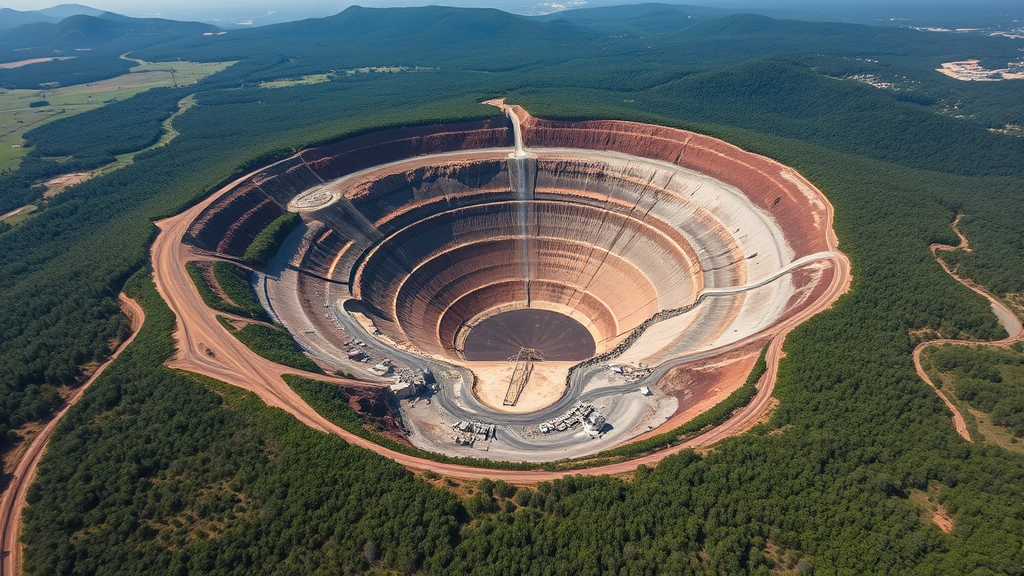
Industrial ecosystem impacts manifest most dramatically through habitat destruction and associated biodiversity loss. Mining operations, logging for industrial material supply, agricultural intensification supporting industrial food systems, and urban expansion eliminate primary habitat for millions of species. Current extinction rates exceed background rates by 100-1,000 fold, with industrial activity representing the primary driver of contemporary biodiversity loss.
Deforestation driven by industrial demand for timber, paper, and agricultural land conversion removes forest ecosystems at rates exceeding 10 million hectares annually. Tropical rainforests, which contain approximately 50-90% of global terrestrial species diversity, experience particularly intense industrial pressure. Industrial logging operations selectively harvest high-value timber species, fragmenting forest structure and creating edge effects that destabilize remaining forest patches. Subsequent agricultural conversion permanently eliminates forest ecosystem functions, converting carbon sinks into carbon sources while eliminating habitat for species with restricted ranges.
Wetland destruction for industrial agriculture, aquaculture, and urban development eliminates ecosystems disproportionately important for biodiversity. Wetlands occupy approximately 6% of global land area but support 40% of species diversity. Industrial drainage systems, canal construction, and hydrological modification reduce wetland area by 1-2% annually globally, with regional rates exceeding 5% annually in Southeast Asia and South America. Wetland loss eliminates crucial nursery habitat for commercially important fish species, reduces water filtration capacity, and eliminates breeding grounds for migratory bird populations.
Coral reef degradation through industrial pollution, thermal stress from climate change, and destructive fishing practices eliminates ecosystems supporting approximately 25% of marine species diversity despite occupying less than 1% of ocean area. Industrial nutrient runoff triggers eutrophication and algal blooms that shade corals and reduce photosynthetic productivity. Heavy metal contamination from industrial sources impairs coral reproduction and increases disease susceptibility. Ocean acidification resulting from industrial carbon dioxide emissions reduces coral calcification rates, compromising skeletal development and ecosystem structural integrity.
Industrial Climate Forcing
Industrial activity represents the dominant driver of contemporary climate change through greenhouse gas emissions from energy production, transportation, manufacturing processes, and land use conversion. Industrial sectors collectively account for approximately 73% of global anthropogenic greenhouse gas emissions, with energy production contributing 25%, agriculture and land use contributing 24%, and industrial processes contributing 21% of total emissions. Climate forcing resulting from industrial activity creates ecosystem-wide stress through temperature increases, precipitation pattern modification, and extreme weather event intensification.
Temperature increases of 1.1°C above pre-industrial baselines have already triggered measurable ecosystem responses including phenological shifts, range migrations, and altered species interactions. Alpine and polar ecosystems demonstrate particular sensitivity to industrial climate forcing, with warming rates 2-3 times exceeding global averages. Permafrost thawing releases sequestered carbon dioxide and methane, creating positive feedback loops that amplify warming beyond industrial emission trajectories. Boreal forest transitions toward tundra ecosystems represent landscape-scale ecosystem transformations driven by industrial climate forcing.
Precipitation pattern modification creates water stress in ecosystems adapted to historical precipitation regimes. Industrial climate models project 20-50% precipitation reductions in Mediterranean, southwestern North American, and southern Australian regions, ecosystems already operating near water limitation thresholds. Conversely, intensified precipitation in other regions increases flood frequency and magnitude, exceeding ecosystem adaptation capacity and triggering erosion, nutrient loss, and habitat disruption. The environment awareness initiatives increasingly emphasize that industrial climate mitigation represents an essential component of ecosystem protection strategies.
Extreme weather event intensification driven by industrial climate forcing creates acute ecosystem disturbances exceeding historical ranges. Hurricane intensity increases of 10-20% threaten coastal ecosystems including mangrove forests, seagrass beds, and coral reefs adapted to historical storm regimes. Wildfire frequency and intensity increases in Mediterranean and boreal ecosystems exceed ecosystem recovery capacity, converting forested landscapes into fire-adapted grassland or shrubland communities. Drought intensification creates compound stress on vegetation, reducing productivity and increasing pest and pathogen susceptibility.
Hydrological System Disruption
Industrial activity fundamentally alters hydrological cycles through dam construction, groundwater extraction, wastewater generation, and riparian ecosystem modification. Hydrological disruption represents one of the most consequential industrial ecosystem impacts, as water availability constrains ecosystem productivity and organism survival across all biomes. Approximately 40% of global river systems experience flow modification through industrial water management infrastructure, with ecological consequences including altered sediment transport, temperature regimes, and species composition.
Dam construction for hydroelectric power generation and irrigation supply creates discontinuous river systems fragmenting aquatic organism populations and disrupting longitudinal nutrient transport. Reservoir formation inundates riparian and floodplain ecosystems, eliminating habitat for species dependent on dynamic water level fluctuations. Altered flow regimes below dams eliminate flood pulses essential for floodplain forest recruitment, fish spawning, and nutrient redistribution. Approximately 3,700 dams constructed globally have eliminated salmon migration in 80% of historically accessible spawning habitat, causing population collapses in species including Chinook, Atlantic, and sockeye salmon.
Groundwater extraction for industrial agriculture and manufacturing exceeds natural recharge rates in numerous regions, causing aquifer depletion and ecosystem water stress. The Ogallala Aquifer underlying the North American Great Plains experiences extraction rates 1.5 times natural recharge, causing water table declines of 0.3-1.0 meters annually. Reduced groundwater availability decreases baseflow in streams and reduces water availability for riparian vegetation, causing ecosystem degradation across extensive areas. Saline intrusion into coastal aquifers from excessive extraction creates contamination affecting agricultural productivity and freshwater ecosystem functions.
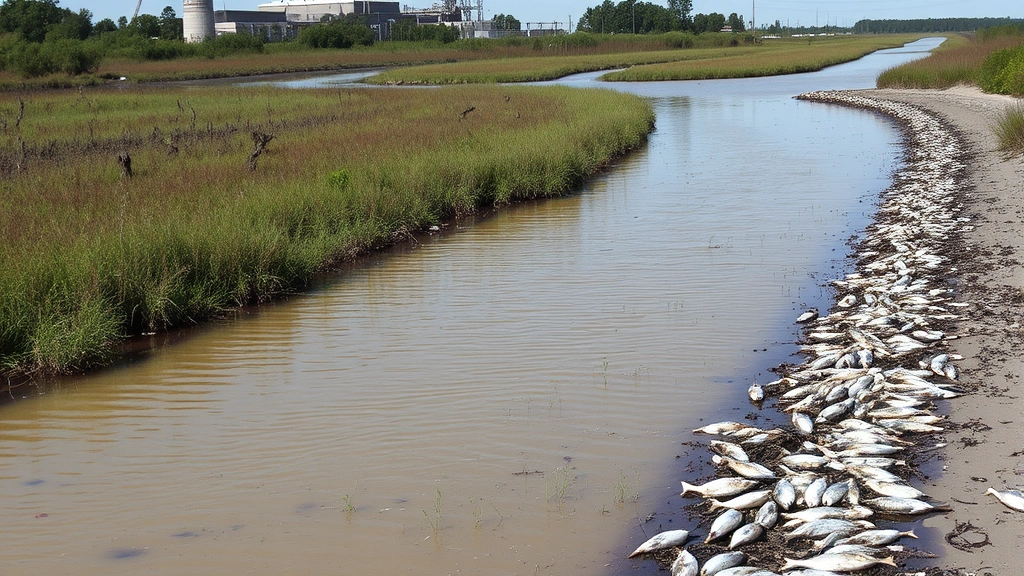
Industrial wastewater generation creates point-source and diffuse pollution affecting aquatic ecosystem functioning. Thermal pollution from power plant cooling water discharge elevates stream temperatures, reducing dissolved oxygen availability and exceeding thermal tolerance limits for cool-water fish species. Nutrient pollution from industrial wastewater triggers eutrophication in receiving waters, causing algal blooms, oxygen depletion, and fish kills. Toxic organic compounds in industrial wastewater accumulate in sediments, causing chronic toxicity to benthic organisms and bioaccumulation through aquatic food chains.
Soil Contamination and Agricultural Impacts
Industrial activity contaminates soils through atmospheric deposition, wastewater application, hazardous waste disposal, and mining operations, creating long-lasting ecosystem impacts. Soil contamination impairs ecosystem services including nutrient cycling, water infiltration, carbon storage, and organism habitat provision. Approximately 2.5 billion hectares of soils globally show degradation from industrial contamination, with impacts ranging from subtle functional impairment to complete ecosystem sterilization in extreme cases.
Heavy metal accumulation in agricultural soils from industrial atmospheric deposition and wastewater irrigation reduces crop productivity and creates food chain pathways for human exposure. Cadmium accumulation in rice paddies irrigated with industrial wastewater creates food security concerns in Southeast Asia, with approximately 60% of rice-growing regions showing elevated cadmium concentrations. Lead contamination in urban and peri-urban agricultural soils restricts food production capacity and creates childhood neurotoxicity risks through vegetable consumption. Soil microbial communities show reduced diversity and altered enzyme activity in contaminated soils, impairing nutrient cycling processes essential for agricultural productivity.
Mining operations create the most severe soil contamination scenarios, generating enormous volumes of mining waste containing sulfide minerals that oxidize to sulfuric acid, creating acidic mine drainage with pH values below 3.0 and high dissolved metal concentrations. Acid mine drainage persists for centuries after mining cessation, continuously mobilizing metals into groundwater and surface water systems. Revegetation of mining-contaminated soils requires decades or centuries, with plant communities restricted to metal-tolerant species showing reduced diversity and productivity compared to unmined reference sites.
Industrial agriculture supporting food systems for industrial populations creates soil degradation through intensive tillage, monoculture cultivation, and pesticide application. Soil organic matter declines 30-50% in intensively managed agricultural systems compared to native ecosystems, reducing soil water retention capacity and carbon storage. Pesticide application eliminates soil arthropod communities including decomposers essential for organic matter processing, causing nutrient cycling impairment. The sustainable fashion brands movement represents growing recognition that industrial supply chains require fundamental restructuring to minimize ecosystem impacts.
Ecosystem Services Valuation
Quantifying the economic value of ecosystem services lost through industrial degradation provides essential information for cost-benefit analysis of industrial development trajectories and mitigation investments. Ecosystem services including carbon sequestration, water purification, pollination, nutrient cycling, and climate regulation generate economic value estimated at $125-145 trillion annually, equivalent to 1.5-2.0 times global GDP. Industrial ecosystem degradation reduces ecosystem service provision, creating hidden economic costs not reflected in conventional industrial profitability calculations.
Carbon sequestration services provided by forests, wetlands, and grassland ecosystems represent approximately $50-100 per ton of carbon dioxide equivalent sequestered, with total annual value estimated at $2-4 trillion. Industrial deforestation eliminates carbon sinks while releasing sequestered carbon, creating double economic losses through foregone sequestration capacity and increased atmospheric carbon dioxide. Tropical forest protection provides greater economic value through carbon sequestration than industrial timber harvest, yet economic incentives frequently favor extractive development when carbon services remain unpriced in market transactions.
Water purification services provided by wetland and riparian ecosystems eliminate costs for engineered water treatment infrastructure. Constructed wetlands treating industrial wastewater provide water purification services at costs 50-80% lower than conventional treatment technologies while simultaneously restoring ecosystem habitat. Wetland loss eliminates natural water filtration capacity, requiring development of engineered treatment systems with ongoing operational costs and energy requirements. The UNEP Ecosystems Division emphasizes that ecosystem service valuation represents an essential tool for integrating ecological considerations into industrial economic decision-making.
Pollination services provided by wild bee populations, butterflies, and other pollinators generate economic value estimated at $15-20 billion annually through crop productivity maintenance. Industrial pesticide application eliminates pollinator populations, creating agricultural productivity declines and increasing dependence on manual pollination or reduced crop yields. Regions experiencing pollinator decline show 10-30% productivity reductions in pollinator-dependent crops, creating food security concerns and economic losses exceeding pesticide application cost savings.
Mitigation and Restoration Strategies
Addressing industrial ecosystem impacts requires integrated strategies encompassing pollution prevention, habitat restoration, industrial process modification, and economic system restructuring. Evidence-based mitigation approaches demonstrate capacity to reduce industrial ecosystem impacts while maintaining economic productivity through enhanced resource efficiency and technological innovation.
Pollution prevention through cleaner production technologies eliminates contaminant generation rather than attempting end-of-pipe treatment. Industrial facilities implementing pollution prevention strategies reduce hazardous waste generation 30-70%, decrease water consumption 20-50%, and reduce energy requirements 10-30% while simultaneously reducing treatment costs and liability exposure. Electroplating facilities implementing ion exchange technology for metal recovery eliminate wastewater discharge while generating sellable metal products, creating economic incentives for pollution prevention. The World Bank Pollution Management Program documents that pollution prevention investments typically generate positive return on investment within 3-5 years through reduced treatment and disposal costs.
Habitat restoration initiatives restore ecosystem functions in degraded areas, recovering biodiversity, ecosystem services, and landscape connectivity. Wetland restoration through hydrological reconnection and native vegetation establishment recovers water purification services, provides migratory bird habitat, and restores carbon sequestration capacity. Forest restoration through native tree planting and invasive species removal restores carbon storage, water cycling, and wildlife habitat functions. Large-scale restoration initiatives including the FAO Bonn Challenge aim to restore 350 million hectares of degraded forest landscapes, recovering ecosystem services and carbon sequestration capacity.
Industrial process modification reduces resource consumption and pollution generation through technological innovation and operational efficiency improvements. Transition from coal-fired to renewable energy generation eliminates greenhouse gas emissions and reduces air pollution impacts. Circular economy approaches minimizing waste generation through material recycling and reuse reduce extraction pressure on natural ecosystems while decreasing industrial waste disposal requirements. Industrial symbiosis networks where waste products from one facility serve as raw materials for adjacent facilities eliminate waste while reducing material costs for participating industries.
Economic system restructuring toward ecological economics frameworks that internalize environmental costs into industrial pricing mechanisms creates market incentives for ecosystem protection. Carbon pricing through emissions trading or carbon taxes increases renewable energy competitiveness while reducing fossil fuel consumption. Extended producer responsibility policies requiring manufacturers to manage end-of-life product disposal incentivize design for recyclability and reduced material intensity. Payment for ecosystem services programs provide economic compensation for ecosystem conservation, creating financial incentives competing with extractive industrial development.
FAQ
What are the primary mechanisms through which industrial activity degrades ecosystems?
Industrial ecosystems degrade through multiple mechanisms including direct habitat conversion, pollution generation, hydrological disruption, and climate forcing. Habitat conversion eliminates ecosystem structure and function through land use change. Pollution pathways distribute contaminants through atmospheric transport, aqueous mobilization, and bioaccumulation. Hydrological disruption alters water availability and flow regimes essential for ecosystem functioning. Industrial greenhouse gas emissions drive climate change creating ecosystem-wide stress through temperature increases and precipitation modification.
How do industrial pollutants achieve ecosystem-wide distribution?
Industrial pollutants distribute through multiple pathways including atmospheric deposition, aqueous transport, and biological uptake. Atmospheric transport carries volatile organic compounds and particulate matter over continental distances, depositing contaminants in remote ecosystems. Groundwater and surface water transport mobilizes dissolved and suspended contaminants through hydrological systems. Bioaccumulation mechanisms concentrate lipophilic compounds in organism tissues, with concentrations increasing through food chains as larger organisms consume contaminated prey.
What ecosystem services are most vulnerable to industrial degradation?
Ecosystem services most vulnerable to industrial degradation include water purification, pollination, carbon sequestration, and nutrient cycling. Wetland destruction eliminates water filtration services requiring expensive engineered treatment. Pesticide application eliminates pollinator populations reducing crop productivity. Deforestation eliminates carbon sinks while releasing sequestered carbon. Soil contamination impairs microbial communities responsible for nutrient cycling essential for ecosystem productivity.
Can industrial ecosystem impacts be reversed through restoration?
Ecosystem restoration can recover many functions and services in degraded areas, though complete recovery to pre-industrial conditions typically requires decades or centuries. Wetland restoration through hydrological reconnection can restore water purification and carbon sequestration within 10-20 years. Forest restoration requires 50-100 years to recover old-growth ecosystem functions. Mining site remediation often requires 100+ years to achieve ecosystem recovery due to severe soil contamination and ecosystem simplification.
How do ecosystem services valuations inform industrial development decisions?
Ecosystem service valuations quantify economic value of natural capital, enabling comparison with industrial development benefits in cost-benefit analyses. When ecosystem services are valued in economic terms, conservation frequently demonstrates greater economic value than extractive industrial development. Carbon sequestration valuation demonstrates that tropical forest protection generates greater economic value than timber extraction when carbon services are priced. Water purification service valuation demonstrates that wetland protection generates greater economic value than agricultural conversion when treatment cost savings are included in analysis.