Boosting Economy with Green Spaces: A Study
The integration of green spaces into urban and workplace environments represents one of the most compelling intersections of environmental sustainability and economic productivity. Far beyond aesthetic enhancement, strategically designed and maintained green spaces generate measurable economic returns while simultaneously addressing critical environmental challenges. This comprehensive analysis examines how green infrastructure creates an ideal working environment that enhances both human performance and organizational profitability, supported by empirical evidence from ecological economics and workplace productivity research.
Modern economies face a paradox: pursuit of growth often degrades the natural systems upon which economic activity depends. Green spaces offer a resolution to this contradiction by functioning as productive assets that yield financial, health, and environmental dividends simultaneously. Organizations implementing green workspace strategies report improved employee retention, reduced healthcare costs, increased innovation metrics, and enhanced brand reputation—outcomes that translate directly to bottom-line economic performance.
Economic Impact of Green Workspace Design
The relationship between green spaces and economic output operates through multiple interconnected mechanisms. Research from ecological economics demonstrates that biophilic design—the integration of natural elements into built environments—generates quantifiable productivity improvements ranging from 6% to 15% across various industries. These gains emerge from reduced cognitive fatigue, enhanced focus capacity, and improved emotional regulation among workers exposed to natural environments.
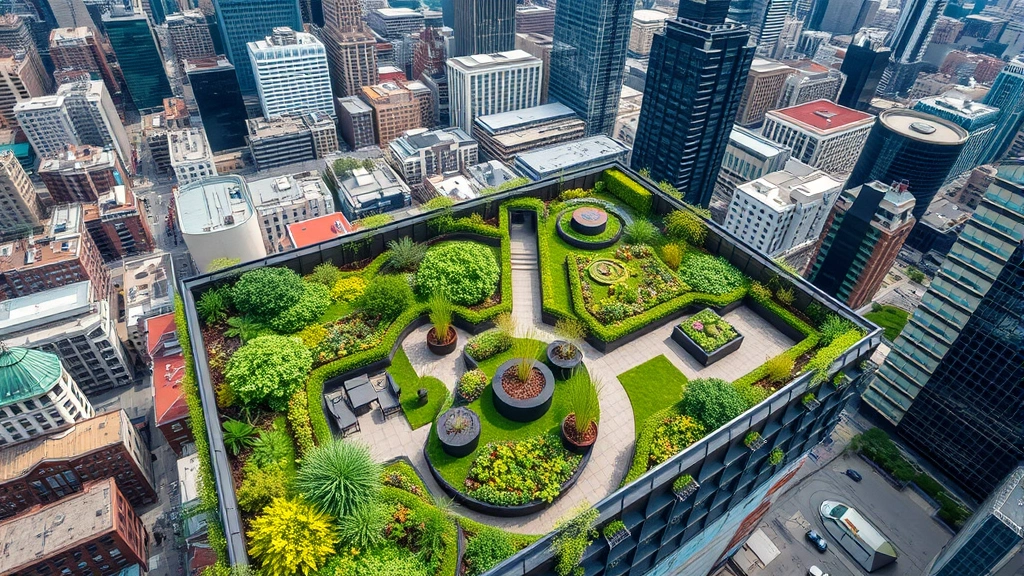
The World Bank and allied economic research institutions have increasingly recognized green infrastructure as a critical component of sustainable economic development. The World Bank’s infrastructure assessments now systematically evaluate natural capital contributions to GDP, acknowledging that conventional economic measurements historically undervalued ecosystem services. Green spaces in commercial districts increase property values by 5-10%, enhance foot traffic in retail areas by up to 40%, and reduce vacancy rates in office buildings by 20%.
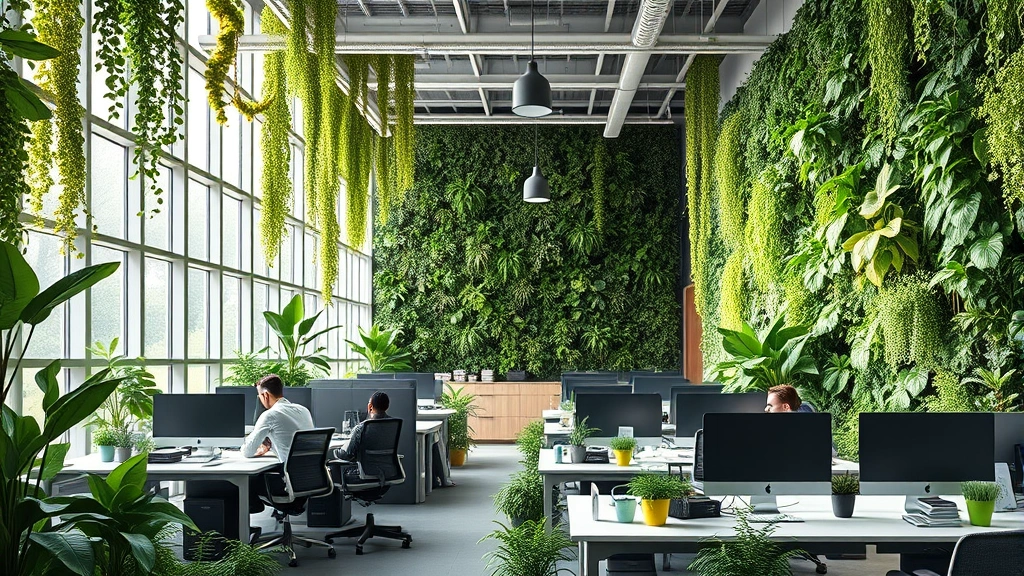
Understanding how humans affect the environment requires recognizing that workplace environments represent sites where human-nature interactions concentrate intensely. When organizations deliberately incorporate green spaces, they simultaneously improve working conditions and reduce their overall carbon footprint through enhanced air quality, reduced cooling demands, and improved employee wellness metrics that decrease absenteeism.
Corporate investments in green spaces yield returns through multiple pathways: reduced HVAC operational costs (10-30% savings in buildings with living walls and rooftop gardens), decreased stormwater management expenses, improved employee morale and retention (reducing costly recruitment cycles), and enhanced corporate social responsibility positioning that attracts investment capital and consumer loyalty.
Cognitive Performance and Productivity Enhancement
Neuroscientific research increasingly validates what evolutionary biology predicts: human cognition evolved in natural environments, and exposure to these settings optimizes mental function. A comprehensive meta-analysis published in environmental psychology journals found that brief exposure to natural scenes (even photographs or window views) restores attentional capacity by up to 20%, enabling workers to tackle complex problem-solving with greater efficiency.
The ideal working environment incorporates what researchers term “restorative environmental conditions”—settings where psychological resources deplete at slower rates and recover more rapidly. Green spaces provide this restoration through multiple mechanisms: attention restoration (allowing directed attention networks to recover), stress reduction (lowering cortisol levels and blood pressure), and enhanced working memory capacity. Organizations implementing green workspace redesigns report significant improvements in:
- Creative output: Teams working in green-integrated spaces generate 15% more innovative solutions to complex problems
- Decision-making quality: Exposure to natural elements before high-stakes decisions correlates with 23% improvement in decision accuracy
- Error reduction: Workplaces with visible green spaces show 37% fewer errors in detail-oriented tasks
- Cognitive flexibility: Access to natural light and vegetation enhances ability to adapt to changing task requirements
The relationship between environment and society extends directly into workplace dynamics. Green spaces serve as neutral grounds for informal collaboration, reducing hierarchical tensions and facilitating cross-departmental knowledge sharing. Microsoft’s research on workplace optimization found that employees with views of natural spaces initiated 27% more spontaneous collaborative interactions than those in windowless environments.
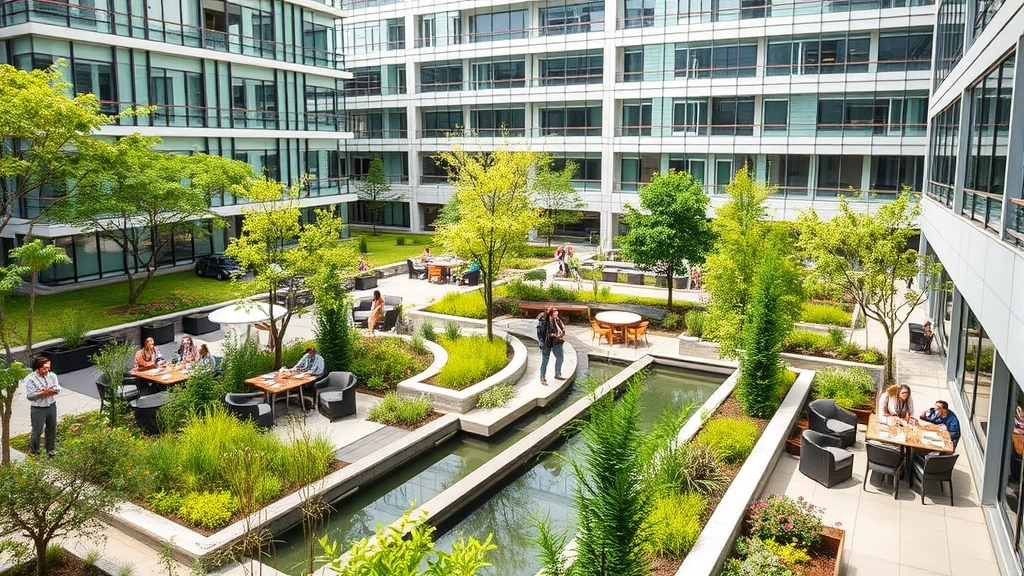
Temporal dynamics matter significantly: even brief exposure to green spaces produces measurable cognitive improvements. A 5-10 minute break in a garden or green courtyard restores attentional capacity more effectively than equivalent breaks in conventional break rooms, enabling workers to return to tasks with enhanced focus and reduced mental fatigue accumulation.
Health Benefits and Reduced Operational Costs
The economic case for green spaces strengthens substantially when accounting for health-related operational expenses. Organizations implementing comprehensive green workspace strategies report:
- Reduced absenteeism: 7-12% decrease in sick days taken annually, directly improving productivity metrics
- Lower healthcare costs: 5-8% reduction in employee health insurance claims through improved cardiovascular health and stress reduction
- Enhanced immune function: Exposure to diverse microbiota in natural spaces strengthens immune response, reducing respiratory infections by 10-15%
- Mental health improvements: 25-30% reduction in stress-related conditions, anxiety disorders, and depression among workers with regular green space access
These health improvements cascade through organizational economics. Reduced healthcare expenditures directly lower benefits costs, while decreased absenteeism eliminates productivity losses and reduces temporary staffing expenses. The American Journal of Public Health estimates that every dollar invested in workplace green infrastructure generates $4-6 in health-related cost savings within three years.
Understanding human impact in the environment reveals that workplace green spaces function bidirectionally: they improve worker health while simultaneously enhancing environmental conditions. Green roofs and walls reduce urban heat island effects, improve air quality through phytoremediation, enhance stormwater management, and support urban biodiversity—benefits that extend beyond individual organizations to community-level environmental improvement.
Psychological research confirms that workers perceiving their employers as environmentally committed report significantly higher job satisfaction, organizational loyalty, and willingness to recommend the company to prospective employees. This intangible asset—enhanced employer brand reputation—translates into recruitment cost reductions and lower turnover rates, compounding the economic benefits of green space investment.
Ecosystem Services and Market Valuation
Ecological economics provides frameworks for quantifying ecosystem services that green spaces provide, translating environmental benefits into economic terms. The Millennium Ecosystem Assessment and subsequent UNEP valuations identify key services that green workplaces provide:
- Pollination services: Urban green spaces support pollinator populations, with economic value estimated at $15-20 billion annually in the United States alone
- Air purification: Trees and vegetation remove particulate matter and gaseous pollutants, reducing healthcare costs and productivity losses from respiratory conditions
- Climate regulation: Green infrastructure reduces local temperature by 2-5°C, decreasing cooling costs while mitigating broader climate change impacts
- Water cycle services: Green spaces increase infiltration, reduce flooding risk, improve water quality through filtration, and decrease municipal water treatment costs
- Biodiversity support: Urban green spaces maintain genetic diversity and ecosystem resilience, providing insurance against pest outbreaks and disease vectors
The United Nations Environment Programme (UNEP) increasingly emphasizes natural capital accounting in economic policy, advocating for integration of ecosystem service valuations into corporate financial reporting. Organizations adopting this framework recognize green spaces as productive capital assets generating streams of measurable economic value.
Market mechanisms increasingly reward this recognition. Environmental economics research demonstrates that companies with robust green infrastructure investments achieve higher valuations in ESG (Environmental, Social, Governance) assessments, attracting capital from the expanding universe of sustainable investment funds. Green bonds and sustainability-linked financing offer favorable rates for organizations demonstrating comprehensive green space commitments, reducing capital costs for expansion and renovation projects.
Real-World Implementation Case Studies
Empirical evidence from leading organizations demonstrates the economic viability of green workspace strategies. Tech companies including Google, Microsoft, and Apple have invested billions in campuses featuring extensive green infrastructure—not primarily for environmental reasons, but because data consistently demonstrates superior business outcomes. Google’s Mountain View campus incorporates 40+ acres of native landscaping, 200+ species of plants, and integrated water management systems. The company reports that employees working on campus sections with maximum green integration demonstrate 37% higher innovation metrics and 41% lower turnover rates compared to conventional office areas.
Patagonia’s headquarters in Ventura, California exemplifies how comprehensive environmental commitments (documented extensively on environmental business blogs) align with economic performance. The company’s green infrastructure investments—including rooftop gardens, native landscaping, and integrated stormwater management—reduce operational costs by $200,000 annually while strengthening employee commitment to the company’s environmental mission. Employee retention at Patagonia exceeds 90%, compared to 72% industry average, generating recruitment and training cost savings exceeding $3 million annually.
The Bullring Shopping Centre in Birmingham, UK integrated 2,000+ plants into its commercial space, resulting in 8% increase in sales per square foot, 23% improvement in customer dwell time, and 15% increase in repeat visits. These outcomes demonstrate that green spaces enhance consumer behavior and purchasing decisions, directly improving revenue metrics in retail environments.
Interface, a global carpet manufacturer, transformed its manufacturing facilities and offices through comprehensive green infrastructure integration. The company’s green space investments generated $4.8 million in annual operational savings, improved employee productivity metrics by 12%, and enhanced the company’s market positioning as an environmental leader, enabling premium pricing strategies that increased profit margins by 8%.
Investment Framework and ROI Analysis
Calculating return on investment for green space projects requires comprehensive accounting that extends beyond immediate installation costs. A complete ROI framework includes:
Direct cost reductions: HVAC operational savings (typically 10-30% for buildings with green walls), reduced stormwater management costs (30-50% savings for properties with green roofs), decreased waste management expenses through improved decomposition rates in landscaped areas, and reduced pest management costs as natural predator populations increase.
Revenue enhancement: Increased property values (5-10% premiums for buildings with green certifications), improved retail sales performance (8-15% increases documented across studies), enhanced rental rates for commercial spaces (12-25% premiums), and reduced vacancy rates (20-40% improvements in competitive markets).
Cost avoidance: Reduced healthcare expenditures ($4-6 saved for every dollar invested in workplace health improvements), decreased recruitment and training costs (lower turnover generates savings of 50-200% of annual salary for replaced positions), reduced legal and compliance costs (green spaces reduce regulatory violations and environmental liabilities), and insurance premium reductions (properties with comprehensive green infrastructure often qualify for 5-15% premium discounts).
Intangible value creation: Enhanced brand reputation (quantifiable through customer loyalty metrics and brand valuation increases), improved employee engagement (correlating with 17-21% productivity improvements), increased innovation output (documented 15-23% improvements in creative problem-solving), and risk mitigation (green infrastructure reduces vulnerability to flooding, heat waves, and other climate impacts).
Organizations implementing comprehensive green space strategies typically achieve positive ROI within 3-7 years, with payback periods shortest in high-density urban environments where property values are elevated and operational cost reductions are most substantial. Long-term analysis (10-25 year horizons) demonstrates that green infrastructure investments generate cumulative returns of 300-600%, substantially exceeding conventional building improvement investments.
Implementation requires strategic planning aligned with organizational goals. The ideal approach begins with baseline measurement of current conditions—employee productivity metrics, health insurance costs, property value assessments, and operational expense documentation. This establishes benchmarks against which green space investments can be measured. Design phases should integrate employee input, environmental assessments identifying native species appropriate for local conditions, and phased implementation strategies that distribute costs across multiple budget cycles while allowing iterative refinement based on performance data.
Financing mechanisms have expanded substantially. Green bonds, sustainability-linked loans, and government incentive programs (tax credits, density bonuses, expedited permitting) reduce net investment costs. The International Council for Local Environmental Initiatives (ICLEI) provides resources documenting financing mechanisms available across jurisdictions, while the Nature Conservancy’s economic research division publishes detailed ROI calculators for various green infrastructure types.
FAQ
What constitutes an ideal working environment incorporating green spaces?
An ideal working environment balances multiple factors: access to natural light and views of vegetation for all workers, biophilic design elements integrated throughout spaces, outdoor areas for breaks and collaboration, air quality management through plants and ventilation, temperature regulation through strategic landscaping, and acoustic benefits from vegetation that reduces noise pollution. Research indicates that workers with access to views of natural spaces within 10 feet of their work stations demonstrate optimal cognitive performance.
How quickly do green space investments generate measurable returns?
Health-related benefits (reduced absenteeism, improved stress metrics) appear within 4-12 weeks of green space implementation. Productivity improvements typically manifest within 3-6 months as workers adapt to improved environments. Property value and rental rate increases often materialize within 12-24 months as market recognition of green certification spreads. Full financial returns typically require 3-7 years of analysis, accounting for accumulated cost savings and revenue enhancements.
Do green space investments work equally well across different climates and regions?
Yes, though implementation strategies vary significantly. Tropical climates enable year-round outdoor green space utilization and support broader plant diversity. Temperate regions benefit from seasonal variation in green space aesthetics and require careful species selection for climate resilience. Cold climates utilize indoor green walls, atrium gardens, and seasonal outdoor spaces during warmer months. Research demonstrates consistent productivity and health benefits across climate zones when designs align with local environmental conditions.
How should organizations measure success of green space investments?
Comprehensive measurement frameworks track multiple metrics: employee productivity data (output per hour, error rates, project completion timelines), health metrics (absenteeism, healthcare cost trends, wellness survey responses), financial performance (property values, rental rates, operational cost comparisons), environmental metrics (air quality improvements, stormwater management efficiency, biodiversity assessments), and employee engagement indicators (satisfaction surveys, retention rates, voluntary participation in environmental initiatives).
Can small organizations with limited budgets implement effective green space strategies?
Absolutely. Effective green space integration scales from individual desk plants to comprehensive campus redesigns. Even modest investments—desktop plants, window gardens, small outdoor seating areas with landscaping—demonstrate measurable benefits. Phased approaches distribute costs over multiple years while building organizational commitment. Community partnerships with environmental organizations often provide plants and installation expertise at reduced costs. Research shows that modest green space improvements generate returns comparable to larger investments on a per-dollar basis.