Low-Income Housing: Impact on Local Ecosystems
Low-income housing developments represent one of the most significant yet underexamined drivers of ecological transformation in urban and peri-urban environments. When you live in a low-income housing environment, you exist at the intersection of social equity and environmental justice—a space where economic constraints directly shape land use patterns, infrastructure development, and ecosystem health. The relationship between affordable housing provision and ecological degradation reveals fundamental tensions within contemporary urban planning, where the urgent need for shelter often supersedes environmental considerations.
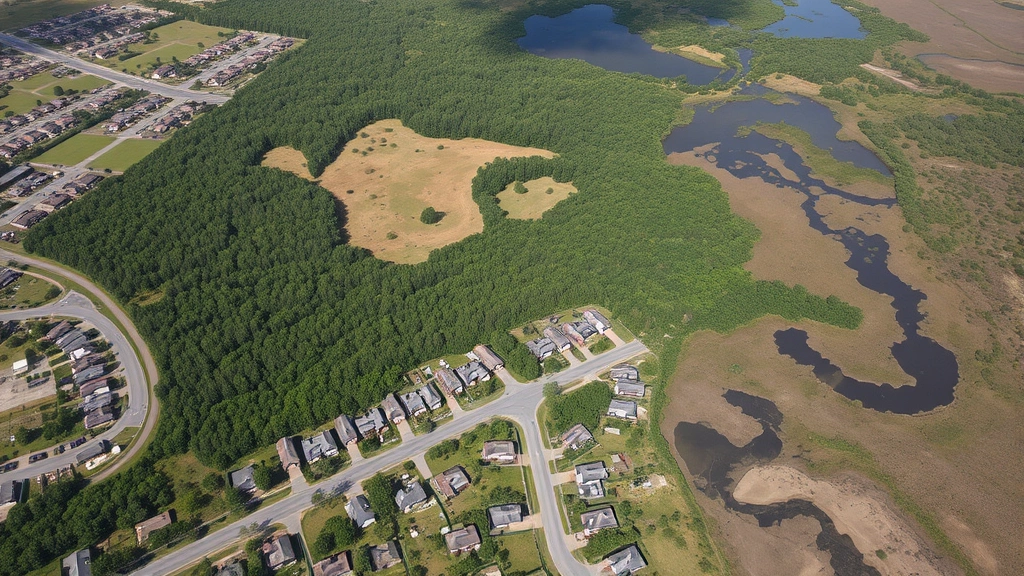
The expansion of low-income housing complexes typically occurs on economically marginal lands: former industrial sites, wetland margins, agricultural peripheries, and fragmented green spaces. These locations are chosen precisely because they are inexpensive and available, yet they frequently harbor significant ecological value. The construction and operation of these developments trigger cascading environmental impacts ranging from habitat fragmentation to altered hydrological cycles, increased pollution loads, and disrupted ecosystem services that communities depend upon for water purification, air quality regulation, and climate resilience.
Understanding these impacts requires moving beyond simple cause-and-effect narratives. Instead, we must examine the complex interplay between housing economics, ecosystem dynamics, and human wellbeing—recognizing that low-income residents themselves often bear disproportionate environmental costs while simultaneously being most vulnerable to ecological degradation.
Habitat Loss and Fragmentation in Low-Income Areas
The construction of low-income housing developments directly converts natural habitats into built environments, a process that ecologists term “habitat loss.” This conversion is not merely a spatial reorganization; it represents a fundamental transformation of ecosystem structure and function. When developers construct housing on previously vegetated land, they eliminate the physical substrate that countless species depend upon for survival, breeding, and feeding.
Habitat fragmentation—the breaking apart of continuous ecosystems into isolated patches—creates particularly severe consequences. A forest that once spanned 500 hectares becomes five separate 100-hectare fragments when low-income housing developments carve through its center. This fragmentation disrupts gene flow between populations, reduces the effective habitat area available to large-range species, and increases edge effects where ecosystem conditions deteriorate. Research from the World Bank’s environmental economics divisions demonstrates that fragmentation often proves more damaging than simple habitat loss, as isolated populations face elevated extinction risks and reduced genetic diversity.
Low-income housing areas frequently experience what researchers call “cumulative habitat loss”—successive waves of development that incrementally reduce available habitat until critical thresholds are crossed. The loss of 10% of habitat may seem manageable, but when combined with existing urban development, agricultural expansion, and infrastructure projects, the cumulative impact can collapse entire ecosystems. Species with specialized habitat requirements—certain bird species requiring continuous forest canopy, amphibians needing specific breeding wetlands—face local extinction when their habitat falls below minimum viable thresholds.
The spatial pattern of low-income housing development intensifies these fragmentation effects. Because affordable housing is often relegated to land considered economically marginal, developments cluster in areas with remaining natural features. Wetland complexes, riparian corridors, and remnant forests become fragmented by housing projects, parking lots, and roads. Unlike planned developments that might incorporate green corridors and habitat buffers, cost-constrained low-income housing typically maximizes unit density at the expense of ecological connectivity.
Water Systems and Hydrological Disruption
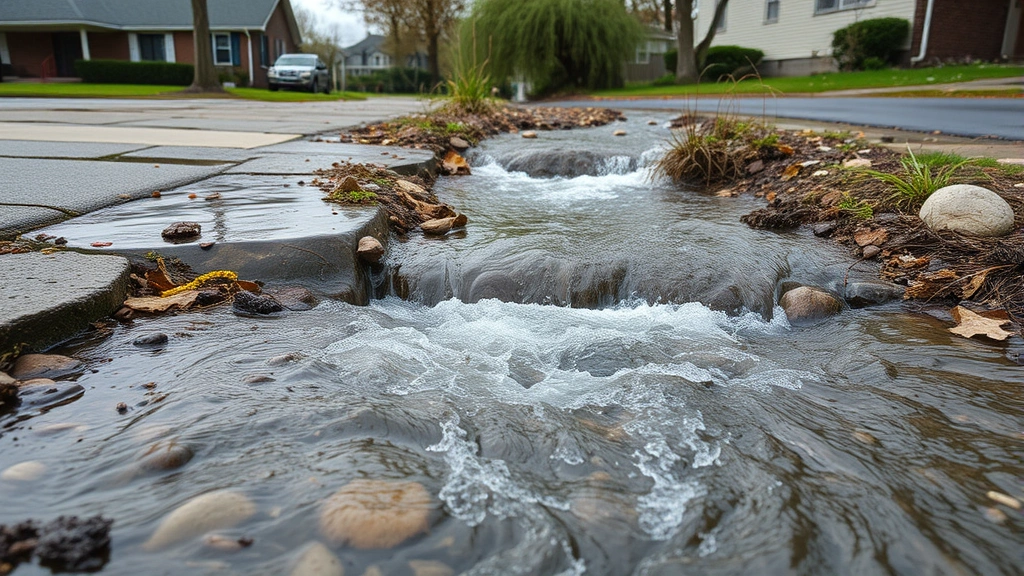
Low-income housing developments profoundly alter water cycling through increased impervious surfaces—roofs, roads, parking areas, and compacted ground that prevent water infiltration. In natural ecosystems, precipitation percolates through soil, recharging groundwater aquifers and maintaining baseflows in streams during dry periods. When housing development replaces permeable vegetation with impervious surfaces, this infiltration capacity disappears.
The hydrological consequences are severe. Stormwater runoff increases dramatically, flowing rapidly across hardened surfaces into streams and rivers. This creates “flashy” hydrology—extreme flood peaks following rainfall events, with minimal baseflow during dry periods. Such altered flow regimes stress aquatic ecosystems adapted to natural seasonal patterns. Fish spawning habitat becomes unsuitable, benthic invertebrate communities collapse, and water quality deteriorates as rapid runoff carries pollutants directly into waterways without natural filtration.
Low-income housing areas frequently lack adequate stormwater management infrastructure due to budget constraints. Runoff carries heavy metals from roofing and vehicle emissions, nitrogen and phosphorus from landscaping and atmospheric deposition, and fecal bacteria from aging septic systems or overtaxed municipal treatment. The resulting water pollution reduces aquatic biodiversity and compromises drinking water sources for downstream communities—often creating environmental justice issues where low-income populations living upstream experience housing benefits while downstream communities absorb water quality costs.
Groundwater depletion represents another critical impact. When impervious surfaces prevent infiltration and housing developments consume water for domestic use, groundwater tables decline. This affects ecosystem services dependent on shallow groundwater: wetland vegetation, riparian forests, and spring-fed streams. Many low-income housing developments in water-scarce regions exacerbate drought stress on ecosystems already stressed by climate change and competing agricultural demands.
Air Quality and Pollution Concentration
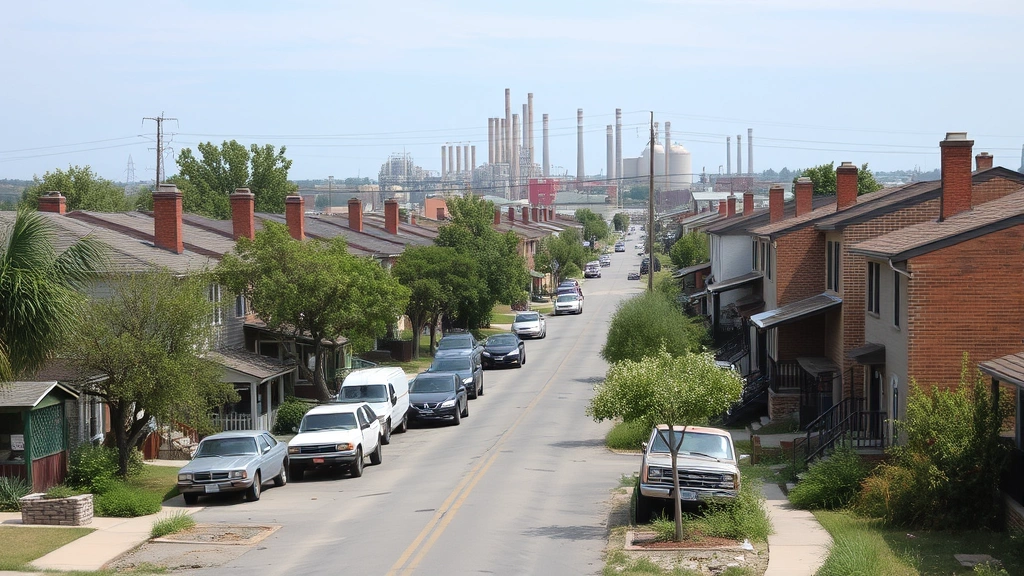
The location of low-income housing developments systematically concentrates air pollution exposure among economically vulnerable populations. Research demonstrates that low-income neighborhoods experience disproportionate proximity to pollution sources: highways, industrial facilities, waste treatment plants, and ports. This pattern reflects both historical discrimination in land use planning and contemporary economic forces that locate undesirable facilities in areas with minimal political power to resist.
Housing development itself generates air pollution through construction activities, increased vehicle traffic, and heating/cooling demands. The removal of vegetation during construction eliminates natural air filtration, while increased population density drives transportation emissions. Studies indicate that low-income residents typically have fewer vehicle options than affluent populations, relying on older, less efficient vehicles that emit higher pollution levels. The concentration of such vehicles in high-density low-income areas creates localized pollution hotspots.
Vegetation loss in low-income areas compounds air quality problems. Trees and shrubs remove particulate matter and gaseous pollutants from air through stomatal uptake and leaf deposition. When housing development removes native vegetation and replaces it with minimal landscaping—common in cost-constrained projects—this air purification service disappears. Low-income residents simultaneously lose the vegetation that would mitigate the pollution their increased numbers generate.
Long-term health consequences accumulate through chronic air pollution exposure. Elevated rates of asthma, cardiovascular disease, and respiratory illness in low-income neighborhoods reflect both direct pollution exposure and the stress of living in degraded environments. Children growing up in such areas experience stunted lung development, creating lifelong health penalties. These health costs represent an externalized ecosystem service cost—the economic burden of pollution damage is borne by residents while development profits accrue to external investors.
Biodiversity Decline in Urban Peripheries
The biodiversity impacts of low-income housing extend far beyond simple species counts. Ecosystem functioning depends on functional diversity—the variety of ecological roles species perform. When housing development homogenizes landscapes, replacing diverse native communities with simplified urban ecosystems, functional diversity collapses even if some species persist.
Low-income housing areas typically support depauperate ecosystems dominated by generalist species: common birds, weedy plants, and opportunistic invertebrates. Specialist species—those adapted to specific habitat conditions—disappear entirely. A forest might lose 80% of its bird species diversity when converted to housing with scattered ornamental trees. The remaining birds are common species found throughout urban areas, providing minimal ecosystem services like pest control or seed dispersal.
The loss of native plant communities particularly impacts pollinator populations. Native plants and their specialist pollinators coevolved over millennia, creating mutualistic relationships essential for reproduction. When housing development replaces native vegetation with ornamental species—often non-native plants chosen for appearance and low maintenance—pollinator communities collapse. The ecological consequences ripple through food webs: reduced pollination affects seed production, herbivore populations decline, predators lose food sources, and ecosystem productivity diminishes.
Soil ecosystem degradation accompanies above-ground biodiversity loss. Soil microbial communities—bacteria, fungi, protozoa—provide essential ecosystem services: nutrient cycling, organic matter decomposition, water infiltration. Construction compacts soils, destroying soil structure and microbial habitat. Contamination from construction materials and urban runoff alters soil chemistry, favoring pollution-tolerant species while eliminating sensitive organisms. The resulting degraded soils provide minimal ecosystem function, creating a vicious cycle where reduced plant productivity further impoverishes soil communities.
Economic Drivers and Ecosystem Trade-offs
Understanding low-income housing’s ecological impacts requires examining the economic systems that drive development patterns. Housing is fundamentally an economic good, and low-income housing specifically represents a market failure: private developers cannot profitably build housing affordable to low-income households without subsidies or regulatory mandates. This creates systemic pressures toward ecologically destructive development patterns.
Developers maximize profits by minimizing land costs and construction expenses. Ecologically sensitive lands—wetlands, riparian areas, forests—are often inexpensive precisely because their ecological value is not reflected in market prices. A developer can purchase degraded agricultural land or former industrial sites at low cost, but if such sites require expensive remediation, they may instead develop pristine but economically marginal wetlands. The ecosystem value of wetland services—water filtration, flood buffering, biodiversity support—remains unpriced, making destruction economically rational from a developer’s perspective.
The concept of human environment interaction reveals how economic systems shape ecological outcomes. When housing economics reward developers for maximizing density and minimizing costs, the resulting developments concentrate environmental impacts. Conversely, when development incorporates environmental costs—through ecological impact fees, wetland mitigation requirements, or green building standards—housing costs rise, potentially pricing out low-income residents. This creates a tragic dilemma: environmental protection may reduce affordable housing supply.
Ecological economics frameworks, developed by scholars at institutions like the United Nations Environment Programme, propose that ecosystem services should be integrated into economic decisions. If wetland water filtration services were priced, developers would face incentives to preserve wetlands. If air pollution costs were internalized, developers would incorporate vegetation and reduce density. However, implementing such approaches requires political will to restructure economic systems—a challenge that remains largely unmet in most jurisdictions.
Pathways to Sustainable Low-Income Housing
Addressing the ecological impacts of low-income housing requires interventions at multiple scales: individual site design, municipal policy, regional planning, and national economic policy. Solutions must simultaneously advance housing affordability and ecological protection—not treating them as opposed goals but recognizing that sustainable housing ultimately serves both human and ecological communities.
At the site level, green infrastructure approaches reduce environmental impacts. Permeable pavements allow stormwater infiltration, reducing runoff while recharging groundwater. Native plant landscaping supports local biodiversity while reducing maintenance costs. Green roofs and walls increase vegetation coverage within developed areas, providing air filtration, stormwater absorption, and urban cooling. These approaches cost more upfront but generate long-term savings through reduced stormwater management and maintenance needs, potentially offsetting higher initial expenses.
Municipal policies can mandate ecological protection through zoning and development standards. Wetland protection ordinances prevent development on critical habitats. Tree preservation requirements ensure that housing developments maintain vegetation cover. Density bonuses—allowing increased unit counts in exchange for environmental features—can make green development financially viable. Renewable energy for homes integration reduces operational emissions, while carbon footprint reduction strategies address climate impacts of housing.
Regional planning approaches recognize that housing decisions affect ecosystems beyond development sites. Directing growth toward already-developed areas rather than ecological margins—infill development and densification of existing neighborhoods—preserves remaining natural areas. Regional habitat conservation strategies identify critical ecosystems requiring protection, with development guided toward areas where ecological impacts are minimal. Such approaches require coordination across municipal boundaries and long-term planning horizons often absent in market-driven development.
National and international policy frameworks provide essential context. World Bank environmental policy increasingly emphasizes ecosystem service valuation and natural capital accounting. These frameworks, when implemented, shift development decisions toward ecological protection. Carbon pricing, biodiversity banking, and payment for ecosystem services create economic incentives for environmental preservation that can align with housing development.
Critically, sustainable low-income housing requires rejecting false choices between affordability and environmental protection. When policies prioritize environmental protection at the expense of housing affordability, they ultimately harm low-income populations by restricting supply and increasing costs. Conversely, when housing provision ignores ecological impacts, long-term sustainability suffers and environmental costs ultimately burden low-income communities most severely. Integration requires viewing housing as embedded within ecological systems, with both human and ecological needs legitimate and necessary.
The transition toward sustainable low-income housing also involves recognizing residents as agents of ecological restoration, not passive victims. Community-based environmental management, where residents participate in habitat restoration, stormwater management, and urban agriculture, can transform low-income housing areas into ecological assets. Such approaches build social capital while generating ecological benefits, creating multiple co-benefits beyond simple housing provision.
FAQ
How does low-income housing specifically impact local water systems differently than other development?
Low-income housing developments typically lack advanced stormwater management infrastructure due to budget constraints, resulting in greater pollution loads and hydrological disruption compared to affluent developments. The concentration of older vehicles and industrial proximity in low-income areas also increases runoff contamination. Additionally, water consumption in densely-packed low-income housing can strain aquifers more severely than dispersed development.
Can low-income housing be developed without harming ecosystems?
Yes, but it requires intentional design and policy support. Green infrastructure, native plantings, infill development on already-disturbed sites, and ecosystem service valuation can substantially reduce impacts. However, this typically increases development costs, requiring subsidies, regulatory mandates, or innovative financing to maintain affordability. The challenge is political and economic, not technical.
Why are low-income housing areas often located near polluting industries?
Historical racial and economic discrimination in land use planning systematically placed polluting facilities in low-income neighborhoods with minimal political power to resist. Contemporary development patterns perpetuate this through market forces: polluted areas have low land values, making them economically attractive for low-income housing. This creates environmental injustice where vulnerable populations absorb disproportionate pollution exposure.
What ecosystem services are most impacted by low-income housing development?
Water purification, flood regulation, air quality improvement, pollination, and pest control services are most severely impacted. These services are often taken for granted but provide enormous economic value—estimated in the trillions globally. When housing development destroys the ecosystems providing these services, costs are externalized to broader society while benefits accrue to developers.
How does plant adaptation to environmental conditions relate to low-income housing impacts?
Plants adapted to specific environmental conditions cannot survive when housing development alters those conditions. Wetland plants requiring saturated soils disappear when hydrology changes. Shade-requiring forest understory species cannot survive in cleared areas. Understanding plant-environment relationships helps identify which ecological impacts prove most severe and which restoration strategies work most effectively.
What role does consumer choice in sustainable practices play in addressing housing impacts?
Individual consumer choices, while important, cannot substitute for systemic policy changes. However, resident demand for green features can incentivize developers to incorporate sustainable practices. More importantly, residents of low-income housing areas organizing collectively for environmental improvements—community gardens, habitat restoration, pollution monitoring—can drive meaningful ecological benefits while building social capital and community resilience.


