Human Impact on Ecosystems: Case Studies Reviewed
The relationship between human civilization and natural ecosystems has fundamentally transformed over the past two centuries. From industrial agriculture reshaping landscapes to urbanization fragmenting wildlife habitats, human activities now represent the dominant ecological force on Earth. Understanding these human environment interaction examples through empirical case studies provides critical insights into ecosystem degradation, resilience mechanisms, and potential recovery pathways. This comprehensive analysis examines real-world scenarios where human decisions have dramatically altered ecosystem function, biodiversity, and biogeochemical cycles.
The Anthropocene—our current geological epoch defined by human dominance—presents unprecedented challenges to ecological stability. Yet these case studies also reveal opportunities for intervention, restoration, and redesign of human-nature relationships. By examining specific geographic regions and economic sectors, we can identify patterns, causal mechanisms, and evidence-based solutions applicable across diverse contexts.
The Amazon Rainforest: Deforestation and Carbon Cycle Disruption
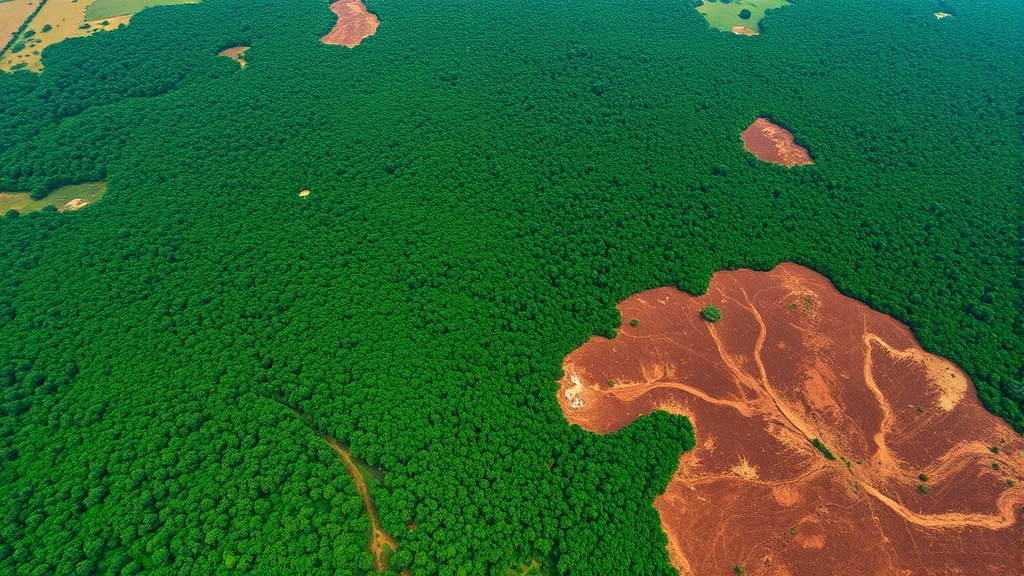
The Amazon rainforest represents one of Earth’s most critical ecosystems, spanning approximately 5.5 million square kilometers across nine nations. This vast forest functions as a planetary thermostat and carbon sink, storing an estimated 150–200 billion tons of carbon in biomass and soil. Yet deforestation rates have accelerated dramatically, with approximately 17% of the original forest already cleared, primarily for cattle ranching and soy cultivation.
The economic drivers behind Amazonian deforestation are multifaceted. Cattle ranching generates $6–8 billion annually for Brazilian agribusiness, while soy production contributes $30+ billion to export revenues. From a narrow economic perspective, these sectors represent rational profit-maximization. However, this calculation ignores externalized costs: carbon emissions equivalent to 1–2 gigatons annually, biodiversity loss of immeasurable proportions, and disruption of regional precipitation patterns that affect agricultural productivity across South America.
Research from the World Bank demonstrates that ecosystem service valuation—incorporating carbon sequestration, water regulation, and genetic resources—reveals the true economic value of standing forest at $2–3 trillion. When properly accounted for, forest preservation generates significantly higher net present value than conversion to pastureland. Yet institutional frameworks, property rights systems, and discount rates embedded in financial markets systematically undervalue these long-term, diffuse benefits relative to concentrated, short-term extraction profits.
The tipping point concern is particularly acute: scientists estimate the Amazon could transition from carbon sink to carbon source if deforestation exceeds 20–25% of original forest cover. This would represent a catastrophic positive feedback loop, accelerating climate change and triggering ecosystem collapse across multiple biomes.
The Dead Zone of the Mississippi River Delta
The Gulf of Mexico’s hypoxic zone—colloquially termed the “Dead Zone”—exemplifies how reducing agricultural runoff and nutrient pollution requires systemic change in production systems. This 6,000–20,000 square kilometer area experiences oxygen depletion severe enough to prevent most marine life survival, resulting from excess nitrogen and phosphorus loading from upstream agricultural regions.
The causal chain is well-documented: industrial agriculture in the Corn Belt applies approximately 10 million tons of synthetic nitrogen annually. Roughly 30–40% of this nitrogen leaches into groundwater or runs off into tributaries, eventually reaching the Mississippi River. This nutrient enrichment triggers eutrophication—explosive algal growth followed by decomposition-driven oxygen depletion.
Economic analysis reveals a classic tragedy of the commons. Individual farmers rationally apply fertilizer to maximize yields, bearing only a fraction of environmental costs (approximately $0.20–0.50 per kilogram of nitrogen) while society absorbs the remainder through fishery losses ($400–500 million annually), reduced real estate values, and diminished ecosystem services. This divergence between private and social costs creates persistent misallocation: farmers apply fertilizer beyond the socially optimal level.
The World Bank and ecological economics literature increasingly recognize this as a market failure requiring policy intervention. Potential solutions include nitrogen taxes, cap-and-trade systems for nutrient pollution, conservation payments for best management practices, and structural shifts toward regenerative agriculture and integrated food-energy systems.
Coral Bleaching in the Great Barrier Reef
The Great Barrier Reef exemplifies climate change impacts on temperature-sensitive ecosystems. Since 1998, four mass bleaching events have occurred, with 2016 and 2020 producing unprecedented coral mortality. Bleaching occurs when thermal stress causes corals to expel symbiotic zooxanthellae algae, initiating a cascade toward mortality if temperatures remain elevated beyond recovery thresholds.
The economic dimensions are substantial: the reef generates $3.2 billion annually through tourism, fisheries, and pharmaceutical research, supporting 64,000 jobs. Yet carbon emissions from global supply chains—largely external to reef-dependent economies—impose costs on reef-dependent communities. This represents a profound equity issue: nations and individuals responsible for cumulative carbon emissions disproportionately located in developed economies impose climate costs on vulnerable populations in tropical regions.
Research from UNEP indicates that limiting warming to 1.5°C would preserve approximately 70% of coral reef ecosystems, while 2°C warming would result in 99% loss. This creates a stark economic calculus: the cost of emissions reductions necessary to preserve reefs ($1–2 trillion over 20 years) pales relative to the value destruction ($1–2 trillion in ecosystem services) from unmitigated warming.
Adaptation strategies—including coral restoration, marine protected areas, and fishery management—provide partial resilience but cannot substitute for emissions reduction. This case study illustrates how technological solutions and efficiency improvements require complementary systemic transformation.

Urban Sprawl and Habitat Fragmentation
Urbanization represents one of humanity’s most dramatic environmental impacts, with urban land cover expanding 1.5–2% annually in developing regions. This fragmentation of natural habitats creates isolated populations vulnerable to genetic bottlenecks, reduced migration corridors, and edge effects that degrade habitat quality.
Consider the case of the Florida panther, with a population reduced to approximately 120 individuals by the 1970s due to habitat loss from urban expansion. Recovery efforts required multi-jurisdictional coordination, land acquisition costing $50+ million, and wildlife corridors spanning hundreds of kilometers. Yet this represents an exceptionally well-funded conservation case; most species receive minimal investment.
The economic model underlying urban sprawl—characterized by low-density development, automobile dependence, and externalized infrastructure costs—systematically undervalues ecological connectivity. When property markets fail to price ecosystem services, habitat preservation appears economically irrational. Corrective mechanisms include payments for ecosystem services, habitat banking systems, and redesign of development incentives toward compact, mixed-use urbanism.
Urban ecosystems themselves present both challenges and opportunities. Cities consume approximately 78% of global energy and produce 60% of greenhouse gas emissions despite occupying only 2–3% of land area. However, urban green infrastructure—parks, wetlands, green roofs—provides cooling, stormwater management, and biodiversity refugia. Strategic investment in evidence-based urban ecology can partially offset urban environmental impacts.
Industrial Agriculture and Soil Degradation
Industrial agriculture has transformed food production, increasing yields 3–4 fold since 1960 through mechanization, synthetic inputs, and monoculture specialization. Yet this productivity gain masks severe ecosystem degradation: soil organic matter decline of 25–50% in many regions, microbial community simplification, compaction from heavy machinery, and erosion rates exceeding formation by 10–100 fold.
The economic paradox is striking: industrial agriculture generates $1.3 trillion annually in global output, yet the UN Environment Programme estimates ecosystem costs—including soil degradation, nutrient pollution, and biodiversity loss—at $1.5–2 trillion annually. When properly accounted for, industrial agriculture is economically destructive despite appearing profitable within narrow accounting frameworks.
Soil degradation represents a particularly insidious form of natural capital depletion. Unlike forest clearing (visibly obvious), soil degradation occurs incrementally, with 1 centimeter of topsoil requiring 20–40 years to form but lost in years through erosion. This temporal mismatch creates perverse incentives: farmers benefit from short-term yield maximization while costs accrue to future generations and society broadly.
Regenerative agriculture—incorporating cover cropping, reduced tillage, crop rotation, and integrated livestock management—can reverse soil degradation while maintaining productivity. However, transition requires 3–5 year periods with reduced yields, upfront investment in equipment and knowledge, and access to carbon markets or subsidy programs to finance transition costs. Policy frameworks supporting sustainable production and consumption systems remain underdeveloped in most regions.
Plastic Pollution in Marine Ecosystems
Plastic pollution has emerged as a defining environmental crisis, with 8–12 million tons entering marine ecosystems annually. Unlike biodegradable waste, plastics persist for centuries, fragmenting into microplastics that bioaccumulate through food webs and penetrate every ocean ecosystem from surface waters to abyssal trenches.
The economic origin of plastic pollution lies in the material’s extraordinary utility and low price. Plastic production costs approximately $0.50–1.50 per kilogram, vastly cheaper than alternatives, yet these prices exclude disposal and environmental costs. When properly externalized, plastic’s true cost approaches $3–5 per kilogram. This price distortion explains why single-use plastics proliferate despite known environmental consequences.
Marine ecosystem impacts are multifaceted: physical entanglement affecting megafauna (sea turtles, marine mammals), ingestion causing internal injuries and starvation, chemical leaching of additives (BPA, phthalates) affecting reproduction and development, and habitat alteration through plastic accumulation in sediments. Microplastic ingestion by filter feeders and benthic organisms enters food webs, potentially affecting human consumers.
Addressing plastic pollution requires interventions across the value chain: source reduction through circular design, improved waste management infrastructure (currently absent in 80% of developing nations), innovation in biodegradable alternatives, and behavioral change in consumption patterns. The World Bank estimates that comprehensive plastic waste management infrastructure investment of $50–100 billion annually could prevent 80% of ocean plastic pollution by 2050.
Climate Change Cascades and Tipping Points
Climate change represents a meta-threat, amplifying and interconnecting ecosystem stressors across all case studies examined. Ocean acidification, shifting precipitation patterns, altered phenology (timing of biological events), and range shifts create cascading disruptions affecting food webs, disease dynamics, and ecosystem function.
The economic framework for climate change remains contested. Standard cost-benefit analysis struggles with deep uncertainty, non-linear responses, and irreversible tipping points. The Stern Review estimated climate damages at 5–20% of global GDP, while other analyses suggest substantially higher costs when accounting for ecosystem collapse scenarios and equity considerations.
Tipping points present particular challenges for conventional economic analysis. If Amazon deforestation triggers forest-savanna transition, or Atlantic Meridional Overturning Circulation collapses, resulting damages would be catastrophic and potentially irreversible. Yet these low-probability, high-impact scenarios are systematically undervalued in discount-rate frameworks assuming perpetual economic growth.
Emerging research in ecological economics emphasizes precautionary approaches, recognizing that waiting for certainty before acting may exceed optimal policy timing. This perspective aligns with climate science consensus supporting rapid emissions reductions to preserve ecosystem stability and human wellbeing.
Pathways to Restoration and Regeneration
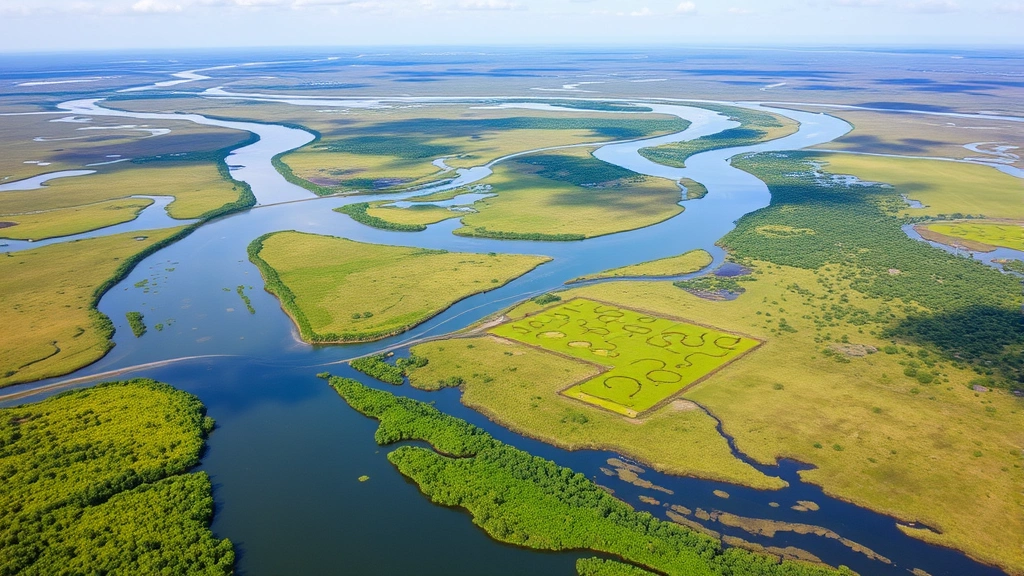
Despite the severity of ecosystem degradation, multiple case studies demonstrate that restoration and regeneration are possible with sustained investment and policy commitment. The recovery of humpback whales from near-extinction, reforestation of abandoned agricultural lands in Europe and Asia, and wetland restoration in the Mississippi River basin all demonstrate ecosystem resilience when pressures are reduced.
Effective restoration requires integrating ecological science with economic incentives. Payment for ecosystem services programs—compensating landowners for conservation, restoration, or sustainable management—have expanded significantly, with global PES markets exceeding $50 billion annually. However, program effectiveness varies substantially based on baseline conditions, additionality (ensuring payments fund additional conservation rather than rewarding existing protection), and permanence.
Nature-based solutions—including reforestation, wetland restoration, mangrove protection, and seagrass conservation—provide co-benefits: carbon sequestration, biodiversity enhancement, water purification, and livelihood support. Research indicates that protecting and restoring natural ecosystems could provide 37% of climate mitigation needed to limit warming to 1.5°C, at a cost of $100 billion annually—substantially cheaper than technology-focused approaches.
Transformation toward sustainability requires redesigning economic systems to internalize environmental costs, establish binding ecological boundaries (planetary boundaries framework), and prioritize regeneration over extraction. This involves creating supportive institutional environments where sustainability becomes economically advantageous rather than requiring sacrifice.
Policy instruments include carbon pricing (currently covering ~20% of global emissions at insufficient levels), biodiversity offsets, habitat banking, and reformed agricultural subsidies redirecting $700+ billion annually from production incentives to conservation and regeneration. National accounting reforms incorporating natural capital depreciation would dramatically alter policy priorities by revealing true economic performance.
FAQ
What are the primary human environment interaction examples affecting ecosystems today?
Major examples include deforestation (particularly tropical rainforests), agricultural intensification and soil degradation, urbanization and habitat fragmentation, industrial pollution (nutrient loading, plastic waste), fossil fuel combustion driving climate change, and overexploitation of fisheries and wildlife. These interactions create cascading effects across multiple ecosystems simultaneously.
How do economic systems contribute to ecosystem degradation?
Market failures systematically undervalue ecosystem services, creating incentives for overexploitation. When environmental costs are not reflected in prices, destructive activities appear economically rational. Additionally, discount rates and property rights systems prioritize short-term extraction over long-term sustainability, and externalized costs are borne by society rather than decision-makers.
Can ecosystems recover from human-induced degradation?
Yes, empirical evidence demonstrates substantial recovery potential when pressures are reduced and restoration investment is sustained. However, recovery timelines vary dramatically—from decades for some wetlands to centuries for old-growth forests. Some ecosystems risk irreversible state changes (tipping points) if degradation exceeds critical thresholds, emphasizing prevention over restoration.
What role does climate change play in ecosystem degradation?
Climate change amplifies existing stressors and creates novel challenges: altered precipitation patterns, temperature shifts beyond species tolerance ranges, phenological mismatches, and increased extreme weather. These effects interact with habitat loss, pollution, and overexploitation, creating synergistic degradation that exceeds impacts of individual stressors.
What policy interventions are most effective for ecosystem protection?
Comprehensive approaches combining protection (establishing protected areas), restoration (active rehabilitation of degraded ecosystems), and economic reform (carbon pricing, subsidy reform, payments for ecosystem services) prove most effective. Success requires coordination across jurisdictions, integration of indigenous knowledge, and long-term commitment beyond political cycles.


