Human Impact on Ecosystems: What Experts Say
The relationship between humanity and the natural world has fundamentally transformed over the past two centuries. What was once a relatively balanced interaction has evolved into a complex web of dependencies, disruptions, and ecological consequences that scientists worldwide are urgently studying. Understanding human environment interaction definition requires examining not just what we do to ecosystems, but the systemic feedback loops that amplify these impacts across interconnected biological and economic systems.
Experts from environmental science, ecological economics, and conservation biology have reached a sobering consensus: human activities now represent the dominant force shaping global ecosystems. From atmospheric composition to ocean chemistry, from soil degradation to species extinction rates, the fingerprints of human civilization are everywhere. Yet within this sobering reality lies a critical opportunity—understanding the mechanisms of our impact opens pathways toward more sustainable futures.
This comprehensive analysis synthesizes expert perspectives on how humans interact with and impact ecosystems, examining the scientific evidence, economic implications, and emerging solutions that offer hope for reversing destructive trends.
Defining Human-Environment Interaction
Human-environment interaction encompasses the multifaceted ways that human societies utilize, modify, depend upon, and are affected by natural ecosystems and resources. This definition extends far beyond simple resource extraction—it includes cultural relationships with nature, economic systems built on ecosystem services, technological interventions in natural processes, and the feedback mechanisms that link human wellbeing to ecological health.
The human-environment interaction framework recognizes that humans are not external observers of nature but integral components of ecological systems. Every purchase decision, agricultural practice, and industrial process represents a form of interaction with ecosystems. According to research from the World Bank, approximately 60% of global ecosystem services—including pollination, water purification, and climate regulation—show signs of degradation due to human pressure.
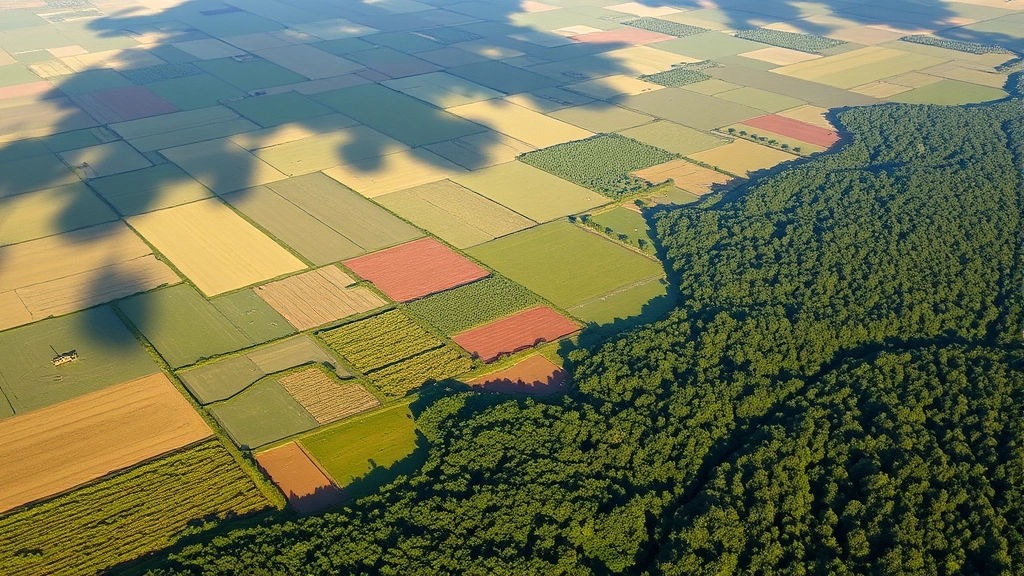
Experts distinguish between three primary categories of human-environment interaction: resource extraction (harvesting timber, fish, minerals), ecosystem modification (agriculture, urbanization, dam construction), and pollution (atmospheric emissions, chemical runoff, plastic accumulation). Each category operates across different timescales and geographic scales, from local watershed impacts to global atmospheric changes.
The biotic environment examples that demonstrate human impact range from managed agricultural systems to heavily trafficked urban ecosystems. Understanding these interactions requires interdisciplinary perspectives combining ecology, economics, sociology, and policy analysis.

Major Pathways of Ecosystem Impact
Scientists have identified several primary mechanisms through which human activities degrade ecosystems. These pathways often interact synergistically, creating cascading effects that amplify initial impacts.
Land Use Conversion: The transformation of natural habitats into agricultural, urban, and industrial landscapes represents the most immediate driver of ecosystem loss. According to the United Nations Environment Programme (UNEP), approximately 10 million hectares of forest are lost annually, equivalent to an area larger than Iceland. This conversion disrupts habitat connectivity, fragments populations of wild species, and eliminates the ecosystem services that intact landscapes provide.
Pollution and Chemical Contamination: Industrial societies generate unprecedented quantities of synthetic chemicals, many of which persist in environments for decades. Plastic pollution now pervades every ocean ecosystem, with concentrations reaching critical levels in marine food webs. Nitrogen and phosphorus runoff from agriculture creates dead zones in coastal waters worldwide, affecting fisheries that support hundreds of millions of people.
Overexploitation of Resources: Fishing pressure has reduced global fish biomass by an estimated 80% compared to pre-industrial levels. Similarly, hunting and poaching have driven numerous species toward extinction. The carbon footprint of resource extraction industries extends impacts far beyond harvested species, affecting entire ecosystem communities through disruption of food webs and nutrient cycles.
Climate Disruption: Greenhouse gas emissions from fossil fuel combustion, agriculture, and land use change have increased atmospheric CO2 concentrations by 50% since industrialization. This warming drives ecosystem changes at rates unprecedented in human history, exceeding the adaptive capacity of many species and disrupting seasonal timing of ecological events.
Climate Change and Biodiversity Collapse
The intersection of climate change and habitat loss creates a particularly severe threat to global biodiversity. Expert analyses from leading conservation organizations indicate that we are currently experiencing extinction rates 100 to 1,000 times higher than background rates observed in the fossil record.
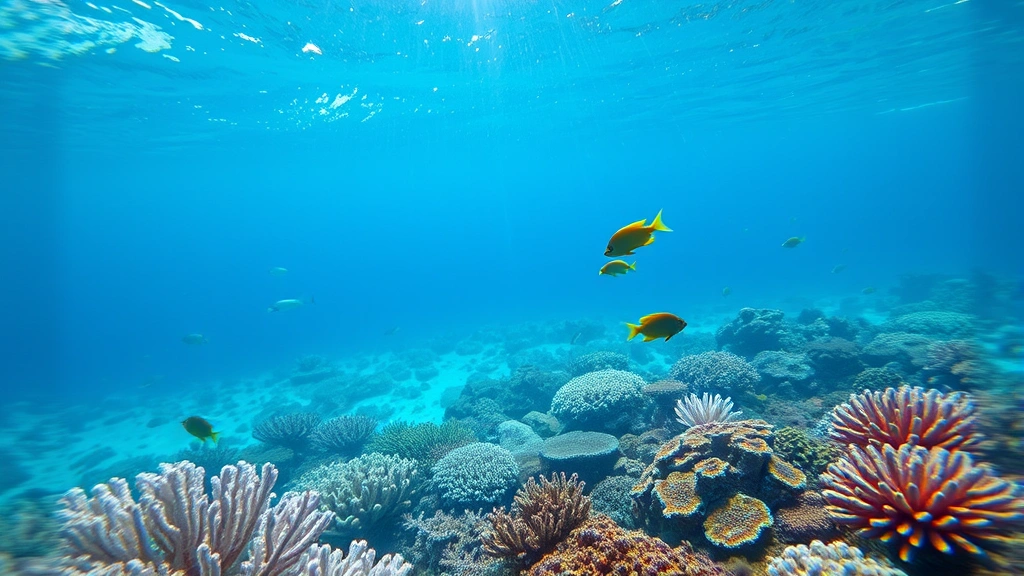
Climate change operates through multiple mechanisms to impact ecosystems. Rising temperatures alter the geographic distribution of species, compress available habitat into narrower elevation and latitude bands, and disrupt the phenological synchronization between predators and prey. Coral reef ecosystems, which support roughly 25% of marine fish species despite occupying less than 1% of ocean area, face catastrophic bleaching events when water temperatures exceed thermal tolerance thresholds.
The economic implications of biodiversity loss extend far beyond conservation ethics. Ecosystem services valued at trillions of dollars annually—including pollination of food crops, water filtration, disease regulation, and climate stabilization—depend on functional biodiversity. A comprehensive study in PLOS Biology estimated that pollinator loss alone could reduce global crop yields by up to 5-8%, affecting food security for billions of people.
Expert consensus, synthesized through assessments by the Intergovernmental Panel on Climate Change (IPCC) and the Intergovernmental Science-Policy Platform on Biodiversity and Ecosystem Services (IPBES), emphasizes that climate and biodiversity crises are fundamentally interconnected. Addressing one without the other proves insufficient to prevent cascading ecosystem collapse.
Economic Dimensions of Ecosystem Degradation
Ecological economics—an interdisciplinary field examining relationships between economic systems and ecosystems—reveals that conventional economic accounting systematically undervalues ecosystem services and externalizes environmental costs.
When a forest is clearcut for timber revenue, standard GDP accounting records only the timber value while ignoring losses in carbon storage, watershed protection, biodiversity, and cultural services. This accounting error creates perverse incentives that accelerate ecosystem destruction. Research from ecological economics institutes indicates that true accounting for ecosystem services would reveal that current economic growth in many regions actually represents ecological decline and genuine economic loss.
The concept of natural capital attempts to correct this accounting error by valuing ecosystem services in economic terms. Studies estimate global ecosystem services at $125-145 trillion annually—a figure dwarfing global GDP of approximately $100 trillion. Yet this natural capital stock is being depleted at accelerating rates without corresponding investment in restoration or protection.
Transitioning toward sustainable food systems through practices like organic agriculture, as explored in our guide to benefits of eating organic food, represents one mechanism for reducing ecosystem degradation while supporting farmer livelihoods. Similarly, consumer choices regarding sustainable fashion brands can redirect economic incentives toward lower-impact production methods.
The economic transition required to address ecosystem degradation demands fundamental restructuring of production and consumption systems. This includes carbon pricing mechanisms, ecosystem service payments, reformed agricultural subsidies, and investment in renewable energy and regenerative land management.
IMAGE_2
Expert Consensus on Tipping Points
Climate scientists and ecosystem ecologists increasingly emphasize the concept of tipping points—thresholds beyond which ecosystems undergo rapid, potentially irreversible transitions to alternative stable states.
Several critical tipping points warrant urgent attention. The Amazon rainforest, which generates much of its own precipitation through evapotranspiration, may approach a threshold beyond which it transitions from tropical forest to savanna. Such a transition would release vast quantities of stored carbon, accelerating global warming and eliminating habitat for millions of species. Similarly, Arctic sea ice loss reduces planetary albedo (reflectivity), creating a feedback loop that accelerates warming in polar regions.
Ocean acidification represents another tipping point concern. As oceans absorb approximately 30% of anthropogenic CO2 emissions, carbonic acid formation lowers ocean pH, making it increasingly difficult for calcifying organisms—from pteropods to corals to shellfish—to build and maintain shells. This disrupts marine food webs at foundational levels.
The United Nations Environment Programme emphasizes that remaining within planetary boundaries requires immediate, transformative action. Expert analyses suggest that we have a rapidly closing window—perhaps 5-10 years—to implement systemic changes sufficient to avoid crossing multiple tipping points simultaneously.
Solutions and Restoration Pathways
Despite the severity of ecological crises, experts identify multiple pathways toward restoration and sustainability. These solutions operate across scales from individual behavior change to global policy transformation.
Protected Area Expansion: Establishing and effectively managing protected areas preserves ecosystem function and allows species populations to recover. Research demonstrates that protected areas, when properly resourced and managed, maintain biodiversity at 2-3 times higher levels than unprotected landscapes. Expanding protected areas to encompass 30% of land and ocean by 2030 represents a key target identified in international conservation agreements.
Regenerative Agriculture: Transitioning from industrial monoculture toward diversified, regenerative farming systems can restore soil health, increase biodiversity, improve water retention, and sequester carbon while maintaining or increasing productivity. These systems work with ecological processes rather than against them, reducing reliance on synthetic inputs.
Circular Economy Transition: Redesigning economic systems to eliminate waste through reuse, repair, and recycling can dramatically reduce resource extraction pressure. Circular economy approaches applied across manufacturing, construction, and consumer goods sectors could reduce material extraction by 50-80% while creating employment and economic value.
Renewable Energy Deployment: Transitioning energy systems from fossil fuels to renewables addresses the climate change driver while reducing air pollution that damages ecosystems and human health. Experts agree that 100% renewable energy systems are technically and economically feasible within current technological frameworks.
Ecosystem Restoration: Active restoration of degraded ecosystems—through reforestation, wetland reconstruction, grassland recovery, and coral restoration—can rebuild ecosystem function and increase carbon sequestration. Large-scale restoration initiatives like the African Union’s Great Green Wall and the Bonn Challenge demonstrate feasibility at landscape scales.
Policy and Governance Reform: Implementing carbon pricing, eliminating perverse subsidies, strengthening environmental regulations, and incorporating ecosystem values into decision-making frameworks creates structural incentives for sustainability. Economic policy institutes increasingly recognize that environmental protection and economic prosperity are complementary rather than conflicting objectives.
IMAGE_3
The transition toward sustainability requires coordination across multiple sectors and governance levels. Success depends on combining technological innovation with behavioral change, economic restructuring with policy reform, and local action with global coordination.
FAQ
What exactly is meant by human-environment interaction?
Human-environment interaction refers to all the ways humans utilize, modify, depend upon, and are affected by natural ecosystems and resources. This includes resource extraction, ecosystem modification through agriculture and urbanization, pollution generation, and the feedback mechanisms linking human wellbeing to ecological health. It’s fundamentally an interdisciplinary concept recognizing humans as integral components of ecological systems rather than external observers.
How do experts quantify the scale of human impact on ecosystems?
Experts use multiple metrics including habitat loss rates (10 million hectares of forest annually), species extinction rates (100-1,000 times background rates), ecosystem service degradation percentages (60% of global services showing decline), and biophysical measures like atmospheric CO2 concentrations (50% increase since industrialization) and ocean acidification rates. These quantitative assessments provide the empirical foundation for urgent action recommendations.
What is the relationship between economic systems and ecosystem degradation?
Conventional economic accounting systematically undervalues ecosystem services and externalizes environmental costs, creating incentives for ecosystem destruction. Natural capital—the stock of ecosystem assets—is being depleted without corresponding investment in restoration. Transitioning toward sustainable economics requires true-cost accounting that incorporates ecosystem values, carbon pricing, and reformed subsidy structures.
Are tipping points reversible once crossed?
Most tipping points involve transitions to alternative stable states that are extremely difficult and costly to reverse. Once the Amazon transitions to savanna or Arctic sea ice disappears during summer months, returning to previous states requires either waiting millennia for natural processes or implementing massive, expensive interventions. This emphasizes the urgency of preventing tipping point crossings rather than assuming reversibility.
What can individuals do to reduce their human-environment impact?
Individual actions include reducing consumption and waste, transitioning toward plant-based diets, supporting regenerative agriculture through organic food purchases, choosing sustainable fashion options, reducing energy consumption, supporting protected area conservation, and advocating for policy changes. While individual action is necessary, experts emphasize that systemic change through policy and economic restructuring is essential for addressing ecosystem degradation at required scales.
Return to our blog home for additional perspectives on environmental economics and ecosystem science.


