Table of Contents
Introduction
Here’s a question that might surprise you: every time you flip a light switch, drive to the grocery store, or even heat up leftovers, you’re part of a global story that’s been unfolding for decades. Greenhouse gas emissions—those invisible byproducts of modern life—are quietly reshaping our planet’s climate, weather patterns, and the delicate ecosystems we depend on. And honestly? The situation is getting more urgent by the day. But here’s the good news: you have more power to make a difference than you might think.
Let’s talk about what we’re actually dealing with here. Greenhouse gases (think carbon dioxide, methane, and nitrous oxide) aren’t inherently evil—they’re just the natural result of how we power our lives. Your morning commute, the electricity keeping your phone charged, even the way we grow food—all of these everyday activities pump these gases into the atmosphere. The problem is they’re really good at their job: trapping heat. Too good, actually. This heat-trapping effect is driving climate change, and we’re seeing the results everywhere—rising sea levels, weather that seems to have lost its mind, and wildlife struggling to adapt. Understanding how to reduce greenhouse gas emissions isn’t just about saving the planet (though that’s pretty important). It’s about understanding our role in this whole system.
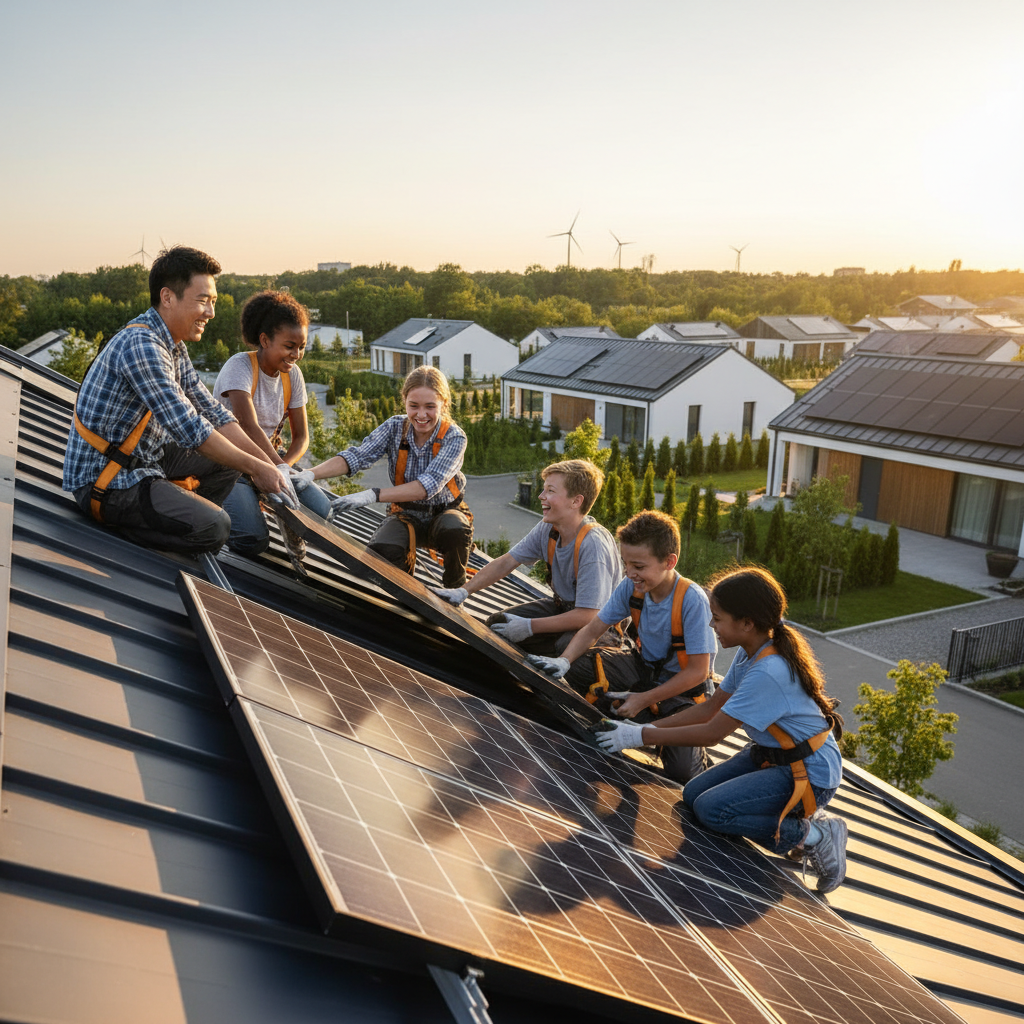
Now, before you start feeling overwhelmed, here’s something that might change your perspective: cutting emissions isn’t just good for the environment—it can actually save you money and make you healthier. Take energy efficiency, for example. When you weatherproof your home or switch to LED bulbs, your electric bill drops. Win-win, right? Renewable energy systems, once they’re installed, can slash your energy costs for decades. Communities across the country are proving this works—they’re implementing green initiatives and seeing real changes in both their environmental impact and their budgets. Sometimes the solutions connect in unexpected ways too. Building a rain garden might seem like a small garden project, but it actually helps manage stormwater while supporting local ecosystems. These connections matter more than you’d think.
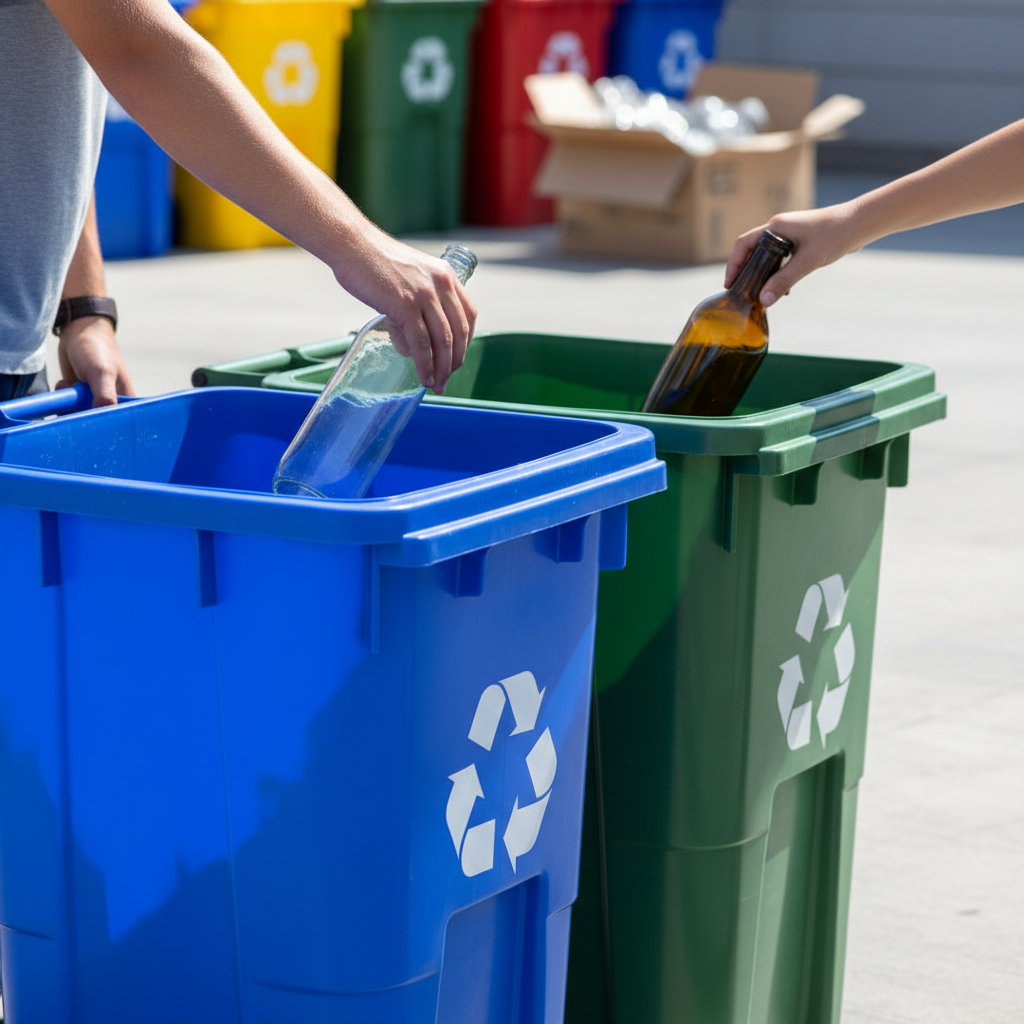
What’s fascinating is how everything ties together. Climate action isn’t happening in a vacuum—it connects to virtually every aspect of how we live. Take something as simple as recycling glass bottles. Sure, it keeps waste out of landfills, but it also reduces the energy needed to make new glass (which means fewer emissions). When you start looking at ways to reduce your carbon footprint, you realize it’s not about making one big change—it’s about making smarter choices that add up over time. The beauty of this approach? Small actions, when multiplied across millions of people, create massive change.
What You’ll Learn in This Guide
Ready to dive in? This guide is designed for real people living real lives—whether you’re a homeowner trying to cut energy costs, a business owner looking to go green, or someone who just wants to understand what all the climate talk actually means. Here’s what we’ll cover:
- Understanding Greenhouse Gas Emissions: You’ll learn what greenhouse gases are, their main sources including transportation, industry, agriculture, and residential activities, and how they impact our planet’s climate.
- Effective Strategies to Reduce Emissions: Discover actionable steps such as improving energy efficiency, utilizing renewable energy, making transportation changes, and managing waste to lower emissions significantly.
- The Role of Policy and Regulations: Understand how government policies and incentives can drive large-scale emission reductions, supporting businesses and communities in adopting sustainable practices.
- Personal Lifestyle Changes: Gain practical ideas on how individual actions like changing diet, reducing waste, and being energy conscious can collectively contribute to a healthier planet.
As we dig deeper, you’ll start seeing the bigger picture. It’s not just about the science behind greenhouse gases (though that’s important)—it’s about practical steps that actually work in the real world. We’ll look at everything from simple energy-saving tricks that slash your bills to understanding how policy changes can create opportunities for your community. You’ll see examples of how neighborhoods and businesses are already making this work, and trust me, some of their solutions might surprise you.
We’ll also explore some pretty cool emerging technologies. Carbon capture might sound like science fiction, but it’s happening right now. Clean energy solutions are getting cheaper and more efficient every year. This isn’t just academic stuff—it’s information you can use to make smart decisions for your home, business, or community. And when we talk about lifestyle changes? We’re not suggesting you live in a cave. We’re talking about simple shifts in diet and consumption that can actually improve your life while helping the environment. Sometimes the best choices for the planet are also the best choices for your wallet and your health.
By the time you finish this guide, you’ll have a clear roadmap for action. Whether that means tweaking a few habits at home, supporting policy changes in your community, or just being a more informed citizen, every step matters. Because here’s the truth: we’re all in this together, and the collective impact of individual choices is more powerful than most people realize. So let’s figure out how to build a cleaner, more sustainable world—one smart decision at a time.
Let’s be honest—greenhouse gas emissions are everywhere around us. Every time you start your car, every time a factory powers up, even when you throw away food scraps. But here’s the thing: once you understand where these emissions come from, you can actually do something about them. We’re talking about real, practical steps that make a difference—not just feel-good gestures. From the obvious culprits like transportation and industry to the surprising ones hiding in your daily routine, there’s a whole world of climate action waiting for you. And the best part? You don’t need to be a scientist or policy expert to get started.
Understanding Greenhouse Gas Emissions
Picture this: invisible gases floating up into our atmosphere, trapping heat like a giant blanket around Earth. That’s greenhouse gas emissions in a nutshell. The main players? Carbon dioxide (the big one), methane, nitrous oxide, and some seriously hard-to-pronounce fluorinated gases. They’re coming from everywhere—your morning commute pumps out CO2, that steak dinner contributes methane through cattle farming, and even your home’s heating system is part of the mix.
Now, you might think it’s just about cars and factories. Wrong. The web of emission sources is way more complex than that. Your smartphone was manufactured in a facility that burns fossil fuels. The rice in your kitchen? Those flooded fields release methane. Even throwing away food scraps creates emissions when they decompose in landfills. Want to dive deeper into practical solutions? Check out how to reduce greenhouse gas emissions for strategies that actually work in the real world.
Here’s what makes this tricky: everything’s connected. That factory making solar panels still needs energy to operate. Electric cars are great, but if they’re charged from a coal-powered grid, you’re not solving the whole puzzle. Your home might be super energy-efficient, but if you’re ordering packages online constantly, those delivery trucks add up. The good news? Once you see these connections, you can make smarter choices that hit multiple emission sources at once.
Main Sources of Emissions
Ready for the breakdown? Here are the heavy hitters when it comes to greenhouse gas emissions:
- Transportation: Your car, that delivery truck, planes overhead—they’re all burning fossil fuels and releasing CO2. The switch to electric vehicles is happening, but it’s not fast enough. Public transit and biking aren’t just good for the planet; they’ll save you money too.
- Industry and Manufacturing: Factories don’t just make stuff—they make emissions. Chemical processes, heating systems, even the waste they generate all contribute. The companies leading the way are investing in cleaner tech and energy-efficient processes.
- Energy Production: Those massive power plants burning coal and natural gas? They’re emission powerhouses. Solar and wind are getting cheaper every year, which is why you’re seeing more rooftops covered in panels.
- Agriculture: Surprise! Farming is a bigger contributor than you might think. Cows belch methane (seriously), rice fields flood and release gases, and fertilizers break down into nitrous oxide. Sustainable farming isn’t just a buzzword—it’s a necessity.
- Residential Activities: Your home’s heating, cooling, and all that stuff you throw away. Every degree you turn down your thermostat matters. Every item you recycle instead of tossing makes a difference.
What’s cool about understanding these sources is that it puts the power back in your hands. Industrial leaders are already investing in sustainable agriculture techniques because they know consumers care. Meanwhile, you can tackle your home’s emissions with energy-saving upgrades and smarter habits. It’s not about perfection—it’s about progress.
But knowing the problem is just the first step. What you really want are solutions that work in real life, with real budgets, for real people. That’s where emission reduction strategies come in—and some of them might surprise you with how effective (and affordable) they actually are.
Effective Strategies to Reduce Emissions
Alright, let’s get practical. You want to cut emissions? Start with energy efficiency—it’s the low-hanging fruit that saves you money while saving the planet. We’re talking LED bulbs, better insulation, smart thermostats that actually learn your habits. Upgrading to energy-efficient appliances might cost upfront, but your electricity bill will thank you for years. And if you’re ready to go bigger, renewable energy is more accessible than ever. Curious about making the switch? The guide on renewable energy for homes breaks down everything from costs to installation.
Transportation is where things get interesting. Electric cars are awesome, but they’re not the only answer. Walking to the coffee shop instead of driving? That’s zero emissions right there. Biking to work twice a week? You’re cutting emissions and getting exercise. Carpooling with coworkers or using rideshare? You’re splitting the emissions among multiple people. Even something as simple as combining errands into one trip makes a difference.
Then there’s waste—the hidden emission source nobody talks about. Every piece of trash sitting in a landfill is slowly releasing gases as it decomposes. Composting food scraps eliminates methane emissions and gives you amazing soil for plants. Recycling keeps materials in use instead of creating new ones from scratch. And reducing single-use plastics? That cuts emissions from manufacturing and transportation while keeping junk out of oceans.
Key Aspects of Emission Reduction Strategies
Want to make a real impact? Focus on these core areas:
- Energy Efficiency Improvements: Start simple—LED lights, programmable thermostats, weatherstripping around doors and windows. These small changes add up to big savings on your energy bill and serious emission reductions. Plus, many utilities offer rebates that make upgrades even more affordable.
- Transportation Changes: You don’t need to buy a Tesla tomorrow. Try walking or biking for short trips, use public transit when possible, or organize carpools with neighbors. When you do need a car, combining multiple errands into one trip cuts your emissions per mile.
- Waste Reduction and Management: Set up a simple composting system for food scraps (even apartment dwellers can do this). Learn what actually gets recycled in your area—you might be surprised. And challenge yourself to reduce single-use items for just one week. You’ll quickly see how much unnecessary packaging surrounds us.
- Community and Policy Engagement: Vote for leaders who take climate action seriously. Join local environmental groups or start neighborhood projects like community gardens. Even small actions like tree planting or setting up rain gardens help sequester carbon and build resilience against climate impacts.
The real magic happens when you combine these strategies. Use efficient appliances powered by renewable energy. Walk to local businesses that practice sustainable waste management. Support policies that make clean transportation more accessible. It’s not about being perfect—it’s about being intentional. And if you want to go deeper on specific actions, learning how to recycle glass bottles properly is one of those small skills that adds up over time.

Here’s the reality: greenhouse gas emissions come from pretty much everywhere we look. Your morning commute, the factory down the street, the power plant lighting your home, the farm growing your food—even your own house contributes to the problem. Each of these sources works like an invisible blanket, trapping heat in our atmosphere and cranking up the planet’s thermostat. The result? More intense storms, unpredictable weather, and ecosystems struggling to keep up. But here’s what gives me hope: once you understand where these emissions come from, you can actually do something about it. Real, meaningful change starts with simple shifts toward energy efficiency, cleaner transportation, and smarter waste habits. And when you combine your efforts with supportive policies and innovative technologies? That’s when things really start to move.
The best reduction strategies work on two levels—the stuff you can control today and the bigger changes that need to happen around us. Let’s start with your home. Swapping out old appliances for energy-efficient models and adding better insulation might not sound exciting, but it cuts down on the energy waste that’s fueling those emissions. Transportation is where you can make an even bigger dent. Think about it: fossil fuels from cars, trucks, and planes are the biggest culprits in the greenhouse gas game. So whether you’re taking the bus more often, carpooling with coworkers, biking to the store, or finally making the jump to an electric vehicle—every trip counts. Don’t overlook waste either. When you recycle properly, compost your kitchen scraps, and cut back on those single-use plastics, you’re reducing the methane that landfills pump into the air. The beautiful part? These individual choices get amplified when they’re backed by smart policies that make renewable energy more accessible and carbon capture technologies more widespread.
Now, let’s talk about lifestyle changes that pack a real punch. Eating more plants and less meat, actually finishing the food on your plate instead of tossing it, choosing products from companies that care about sustainability—these aren’t just feel-good gestures. They’re building blocks for the kind of collective impact our climate desperately needs. The magic happens when all these approaches work together. Your household choices align with what businesses are doing, which connects to what governments are supporting. It’s like a sustainability symphony, and everyone has a part to play in tackling this urgent challenge.
Ready to take the next step? Since you now get how different activities pump greenhouse gases into our atmosphere, why not explore building a rain garden to handle stormwater naturally while giving local wildlife a boost. Making those energy upgrades and switching to cleaner power becomes a lot less overwhelming with our practical guide on renewable energy for homes—we break down the costs, benefits, and actual steps to go green with your power. Want to maximize your recycling game? Our detailed guide on how to recycle glass bottles shows you exactly how to do it right. And for the big picture, check out strategies to shrink your overall carbon footprint with tips that actually fit into real life. These resources give you the confidence to weave emission-reducing habits into your routine without the guesswork.
Here’s the thing about collective action—it multiplies everything you’re already doing. That small change you made last week? It matters more when your neighbor makes one too, and your community follows suit. Stay curious, get involved in local projects, vote for leaders who prioritize emission reductions, and embrace technologies that make green living easier. You’re not just making a difference—you’re making it possible for others to do the same. For even more inspiration and deeper insights into sustainability, our guide on sustainable agriculture techniques opens up a whole world of environmentally responsible farming and land management.
You’ve got the knowledge. You’ve got the resources. Now you’re equipped to be part of the solution to greenhouse gas emissions. Your choices ripple outward, and when they combine with everyone else’s, they create waves of change toward a healthier, more sustainable world. Start with what feels manageable today, then grow your impact through learning, connecting with your community, and supporting the policies and technologies that make green living the obvious choice.
Frequently Asked Questions
-
What are the main causes of greenhouse gas emissions?
- Greenhouse gas emissions primarily come from burning fossil fuels in transportation and energy production, industrial processes, agriculture, and residential activities.
-
How can individuals contribute to reducing emissions?
- Individuals can reduce emissions by improving home energy efficiency, using sustainable transportation methods, managing waste correctly, adopting plant-based diets, and supporting clean energy.
-
What role do governments play in emission reduction?
- Governments implement policies, regulations, and incentives that promote renewable energy, regulate emissions, and support sustainable community and business practices.
-
Are there technologies that can help reduce emissions?
- Yes, technologies such as renewable energy systems, electric vehicles, carbon capture, and energy-efficient appliances help lower greenhouse gas emissions significantly.
-
When should businesses seek expert help for reducing emissions?
- Businesses should seek expert help when planning large-scale emission reductions, navigating regulations, or implementing new technologies to ensure effective and compliant results.