Table of Contents
Introduction
Ever catch yourself wondering if that extra drive to the store or leaving the lights on really matters? Here’s the thing—it does. Our daily choices are quietly shaping the future of our planet, and greenhouse gas emissions have become the biggest environmental challenge we’re facing. We’re talking about changes in weather patterns that affect real people, rising sea levels threatening coastal communities, and ecosystems struggling to adapt. The good news? We’re not powerless here.
Think of greenhouse gases like an invisible blanket wrapped around Earth. Carbon dioxide, methane, nitrous oxide—they trap heat in our atmosphere and drive those warming trends behind extreme weather and environmental shifts we keep hearing about. These gases come from everywhere: the energy that powers our homes, the cars we drive, how we grow our food, even how we handle our trash. But here’s where it gets interesting. When we understand these sources, we can actually do something about them. Simple changes like using energy more wisely, switching to renewable options, and rethinking how we approach agriculture can make a real difference. And if you’re looking for hands-on ways to help right in your neighborhood, learning how to build a rain garden is one of those practical projects that manages stormwater naturally while supporting healthy local ecosystems.
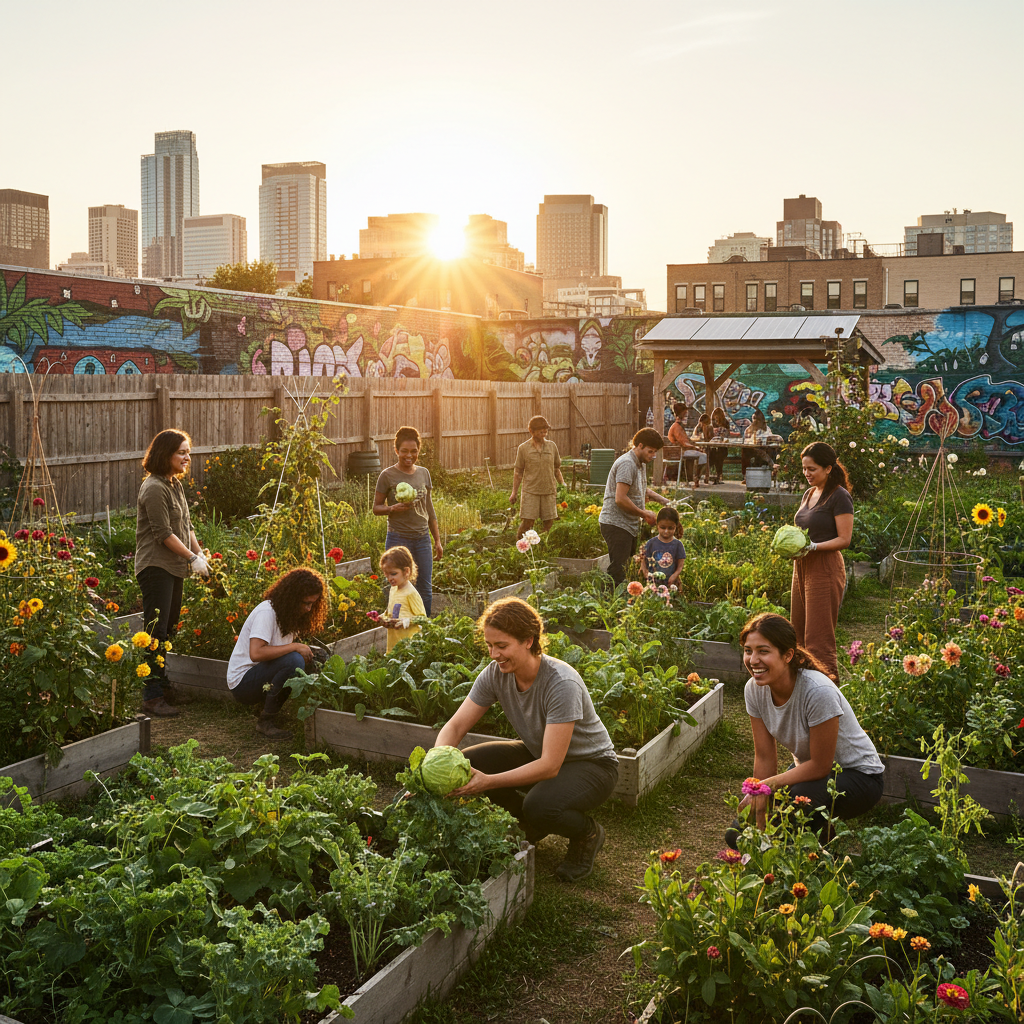
You know what’s amazing? Communities coming together to tackle environmental challenges. Take starting a community garden—it sounds simple, but the impact is huge. These green spaces don’t just make neighborhoods more beautiful (though they definitely do that). They’re actively reducing emissions by promoting local food production, which means less transportation and fewer industrial farming practices. Plus, they bring people together, create learning opportunities, and make environmental action feel achievable for everyone, regardless of their background or experience.
Now, let’s talk about food. Shifting what we eat might be one of the most powerful tools we have for cutting greenhouse gases. When we choose more plant-based meals, we’re directly reducing methane emissions from livestock farming and easing the environmental pressure from conventional agriculture. The best part? It doesn’t mean giving up delicious food. Exploring easy vegetarian lunch ideas can open up a whole world of tasty, healthy options that are good for you and the planet. It’s one of those win-win situations that’s becoming harder to ignore.
What You’ll Learn in This Guide
This guide will give you the knowledge and practical steps you need to actually reduce your greenhouse gas emissions. No overwhelming theory—just clear insights into how greenhouse gases work, where they come from, and most importantly, what you can do about them.
- Understanding Greenhouse Gases and Their Impact: We’ll break down the different types of greenhouse gases and how they’re affecting our climate. Getting these basics down gives you the foundation you need to take meaningful action.
- Effective Emission Reduction Strategies: You’ll discover practical approaches covering everything from energy efficiency and renewable resources to sustainable agriculture and better waste management. Each strategy comes with real-world benefits and tips you can actually use.
- Long-Term Preventative Measures: Learn how policies, lifestyle changes, and community involvement can help sustain low-emission practices over time. This section shows you how to maintain momentum and push for bigger changes.
- When and How to Seek Expert Assistance: Sometimes you need backup. We’ll help you recognize when professional expertise can amplify your impact—from environmental consulting to technological solutions—and show you what resources are out there to support your efforts.
We’re going to start by getting clear on what greenhouse gases actually are and where they come from. This foundation matters because understanding the ‘why’ behind these emissions makes everything else click into place.
From there, we’ll dive into real strategies for cutting emissions in different areas of your life—at home, in your community, and through larger-scale efforts. You’ll see examples from the real world and innovative solutions that prove this stuff actually works.
We’ll also explore the preventative measures that make sure your emission reductions stick around for the long haul. Because while individual changes matter enormously, we’ll also look at the policy frameworks and societal shifts that create lasting environmental progress.
Before we wrap up, you’ll learn when it makes sense to bring in expert help—whether you’re tackling complex projects or want to scale your efforts for broader impact. Knowing where to find the right support can be the difference between good intentions and real results.
Understanding how to reduce greenhouse gas emissions puts you in the driver’s seat when it comes to environmental change. When we make environmentally responsible choices—both big and small—we’re actively shaping a healthier planet for the people who come after us. Ready to dig in? Let’s make this knowledge count.

So we’ve covered the basics—now let’s get into the real meat of the matter. Why exactly should we care about greenhouse gas emissions, and what’s actually happening up there in our atmosphere? Here’s the thing: greenhouse gases are like a blanket wrapped around our planet. And right now? That blanket’s getting thicker every year. We’re talking about carbon dioxide, methane, nitrous oxide, and those industrial fluorinated gases—each one trapping heat in its own sneaky way. They come from pretty much everything we do: powering our homes, growing our food, making stuff, and yes, even dealing with our trash. Once you understand where these gases come from and how they work, you can start making choices that actually matter. Think of this as your crash course in climate science—the stuff you need to know to take real action.
Understanding Greenhouse Gas Emissions and Their Sources
Not all greenhouse gases are created equal—some are absolute powerhouses when it comes to trapping heat. Carbon dioxide gets most of the attention (and for good reason), mainly because we pump so much of it into the air every time we burn coal, oil, or natural gas. But methane? That stuff is like CO2 on steroids. It doesn’t stick around as long, but while it’s up there, it’s about 25 times more effective at trapping heat. You’ll find methane bubbling up from farms, landfills, and even natural wetlands. Then there’s nitrous oxide—sounds harmless enough, but this gas packs a punch and loves hanging out in our atmosphere for over a century. It mostly comes from farming (especially when we go heavy on the fertilizers) and some industrial processes. The real troublemakers, though, are fluorinated gases. These synthetic compounds used in refrigeration and industry are like the heavyweight champions of global warming potential, even though there’s not much of them floating around. To get the full picture of how we can work with natural systems, check out how natural systems like rain gardens help manage environmental challenges—it’s a perfect example of how we can boost our ecosystem’s ability to handle what we’re throwing at it.
Now, where do all these gases actually come from? Energy production takes the crown here—no surprise there. Every time we fire up a power plant or fill up our gas tank, we’re essentially feeding the problem. Agriculture plays a huge role too, and it’s a double whammy: cows and other livestock are basically methane factories (thanks to their digestive systems), while all those fertilizers release nitrous oxide into the air. Industries contribute their own cocktail of gases depending on what they’re making and how they’re making it. Even our trash is working against us—landfills are methane goldmines, and some waste treatment processes release nitrous oxide too. The silver lining? Once you know where the problems are coming from, you can start targeting solutions. And speaking of solutions, the whole sustainability approach connects beautifully with local initiatives like starting community gardens—it’s amazing how these grassroots efforts can support both carbon reduction and bring back biodiversity right in your neighborhood.
Key Components of Greenhouse Gas Emissions
When you’re trying to wrap your head around greenhouse gases, these are the big players you need to know:
- Carbon Dioxide (CO2): The heavyweight champion of emissions. This gas comes mainly from burning fossil fuels, chopping down forests, and various industrial activities. Here’s the kicker—CO2 sticks around for ages, which means every bit we reduce today helps for decades to come.
- Methane (CH4): Don’t let its smaller quantities fool you—methane is incredibly potent. Most of it comes from livestock, landfills, and natural wetlands. The good news? Since it doesn’t hang around as long as CO2, cutting methane emissions gives you pretty immediate climate benefits.
- Nitrous Oxide (N2O): This one’s sneaky but serious. It’s mainly released when we use fertilizers in farming and from certain industrial processes. Better soil management and smarter waste handling can make a real dent in these emissions.
- Fluorinated Gases: These synthetic chemicals used in refrigeration and industry are the climate equivalent of a nuclear weapon—incredibly powerful even in tiny amounts. The key here is better regulations and finding alternative technologies.
Getting familiar with these different gases and where they come from gives you the foundation to pick the right strategies for your situation. It’s like having a roadmap—you need to know the terrain before you can plan the best route. With this knowledge in your back pocket, we can start talking about the practical stuff that actually works to cut emissions across different areas of our lives.
Practical Strategies for Effective Emission Reduction
Alright, so you understand the problem—now what can you actually do about it? The good news is there are plenty of proven strategies that work, and many of them can save you money while helping the planet. Energy efficiency is probably your best starting point. We’re talking about switching to renewable energy sources like solar and wind (costs have plummeted in recent years), improving your home’s insulation so you’re not heating or cooling the great outdoors, and choosing appliances that sip electricity instead of guzzling it. Transportation is another huge opportunity—electric vehicles are finally hitting the mainstream, and public transit is getting better in many cities. Even small changes in how you get around can add up to significant emission reductions over time.
Don’t overlook agriculture and food choices either. Farmers are discovering that practices like crop rotation and reducing synthetic fertilizer use can actually improve their bottom line while cutting emissions. Managing livestock methane through better feeding practices and manure handling makes a real difference too. Here’s something that might surprise you: shifting toward more plant-based meals doesn’t just benefit your health—it dramatically reduces the demand for resource-intensive animal farming. The best part about many of these strategies is that they work better when communities get involved. People sharing knowledge, supporting each other’s efforts, and pushing for good policies—that’s where the magic happens. Waste reduction is another area where you can see immediate results. Recycling, composting your kitchen scraps, and just buying less stuff reduces methane from landfills. Some places are even turning waste into energy, which is pretty amazing when you think about it—transforming our trash problem into part of the solution.
Core Strategies to Lower Emissions
Here are the strategies that actually move the needle on reducing greenhouse gas emissions:
- Energy Efficiency and Renewable Adoption: Making the switch to solar, wind, and other renewable energy sources cuts CO2 emissions at the source. Pair that with better insulation and energy-efficient appliances, and you’re looking at serious reductions in your energy footprint.
- Sustainable Agricultural Practices: Smart farming techniques like crop rotation, better livestock management to reduce methane, and encouraging more plant-based diets can dramatically lower emissions from agriculture—one of the biggest contributors to the problem.
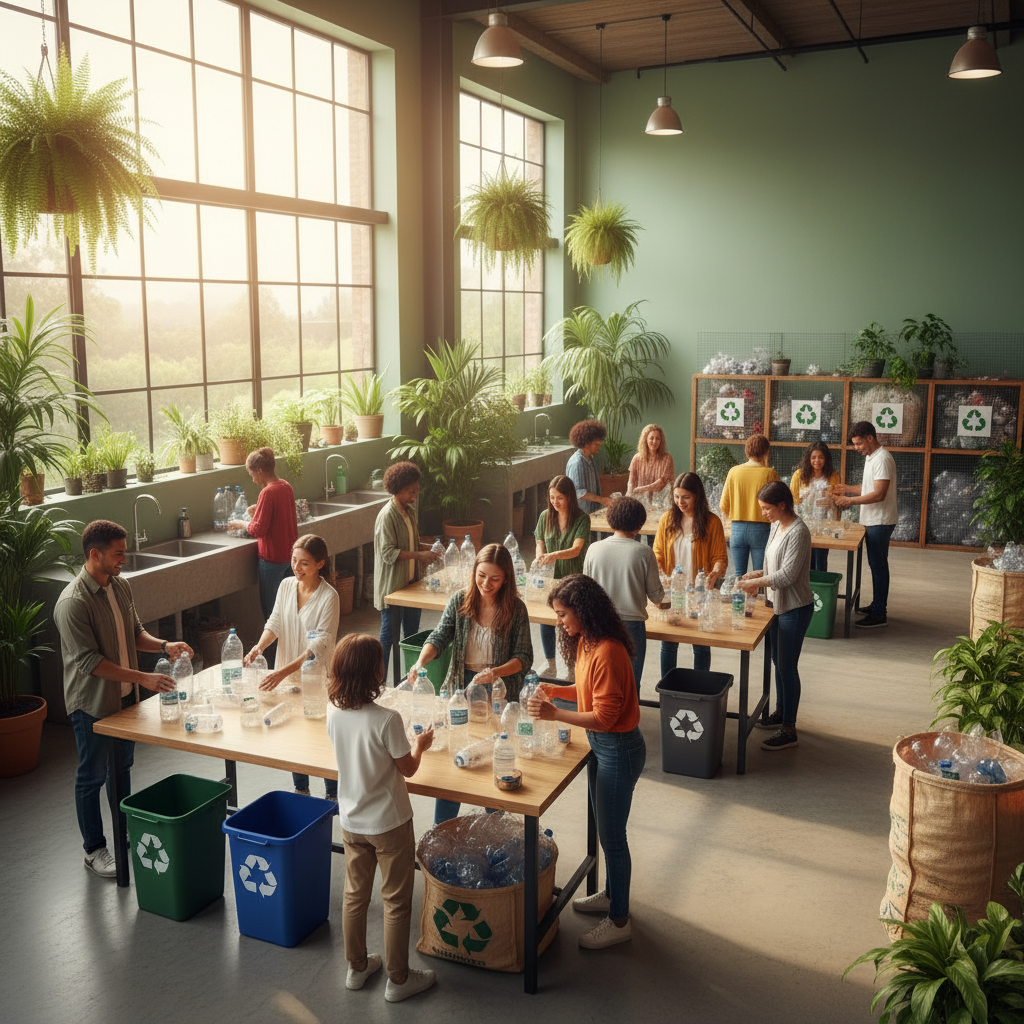
- Waste Management Improvements: Getting serious about recycling and composting keeps organic waste out of landfills, which cuts methane emissions significantly. Waste-to-energy systems are an exciting development that turns our waste problem into an energy solution.
- Community and Policy Engagement: Individual actions are great, but when you combine them with smart government policies, that’s when you see real change. Think incentives for clean energy, tougher regulations on industrial emissions, and education programs that help people understand why this matters and what they can do about it.

Here’s the thing about greenhouse gas emissions—they’re everywhere, and they’re affecting all of us. Think of carbon dioxide, methane, nitrous oxide, and fluorinated gases as Earth’s unwanted warming blanket. Too thick, and we get the extreme weather and environmental chaos we’re seeing today. The good news? Once you know where these gases come from (energy production, agriculture, industry, and our waste), you can actually do something about it. And yes, your everyday choices really do add up to make a difference.
We’ve covered a lot of ground together in this guide. Renewable energy, better energy efficiency, smarter farming practices, improved waste management—each one chips away at the problem in its own way. What I love most are the community projects we talked about. Community gardens and rain gardens aren’t just good for the planet; they bring people together and create these little pockets of positive change that ripple outward. Plus, they actually save money and make neighborhoods more resilient.
But here’s where the rubber meets the road: turning what you know into what you do. Start small if you need to. Improve your home’s energy use. Try cleaner ways to get around. Make more sustainable food choices. These aren’t just feel-good activities—they genuinely cut your carbon footprint. And if you want to go bigger? Local projects like rain gardens help manage stormwater naturally while boosting local wildlife. Community gardens? They slash food transportation emissions and strengthen neighborhood bonds at the same time.
So you’ve got the knowledge—now what? Time to put it to work. Consider learning how to build a rain garden to help your community’s ecosystem while managing stormwater the smart way. Want to make an even bigger splash? Check out how to start a community garden and watch how local food production can bring people together around sustainability. Don’t forget the home front either—boosting energy efficiency and adopting sustainable daily habits will keep your emission-cutting efforts going strong.
Look, protecting our planet isn’t just about grand gestures (though those help too). It’s about combining your personal efforts with community action. You’ve got the tools now. You understand what works. Most importantly, you can make choices today that’ll benefit not just the environment, but future generations who’ll inherit what we leave behind. Keep learning, stay curious, and remember—when you take action, you inspire others to do the same. That’s how real change happens.
Frequently Asked Questions
-
What are greenhouse gases?
- Greenhouse gases are atmospheric gases that trap heat, contributing to global warming and climate change.
-
How can individuals reduce their carbon footprint?
- By conserving energy, choosing renewable resources, reducing waste, and supporting sustainable practices in daily life.
-
What is the role of renewable energy in emission reduction?
- Renewable energy replaces fossil fuels, lowering carbon dioxide emissions and mitigating climate change impacts.
-
Are there government programs supporting emission reductions?
- Yes, governments often implement policies like carbon pricing, incentives for clean energy, and regulations to reduce industrial emissions.
-
Why is reducing greenhouse gases important?
- It helps slow climate change, protect ecosystems, and secure a livable planet for future generations.