
How Ecosystems Impact Economy: A Deep Dive into Ecological-Economic Interdependence
The relationship between ecosystems and economies represents one of the most critical yet underexamined dynamics shaping our global future. While traditional economic models have long treated nature as an external resource to be exploited, mounting scientific evidence reveals that healthy ecosystems are not merely environmental concerns—they are fundamental economic infrastructure. Biodiversity loss, habitat degradation, and climate disruption directly translate into measurable economic costs, supply chain vulnerabilities, and systemic financial risks that ripple across industries and nations.
Understanding how ecosystems impact the economy requires moving beyond siloed thinking. We must examine the intricate web of services that natural systems provide—from pollination and water purification to carbon sequestration and disease regulation—and quantify their economic value in terms that policymakers and investors understand. This comprehensive analysis explores the mechanisms through which ecosystem health drives economic prosperity, the costs of ecological degradation, and pathways toward regenerative economic models that align financial incentives with environmental stewardship.
Ecosystem Services and Economic Valuation
Ecosystem services—the benefits humans derive from natural systems—constitute an enormous but largely unpriced component of global economic value. The United Nations Environment Programme estimates that natural capital losses exceed $20 trillion annually when accounting for ecosystem degradation, biodiversity decline, and resource depletion. This staggering figure dwarfs the GDP of most nations, yet remains invisible in conventional accounting systems.
The Millennium Ecosystem Assessment, a landmark study coordinated by the World Bank, categorized ecosystem services into four types: provisioning services (food, water, timber), regulating services (climate regulation, pollination, water purification), supporting services (nutrient cycling, soil formation), and cultural services (recreation, spiritual value). Each category generates measurable economic returns, though many remain externalized from market prices.
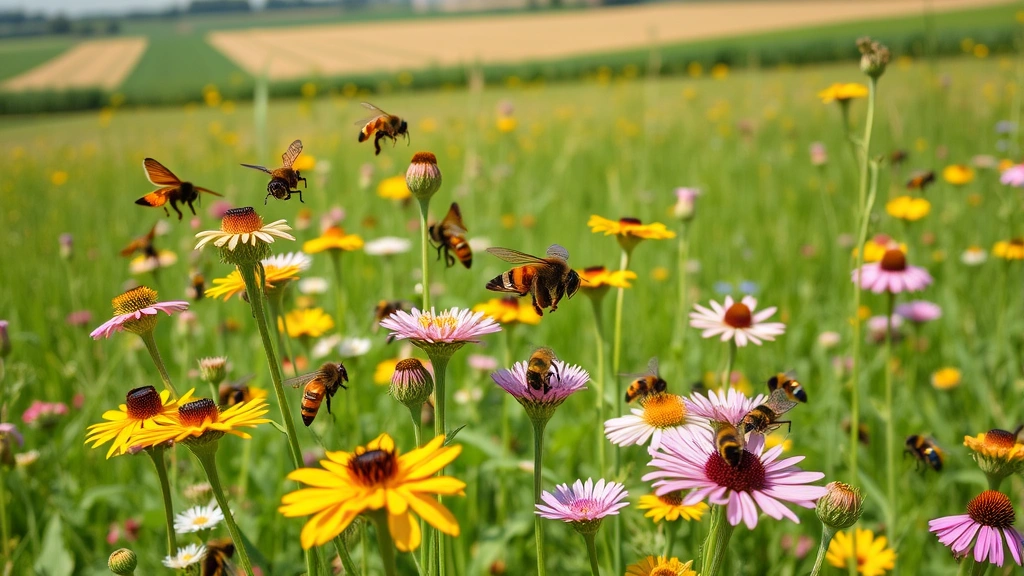
Pollination services alone—primarily provided by wild bees, butterflies, and other insects—generate an estimated $15-20 billion in annual agricultural value globally. Yet farmers pay nothing directly for these services. Similarly, wetlands filter water at costs that would be astronomical if replicated through industrial treatment facilities. A single hectare of wetland can purify water at an equivalent cost of $30,000-$150,000 if performed by constructed treatment systems. When ecosystems degrade and these services disappear, economies must either invest in expensive technological replacements or accept reduced productivity and public health outcomes.
The challenge of ecosystem service valuation involves translating non-market goods into economic metrics. Researchers employ multiple methodologies: contingent valuation (surveying willingness-to-pay), hedonic pricing (analyzing how environmental quality affects property values), replacement cost analysis (calculating costs of technological substitutes), and avoided cost methods (determining expenses prevented by ecosystem functions). Each approach reveals that nature’s economic contributions vastly exceed the costs of conservation.
Understanding how fossil fuels impact the environment becomes crucial when examining ecosystem service losses, as carbon-intensive activities accelerate the degradation of natural capital while simultaneously creating atmospheric conditions that undermine ecosystem resilience and productivity.
Natural Capital as Economic Infrastructure
Ecosystems function as foundational infrastructure for all economic activity, yet this reality remains obscured by accounting conventions that treat natural capital as infinite and free. Unlike human-made capital, which depreciates and requires maintenance, natural capital regenerates when managed sustainably—but depletes irreversibly when extraction exceeds renewal rates.
Forests exemplify this dynamic. Beyond their timber value, forests regulate water cycles, stabilize climate, prevent erosion, and harbor genetic resources for pharmaceutical and agricultural development. A tropical rainforest generates approximately $2,700-$6,000 in annual ecosystem services per hectare through carbon storage, water regulation, and biodiversity conservation. Yet the one-time harvest value might reach only $500-$2,000. This asymmetry explains why short-term economic incentives drive deforestation despite devastating long-term economic consequences.
Coral reef ecosystems demonstrate similar value misalignment. Reefs provide $375 billion annually in ecosystem services through fish production, coastal protection, tourism, and pharmaceutical compounds. Yet single-use economic activities—destructive fishing, coastal development, pollution—extract short-term profits while collapsing the underlying system. The economic logic appears sound until we recognize that reef destruction eliminates perpetual income streams to capture transitory gains.
Ocean ecosystems represent the ultimate example of unpriced natural capital. Fisheries support 3.2 billion people’s primary protein source and generate $150 billion in annual revenue. Yet overfishing, driven by economic models that discount future scarcity, has collapsed 90% of large fish populations. The economic rationality of individual actors—extract maximum value today—produces collectively irrational outcomes: ecosystem collapse and economic devastation.
This pattern repeats across natural systems. Soil degradation costs $400 billion annually in lost productivity. Groundwater depletion threatens agricultural systems supporting billions. Pollinator decline jeopardizes food security. Each represents a case where ecosystem degradation generates immediate private profits while socializing catastrophic economic costs—a fundamental market failure that conventional economics fails to address.
The concept of human-environment interaction becomes economically precise when we recognize that human economic systems exist entirely within ecological systems, dependent on continuous flows of natural capital for survival and prosperity.
Biodiversity Loss and Economic Consequences
Biodiversity functions as economic insurance, providing resilience against shocks and enabling adaptive responses to environmental change. As species richness declines—we currently experience extinction rates 100-1,000 times above background levels—economic vulnerability increases proportionally.
Agricultural productivity depends directly on genetic diversity. Modern crop varieties derive from wild plant relatives that harbor disease resistance, drought tolerance, and nutritional traits. The genetic resources preserved in wild ecosystems represent an insurance policy against crop failure and climate impacts. Yet habitat destruction eliminates this genetic library before we’ve catalogued or utilized most species. Estimates suggest 25% of plant species face extinction risk, potentially erasing agricultural adaptation options before they’re identified.
Pharmaceutical development similarly depends on biodiversity. Approximately 25% of modern medicines derive from rainforest plants, yet less than 1% of tropical plants have been screened for medicinal properties. The economic value of undiscovered compounds is incalculable, yet we’re destroying the source material through deforestation and habitat loss. This represents perhaps history’s most irrational economic trade-off: short-term extraction profits versus permanent loss of future pharmaceutical value.
Ecosystem stability—the capacity to maintain function despite disturbances—correlates directly with biodiversity. Diverse ecosystems exhibit greater resilience to droughts, floods, pests, and diseases. Monoculture agriculture, stripped of biodiversity, faces catastrophic failure when single pest or disease outbreaks occur. The Irish Potato Famine illustrates how biodiversity loss creates economic fragility: genetic uniformity in potato varieties enabled potato blight to devastate an entire food system, killing millions.
Pollinator diversity provides another concrete economic example. While honeybees receive attention, wild pollinators—diverse bee species, butterflies, flies, beetles—provide disproportionate pollination value and exhibit greater resilience to environmental stress. As wild pollinator populations decline through habitat loss and pesticide use, agricultural productivity faces increasing vulnerability. Crop yields become dependent on expensive honeybee management, and even that fails when hive collapse disorder strikes. Economic analysis consistently shows that investing in wild pollinator habitat costs far less than managing honeybee dependencies while delivering superior outcomes.
Disease regulation—the ecosystem service that controls pest and pathogen populations—depends critically on biodiversity. Complex food webs maintain natural enemy populations that suppress agricultural pests and disease vectors. Biodiversity loss disrupts these regulatory mechanisms, necessitating expensive pesticide applications. Economic calculations demonstrate that preserving ecosystem-based pest control costs substantially less than chemical alternatives while avoiding pesticide externalities: human health impacts, water contamination, and pesticide resistance evolution.
Climate Stability and Market Stability
Climate represents the ultimate ecosystem service: the stable atmospheric conditions that enable predictable economic activity. Ecosystem degradation accelerates climate disruption, which generates cascading economic costs across every sector. The economic and ecological crises are inseparable.
Forests function as climate regulation infrastructure through carbon sequestration. Tropical rainforests store 250+ tons of carbon per hectare. Deforestation releases this carbon while eliminating future sequestration capacity, a dual economic blow: immediate emissions plus perpetual loss of carbon sink capacity. The economic cost of carbon released through tropical deforestation—at social cost of carbon estimates of $50-$200 per ton—exceeds $12-$50 trillion. Yet these costs appear nowhere in timber export valuations, representing massive economic externalities that distort market incentives toward forest destruction.
Wetlands provide similar climate services while regulating water systems. Peatlands, covering 3% of global land area, store twice as much carbon as forests. Yet drainage and development release this carbon while degrading water purification and flood regulation services. The economic logic appears favorable to developers until we account for climate damages, water treatment costs, and flood damages—at which point ecosystem preservation emerges as vastly more economically efficient.
Ocean ecosystems regulate climate through multiple mechanisms: phytoplankton photosynthesis, carbon sequestration in deep waters, and thermal regulation through currents. Ecosystem degradation—through overfishing, pollution, and warming—disrupts these regulatory functions, accelerating climate change and creating economic feedback loops. Warmer oceans reduce productivity, threatening fisheries supporting 3 billion people. Acidification damages shell-forming organisms, collapsing food webs. These aren’t distant environmental concerns; they’re direct threats to food security and economic stability for billions.
Climate disruption itself generates enormous economic costs. Agricultural productivity declines as growing conditions shift. Infrastructure faces increasing damage from extreme weather. Supply chains become vulnerable to climate shocks. Insurance costs rise as risk profiles change. Economic models suggest climate damages could reduce global GDP by 10-20% by century’s end under high-warming scenarios. Preventing this damage through ecosystem restoration and climate mitigation represents perhaps the highest-return economic investment available.
The recognition that discarding computers in landfills affects the environment extends beyond local pollution; electronic waste contributes to ecosystem degradation that undermines climate stability and economic resilience.
Agricultural Systems and Food Security
Agriculture represents the intersection of human economy and natural ecosystems, making it the arena where ecological-economic relationships become most visible. Yet modern agricultural economics has largely divorced farming from ecology, treating nature as an input to be controlled rather than a system to be worked with.
Industrial agriculture generates short-term productivity gains while degrading the natural capital that sustains long-term food security. Synthetic fertilizers boost yields initially but destroy soil structure and microbial communities that regenerate fertility. Monoculture reduces genetic diversity, creating vulnerability to pests and diseases. Pesticide use kills beneficial insects alongside pests, disrupting pollination and natural pest control. The economic result: temporary productivity increases followed by declining yields, rising input costs, and increasing vulnerability.
Soil degradation costs approximately $400 billion annually in lost agricultural productivity. One-third of global agricultural soils face moderate to severe degradation. At current rates, we have 60 years of harvests remaining from currently productive agricultural land. This isn’t an environmental metaphor; it’s an economic timeline for food system collapse. Yet agriculture economics typically fails to account for soil loss, treating it as a free and infinite resource.
Regenerative agriculture—practices that restore soil health, rebuild biodiversity, and enhance water retention—initially appears more expensive than industrial methods. Yet long-term economic analysis reveals superior returns. Regenerative farms maintain productivity without increasing input costs, while building soil carbon (a marketable commodity), enhancing water security, and reducing climate vulnerability. The economic advantage grows as input costs rise and climate impacts increase.
Pollinator-dependent crops represent 35% of global food production by volume, generating $15-20 billion in annual value. Yet wild pollinator populations decline 25-45% over recent decades due to habitat loss and pesticide use. The economic response should be obvious: invest in pollinator habitat restoration to protect agricultural value. Yet economic incentives remain misaligned, with individual farmers bearing habitat restoration costs while reaping only partial benefits, leading to underinvestment in this critical ecosystem service.
Water availability increasingly constrains agricultural productivity. Aquifer depletion threatens irrigation systems supporting half of global irrigated agriculture. Ecosystem degradation reduces rainfall and groundwater recharge. The economic consequence: rising water costs, declining yields, and reduced food security. Yet investing in watershed restoration—protecting forests, wetlands, and grasslands that regulate water cycles—remains economically undervalued despite offering massive returns through enhanced water availability and reduced treatment costs.
Water Systems and Industrial Production
Water represents perhaps the most economically critical ecosystem service, yet its value remains almost entirely invisible in market prices. Industrial production, thermoelectric power generation, agriculture, and municipal systems all depend on continuous water flows regulated by healthy ecosystems.
Freshwater systems face unprecedented stress. Two billion people experience high water stress; four billion face severe water scarcity during at least one month annually. Ecosystem degradation accelerates scarcity by reducing water cycle regulation. Deforestation increases runoff and reduces groundwater recharge. Wetland drainage eliminates natural water storage. Aquifer depletion outpaces recharge rates by 400%. The economic consequence: rising water costs, agricultural productivity decline, industrial constraints, and geopolitical conflict over water resources.
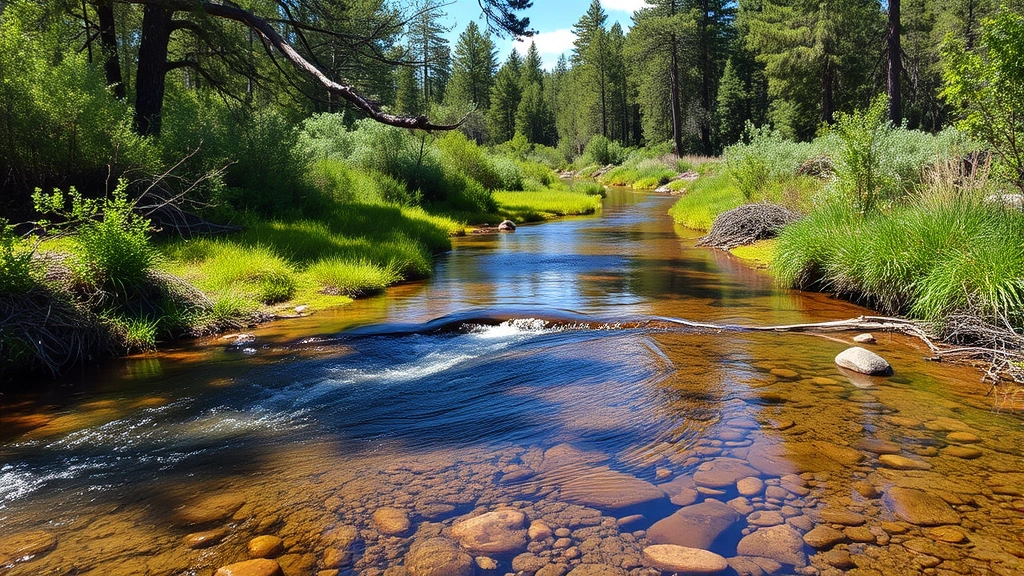
Water purification by natural systems—forests filtering rainwater, wetlands removing pollutants, aquifer geology straining contaminants—provides services worth hundreds of billions annually. When ecosystems degrade and purification capacity declines, industries and municipalities must invest in technological alternatives: water treatment plants, filtration systems, and remediation infrastructure. Economic analysis consistently demonstrates that ecosystem preservation costs far less than technological replacement while providing additional co-benefits through habitat provision and carbon storage.
The New York City water system illustrates this principle concretely. The city depends on Catskill Mountain ecosystem services for water purification. When ecosystem degradation threatened water quality, the city faced two options: invest $6-8 billion in technological treatment infrastructure, or invest $1-2 billion in watershed ecosystem restoration. The economic choice was obvious; the city chose ecosystem restoration, which proved vastly more cost-effective while providing additional environmental benefits.
Industrial production increasingly faces water constraints. Thermal power plants require enormous cooling water volumes; semiconductor manufacturing demands ultrapure water; agricultural processing depends on reliable water supply. As ecosystem-regulated water availability declines and water prices rise, industrial productivity faces pressure. Some industries are already relocating to water-rich regions or investing in water recycling technologies. This represents an economic cost of ecosystem degradation: reduced industrial competitiveness in water-stressed regions, economic relocation, and productivity losses.
Hydroelectric power generation depends entirely on watershed ecosystem health. Deforestation and degradation reduce water flows, decreasing power generation capacity. Sediment from eroded slopes fills reservoirs, reducing storage capacity. The economic consequence: declining renewable energy generation, increased dependence on fossil fuels, and rising energy costs. Yet hydroelectric economics rarely accounts for watershed ecosystem maintenance, leading to chronic underinvestment in the natural infrastructure that sustains power generation.
Disease Regulation and Public Health Economics
Ecosystem degradation creates conditions for infectious disease emergence and spread, generating enormous public health and economic costs. The relationship between ecosystem health and disease dynamics represents a critical yet underappreciated dimension of ecological-economic interdependence.
Zoonotic disease emergence—the spillover of pathogens from animals to humans—correlates directly with ecosystem degradation and biodiversity loss. Habitat fragmentation forces wildlife into closer contact with human populations and livestock, facilitating pathogen transmission. Monoculture agriculture creates ideal conditions for pest and disease proliferation. Climate change shifts species ranges and creates conditions favoring disease vectors. The economic result: recurring pandemic threats and enormous public health costs.
COVID-19 illustrates this dynamic. The pandemic cost the global economy an estimated $28 trillion in lost GDP, health care expenses, and mortality. The disease originated through wildlife-human contact in ecosystems degraded by agricultural expansion and habitat loss. Economic analysis suggests that investing in ecosystem protection and pandemic prevention infrastructure would cost a tiny fraction of pandemic damages—yet remains chronically underfunded as nations discount future pandemic risk.
Malaria, dengue, and other vector-borne diseases respond directly to ecosystem conditions. Wetland drainage eliminates mosquito habitat, reducing disease transmission. Forest protection maintains predator populations that control disease vectors. Yet these ecosystem services remain economically invisible, leading to underinvestment in ecosystem-based disease prevention relative to costly medical treatment and control programs.
The economic burden of infectious disease includes direct medical costs, lost productivity, mortality costs, and economic disruption. These expenses dwarf ecosystem restoration investments. Economic rationality suggests massive investment in ecosystem protection as disease prevention infrastructure. Yet public health budgets remain disconnected from ecosystem management, and ecosystem protection receives inadequate funding, creating a systematic underinvestment in the most cost-effective disease prevention available.
Economic Transition to Ecological Regeneration
Recognizing ecosystem-economy interdependence necessitates fundamental economic transformation: moving from extractive models that treat nature as infinite and free, toward regenerative models that recognize natural capital as finite and essential. This transition requires both conceptual shifts and practical policy changes.
Natural capital accounting represents one critical framework. Rather than measuring economic progress solely through GDP—which ignores resource depletion and environmental degradation—integrated accounting systems track natural capital stocks and flows. Nations like Botswana and Costa Rica have pioneered natural capital accounting, revealing that conventional GDP growth often masks natural capital decline. When ecosystems degrade faster than economies grow, measured progress masks actual economic deterioration. Proper accounting reveals which development pathways genuinely enhance prosperity versus which merely transfer wealth from future generations to present consumption.
Payment for ecosystem services (PES) programs attempt to internalize ecosystem service values into market prices. By compensating landowners for maintaining forests, wetlands, or grasslands that provide water purification, carbon sequestration, or pollinator habitat, PES programs align economic incentives with ecosystem conservation. Programs ranging from forest carbon payments to agricultural conservation subsidies demonstrate that relatively modest payments—often less than alternative land uses generate—suffice to motivate ecosystem protection when properly designed.
Carbon pricing mechanisms recognize climate regulation as an ecosystem service deserving compensation. Carbon taxes or cap-and-trade systems assign prices to atmospheric carbon, theoretically internalizing climate externalities into economic decisions. While imperfectly implemented, carbon pricing demonstrates the principle that ecosystem services merit economic valuation and that pricing mechanisms can redirect economic incentives toward conservation.
Regenerative agriculture represents an economic model that aligns farming with ecosystem function. Rather than treating agriculture as extraction from nature, regenerative approaches build soil health, enhance biodiversity, and strengthen water cycles while maintaining or increasing productivity. Initial transition costs exceed conventional agriculture, but long-term economics favor regeneration as soil fertility builds, input costs decline, and climate resilience increases. Scaling regenerative agriculture requires policy support—carbon payment programs, conservation subsidies, research investment—to overcome short-term economic disadvantages during transition periods.
Renewable energy transition represents another critical economic shift. Fossil fuel combustion degrades ecosystems through climate change, air pollution, and resource extraction impacts. Renewable energy systems depend on healthy ecosystems for material supply and environmental stability. Economic transition toward renewables requires recognizing the true costs of fossil fuels—including ecosystem degradation and climate damages—versus renewable energy costs. When ecosystem costs are properly accounted, renewable energy proves economically superior despite higher upfront capital costs.
Circular economy models minimize resource extraction and waste, reducing ecosystem degradation while maintaining economic activity. Rather than linear models (extract-produce-discard), circular approaches maintain material stocks through reuse, remanufacturing, and recycling. Economic analysis demonstrates that circular approaches enhance long-term prosperity by maintaining resource availability and reducing waste management costs, while reducing ecosystem damage from extraction and pollution.
International frameworks increasingly recognize ecosystem-economy linkages. The World Bank‘s natural capital accounting initiative, UNEP‘s ecosystem services valuation programs, and emerging ecological economics research provide frameworks for integrating ecosystem considerations into economic policy. The Convention on Biological Diversity‘s post-2020 agenda includes economic incentive reform and biodiversity financing mechanisms. These frameworks acknowledge that achieving sustainable prosperity requires economic systems that recognize and respect ecological limits.
The transition to regenerative economics faces substantial political obstacles. Industries profiting from ecosystem degradation resist change. Short-term economic incentives favor extraction over conservation. Institutional inertia maintains extractive practices despite evidence of superior long-term outcomes. Yet economic logic increasingly favors transition: ecosystem restoration generates superior long-term returns, reduces systemic economic risk, and enhances resilience to environmental shocks. As climate impacts intensify and resource constraints tighten, economic pressure toward regeneration will likely increase regardless of policy support.
FAQ
What are the primary ecosystem services that generate economic value?
Ecosystem services generating measurable economic value include pollination ($15-20 billion annually), water purification (hundreds of billions), carbon sequestration (trillions when accounting for climate damages prevented), pest control (billions in agricultural damage prevented), fisheries productivity ($150 billion), and disease regulation (pandemic prevention value in trillions). Additionally, cultural services including recreation, spiritual value, and aesthetic benefits generate substantial economic returns through tourism and property value enhancement.
How much economic value does biodiversity loss represent?
Global natural capital losses from biodiversity decline and ecosystem degradation exceed $20 trillion annually according to UNEP estimates. This includes agricultural productivity loss from pollinator decline and soil degradation, fisheries collapse, reduced water availability, increased disease risk, and climate damages. The figure dwarfs global GDP growth, indicating that economic expansion often masks underlying natural capital decline.
Can ecosystem services be replaced with technology?
While some ecosystem services can be partially replicated technologically—water treatment plants can substitute for natural water purification, pesticides can replace natural pest control—technological replacements invariably cost more than ecosystem preservation while providing fewer co-benefits. Additionally, technological systems require continuous energy and maintenance inputs, whereas healthy ecosystems self-regenerate. Economic analysis consistently demonstrates ecosystem preservation as more cost-effective than technological substitution.
How does ecosystem degradation create economic risk?
Ecosystem degradation creates economic risk through multiple pathways: reduced agricultural productivity, water scarcity threatening industrial production, increased disease risk, climate instability disrupting supply chains, and loss of genetic resources limiting adaptive capacity. These risks are increasingly recognized by financial institutions and investors as material economic threats. Insurance costs rise, borrowing costs increase, and asset valuations decline in ecosystem-degraded regions.
What policies effectively align economic incentives with ecosystem conservation?
Effective policies include natural capital accounting (revealing true economic costs of degradation), payment for ecosystem services (compensating ecosystem protection), carbon pricing (internalizing climate costs), conservation subsidies (supporting regenerative practices), and circular economy regulations (minimizing resource extraction). Additionally, ecosystem impact assessments for major projects, removal of subsidies supporting degradation, and investment in regenerative agriculture demonstrate policy effectiveness in realigning economic incentives toward conservation.
How does the keyword about hantavirus relate to ecosystem economics?
While hantavirus persistence in environments relates to disease ecology rather than directly to ecosystem economics, the broader principle connects: ecosystem degradation creates conditions for zoonotic disease emergence. Habitat fragmentation and biodiversity loss increase wildlife-human contact, facilitating pathogen spillover. The economic costs of pandemic response and disease management dwarf ecosystem restoration investments, making ecosystem protection a cost-effective disease prevention strategy. Understanding disease persistence in environmental contexts underscores why ecosystem health represents critical public health and economic infrastructure.
Conclusion: Ecosystems and economies exist in inseparable interdependence. Natural capital provides the foundation for all economic activity through services—pollination, water purification, climate regulation, pest control, disease suppression—that generate trillions in annual value. Yet conventional economics treats these services as externalities, pricing them at zero despite their indispensability. This systematic undervaluation creates perverse incentives favoring ecosystem degradation over conservation, generating short-term extraction profits while imposing catastrophic long-term economic costs.
Transitioning toward sustainable prosperity requires fundamental economic transformation: proper valuation of natural capital, payment mechanisms for ecosystem services, and policy frameworks aligning economic incentives with ecological regeneration. This transition faces political obstacles from industries profiting from degradation, yet economic logic increasingly favors change. As climate impacts intensify, resource constraints tighten, and ecosystem collapse accelerates, economic pressure toward regeneration will mount. The choice facing economies globally is not whether to transition toward ecological regeneration, but whether to do so proactively through policy and investment, or reactively through ecosystem collapse and economic crisis. Economic analysis unambiguously demonstrates that proactive transition offers vastly superior outcomes.


