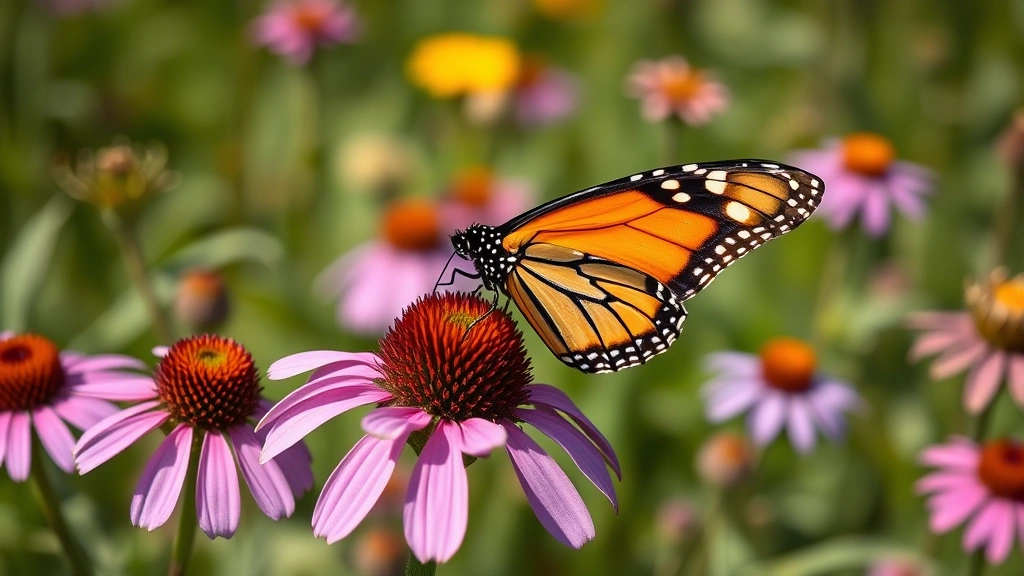
Environment’s Role in Butterfly Survival: A Study
Butterflies represent one of nature’s most delicate yet economically significant pollinators, with their survival intricately tied to environmental conditions. As key indicators of ecosystem health, these lepidopterans depend on a complex web of environmental factors that span from plant diversity to climate stability. Understanding how the environment sustains butterfly populations reveals broader insights into ecosystem services, biodiversity economics, and the interconnected nature of natural systems.
The relationship between butterflies and their environment extends beyond simple survival mechanics—it encompasses pollination services worth billions globally, nutrient cycling, and food web dynamics that support countless other species. When environmental conditions deteriorate, butterfly populations collapse, signaling deeper ecological imbalances that threaten human food security and economic stability. This comprehensive examination explores the multifaceted environmental factors that enable butterfly survival and the economic implications of their decline.
Plant Diversity and Host Plants: The Foundation of Survival
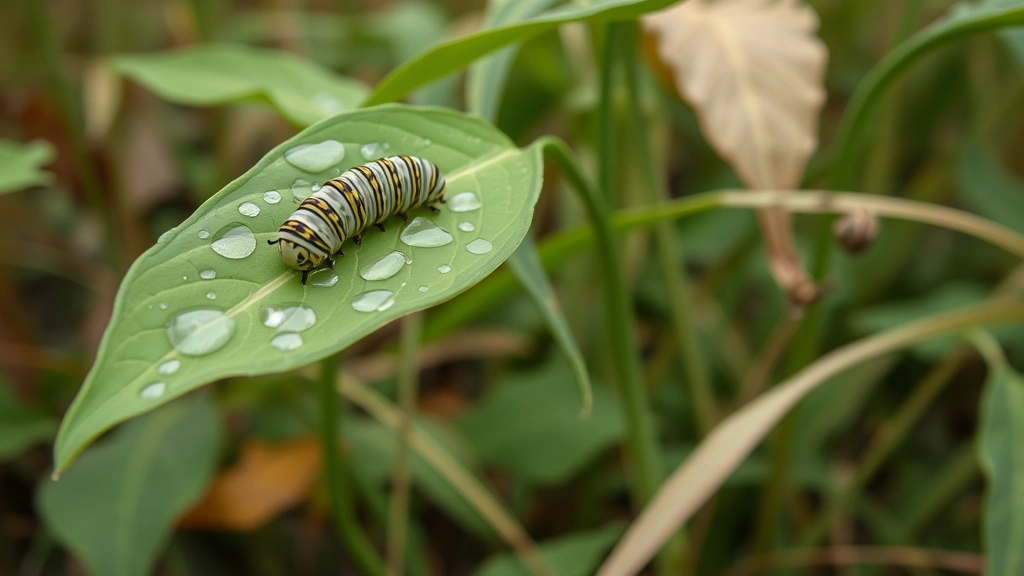
The survival of butterfly populations fundamentally depends on the availability and diversity of host plants, which serve as food sources for caterpillars during their larval stage. Each butterfly species exhibits specificity toward particular plant species, with some monarchs exclusively feeding on milkweed varieties while swallowtails prefer citrus and parsley plants. This specialized relationship means that environmental degradation affecting host plant populations directly threatens butterfly survival at the larval stage, where 90% of a butterfly’s development occurs.
Environmental conditions that support robust plant diversity create cascading benefits for butterflies. When landscapes maintain native plant communities through natural succession or active restoration, butterfly populations flourish because caterpillars access nutritionally complete food sources. The economic value of this relationship becomes apparent when considering that butterflies pollinate approximately 75% of global flowering plants and one-third of human food crops. A study by the World Bank estimated that pollination services provided by insects like butterflies generate between $9.5 and $577 billion annually in crop value.
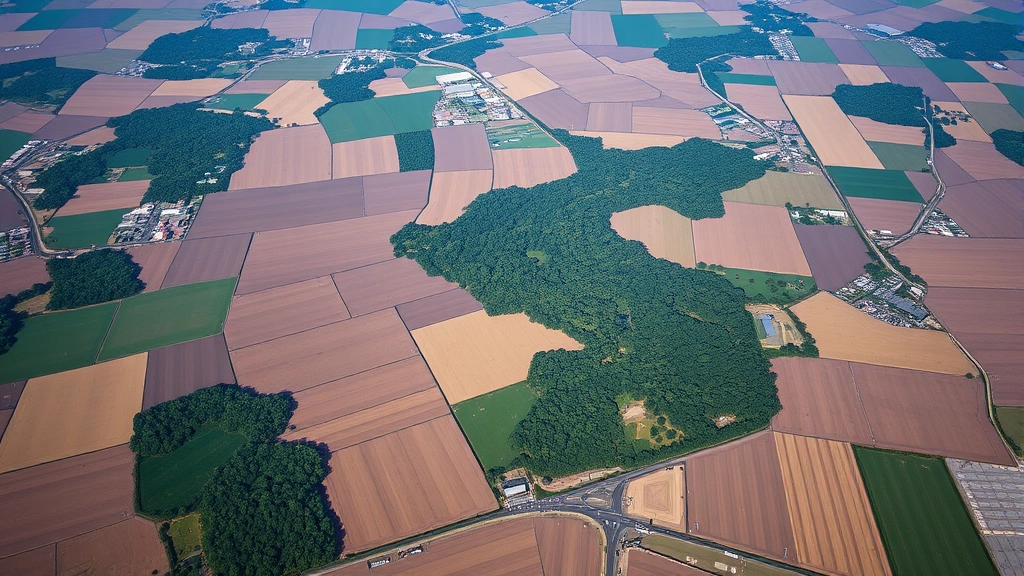
Host plant availability also determines butterfly distribution patterns and population density. In regions where monoculture agriculture has replaced diverse native vegetation, butterfly species richness drops precipitously. The environmental conversion of meadows and prairies into uniform crop fields eliminates the botanical diversity that supports multiple butterfly species. Understanding the definition of environment and environmental science requires recognizing these plant-insect relationships as fundamental environmental processes rather than isolated ecological curiosities.
Adult butterflies also require specific flowering plants for nectar, their primary energy source. Environmental conditions that maintain blooming periods throughout seasonal cycles ensure consistent food availability. Native plant communities typically provide staggered flowering times, supporting butterfly populations across entire growing seasons. When invasive species replace native plants, this temporal diversity diminishes, creating nutritional bottlenecks that weaken butterfly populations.
Climate and Temperature Regulation
Temperature profoundly influences butterfly survival through multiple physiological pathways, from metabolic rates to reproductive timing. As ectothermic organisms, butterflies cannot generate internal body heat, making them entirely dependent on environmental temperature conditions. Optimal temperature ranges vary by species, but most butterflies thrive between 65-85°F (18-29°C), with performance declining sharply outside these parameters. Climate variability and long-term warming trends create environmental stress that disrupts butterfly life cycles and geographic distributions.
Environmental temperature fluctuations affect butterfly development rates during all life stages. Warmer conditions accelerate metamorphosis from egg to adult, potentially creating temporal mismatches between butterfly emergence and host plant availability. Conversely, unseasonable cold snaps can kill vulnerable pupae and emerging adults. These climate-driven timing shifts represent a critical survival challenge in rapidly warming environments, where spring arrives progressively earlier while butterfly development cycles may not adjust synchronously.
Humidity levels, another climate-related environmental factor, directly influence butterfly survival and activity patterns. Most butterflies require specific humidity ranges to maintain proper wing function and prevent desiccation. Dry environmental conditions stress butterfly physiology, reducing flight capability and reproductive success. Environmental humidity also affects host plant water content, influencing caterpillar nutrition and development. The interconnection between climate stability and butterfly survival underscores why reducing carbon footprint initiatives matter for long-term ecosystem preservation.
Climate change introduces novel environmental stressors that exceed butterfly evolutionary adaptation capacity. Extreme weather events—intense droughts, flooding, and unseasonal frosts—create population bottlenecks that reduce genetic diversity and survival resilience. Research from ecological economics journals demonstrates that climate-induced butterfly population declines cascade through food webs, affecting bird populations, flowering plant reproduction, and ultimately agricultural productivity.
Water Resources and Habitat Connectivity
Water availability represents a critical environmental resource for butterfly survival across multiple life stages. While butterflies obtain some moisture from nectar and host plants, many species require direct access to water sources for proper hydration and mineral absorption. Puddling behavior—where butterflies gather at wet soil, mud, or sand—allows them to extract essential salts and nutrients unavailable from plant sources alone. Environmental degradation that eliminates water sources, particularly seasonal wetlands and streams, restricts butterfly populations to isolated habitat fragments.
Habitat fragmentation, driven by environmental land-use changes, represents one of the most significant threats to butterfly survival. When development converts continuous natural areas into disconnected patches, butterflies cannot migrate between populations to access diverse host plants or mates. Environmental connectivity—maintained through corridors of native vegetation linking habitat patches—enables gene flow and population resilience. Studies demonstrate that butterfly populations in fragmented landscapes show reduced genetic diversity and increased extinction risk.
The environmental quality of water resources affects butterfly survival indirectly through plant health. Polluted water reduces the vigor of plants that butterflies depend upon, while agricultural runoff introduces pesticides that poison both caterpillars and adult butterflies. Environmental contamination of water sources represents a major driver of butterfly population decline in agricultural regions. The broader challenge of how littering affects the environment extends to aquatic systems that support butterfly habitat.
Seasonal water availability patterns determine butterfly breeding cycles and migration timing. Environmental drought conditions can completely eliminate breeding habitat for species dependent on temporary wetlands. Climate change intensifies water stress through altered precipitation patterns, creating environmental conditions where butterfly survival depends increasingly on human-managed water resources and habitat restoration efforts.
Soil Quality and Nutrient Cycling
Soil represents a foundational environmental component supporting butterfly survival through its role in plant production and nutrient cycling. Healthy soils with diverse microbial communities support robust host plant growth, ensuring caterpillars access nutritionally complete food sources. Environmental soil degradation—through erosion, compaction, or chemical contamination—reduces host plant productivity and nutritional quality, directly impacting butterfly development rates and adult fitness.
Nutrient cycling in soils determines the mineral and chemical composition of host plants that caterpillars consume. Nitrogen, phosphorus, potassium, and trace elements absorbed by plants through soil ultimately become incorporated into butterfly tissues. Environmental soil conditions that support balanced nutrient availability produce host plants with optimal nutritional profiles for caterpillar development. Conversely, degraded soils produce nutritionally deficient plants that compromise butterfly growth and reproduction.
Microbial communities in soil create environmental conditions affecting butterfly survival through multiple mechanisms. Soil fungi form symbiotic relationships with plants, enhancing nutrient uptake and disease resistance. Bacteria decompose organic matter, releasing nutrients available to plants. Environmental soil disturbance that eliminates these microbial communities reduces plant health and host plant suitability for butterflies. Sustainable agriculture practices that maintain soil biology create more favorable environmental conditions for butterfly populations than conventional approaches.
Soil pH and chemical composition create environmental conditions that influence plant species composition and butterfly habitat quality. Acidic soils support different plant communities than alkaline soils, affecting which butterfly species can survive in particular regions. Environmental soil contamination with heavy metals or persistent organic pollutants accumulates in plants and bioaccumulates in butterfly tissues, reducing survival and reproduction rates even at low environmental exposure levels.
Predators, Parasites, and Natural Balance
The environmental presence of predators and parasites shapes butterfly survival through natural population regulation and evolutionary pressure. Spiders, birds, dragonflies, and insects prey on butterflies, creating environmental selection pressure that drives defensive adaptations like warning coloration and camouflage. Environmental conditions that support diverse predator communities maintain balanced butterfly populations and prevent ecological overshoot that would exhaust host plants.
Parasitic wasps and flies represent critical environmental factors influencing butterfly population dynamics. These parasitoids lay eggs in butterfly caterpillars or pupae, ultimately killing their hosts. Environmental conditions supporting parasitoid populations help regulate butterfly numbers, preventing host plant depletion. However, environmental changes that disproportionately affect parasitoids relative to butterflies can create outbreaks of butterfly herbivory that damage plant communities.
Disease organisms in the environment shape butterfly survival through infection and mortality. Fungal pathogens, viruses, and bacteria affect different butterfly life stages, with some causing catastrophic population declines under specific environmental conditions. Environmental humidity and temperature influence pathogen transmission rates, creating seasonal patterns of disease prevalence. Environmental stress from pesticide exposure or malnutrition increases butterfly susceptibility to environmental pathogens.
The environmental complexity of food webs determines butterfly survival through multiple trophic interactions. Butterflies occupy intermediate positions in food webs, serving as prey for numerous predators while consuming plants and nectar. Environmental perturbations that disrupt these food webs—through species introductions, pesticide application, or habitat loss—often have disproportionate effects on butterflies due to their specialized ecological roles and narrow environmental tolerances.
Human-Induced Environmental Changes
Anthropogenic environmental modifications represent the primary threat to butterfly survival in the contemporary era. Agricultural intensification, urbanization, and industrial development have transformed landscapes in ways that eliminate critical environmental resources for butterflies. Pesticide application, particularly neonicotinoid insecticides, directly kills butterflies and reduces host plant availability by suppressing herbivorous insects that butterflies depend upon.
Environmental pollution from multiple sources compounds butterfly survival challenges. Air pollution reduces light penetration, affecting butterfly navigation and activity patterns. Water pollution contaminates aquatic resources and reduces plant health. Soil pollution from industrial activities and mining creates environmental dead zones where butterfly populations cannot persist. The cumulative environmental burden of multiple pollution sources creates conditions where butterfly survival depends on habitat restoration and pollution reduction.
Light pollution creates novel environmental challenges for butterfly survival, disrupting circadian rhythms and navigation systems evolved over millions of years. Artificial lighting attracts butterflies away from suitable habitat, disorients migration, and increases predation risk. Environmental light pollution also affects host plants through altered flowering times and reduced seed production, creating cascading effects on butterfly populations.
Climate change accelerates environmental changes beyond butterfly adaptive capacity, creating conditions where historical survival strategies fail. Range shifts, phenological mismatches, and extreme weather events create environmental stress that reduces population resilience. The economic implications extend beyond butterfly conservation to encompass agricultural productivity, ecosystem service provision, and food security for human populations dependent on pollinator-dependent crops.
Conservation Economics and Policy Solutions
The economic value of butterfly ecosystem services—primarily pollination—provides economic justification for conservation investment. Research from the United Nations Environment Programme estimates that pollinator-dependent crops represent approximately 35% of global food production by volume. Butterfly population declines threaten this productive capacity, with potential economic losses exceeding hundreds of billions annually if pollinator services collapse.
Conservation economics demonstrates that protecting butterfly habitat generates positive economic returns through maintained ecosystem services. Creating wildlife corridors, restoring native plant communities, and reducing pesticide use cost far less than replacing lost pollination services through hand pollination or other technological substitutes. Economic analyses consistently show that environmental conservation represents economically rational investment rather than luxury spending.
Policy solutions supporting butterfly survival require integrating environmental protection with economic incentives. Agricultural subsidies favoring monoculture and pesticide use create environmental conditions hostile to butterflies, while economic incentives for habitat preservation and sustainable farming practices create favorable conditions. The transition toward renewable energy for homes and sustainable practices extends to agricultural land management that supports butterfly populations.
Urban environments present opportunities for butterfly conservation through environmental management of public and private spaces. Planting native species in parks, gardens, and street medians creates environmental oases supporting butterfly populations in developed landscapes. Cities adopting comprehensive environmental policies supporting pollinator habitat demonstrate measurable increases in butterfly populations and enhanced ecosystem service provision. These urban conservation efforts also provide economic benefits through improved food security, reduced air pollution, and enhanced mental health outcomes from nature contact.
International cooperation on environmental protection strengthens butterfly survival prospects through coordinated migration corridor protection and transboundary habitat management. Monarch butterfly migrations spanning North America require environmental protection across multiple countries, necessitating international environmental agreements and coordinated conservation investment. Economic analysis supporting monarch conservation documents that the species provides annual ecosystem services worth billions through agricultural pollination.
Climate change mitigation represents a critical component of butterfly survival strategy, requiring rapid environmental transition away from fossil fuels and toward renewable energy systems. Limiting global temperature increase preserves environmental conditions within ranges where butterflies evolved and adapted. The economic case for climate action strengthens when considering butterfly conservation alongside human interests in climate stability and food security.
FAQ
What environmental factors are most critical for butterfly survival?
Host plant diversity, suitable temperature and humidity ranges, water availability, and habitat connectivity represent the most critical environmental factors. These elements interact synergistically—loss of any single factor can trigger population decline even if others remain adequate. Environmental management must address all factors comprehensively for effective butterfly conservation.
How does pesticide use affect butterfly survival?
Pesticides directly kill butterflies through contact exposure and reduce butterfly survival indirectly by eliminating host plants and nectar sources. Neonicotinoid insecticides prove particularly harmful because they persist in environmental systems and accumulate in plants. Even sub-lethal pesticide exposure reduces butterfly reproductive success and immune function, creating environmental stress that compounds other survival challenges.
Can urban environments support butterfly populations?
Yes, urban environments can support thriving butterfly populations when deliberately designed with environmental considerations. Native plant gardens, reduced pesticide use, and habitat corridors connecting green spaces create favorable environmental conditions. Urban butterfly populations often exceed those in adjacent agricultural landscapes, demonstrating that environmental management matters more than landscape type.
How does climate change threaten butterfly survival?
Climate change disrupts the environmental synchronization between butterfly life cycles and host plant phenology, creates extreme weather events that kill vulnerable life stages, and shifts environmental conditions outside historical ranges where butterflies adapted. Range shifts create environmental barriers to migration, fragmenting populations and reducing genetic diversity. Cumulative climate effects create environmental conditions unprecedented in butterfly evolutionary history.
What can individuals do to support butterfly survival?
Planting native species in gardens, reducing pesticide use, creating water sources, and supporting habitat restoration initiatives directly improve environmental conditions for butterflies. Reducing personal carbon footprint through energy conservation and sustainable consumption contributes to climate change mitigation. Supporting policies and businesses prioritizing environmental protection strengthens butterfly survival prospects at landscape and global scales.


