
Ecosystem Services: Boosting Economy & Wellbeing
Ecosystem services represent the tangible and intangible benefits that human societies derive from natural systems. From clean water filtration to climate regulation, these services form the foundation of economic prosperity and human flourishing. Yet their economic value remains largely invisible in traditional accounting systems, leading to widespread underestimation of nature’s critical role in sustaining both economies and wellbeing.
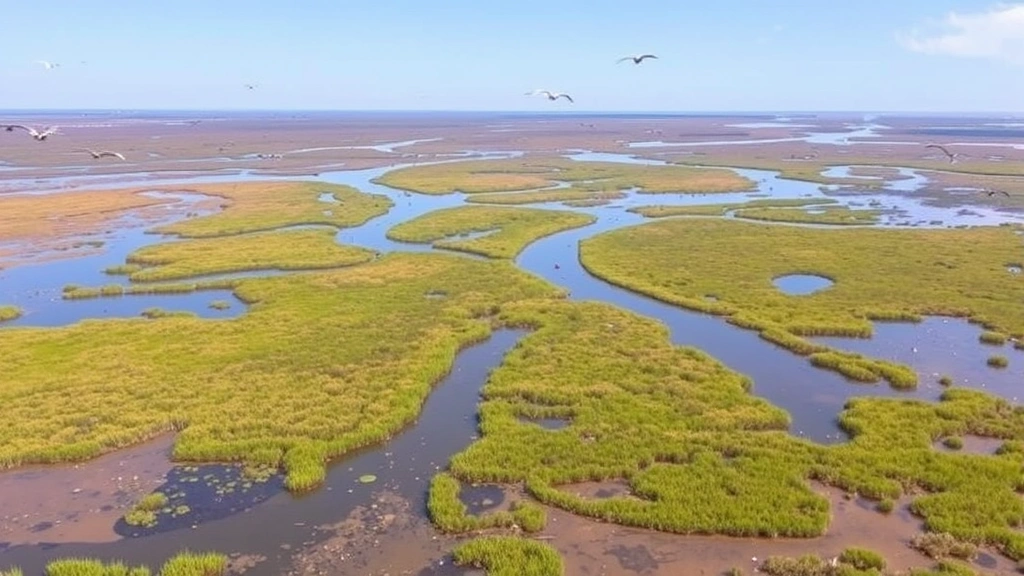
The intersection of ecological and economic systems reveals a fundamental truth: environmental degradation is not merely an ecological crisis but an economic one. When wetlands disappear, we lose not just habitat but also natural water purification systems worth billions. When forests are cleared, we sacrifice carbon storage capacity alongside timber. Understanding how ecosystem services support both human welfare and economic growth is essential for designing sustainable policies that protect natural capital while advancing genuine prosperity.
Understanding Ecosystem Services and Their Economic Value
Ecosystem services are the processes through which natural environments produce resources and maintain conditions for human survival. Conceptualized through frameworks developed by organizations like the United Nations Environment Programme, these services span four primary categories: provisioning, regulating, supporting, and cultural services. Each category contributes distinctly to both environmental stability and economic output.
The economic significance of ecosystem services cannot be overstated. A landmark study valued global ecosystem services at approximately $125 trillion annually—more than double the global gross domestic product. This staggering figure underscores how thoroughly human economies are embedded within natural systems. Yet conventional GDP measurements exclude these values, creating a dangerous blind spot in policy decisions.
When policymakers ignore ecosystem service valuation, they systematically underestimate the true costs of environmental degradation. A coastal development project might appear economically beneficial when only construction and immediate revenues are counted. But when mangrove destruction eliminates storm surge protection worth millions annually, eliminates fish nursery habitat, and reduces carbon sequestration capacity, the net economic benefit vanishes. This accounting failure represents one of the most consequential blind spots in modern economics.
The relationship between environmental damage and economic harm becomes increasingly apparent when ecosystem services are properly quantified. Nations that have begun incorporating natural capital accounting into their national accounting systems—such as Costa Rica and Bhutan—demonstrate how transparent ecosystem service valuation can guide more rational policy decisions.

Provisioning Services: Direct Resources for Human Needs
Provisioning services deliver tangible resources that humans extract directly from ecosystems. These include food production, freshwater provision, fiber and fuel extraction, and pharmaceutical compounds. Unlike regulating services that operate invisibly, provisioning services create immediate, measurable economic value.
Agricultural production depends fundamentally on ecosystem services including pollination, soil formation, and water cycling. Global crop pollination by wild animals generates estimated economic value exceeding $15 billion annually. Yet wild pollinator populations have declined by 75% in some regions, directly threatening food security and agricultural economics. The economic logic is straightforward: without pollinators, crop yields collapse regardless of farming technology sophistication.
Fisheries represent another critical provisioning service, providing primary protein sources for over 3 billion people and generating $150 billion in annual economic value. Yet overharvesting has collapsed numerous fisheries, demonstrating how short-term economic extraction destroys long-term provisioning capacity. Iceland’s transition to sustainable fisheries management illustrates how properly valuing fish stocks as renewable natural capital can sustain both ecological health and economic productivity.
Freshwater provision exemplifies how ecosystem services underpin fundamental economic activity. Forests regulate water cycles, wetlands filter contaminants, and aquifers store reserves. Yet water-stressed regions increasingly discover that ecosystem service degradation creates severe economic consequences. Agricultural productivity declines, industrial capacity shrinks, and public health crises emerge. The economic costs of water scarcity—estimated at $260 billion annually by 2050—dwarf the costs of protecting water-provisioning ecosystems.
Genetic resources and pharmaceutical compounds derived from natural systems represent provisioning services with enormous potential value. Approximately 25% of modern pharmaceuticals derive from rainforest plants, yet less than 1% of tropical plant species have been screened for medicinal properties. The economic value of undiscovered pharmaceutical compounds in biodiverse regions may exceed current estimates by orders of magnitude, representing a powerful economic argument for conservation.
Regulating Services: Nature’s Life-Support Systems
Regulating services maintain the stable environmental conditions upon which all economic activity depends. These include climate regulation, air quality maintenance, water purification, disease control, and flood mitigation. Unlike provisioning services, regulating services operate largely invisibly—until they fail catastrophically.
Climate regulation through carbon sequestration represents perhaps the most economically significant regulating service. Forests, wetlands, and ocean ecosystems absorb approximately 50% of anthropogenic carbon emissions, effectively subsidizing industrial economies by preventing atmospheric CO2 accumulation. The economic value of this service—if purchased through carbon pricing mechanisms—would exceed $1 trillion annually. Yet deforestation destroys this capacity while simultaneously releasing stored carbon, creating a compounding economic loss.
Air quality regulation by vegetation reduces respiratory disease, improves worker productivity, and decreases healthcare costs. Urban trees alone provide air purification services worth billions annually in major cities. Research demonstrates that each dollar invested in urban forest expansion generates $2-5 in health and productivity benefits. This economic return rivals most infrastructure investments, yet air quality regulation services receive minimal policy attention compared to their economic significance.
Water purification by natural systems eliminates the need for expensive artificial treatment infrastructure. Wetlands filter agricultural runoff, forests prevent erosion and sedimentation, and riparian buffers reduce nutrient loading in waterways. The cost of replacing these natural purification services with engineered systems is astronomical—New York City’s watershed protection program costs $1.5 billion, far less than the $6-8 billion required to build equivalent artificial treatment capacity. Yet countless municipalities continue destroying natural water purification systems while investing in expensive engineering solutions.
Flood mitigation services provided by wetlands, mangroves, and floodplain forests reduce property damage and save lives. Coastal mangroves protect against storm surge, reducing damage from hurricanes and typhoons by an estimated 15-35%. The economic value of this protection—approximately $81 billion annually—justifies comprehensive mangrove conservation from pure economic self-interest, independent of biodiversity arguments.
Supporting Services: The Foundation of All Life
Supporting services maintain conditions for all other ecosystem services and biological processes. These foundational services include nutrient cycling, soil formation, habitat provision, and photosynthesis. While less directly connected to human economic activity than provisioning or regulating services, supporting services represent the essential infrastructure underlying all economic systems.
Nutrient cycling—particularly nitrogen and phosphorus cycling—represents a supporting service with direct economic implications. Soil organisms and microbial communities cycle nutrients essential for agricultural productivity. Industrial agriculture’s reliance on synthetic fertilizer represents an attempt to replace natural nutrient cycling services. Yet this substitution is economically inefficient and environmentally destructive. The energy cost of producing synthetic nitrogen fertilizer consumes approximately 2% of global energy production, while ecological nutrient cycling provides equivalent services at zero energy cost.
Soil formation itself constitutes a critical supporting service with profound economic implications. Soil creation through weathering and organic matter accumulation occurs at geological timescales—typically 1 centimeter per century. Yet industrial agriculture loses topsoil at rates exceeding 24 billion tons annually. At current loss rates, global agricultural productivity will decline catastrophically within decades unless soil-formation ecosystem services are protected and restored. The economic value of soil preservation vastly exceeds the short-term profits from mining soil nutrients.
Habitat provision enables biodiversity maintenance, which itself provides economic insurance against environmental shocks. Genetically diverse crop varieties withstand climate variability better than monocultures. Diverse fish populations maintain productivity despite fluctuating ocean conditions. This biodiversity insurance function represents an economic service provided by intact ecosystems—protection against catastrophic failure that engineered systems cannot replicate.
Cultural Services: Non-Monetary Value and Wellbeing
Cultural ecosystem services provide non-material benefits including recreation, aesthetic value, spiritual significance, and educational opportunities. While harder to quantify economically than provisioning services, cultural services generate substantial economic value through tourism and contribute immeasurably to human wellbeing and quality of life.
Recreation and tourism services generate $1.3 trillion annually in global tourism revenue, with natural ecosystems providing the foundation for much of this economic activity. Coral reefs support $375 billion in annual tourism revenue, national parks generate billions in visitor spending, and wilderness areas attract eco-tourists seeking authentic natural experiences. The economic value of recreational ecosystem services often exceeds extractive uses—a living coral reef generates more economic value through tourism than through fishing, creating economic incentives for conservation.
Aesthetic and spiritual services contribute to psychological wellbeing and quality of life in ways that economic metrics struggle to capture. Yet research increasingly demonstrates quantifiable health benefits from nature contact. Green space access reduces stress-related illness, improves mental health outcomes, and increases worker productivity. Urban parks provide cultural services worth billions in health benefits annually, creating economic returns on conservation investment independent of recreational value.
Educational services provided by natural ecosystems cultivate environmental literacy and scientific understanding. Outdoor education improves cognitive development, increases STEM career interest, and enhances environmental citizenship. These benefits generate long-term economic value through improved workforce capacity and more informed democratic decision-making about environmental issues.
The relationship between ecosystem services and wellbeing extends beyond economic metrics to encompass human flourishing more broadly. Access to natural beauty, opportunities for outdoor recreation, and connection to living systems contribute to life satisfaction and psychological resilience. These wellbeing benefits represent genuine economic value—improving human welfare is the ultimate purpose of economic activity.
Economic Valuation Methods and Real-World Applications
Properly valuing ecosystem services requires sophisticated economic methodologies that capture both market and non-market values. Several approaches enable quantification of ecosystem service value, each with distinct advantages and limitations.
Market-price approaches value ecosystem services based on existing market transactions. Timber prices reflect forest provisioning services; agricultural land values incorporate soil and water services; real estate prices reflect proximity to parks and aesthetic amenities. While straightforward, market-price methods systematically undervalue services with no commercial market, such as air purification or climate regulation.
Replacement cost methods estimate the expense of replacing ecosystem services with engineered alternatives. If wetland water purification is replaced with artificial treatment facilities, the capital and operational costs of these facilities represent the economic value of the lost ecosystem service. This approach often reveals that ecosystem service protection is far more cost-effective than replacement engineering, creating powerful economic arguments for conservation.
Hedonic pricing methods use statistical analysis of real estate market data to quantify how ecosystem services affect property values. Research consistently demonstrates that proximity to forests, parks, and water features commands price premiums of 5-20%. These market signals reveal that property owners value ecosystem services substantially, yet this value remains invisible in conventional national accounting.
Travel cost and contingent valuation methods quantify non-market value by analyzing how much people spend traveling to natural areas or how much they would pay to preserve ecosystems. While subject to methodological criticism, these approaches reveal that people value ecosystem services far beyond direct commercial use—creating economic justification for conservation based on aggregate willingness-to-pay.
Real-world applications of ecosystem service valuation increasingly influence policy decisions. Costa Rica’s payment for ecosystem services program compensates landowners for forest conservation, generating both conservation outcomes and rural income. The program’s success—maintaining forest coverage while supporting rural livelihoods—demonstrates how properly valuing ecosystem services can align economic incentives with environmental protection. This approach represents a fundamental shift from viewing conservation as economically costly to recognizing it as economically beneficial.
The World Bank has increasingly incorporated natural capital accounting into development frameworks, recognizing that genuine economic development must maintain natural capital stocks alongside human and financial capital. Nations adopting natural capital accounting systems discover that GDP growth frequently masks natural capital depletion, creating illusory prosperity that proves unsustainable.
Challenges in Protecting Ecosystem Services
Despite growing recognition of ecosystem service value, numerous challenges impede their protection. These obstacles span economic, political, institutional, and behavioral domains.
The fundamental economic challenge stems from ecosystem services being public goods—benefits available to all without individual purchase. Markets systematically underprovide public goods, creating a structural economic bias toward ecosystem service degradation. A farmer benefits directly from clearing forest for agriculture, while forest’s carbon sequestration and water regulation benefits accrue to society broadly. Without mechanisms internalizing these external costs, rational individual economic decisions lead to collectively irrational ecosystem destruction.
Temporal misalignment between decision-making horizons and ecosystem service timescales creates perverse incentives. Logging generates immediate profits while forest loss’s long-term costs accrue over decades. Political leaders face pressure to generate short-term economic gains, creating systematic bias toward ecosystem service depletion. Overcoming this temporal bias requires institutional mechanisms that incorporate long-term ecosystem service values into contemporary decision-making.
Uncertainty about ecosystem service values complicates policy decisions. While global ecosystem service values are enormous, specific valuations for particular services in particular locations involve substantial uncertainty. This uncertainty is sometimes weaponized to justify inaction—arguing that since precise values cannot be determined, ecosystem protection is economically unjustified. Yet decision theory suggests that when facing decisions with uncertain but potentially catastrophic consequences, precautionary approaches are economically rational.
Distributional challenges emerge because ecosystem service benefits and degradation costs fall disproportionately on different populations. Wealthy nations benefit from developing nations’ ecosystem services—carbon sequestration, biodiversity preservation, watershed protection—while developing nations bear the opportunity costs of conservation. Without mechanisms ensuring that ecosystem service beneficiaries compensate those bearing conservation costs, international ecosystem service protection remains politically infeasible.
Institutional fragmentation impedes ecosystem service protection. Ecosystem services operate across spatial and temporal scales that frequently exceed institutional boundaries. Water regulation services span multiple jurisdictions; carbon sequestration benefits extend globally; soil formation occurs across generational timescales. Institutions designed for short-term, localized decision-making struggle to manage ecosystem services requiring long-term, landscape-scale coordination.
Policy Frameworks and Market-Based Solutions
Addressing ecosystem service degradation requires policy frameworks that internalize ecosystem service values into economic decision-making. Multiple approaches show promise for aligning economic incentives with environmental protection.
Payment for ecosystem services programs directly compensate landowners for maintaining ecosystem services. These programs have expanded globally, with approximately $42 billion in annual payments supporting conservation activities. By converting ecosystem services from externalities into purchased commodities, PES programs create economic incentives for protection. Costa Rica’s pioneering program demonstrates that PES can simultaneously support rural livelihoods and achieve conservation outcomes.
Carbon pricing mechanisms—whether through cap-and-trade systems or carbon taxes—internalize climate regulation service values into economic decisions. By assigning prices to carbon emissions, these mechanisms incentivize activities that preserve carbon-sequestering ecosystems while penalizing activities that destroy them. The European Union Emissions Trading System, despite imperfections, has influenced land-use decisions toward greater forest protection by making carbon sequestration economically valuable.
Natural capital accounting reforms national accounting systems to incorporate ecosystem service values alongside conventional GDP measures. Adjusted Net Savings calculations subtract resource depletion and environmental degradation from GDP, revealing whether economic growth reflects genuine welfare improvement or unsustainable natural capital mining. Nations adopting these accounting reforms frequently discover that apparent prosperity masks environmental destruction.
Protected area networks preserve ecosystems providing critical services while maintaining biodiversity. Yet protected areas remain underfunded globally—averaging only $10 billion annually despite managing ecosystem services worth trillions. Increasing protected area funding would generate enormous economic returns through ecosystem service protection, yet political constraints limit investment.
Restoration ecology investments rebuild degraded ecosystem services, generating long-term economic returns. Wetland restoration costs approximately $10,000 per hectare yet provides water purification, flood mitigation, and wildlife habitat services worth $100,000+ per hectare annually. The economic case for restoration is compelling; political and institutional barriers remain the primary obstacles.
Your efforts to reduce carbon footprint and explore renewable energy solutions directly support ecosystem service protection by reducing demand for ecosystem service degradation. Similarly, supporting sustainable fashion brands protects ecosystems from extractive industries. These individual actions aggregate into market signals that influence corporate and policy decisions.
International frameworks increasingly recognize ecosystem service protection as essential development strategy. The UN Environment Programme’s ecosystem protection initiatives promote natural capital accounting and PES programs globally. The Intergovernmental Platform on Biodiversity and Ecosystem Services provides scientific assessment of ecosystem service status and trends, informing policy decisions.
Research institutions continue developing more sophisticated ecosystem service valuation methodologies. Ecological economics journals publish cutting-edge research on natural capital assessment and ecosystem service economics, advancing scientific understanding of human-environment economic relationships. This research increasingly demonstrates that environmental protection and economic prosperity are complementary rather than conflicting goals.
Connecting Ecosystem Services to Human Wellbeing
The ultimate purpose of economic activity is enhancing human wellbeing. Ecosystem services contribute to wellbeing through multiple pathways: providing material resources, maintaining stable environmental conditions, and enabling cultural and spiritual flourishing. Economies that degrade ecosystem services are fundamentally self-defeating—sacrificing long-term wellbeing for short-term extraction.
Research on wellbeing increasingly incorporates measures beyond income, recognizing that genuine prosperity encompasses health, security, meaningful relationships, and connection to nature. Ecosystem services support wellbeing across all these dimensions—provisioning services ensure food and water security; regulating services maintain stable climate and air quality; supporting services preserve biodiversity providing insurance against environmental shocks; cultural services enable recreation and spiritual fulfillment.
The economic case for ecosystem service protection ultimately rests on recognizing that human economies are embedded within natural systems, dependent upon ecosystem services for survival and prosperity. When ecosystem services are properly valued and protected, economic growth becomes genuinely sustainable—generating material prosperity while maintaining the natural capital upon which future prosperity depends.
Visit the Ecorise Daily blog for additional insights on environmental economics and sustainability. Learn more about World Environment Day 2025 initiatives promoting ecosystem service protection globally.
FAQ
What are the four main types of ecosystem services?
Ecosystem services are categorized as provisioning services (food, water, fiber), regulating services (climate, water purification, flood control), supporting services (nutrient cycling, soil formation, habitat provision), and cultural services (recreation, aesthetic value, spiritual significance). Each category contributes distinctly to human welfare and economic productivity.
How much are global ecosystem services worth economically?
Global ecosystem services are valued at approximately $125 trillion annually—more than double global GDP. This figure reflects the enormous economic value of natural systems, though estimates involve substantial uncertainty. Even conservative valuations demonstrate that ecosystem service protection generates far greater economic returns than degradation.
Why are ecosystem services often undervalued in policy decisions?
Ecosystem services are often public goods with no direct market prices, making their value invisible in conventional economic accounting. Additionally, ecosystem service benefits frequently accrue over long timescales while degradation generates immediate profits, creating temporal misalignment with short-term political decision-making horizons. These institutional and economic factors systematically bias policy toward ecosystem degradation.
How can ecosystem service valuation influence policy?
Quantifying ecosystem service values reveals that environmental protection is frequently more economically rational than degradation. When water purification costs less through ecosystem protection than artificial treatment, water policy should favor conservation. When carbon sequestration generates economic value through carbon pricing, forest protection becomes economically attractive. Proper valuation aligns economic incentives with environmental protection.
What are payment for ecosystem services programs?
PES programs directly compensate landowners for maintaining ecosystem services. Governments or private organizations pay landowners to preserve forests, maintain wetlands, or protect water sources—converting ecosystem services from externalities into purchased commodities. Costa Rica’s pioneering program demonstrates that PES can simultaneously achieve conservation outcomes and support rural livelihoods.
How do ecosystem services contribute to human wellbeing?
Ecosystem services support wellbeing through multiple pathways: providing material resources (food, water, fiber), maintaining stable environmental conditions (climate regulation, clean air and water), preserving biodiversity providing resilience against environmental shocks, and enabling cultural flourishing (recreation, aesthetic experiences, spiritual connection). Genuine prosperity requires maintaining ecosystem services alongside economic growth.


