
Is Economic Growth Harming Ecosystems? Study Insights
The relationship between economic growth and ecosystem health represents one of the most pressing paradoxes of our time. For decades, policymakers have pursued gross domestic product (GDP) expansion as the primary measure of societal progress, yet mounting scientific evidence suggests this growth-at-all-costs model fundamentally undermines the natural systems upon which all economic activity depends. Recent comprehensive studies from leading research institutions reveal a troubling pattern: as economies expand, biodiversity contracts, carbon emissions accelerate, and ecosystem services deteriorate at accelerating rates.
This article examines the complex interplay between economic development and ecological degradation, synthesizing findings from peer-reviewed research, international environmental assessments, and economic analyses. We explore whether the current growth paradigm is inherently destructive, what alternatives exist, and how businesses and governments can pursue prosperity without sacrificing planetary health. The evidence suggests not merely correlation but causation—and that transformative change in our economic models is both necessary and feasible.
The Growth-Ecology Paradox: Understanding the Disconnect
Economic growth, traditionally measured as increases in GDP, represents the expansion of market transactions and production output. However, this metric fundamentally fails to account for natural capital depletion, ecosystem service degradation, or the true costs of production externalized onto environmental systems. When a forest is clearcut for agricultural expansion, GDP increases through timber sales and crop production, yet the balance sheet never records the loss of carbon sequestration, biodiversity, soil stability, or water filtration that forest provided.
The World Bank’s environmental economics division has documented how this accounting failure creates perverse incentives. Nations pursuing aggressive GDP growth strategies often experience simultaneous increases in pollution, resource depletion, and ecosystem collapse. Consider that while global GDP has grown approximately 300% since 1970, wild animal populations have declined by an average of 68%, and we’ve lost roughly half of global forest cover in the same period.
This paradox emerges from fundamental economic assumptions about resource availability and environmental resilience. Classical and neoclassical economic theory largely treat nature as an infinite resource pool with unlimited capacity to absorb waste. Ecological economics, by contrast, recognizes the biosphere as a finite system with planetary boundaries and regenerative limits. When economic activity exceeds these boundaries—as it demonstrably has for carbon, nitrogen cycling, and biodiversity—continued growth becomes mathematically incompatible with ecosystem stability.
Quantifying Ecosystem Damage from Economic Expansion
Recent research quantifies the ecological costs of contemporary economic growth with alarming precision. A landmark 2023 study in Nature Sustainability found that every 1% increase in global GDP correlates with material extraction increases of 0.4-0.7%, and waste generation increases of 0.5-0.9%. This means economic expansion inherently drives resource depletion and pollution acceleration, regardless of efficiency improvements.
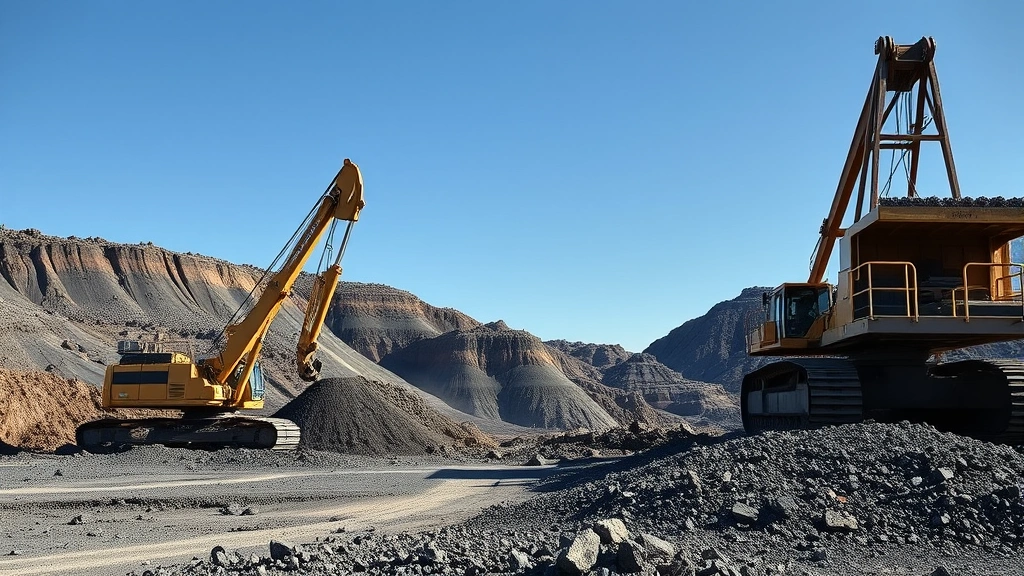
The mechanisms are straightforward: economic growth requires increased consumption of raw materials. Mining operations, agricultural expansion, fishing intensity, and forestry all intensify as markets expand and demand rises. Each extraction activity fragments habitats, introduces chemical pollutants, destabilizes soil structures, and disrupts hydrological cycles. The United Nations Environment Programme estimates that ecosystem service losses from land-use change alone cost the global economy $4.7 trillion annually—a figure that grows as expansion continues.
Particularly instructive is the relationship between economic growth and species extinction rates. Scientists estimate current extinction rates at 100-1,000 times background levels, with habitat destruction from economic activities responsible for approximately 80% of this acceleration. When forests become plantations, wetlands become developments, and prairies become pastures, the species dependent on these ecosystems face immediate population collapse.
Water systems demonstrate this principle vividly. Economic growth in agriculture, manufacturing, and energy production drives unsustainable groundwater extraction. The Ogallala Aquifer, which supplies irrigation for 27% of U.S. agricultural land, has declined by over 30% in just 60 years due to growth-driven agricultural intensification. Similar patterns occur across India’s Indo-Gangetic aquifers, the Middle East’s fossil aquifers, and countless regional systems worldwide. This depletion represents ecological bankruptcy masked by continued economic accounting gains.
Resource Extraction and Biodiversity Loss
The expansion of resource extraction industries represents perhaps the most direct mechanism linking economic growth to ecosystem destruction. Mining, logging, and fishing operations expand precisely because growth-oriented economies demand increasing material flows. Global mineral extraction has increased from 9 billion tons annually in 1970 to over 100 billion tons today, directly correlating with GDP expansion across all major economies.
Tropical rainforests exemplify this dynamic. Between 1990 and 2020, approximately 420 million hectares of forest were lost globally, with economic growth in cattle ranching, soy cultivation, and logging driving 80% of Amazon deforestation. Each hectare destroyed represents not merely timber value but irreplaceable biodiversity. The Amazon alone contains roughly 10% of Earth’s species; its conversion to pasture and cropland represents an ongoing extinction cascade that economic metrics never capture.
Marine ecosystems face parallel pressures. Industrial fishing fleets, economically incentivized to maximize catches, have depleted 90% of large predatory fish populations since 1950. Bycatch and habitat destruction from bottom trawling destroy seafloor ecosystems that took centuries to develop. While fishing industry GDP contributions appear positive in economic accounts, the depletion of marine biodiversity and the collapse of fish stocks—which will ultimately undermine fishing industry viability—never enter the calculation until crisis arrives.
To understand the true costs, consider implementing strategies like how to reduce carbon footprint at individual and institutional levels, which can help offset some extraction pressures. Additionally, supporting sustainable fashion brands reduces demand for resource-intensive production systems.
Carbon Emissions and Climate Feedback Loops
Perhaps the most consequential ecosystem damage from economic growth manifests through climate disruption. Global carbon emissions have increased roughly 50% since 1990, directly tracking GDP expansion across developed and developing economies. The relationship remains stubbornly linear: despite renewable energy growth and efficiency improvements, absolute emissions continue rising because economic growth outpaces decarbonization rates.
This creates catastrophic feedback mechanisms. Economic growth drives fossil fuel combustion, which increases atmospheric CO₂, which accelerates climate disruption, which damages agricultural systems, fisheries, and natural ecosystems that economic models depend upon. Rising temperatures trigger permafrost thaw, releasing methane that amplifies warming. Ocean acidification from CO₂ absorption disrupts marine food webs. Changing precipitation patterns destabilize water supplies for billions. These cascading effects will ultimately constrain economic activity far more severely than deliberately reducing growth would.
The carbon budget remaining to limit warming to 1.5°C—the threshold beyond which climate impacts become catastrophic—has been calculated by the Intergovernmental Panel on Climate Change at approximately 400 gigatons of CO₂. At current emission rates from growth-driven economies, this budget exhausts within 8-10 years. Continuing business-as-usual economic growth guarantees climate outcomes incompatible with contemporary civilization. This represents perhaps the starkest evidence that growth and ecosystem stability are fundamentally incompatible under current economic structures.
Decoupling Growth from Environmental Impact
Some economists and policymakers propose that environmental damage can be decoupled from economic growth through efficiency improvements, renewable energy transitions, and circular economy practices. The theory suggests that growth can continue while environmental impact decreases. Examining this hypothesis against empirical evidence reveals a troubling reality: relative decoupling (reducing environmental impact per unit of GDP) has been achieved in some sectors, but absolute decoupling (reducing total environmental impact while growing GDP) remains largely theoretical.
Renewable energy deployment illustrates this pattern. While solar and wind capacity have grown dramatically, total energy consumption has also expanded, meaning renewable energy supplements rather than replaces fossil fuels. Global coal consumption reached record highs in 2023 despite renewable capacity increases. Similarly, recycling programs have expanded, yet total waste generation continues accelerating. Efficiency improvements in manufacturing have reduced per-unit impacts, yet production volumes have grown faster, increasing absolute environmental damage.
The rebound effect explains this pattern: efficiency improvements reduce costs, which increases consumption, which negates environmental benefits. A more efficient car encourages additional driving. More efficient lighting increases total electricity use. More efficient agriculture enables greater land exploitation. Without addressing growth itself, efficiency becomes a mechanism for accelerating environmental destruction rather than preventing it.
Genuine progress requires moving beyond relative decoupling toward absolute reductions in material throughput and energy consumption. This necessarily constrains economic growth as conventionally measured, requiring fundamental shifts in how we conceptualize prosperity and success.
Alternative Economic Models
Recognizing growth’s incompatibility with ecosystem stability has catalyzed development of alternative economic frameworks prioritizing ecological stability and genuine wellbeing over GDP expansion. These models offer pathways toward prosperity within planetary boundaries.
Steady-State Economics proposes maintaining economic scale within ecological limits while allowing qualitative improvement and redistribution. Rather than expanding material throughput indefinitely, steady-state models emphasize optimizing wellbeing, equity, and ecosystem health within stable resource flows. This requires establishing caps on resource extraction and pollution, then allowing markets to allocate these limited resources efficiently.
Degrowth Economics argues that wealthy economies must deliberately reduce material and energy consumption to create space for developing economies to meet basic needs while respecting planetary boundaries. This isn’t recession or collapse but planned transition toward lower-impact prosperity through reduced working hours, universal basic services, and reorientation toward non-material wellbeing sources.
Doughnut Economics, developed by Kate Raworth, proposes an economic model meeting human needs (the inner ring) while respecting planetary boundaries (the outer ring). Economic activity should aim for this “sweet spot” rather than infinite growth, recognizing that both deprivation and excessive consumption represent failure states.
Circular Economy Models emphasize closing material loops through design, reuse, and regeneration rather than linear extraction-production-disposal. While insufficient alone without growth constraints, circular approaches can dramatically reduce environmental impact when combined with reduced material throughput.
These frameworks share recognition that ecosystem health represents a prerequisite for any viable economy, not an externality to be managed after growth maximization. They require fundamentally different policy priorities: carbon pricing, resource caps, progressive taxation, work-time reduction, and investment in non-material wellbeing sources like community, culture, and nature access.
Corporate and Policy Responses
Forward-thinking corporations and governments increasingly recognize that ecosystem collapse represents an existential business and governance risk. This recognition is driving policy innovations and corporate strategies, though typically insufficient to address the scale of required change.
Natural Capital Accounting represents an important methodological shift. Rather than treating ecosystems as free resources, natural capital accounting assigns economic value to ecosystem services, enabling more accurate cost-benefit analysis of development projects. When forest carbon sequestration, water filtration, and biodiversity value are included, many growth-oriented projects become economically irrational. Several nations including New Zealand and Costa Rica have begun incorporating natural capital into official accounting systems.
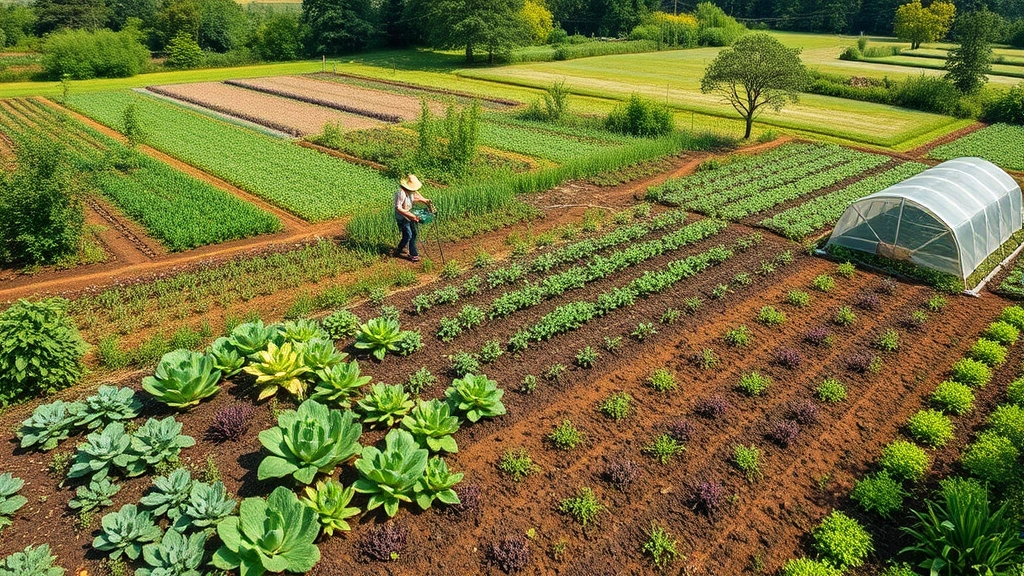
Regenerative Business Models go beyond sustainability (minimizing harm) toward regeneration (actively improving ecosystem health). Companies implementing regenerative agriculture, forest restoration, and ecosystem restoration create value while restoring natural systems. These approaches demonstrate that business success and ecosystem health can align when growth obsession is abandoned.
Policy Mechanisms for constraining growth-related environmental damage include carbon pricing, extraction taxes, pollution limits, and biodiversity protections. The UNEP Emissions Gap Report indicates that achieving climate targets requires policies far more stringent than currently implemented, effectively capping growth in high-emission economies.
Individual choices matter within this systemic context. Reducing consumption through strategies like how to recycle plastic bottles and adopting renewable energy for homes collectively reduce demand pressures. Similarly, effective ways to save energy at home and benefits of eating organic food represent consumption pattern shifts that reduce ecosystem pressure.
However, individual action alone cannot address systemic issues requiring policy and corporate transformation. The most impactful responses involve advocating for policy change, supporting regenerative businesses, and shifting cultural narratives around prosperity and success away from consumption-based metrics toward wellbeing-based measures.
IMAGE_2
IMAGE_3
Frequently Asked Questions
Does all economic growth harm ecosystems?
Economic growth as conventionally measured—increasing GDP through expanded material production and consumption—inherently increases resource extraction and waste generation. However, qualitative improvements in efficiency, technology, and services can improve wellbeing without proportional ecosystem impact. The challenge lies in decoupling wellbeing improvements from material throughput expansion, which requires fundamentally restructuring economic incentives away from growth maximization toward wellbeing optimization.
Can renewable energy solve the growth-ecology problem?
Renewable energy is necessary but insufficient. While transitioning to clean energy reduces some environmental impacts, renewable infrastructure requires material extraction, manufacturing, and land use. More critically, renewable energy enables continued growth and consumption expansion, which drives ecosystem destruction through land use change, resource extraction, and pollution from non-energy sectors. Renewable energy combined with absolute reductions in material consumption represents a viable pathway; renewable energy enabling continued growth does not.
What about technological innovation solving environmental problems?
Technology plays an important role in reducing environmental impact per unit of economic output. However, technological improvements consistently fail to achieve absolute decoupling—they reduce relative impact while absolute environmental damage continues accelerating. This reflects fundamental economic dynamics where efficiency gains reduce costs, stimulate consumption, and ultimately increase total impact. Technology is necessary but must be paired with deliberate reduction in material throughput.
How can developing economies meet needs without growth?
This represents a genuine equity challenge. Developing economies require increased material throughput to meet basic needs—food security, housing, healthcare, education. However, wealthy economies must simultaneously reduce consumption to create ecological space. The solution involves wealthy nations deliberately reducing material throughput while supporting developing economies’ transition to sustainable prosperity, combined with technology transfer and financial support. This requires wealthy nations to redefine success beyond growth, accepting lower material consumption while maintaining or improving wellbeing through enhanced services, community, and cultural investment.
Is economic degrowth politically feasible?
Deliberate degrowth faces significant political obstacles from growth-dependent financial systems, corporate interests, and cultural attachment to consumption. However, involuntary degrowth from ecosystem collapse will be far more devastating. The question is not whether degrowth will occur but whether it will be planned and equitable or chaotic and catastrophic. Growing recognition of climate and biodiversity crisis, combined with wellbeing research demonstrating that consumption beyond sufficiency doesn’t increase happiness, creates political space for transition toward deliberately designed lower-impact prosperity.


