Can Green Homes Boost Local Economies? Study Insights
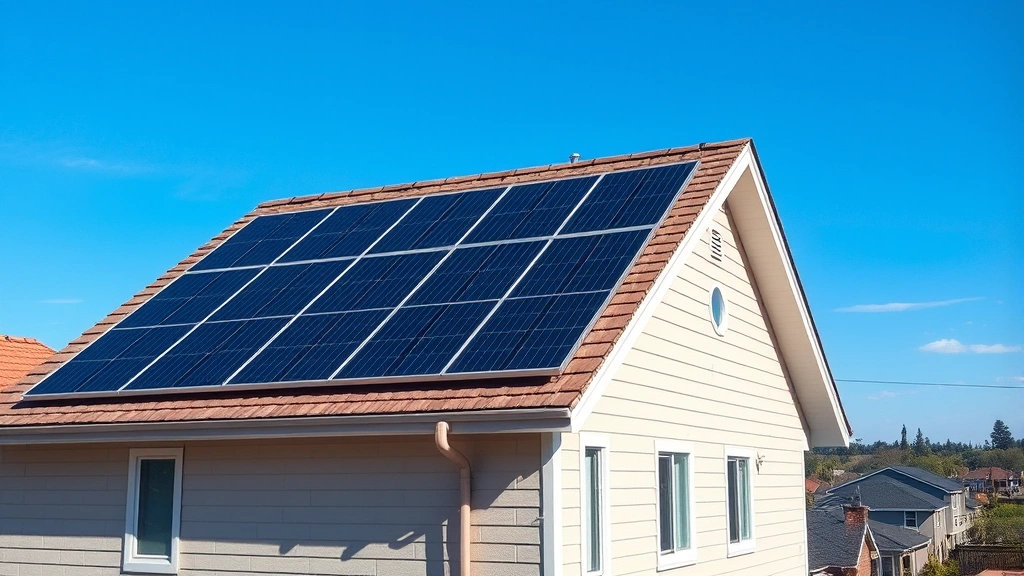
The intersection of residential sustainability and economic development represents one of the most compelling opportunities for communities seeking to balance environmental stewardship with prosperity. Recent economic analyses demonstrate that green building practices fundamentally reshape how environments function within urban and suburban contexts, creating cascading benefits that extend far beyond individual households. When homeowners invest in energy-efficient upgrades, renewable energy systems, and sustainable materials, they trigger a complex chain of economic activities that stimulate local employment, increase property values, and generate tax revenues that fund community infrastructure.
The phenomenon of green homes driving local economic growth challenges the conventional wisdom that environmental responsibility requires economic sacrifice. Instead, research from leading economic institutions reveals that sustainable residential development creates a multiplier effect—each dollar spent on green home improvements generates additional economic activity throughout supply chains, construction sectors, and service industries. This article examines the empirical evidence, mechanisms, and real-world implications of how green homes function as economic engines for their communities.
The Economic Multiplier Effect of Green Home Investments
Economic multiplier theory provides the foundational framework for understanding how green home investments amplify throughout local economies. When a homeowner spends $50,000 on solar panel installation, energy-efficient HVAC systems, and insulation upgrades, that capital doesn’t simply vanish after the initial transaction. Instead, it circulates through the local economy multiple times as contractors purchase materials from suppliers, workers spend wages at local businesses, and companies reinvest profits in expansion and hiring.
According to research from the World Bank’s sustainable development initiatives, green building investments typically generate multipliers between 1.5 and 2.5, meaning each dollar invested generates between $1.50 and $2.50 in total economic activity. This multiplier effect significantly exceeds that of many other residential investments because green home improvements are inherently labor-intensive and require locally-sourced materials and services. Unlike purchasing imported consumer goods, green home retrofits keep economic value circulating within regional economies.
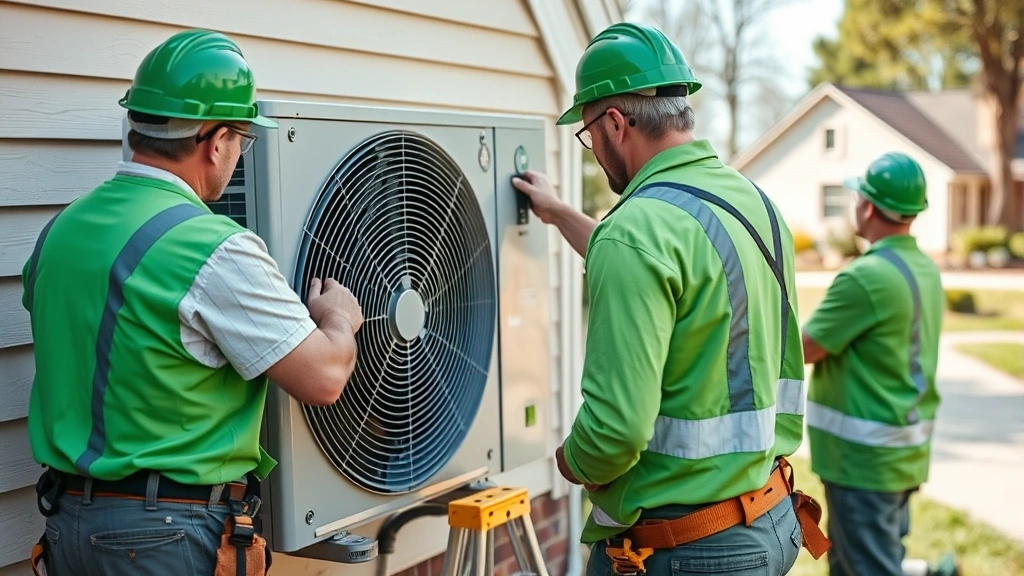
The timing of economic stimulus matters considerably. Green home investments create immediate demand for skilled labor, materials procurement, and professional services. This contrasts with some environmental initiatives that require years to generate returns. A homeowner installing a heat pump system creates jobs within weeks, not years. This rapid economic activation makes green housing particularly valuable during economic downturns, when communities need immediate employment opportunities and business activity stimulation.
The multiplier effect strengthens when green home adoption reaches critical mass within communities. As neighborhoods transition toward sustainable housing, local supply chains mature, specialized contractors establish operations, and supporting industries develop. A community with 100 green homes may lack sufficient local expertise to service them efficiently, requiring expensive outside contractors. A community with 10,000 green homes develops a robust ecosystem of local specialists, reducing costs and increasing economic retention.
Employment Creation Across Construction and Green Industries
Green home development generates employment across multiple skill levels and sectors, from entry-level positions to highly specialized technical roles. The United Nations Environment Programme’s green jobs initiative documents that renewable energy installation, energy auditing, sustainable materials supply, and green building certification have become among the fastest-growing employment sectors in developed economies.
Construction and renovation work represents the most direct employment impact. Installing solar systems, upgrading insulation, replacing windows, and retrofitting HVAC systems require skilled tradespeople—electricians, plumbers, carpenters, and HVAC technicians. Unlike automation-prone manufacturing, these services cannot be outsourced or mechanized away. A single home renovation project might employ five to fifteen workers across different trades over several weeks or months. In communities with thousands of homes undergoing green upgrades simultaneously, employment impacts become substantial.
Beyond construction trades, green homes create demand for specialized professional services. Energy auditors assess current performance and identify improvement opportunities. Engineers design custom renewable energy systems. Architects plan sustainable renovations. Green building certification specialists verify compliance with standards like LEED or Passive House. These professional services typically command higher wages than construction labor, creating well-compensated employment opportunities.
The supply chain generates additional employment in manufacturing, distribution, and retail sectors. Energy-efficient windows, heat pumps, insulation materials, solar components, and other green building products require production facilities, warehouses, and retail operations. Communities that develop local manufacturing capacity for green building materials multiply employment benefits. Some regions have established manufacturing hubs for renewable energy components, creating hundreds of high-wage jobs.
Green home adoption also stimulates growth in complementary service industries. Property management companies develop expertise in maintaining green buildings. Insurance companies create specialized products for sustainable homes. Financing institutions develop green mortgage programs. These secondary industries expand employment opportunities beyond the core construction sector, creating economic resilience through diversification.
Property Values and Tax Revenue Generation
Green homes command measurable property value premiums in most real estate markets, translating environmental benefits into tangible financial gains for homeowners and increased tax revenues for municipalities. Research from ecological economics journals consistently demonstrates that homes with energy-efficient features, renewable energy systems, and sustainable certifications sell for 3-10% more than comparable conventional homes, depending on market conditions and local energy costs.
The property value premium reflects rational economic calculation by homebuyers. Green homes offer lower operating costs through reduced energy consumption, improved indoor air quality that supports resident health, and resilience against climate impacts. Buyers willingly pay premiums for these benefits, effectively capitalizing future utility savings into current purchase prices. In markets with high electricity costs or strong environmental values, premiums can reach 15-20% for highly certified sustainable homes.
Higher property values generate increased property tax revenues without requiring tax rate increases. A community where green homes appreciate faster than conventional homes sees its total tax base grow, funding schools, infrastructure, and municipal services. This revenue growth occurs passively—it requires no new taxation, merely assessment of higher property values. Over decades, this compounding effect funds substantial community improvements.
Tax incentive programs accelerate green home adoption by reducing upfront costs. Many municipalities offer property tax abatements, sales tax exemptions on green building materials, or rebates for specific improvements like solar installation or heat pump upgrades. While these incentives reduce immediate tax revenue, they stimulate economic activity that generates taxes across broader bases. A $5,000 solar rebate might trigger $50,000 in economic activity, generating far more tax revenue than the initial incentive cost.
Financing mechanisms also enhance economic benefits. Green mortgages and energy-efficient mortgages allow borrowers to qualify for larger loans based on projected utility savings, expanding the pool of homeowners who can afford green upgrades. Banks and lenders benefit from lower default rates on green homes, as reduced operating costs improve borrower financial stability. This creates positive feedback loops where lenders actively promote green home financing.
Local Supply Chain Development and Business Growth
As green home adoption increases, communities develop increasingly sophisticated supply chains that retain more economic value locally. Early-stage green home markets often rely on distant specialists and imported materials, limiting local economic capture. Mature green markets develop local suppliers, installers, manufacturers, and service providers that keep economic benefits circulating regionally.
Building material suppliers expand their product lines to include sustainable options—recycled content insulation, low-VOC paints, sustainably harvested lumber, and certified green products. Suppliers who develop expertise in green materials attract customers beyond their immediate regions, creating export opportunities and bringing external money into local economies. Some communities have become regional hubs for specific green building products, establishing competitive advantages and brand recognition.
Small and medium-sized enterprises thrive in green home markets. A typical solar installation company might employ 10-50 workers, generating local employment and economic activity. These companies typically source materials from regional distributors, support local supply chains, and reinvest profits in community expansion. Unlike large corporations that extract capital to distant headquarters, local green businesses maintain economic benefits within their communities.
Related industries develop around green housing clusters. Property inspection services specialized in green home assessment, insurance companies offering green building products, and financing institutions creating green mortgage programs all establish operations in communities with strong green housing demand. These complementary businesses create ecosystem effects where each industry supports others, strengthening regional economic resilience.
Communities that proactively support green supply chain development through workforce training, business incubation, and infrastructure investment capture outsized economic benefits. Programs that train workers in renewable energy installation, provide small business loans for green contractors, or develop industrial parks for green manufacturing create competitive advantages and attract entrepreneurs seeking communities with established green ecosystems.
Health and Productivity Benefits to Household Economies
Green homes generate economic benefits beyond property values and employment through improved resident health and productivity. Understanding human-environment interactions reveals how indoor environmental quality directly impacts physical and mental wellbeing, with measurable economic consequences.
Energy-efficient homes maintain more stable indoor temperatures, reducing thermal stress and associated health problems. Superior insulation and ventilation systems improve indoor air quality by reducing pollutants, allergens, and moisture problems that trigger respiratory issues and allergies. These health improvements reduce medical expenses, sick days from work, and productivity losses. Studies suggest that improved indoor environmental quality increases worker productivity by 2-5%, with economic value far exceeding the cost of green building improvements.
Natural lighting and views of nature—features common in well-designed green homes—reduce stress and improve mental health. Research in environmental psychology demonstrates that access to daylight and natural views decreases depression and anxiety while improving cognitive function. For households with working-age members, these productivity gains translate into higher earnings and economic output.
Improved indoor air quality particularly benefits households with children. Reduced respiratory problems mean fewer school absences, supporting children’s educational development and family productivity. Parents miss fewer work days caring for sick children. Over a child’s lifetime, these health benefits compound into substantial economic advantages and improved human capital development.
Thermal comfort in green homes reduces sleep disruption and associated cognitive impairment. Consistent indoor temperatures and reduced noise from efficient HVAC systems improve sleep quality, with documented impacts on daytime cognitive performance and productivity. For households where multiple members work, these cumulative productivity gains generate measurable economic value.
Challenges and Barriers to Green Home Adoption
Despite compelling economic evidence, green home adoption faces substantial barriers that limit local economic benefits. Understanding these obstacles is essential for policymakers seeking to maximize economic impacts from sustainable housing.
Upfront cost represents the most significant barrier for most households. While green homes generate long-term savings, initial capital requirements often exceed conventional construction by 5-15%. Many households lack capital reserves for large investments, regardless of long-term returns. Renewable energy systems for homes require substantial initial investment despite rapid payback periods, creating financing challenges for middle and lower-income households.
Information asymmetries prevent optimal decision-making. Many homeowners lack knowledge about available green technologies, their costs, performance characteristics, and economic returns. This knowledge gap particularly affects lower-income and less-educated households, exacerbating inequality in green home access. Communities that invest in consumer education programs and transparent information systems improve adoption rates and distribute economic benefits more equitably.
Financing barriers disproportionately affect disadvantaged communities. Traditional lenders often require substantial down payments and excellent credit for green home loans, excluding households that could benefit most from reduced energy costs. Community development financial institutions and specialized green lenders address these gaps, but their limited capital constrains scaling. Expanding access to green financing through government programs and institutional support would accelerate adoption and economic benefits in underserved communities.
Split incentive problems arise in rental properties where landlords bear improvement costs while tenants receive utility savings benefits. This misalignment of incentives reduces green retrofitting in rental housing, which represents 35-40% of housing stock in many countries. Policy solutions like green lease standards and utility cost pass-through mechanisms help overcome these barriers.
Workforce shortages limit green home installation capacity in many regions. Skilled trades face aging workforces and insufficient apprenticeship programs to develop new workers. Communities experiencing rapid green home adoption sometimes encounter contractor shortages that increase costs and limit economic benefits. Strategic workforce development programs help communities build sufficient green industry employment capacity to meet demand.
Case Studies of Successful Green Communities
Several communities have successfully leveraged green housing to generate substantial local economic benefits, providing models for other regions seeking to maximize economic impacts from sustainable development.
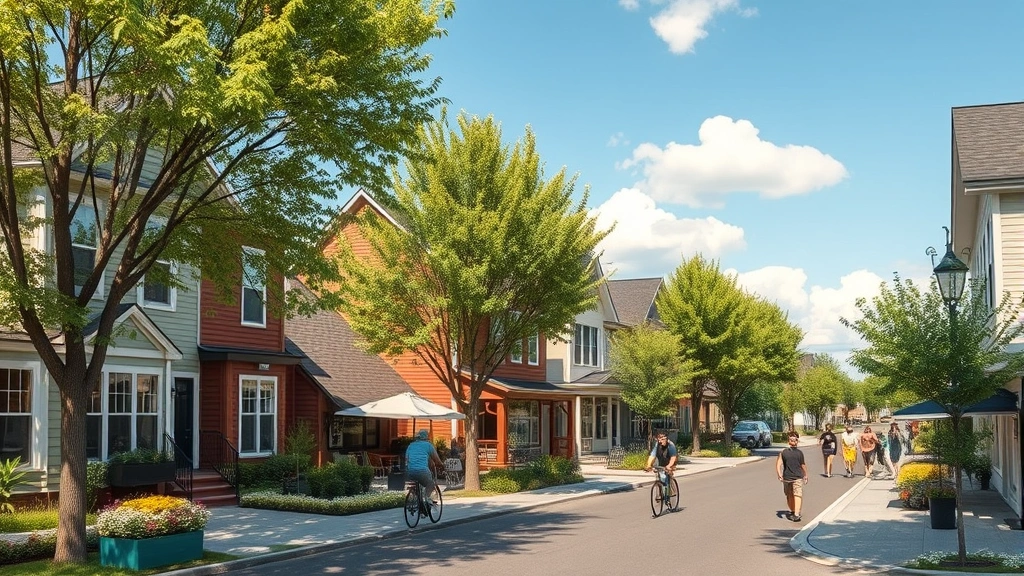
Freiburg, Germany has become a global leader in green residential development, with multiple neighborhoods designed around sustainability principles. The Vauban district, developed on a former military barracks, features energy-efficient homes, renewable energy systems, and car-free streets. The district’s success attracted green building companies, renewable energy manufacturers, and environmental businesses, establishing Freiburg as a green economy hub. Property values in sustainable neighborhoods command significant premiums, generating tax revenues that fund further sustainable development.
Boulder, Colorado implemented comprehensive green building standards requiring energy efficiency improvements in all residential properties. The program generated employment for energy auditors, retrofit contractors, and equipment suppliers while reducing household energy costs. Property values in Boulder appreciate faster than comparable Colorado communities, reflecting buyer demand for sustainable homes and strategies to reduce carbon footprint through residential improvements. The community developed a robust green building industry employing hundreds of local workers.
Copenhagen, Denmark has integrated green housing into urban regeneration strategies, transforming industrial waterfront areas into sustainable residential neighborhoods. These developments attract young professionals and families, stimulating retail, restaurant, and service industries. Green building requirements became standard practice, establishing Copenhagen as a sustainable development leader and attracting international investment in green technology companies and research institutions.
These successful communities share common characteristics: long-term commitment to green housing policies, substantial public investment in workforce development and infrastructure, support for local green business development, and integration of green housing with broader sustainability strategies. Communities that approach green housing as a comprehensive economic development strategy, rather than isolated environmental initiatives, capture the greatest economic benefits.
FAQ
What is the typical payback period for green home improvements?
Payback periods vary significantly based on improvement type, local energy costs, and financing terms. Energy-efficient windows typically pay back in 7-10 years, while solar systems average 5-8 years. Heat pumps usually achieve payback in 5-10 years. When accounting for increased property values and health benefits, effective payback periods often fall below 5 years. Federal and state incentives can reduce payback periods by 30-50%.
Do green homes actually increase property values?
Yes, extensive research confirms property value premiums for homes with green features. Studies consistently document 3-10% premiums for energy-efficient homes, with higher premiums in markets with strong environmental values or high energy costs. ENERGY STAR certified homes command particularly strong premiums. Renewable energy systems add measurable value, often exceeding installation costs. However, premiums vary by market and depend on buyer preferences and local energy economics.
How do green homes create local employment?
Green home improvements require skilled labor for installation and maintenance, creating direct employment for contractors, electricians, plumbers, and specialized technicians. Supply chain effects generate employment in materials manufacturing, distribution, and retail. Professional services like energy auditing, engineering, and certification create additional jobs. As green housing markets mature, specialized industries develop around maintenance, financing, and related services, multiplying employment opportunities.
What barriers prevent green home adoption?
Upfront costs represent the primary barrier, as green improvements require capital investment despite long-term savings. Information asymmetries prevent many households from understanding available options and economic returns. Financing barriers disproportionately affect lower-income households. Split incentive problems in rental housing reduce green retrofitting. Workforce shortages sometimes limit installation capacity. Policy solutions addressing these barriers through education, financing support, and workforce development accelerate adoption.
Can green housing reduce inequality?
Green housing can reduce inequality if policies specifically target lower-income communities, but current patterns often increase inequality. Higher property values can trigger gentrification, displacing existing residents. Lower-income households may lack capital for improvements despite greatest benefit from reduced energy costs. Equitable green housing requires deliberate policies: affordable green housing development, financing support for disadvantaged households, community land trusts preventing displacement, and workforce training ensuring lower-income residents access green industry jobs.
What role should governments play in promoting green homes?
Governments effectively promote green housing through building code standards requiring efficiency improvements, tax incentives reducing upfront costs, financing programs supporting affordable green mortgages, workforce development programs training green industry workers, and infrastructure investments supporting renewable energy and sustainable transportation. Coordinated policy approaches addressing multiple barriers simultaneously generate greater economic and environmental benefits than isolated initiatives.


