Is Green Economy Sustainable? Analyst Insights on Health, Safety, and Environmental Integration
The global transition toward a green economy represents one of the most significant economic restructuring efforts in modern history. Yet beneath the optimistic rhetoric of carbon neutrality targets and renewable energy expansion lies a critical question: can the green economy truly deliver sustainable outcomes across health, safety, and environmental dimensions simultaneously? Analyst perspectives reveal a complex landscape where ambitious climate goals intersect with worker welfare, ecosystem integrity, and socioeconomic equity.
Understanding whether the green economy is genuinely sustainable requires examining the interconnections between environmental restoration, occupational health standards, and community safety. The premise of green growth suggests we can decouple economic expansion from environmental degradation, but empirical evidence reveals significant trade-offs and implementation challenges that demand rigorous scrutiny from economists, ecologists, and public health professionals.
This comprehensive analysis explores the multifaceted dimensions of green economy sustainability, drawing on recent research, case studies, and expert insights to assess whether current transition pathways adequately address health and safety alongside environmental objectives.
Defining Green Economy and Its Core Promises
The green economy concept emerged prominently through UNEP’s 2011 Green Economy Report, which defined it as an economic system that results in improved human well-being and social equity while significantly reducing environmental risks and ecological scarcities. This definition explicitly incorporates health, safety, and environmental dimensions, yet implementation often prioritizes carbon reduction metrics over comprehensive sustainability assessment.
The central promise of green economy transition involves creating economic growth while reducing greenhouse gas emissions, pollution, and resource depletion. Proponents argue that investments in renewable energy, sustainable agriculture, circular economy models, and ecosystem restoration generate employment while addressing climate change. However, this narrative frequently overlooks the complex relationship between human environment interaction and occupational health outcomes.
According to World Bank research on green growth initiatives, countries implementing aggressive renewable energy programs report job creation in solar, wind, and battery manufacturing sectors. Yet these same studies document emerging occupational health hazards, supply chain vulnerabilities, and unequal distribution of transition benefits across demographic groups. The sustainability question thus becomes whether green growth can authentically integrate protective health and safety standards without compromising economic feasibility.

Health Implications of Green Transition
The health benefits of transitioning away from fossil fuel dependency are substantial and well-documented. Air quality improvements from reducing coal combustion and petroleum consumption prevent millions of premature deaths annually. A comprehensive analysis published in environmental economics journals demonstrates that phasing out coal power plants reduces respiratory diseases, cardiovascular conditions, and associated healthcare costs in surrounding communities by 15-40 percent within five years.
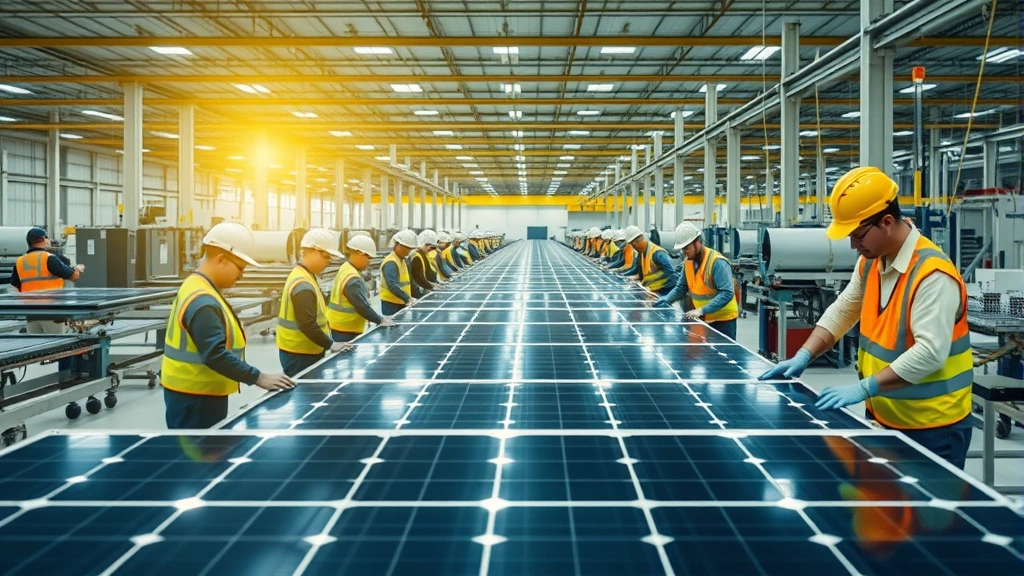
However, the green economy transition introduces new health considerations that deserve equivalent analytical attention. Manufacturing solar panels, lithium batteries, and wind turbines involves chemical processes, heavy metal exposure, and waste management challenges. Workers in these sectors face occupational health risks including chemical burns, respiratory exposure to particulate matter, and ergonomic injuries that current regulatory frameworks sometimes inadequately address.
The definition of environment science increasingly encompasses occupational environments as critical ecological and health systems. Green manufacturing facilities in developing nations frequently operate with minimal health and safety oversight, creating vulnerability patterns where workers absorb disproportionate health burdens from producing green technologies for wealthy nations. This dynamic raises fundamental questions about whether green economy sustainability is genuinely distributed or merely relocated.
Community health outcomes also reflect uneven transition benefits. Neighborhoods hosting renewable energy facilities, battery recycling centers, and mineral extraction sites for green technology components experience localized environmental degradation and health impacts including noise pollution, water contamination, and electromagnetic field exposure. Without robust environmental health impact assessments and community involvement in planning processes, green infrastructure projects can reproduce historical patterns of environmental injustice.
Occupational Safety in Renewable Energy Sectors
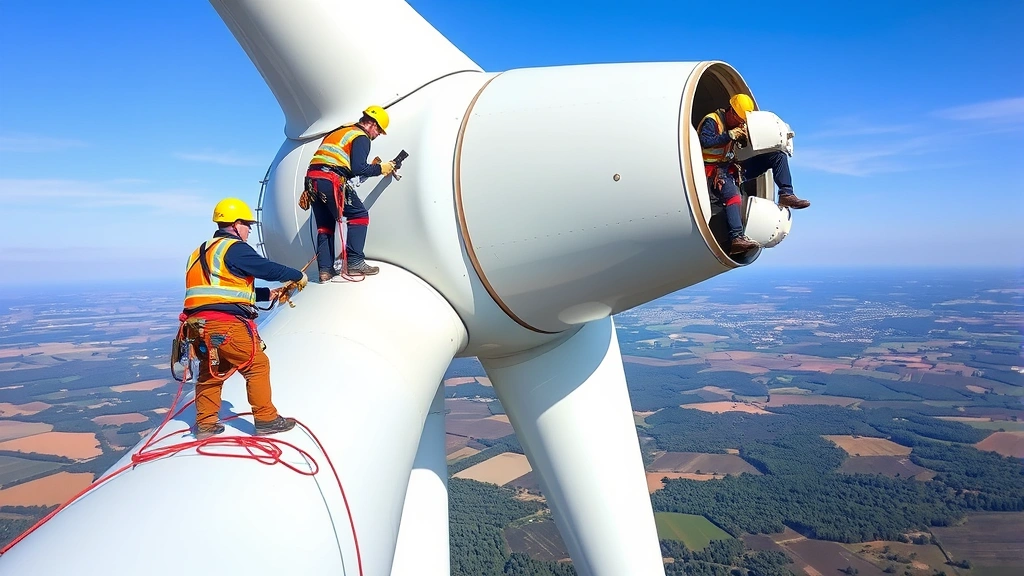
Renewable energy industries, while reducing fossil fuel extraction hazards, introduce distinct occupational safety challenges. Solar installation workers face fall risks, electrical hazards, and heat stress exposure. Wind turbine technicians work at extreme heights with complex mechanical systems. Battery manufacturing involves chemical hazards and thermal runaway risks. Mining for lithium, cobalt, and rare earth elements—essential for green technologies—replicates dangerous extraction practices that characterized fossil fuel industries.
Data from occupational safety agencies reveals that renewable energy workers experience injury rates comparable to or exceeding traditional energy sector workers in many jurisdictions. Fall-related injuries among solar installers represent a significant mortality concern, while wind technician fatalities occur at rates that exceed construction industry averages in several countries. These statistics suggest that transitioning employment from fossil fuels to renewables does not automatically improve worker safety outcomes.
The supply chain complexity of green technologies creates additional safety vulnerabilities. Lithium extraction in South America contaminates groundwater affecting indigenous communities and agricultural workers. Cobalt mining in Central Africa operates with minimal safety standards and exploitative labor practices. Rare earth element processing in Asia generates toxic waste and occupational exposure hazards. When analyzing green economy sustainability, these upstream occupational and environmental health costs must factor into comprehensive assessment frameworks.
Implementing effective occupational health standards in rapidly expanding renewable energy sectors requires simultaneous investment in worker training, safety equipment, regulatory enforcement, and health monitoring systems. Many developing nations expanding green energy capacity lack these institutional capacities, creating pathways where green transition generates employment but fails to protect worker health and safety adequately.
Environmental Justice and Community Safety
Environmental justice frameworks reveal persistent patterns where green economy benefits concentrate in wealthy regions while environmental and health burdens distribute toward marginalized communities. Large-scale renewable energy projects sometimes displace indigenous populations, disrupt agricultural livelihoods, and fragment ecosystems without adequate community consultation or benefit-sharing mechanisms. These dynamics contradict fundamental sustainability principles that emphasize equity and inclusive decision-making.
Community safety concerns extend beyond immediate project sites. Grid modernization and smart energy infrastructure require extensive land use changes, transmission line construction, and resource extraction. Communities hosting these facilities experience construction-phase disruptions, electromagnetic exposure concerns, and permanent landscape alterations. Without meaningful community participation in planning and implementation, green infrastructure projects can undermine local safety and environmental quality despite reducing global carbon emissions.
The relationship between green economy transition and how to reduce carbon footprint strategies reveals potential conflicts. Individual carbon reduction actions like purchasing electric vehicles depend on mining operations that create community health hazards elsewhere. Sustainable consumption patterns promoted through green economy frameworks sometimes involve supply chains that externalize environmental and occupational health costs to vulnerable populations in extractive regions.
Achieving genuine sustainability requires addressing these justice dimensions explicitly. This involves ensuring marginalized communities benefit from green transition investments, participate meaningfully in decision-making processes, and do not absorb disproportionate environmental health burdens. Without such integration, the green economy reproduces patterns of environmental racism and economic inequality while achieving aggregate carbon reduction metrics.
Economic Viability and Long-term Sustainability
Financial analysts increasingly recognize that green economy sustainability depends on genuine economic viability, not perpetual subsidies or externalized costs. Renewable energy costs have declined dramatically, making wind and solar competitive with fossil fuels in many markets. However, this competitiveness often depends on incomplete cost accounting that excludes occupational health expenditures, ecosystem restoration investments, and community compensation for environmental burdens.
The transition toward circular economy models and sustainable resource management requires upfront capital investments that may not generate immediate financial returns. Battery recycling infrastructure, regenerative agriculture systems, and ecosystem restoration projects involve long-term value creation that market mechanisms often fail to capture. Green economy sustainability thus depends on policy frameworks that recognize and reward environmental and health benefits not reflected in conventional market prices.
Research from ecological economics journals demonstrates that incorporating environmental health costs into economic analyses frequently increases green technology costs and extends return-on-investment timelines. When occupational health standards are adequately resourced, worker compensation reflects genuine risk exposure, and communities receive equitable benefit-sharing, green economy projects become less profitable by conventional metrics. This tension between financial returns and sustainability represents a fundamental challenge that current green growth frameworks inadequately address.
Long-term economic sustainability also requires ensuring that green transition does not create new economic vulnerabilities or dependencies. Over-reliance on renewable energy sources vulnerable to climate variability, concentration of green technology manufacturing in specific regions, and supply chain fragility around critical minerals create systemic economic risks. Sustainable green economy development requires diversified energy portfolios, distributed manufacturing capacity, and resilient supply chains that may sacrifice short-term efficiency for long-term stability.
Critical Gaps in Current Green Frameworks
Existing green economy frameworks contain significant analytical and implementation gaps that undermine comprehensive sustainability. Most green economy metrics emphasize carbon reduction and renewable energy deployment while inadequately measuring health outcomes, occupational safety, and environmental justice dimensions. This measurement bias creates incentive structures that prioritize carbon metrics over holistic sustainability assessment.
Policy frameworks governing green transition frequently lack integration across environmental, occupational health, and community safety regulations. Renewable energy development may proceed under environmental permitting processes that inadequately address occupational health standards or community health impacts. Occupational safety regulations may not incorporate emerging hazards specific to green technology manufacturing. Community safety and environmental justice considerations often remain peripheral to green economy planning rather than central organizing principles.
Investment mechanisms funding green transition disproportionately flow toward technologies and regions offering highest financial returns rather than greatest sustainability benefits. This creates pathways where green economy capital concentrates in wealthy nations and profitable sectors while underinvesting in occupational health protections, ecosystem restoration, and community-based sustainability initiatives in developing regions. Without deliberate policy intervention, market mechanisms drive green transition patterns that maximize aggregate carbon reduction while minimizing sustainability across health and environmental justice dimensions.
International coordination challenges also limit green economy sustainability. Nations competing for renewable energy manufacturing leadership sometimes relax occupational health standards or environmental regulations to attract investment. Global supply chains for green technologies involve multiple jurisdictions with varying labor protections and environmental standards, creating pathways where production shifts toward regions with weaker regulatory enforcement. Achieving genuine sustainability requires coordinated international frameworks that establish minimum health, safety, and environmental standards across all green economy supply chains.
Pathways Toward Truly Sustainable Integration
Developing green economy frameworks that genuinely integrate health, safety, and environmental sustainability requires fundamental restructuring of transition governance and measurement systems. First, comprehensive sustainability metrics must incorporate occupational health outcomes, community safety indicators, and environmental justice measures alongside carbon reduction targets. This involves establishing baseline health data, implementing health monitoring systems, and holding green economy investments accountable for health and safety performance.
Second, occupational health and safety standards must be embedded within green economy development from planning through implementation phases. This requires training renewable energy workers to internationally recognized standards, establishing mandatory health monitoring programs, and enforcing rigorous safety regulations across manufacturing, installation, and maintenance activities. Investment in occupational health infrastructure should be recognized as essential green economy cost rather than discretionary expense.
Third, environmental justice frameworks must guide green economy transition planning. This involves meaningful community consultation, equitable benefit-sharing mechanisms, and community veto authority over projects affecting local environments and health. Sustainable fashion brands demonstrate how supply chain transparency and ethical sourcing can operate at commercial scale, providing models for extending similar accountability to green technology manufacturing and deployment.
Fourth, supply chain governance must establish minimum health, safety, and environmental standards across all nations involved in green technology production. International frameworks should prevent regulatory arbitrage and ensure that occupational health protections and environmental standards do not degrade as production shifts between jurisdictions. This requires coordinated policy action that may constrain short-term profitability but enhances long-term sustainability.
Fifth, investment mechanisms must be restructured to prioritize sustainability outcomes over financial returns. This involves public investment in green economy initiatives, impact investment frameworks that measure health and environmental outcomes, and policy mechanisms that internalize externalized costs. Renewable energy for homes represents a distributed model that can reduce supply chain complexity and localize health and safety accountability.
Sixth, research and development investment must prioritize green technologies that minimize occupational health hazards and community environmental impacts. This involves designing manufacturing processes that reduce chemical exposure, developing battery technologies that eliminate toxic materials, and creating extraction methods that protect ecosystem integrity. Innovation directed toward health and safety integration represents essential investment in authentic green economy sustainability.
Finally, democratic governance structures must ensure that workers, communities, and marginalized populations participate meaningfully in green economy decision-making. Top-down transition policies imposed without community engagement frequently reproduce historical patterns of environmental injustice. Authentic sustainability requires governance frameworks that center affected communities as decision-makers rather than passive recipients of green economy benefits or burdens.
FAQ
Is renewable energy production genuinely safer than fossil fuel extraction?
Renewable energy production reduces many hazards associated with fossil fuel extraction, including mining accidents and oil spill risks. However, renewable energy manufacturing and installation introduce distinct occupational hazards including fall risks, electrical exposure, and chemical hazards. Comprehensive occupational safety data indicates that renewable energy workers experience injury rates comparable to traditional energy workers in many jurisdictions, suggesting that energy transition alone does not automatically improve occupational safety without deliberate health and safety investments.
How do green economy transitions affect community health?
Green transitions improve community health by reducing air pollution from fossil fuel combustion, decreasing respiratory and cardiovascular diseases, and reducing cancer incidence from industrial pollution. However, renewable energy infrastructure, battery manufacturing, and mineral extraction create localized environmental and health impacts including water contamination, noise pollution, and occupational health hazards in surrounding communities. Net health outcomes depend on whether transition benefits distribute equitably and whether environmental justice considerations guide planning.
What is the relationship between green economy sustainability and economic cost?
Incorporating comprehensive occupational health standards, environmental restoration investments, and community benefit-sharing typically increases green economy project costs compared to minimalist carbon-reduction-only approaches. However, these additional investments generate long-term economic benefits through reduced healthcare costs, improved worker productivity, ecosystem service preservation, and enhanced social stability. Genuine sustainability requires accounting frameworks that recognize these benefits rather than treating health and environmental investments as discretionary expenses.
Can supply chain transparency ensure green technology sustainability?
Supply chain transparency represents a necessary but insufficient condition for green technology sustainability. Transparent supply chains enable identification of occupational health hazards and environmental impacts but do not automatically prevent them. Genuine sustainability requires combining transparency with binding standards, enforcement mechanisms, community participation in decision-making, and investment in health and safety infrastructure throughout supply chains.
How should green economy transition balance speed with sustainability?
Rapid carbon reduction requires accelerating renewable energy deployment, which creates pressure to minimize costs and timelines. However, authentic sustainability requires simultaneous investment in occupational health, community engagement, environmental restoration, and ecosystem protection. These objectives create inherent tensions that cannot be resolved through market mechanisms alone. Democratic societies must make deliberate choices about transition speed, accepting that maximally rapid carbon reduction may compromise sustainability across health and environmental justice dimensions.


