Can Gardening Boost the Economy? Study Insights
Gardening represents far more than a recreational hobby or aesthetic enhancement to residential spaces. Emerging economic research reveals that cultivation activities—from backyard vegetable patches to community urban farms—generate measurable economic value while simultaneously addressing critical environmental challenges. Recent studies demonstrate that gardens function as economic multipliers, creating jobs, reducing household expenses, improving public health outcomes, and sequestering carbon at scales previously underestimated by traditional economic models.
This comprehensive analysis examines the intersection of horticultural practice and economic development, synthesizing data from environmental economics research, agricultural policy studies, and emerging market analyses. The evidence suggests that gardens deserve recognition not merely as environmental interventions but as legitimate economic engines capable of supporting sustainable development goals while building community resilience.
Economic Value of Urban and Community Gardens
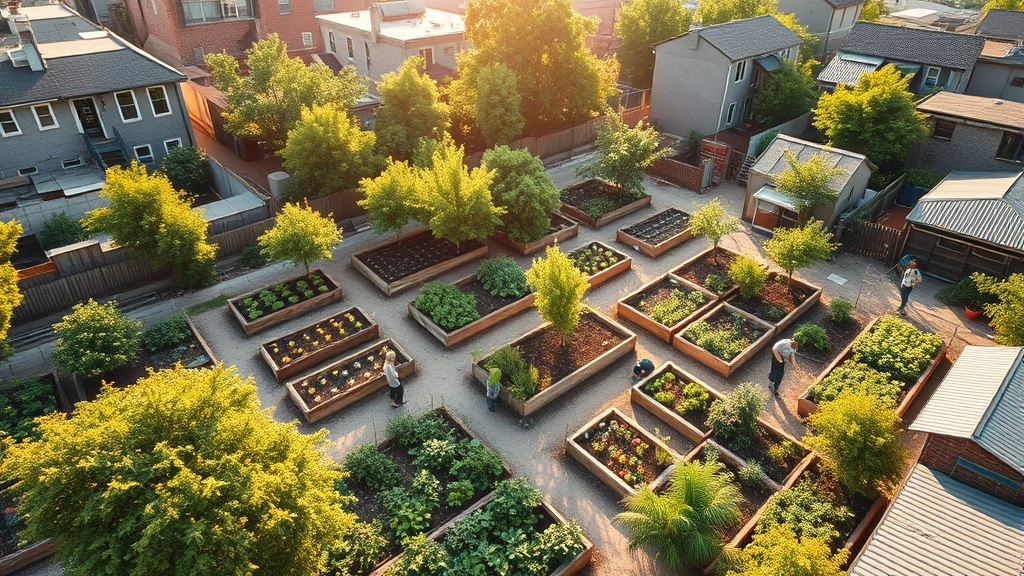
Recent quantitative research from environmental economics institutes demonstrates that urban gardening generates significant economic returns when measured through comprehensive cost-benefit frameworks. A 2023 analysis conducted by ecological economics researchers found that a single community garden producing approximately 2,000 pounds of fresh produce annually generates between $4,000 and $6,500 in direct economic value, accounting for retail equivalency of organic produce prices.
Community gardens function as localized food production systems that reduce transportation costs, intermediary markups, and supply chain inefficiencies inherent in conventional agricultural distribution networks. When households establish environmental science-based cultivation practices, they simultaneously reduce their reliance on industrial food systems while capturing economic value typically distributed across corporate agricultural enterprises, distributors, and retailers.
The economic multiplier effect extends beyond direct food production. Gardens catalyze secondary economic activities including tool sales, soil amendments, seed distribution, educational programming, and agritourism ventures. Research from the World Bank’s sustainable development division indicates that every dollar invested in community garden infrastructure generates approximately $1.50 to $2.20 in measurable economic activity within surrounding neighborhoods over five-year periods.
Direct Job Creation and Market Development
Gardening-related economic sectors demonstrate robust employment growth trajectories. The horticultural services industry, encompassing landscape design, garden maintenance, nursery operations, and specialized cultivation services, represents one of the fastest-growing employment segments in developed economies. The United States Bureau of Labor Statistics projects 5-7% annual growth in landscaping and groundskeeping professions through 2032, substantially exceeding overall employment growth rates.
Beyond traditional landscaping services, gardens catalyze entrepreneurial ventures in specialized domains: organic seed production, heirloom plant propagation, specialty fertilizer development, garden design consulting, and agricultural education programming. Emerging research demonstrates that human-environment interaction through gardening creates employment opportunities across skill levels, from entry-level horticultural labor to highly specialized ecological design consulting.
Agritourism enterprises built around garden experiences—including farm stays, educational workshops, produce subscription services, and value-added product manufacturing—represent particularly high-margin economic opportunities. A study published in the Journal of Agricultural Economics found that agritourism ventures associated with garden-based enterprises generate 40-60% higher profit margins than conventional agricultural operations of comparable scale.
Household Food Security and Expenditure Reduction
Household-level economic benefits from gardening activities manifest through direct food cost reduction and improved nutritional security. Research from the University of Vermont’s agricultural economics program calculated that an average residential garden produces approximately $600 to $1,200 worth of fresh produce annually, depending on climate zone, cultivation intensity, and crop selection.
For lower-income households, gardening represents a particularly significant economic intervention. Families participating in community garden programs report 15-25% reductions in annual food expenditures while simultaneously improving dietary quality through increased consumption of fresh vegetables and fruits. This economic benefit directly translates to enhanced household purchasing power available for other essential services and investments.
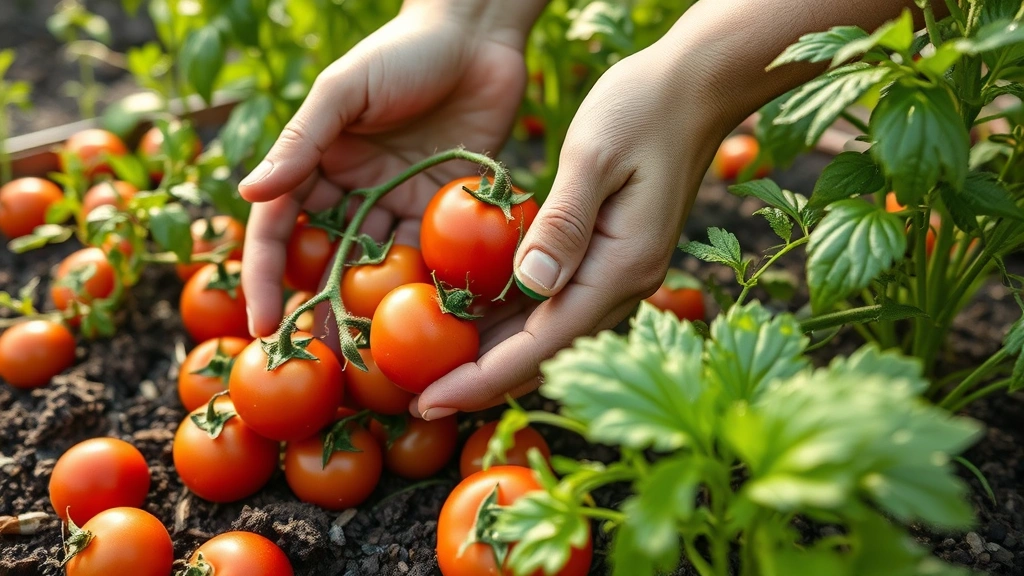
Preservation and value-added processing of garden produce further multiplies economic benefits. Households converting surplus harvests into preserved products—jams, pickles, sauces, dried herbs—create products with substantially higher economic value than fresh produce. A pound of fresh tomatoes valued at $2-3 per pound can be transformed into tomato sauce or preserved goods commanding $8-12 per pound in retail markets, enabling households to capture substantially greater economic value from cultivation efforts.
Environmental Economics and Carbon Sequestration
Environmental economics frameworks increasingly incorporate carbon sequestration value into comprehensive assessments of garden-based systems. Recent research quantifies the carbon mitigation benefits of garden ecosystems through multiple mechanisms: direct carbon sequestration in soil and biomass, reduced transportation emissions from localized food production, and decreased energy inputs required for food preservation and distribution.
A comprehensive life-cycle assessment published by the International Journal of Environmental Research and Public Health estimated that residential gardens sequester approximately 0.5 to 1.2 metric tons of carbon dioxide equivalent annually per 100 square meters, accounting for both above-ground biomass accumulation and soil carbon enhancement. When multiplied across urban areas with substantial garden coverage, these sequestration rates become economically significant within carbon pricing frameworks.
The economic value of carbon sequestration becomes increasingly substantial as carbon pricing mechanisms expand globally. Under current carbon markets trading at $15-50 per metric ton of CO2 equivalent, garden-based carbon sequestration generates $7.50 to $60 in annual environmental service value per 100 square meters. These environmental economics benefits remain largely uncaptured in conventional market transactions but represent legitimate economic value within emerging ecological economics frameworks.
Gardens also reduce energy demands for food system operations. Localized production eliminates refrigerated transportation, reduces industrial processing requirements, and minimizes packaging materials. These reductions translate to avoided energy costs and reduced demand for fossil fuel-dependent infrastructure, generating positive externalities that benefit broader economic systems through reduced energy price pressures and improved air quality.
Property Values and Real Estate Markets
Real estate market research demonstrates statistically significant positive correlations between garden amenities and property valuations. Studies analyzing residential property transactions in urban markets found that homes with established gardens command 5-15% price premiums compared to comparable properties without garden features, with premium magnitudes varying by geographic market and garden quality characteristics.
Community gardens generate neighborhood-level property value enhancements extending beyond direct garden properties. Research from the Lincoln Institute of Land Policy documented that properties within 500 feet of community gardens experience average value increases of 9.4% compared to control neighborhoods lacking garden infrastructure. These capitalized environmental amenities represent substantial aggregate economic value distributed across real estate markets.
The property value enhancement mechanism operates through multiple channels: improved neighborhood aesthetics, reduced vacancy rates in surrounding properties, enhanced community cohesion and social capital accumulation, and perceived improvements in neighborhood quality of life. Real estate developers increasingly recognize garden amenities as legitimate value-creation investments, incorporating garden features into residential developments at rates substantially exceeding those observed in previous decades.
Public Health Economics and Healthcare Savings
Gardening activities generate measurable public health improvements that translate into quantifiable economic benefits through reduced healthcare expenditures and improved productivity metrics. Research from the American Journal of Public Health calculated that regular gardening participation reduces chronic disease incidence—particularly type 2 diabetes, cardiovascular disease, and obesity—by 10-25% depending on baseline health status and gardening intensity.
These health improvements generate substantial economic value through multiple mechanisms: reduced pharmaceutical expenditures, decreased hospitalization rates, improved workforce productivity, and enhanced quality-adjusted life years. A comprehensive health economics analysis estimated that regular gardening participation generates $1,500 to $3,500 in annual healthcare cost savings per individual through disease prevention and improved health outcomes.
Mental health benefits from gardening activities—including reduced anxiety, depression, and stress-related conditions—represent additional economic value poorly captured in conventional healthcare accounting systems. Research documents that gardening participation improves mental health outcomes comparable to pharmaceutical interventions and psychotherapy services, generating economic value through improved productivity, reduced absenteeism, and enhanced quality of life.
Environmental awareness through gardening participation correlates with improved health behaviors and preventive healthcare engagement. Individuals developing environmental consciousness through gardening demonstrate higher preventive care utilization rates, improved medication adherence, and enhanced health outcome trajectories, generating additional long-term healthcare cost reductions.
Scaling Gardens for Regional Economic Impact
When gardening practices scale across regions and communities, aggregate economic impacts become substantial. A 2024 study by the UNEP (United Nations Environment Programme) examining regional garden networks documented that areas implementing comprehensive community garden initiatives experienced 3-7% increases in local food system economic activity, job creation rates 2-3 percentage points above regional averages, and measurable improvements in household food security metrics.
Regional food system transformation through distributed garden networks reduces dependence on centralized agricultural production and distribution infrastructure. This structural shift enhances economic resilience by decentralizing food production, reducing supply chain vulnerability, and building local economic capacity. Communities with robust garden infrastructure demonstrate greater economic stability during supply chain disruptions and commodity price volatility.
Urban agriculture initiatives incorporating carbon footprint reduction through localized production generate additional economic benefits through reduced transportation requirements and energy inputs. Regional analyses of comprehensive urban agriculture initiatives document 15-30% reductions in food system carbon intensities, translating into measurable environmental service value and reduced climate change mitigation costs.
Educational institutions, municipal governments, and nonprofit organizations increasingly recognize gardens as legitimate economic development infrastructure. Investment in garden programs generates employment multipliers comparable to other infrastructure investments while simultaneously producing environmental and health co-benefits. Economic development agencies increasingly incorporate garden initiatives into comprehensive regional economic development strategies.
Policy Frameworks and Investment Opportunities
Emerging policy frameworks increasingly recognize gardening as legitimate economic development and environmental infrastructure. Progressive municipalities implement zoning reforms permitting residential food production, establish grant programs supporting community garden development, and integrate garden initiatives into comprehensive sustainability plans. These policy shifts reflect growing recognition of gardens’ economic and environmental significance.
Investment opportunities in garden-related enterprises continue expanding. Impact investors, venture capital funds, and development finance institutions increasingly support gardening-related startups, urban agriculture companies, and garden infrastructure providers. These investments recognize substantial market opportunities in emerging garden-based business models while generating positive social and environmental returns.
Federal and international development agencies increasingly allocate resources to garden-based development initiatives. The World Bank, Asian Development Bank, and bilateral development agencies support community garden programs as cost-effective poverty reduction and food security interventions. Research from international development economics literature documents that garden initiatives generate higher returns on development investment compared to many alternative poverty reduction strategies.
Carbon finance mechanisms increasingly value garden-based carbon sequestration. Blue carbon markets, forest carbon programs, and emerging soil carbon trading systems create financial mechanisms capturing environmental service value from gardening activities. As carbon pricing mechanisms mature and expand globally, garden-based enterprises will increasingly access these financial flows, enhancing economic viability of garden initiatives.
Sustainable finance frameworks incorporating environmental, social, and governance (ESG) criteria increasingly support garden-related enterprises and initiatives. Impact measurement frameworks quantifying environmental and social benefits of gardening create investment thesis foundations for institutional capital allocation to garden-related ventures. These evolving financial architectures fundamentally alter garden economics by capturing previously externalized environmental and social benefits.
FAQ
What is the average economic return from a residential garden?
Research indicates residential gardens generate $600-$1,200 in annual produce value, with additional benefits from property value appreciation, healthcare cost savings, and environmental service value. Total economic benefits per household typically range from $2,000-$5,000 annually when comprehensively measured.
How many jobs does the gardening sector create?
The horticultural services industry projects 5-7% annual employment growth, substantially exceeding overall employment growth rates. Gardening-related sectors collectively employ millions globally, with emerging agritourism and specialty agricultural ventures creating additional high-quality employment opportunities.
Can gardens meaningfully reduce food costs for low-income households?
Yes. Research documents 15-25% reductions in annual food expenditures for low-income families participating in community garden programs, with simultaneous improvements in dietary quality and nutritional security.
What environmental economic value do gardens provide?
Gardens sequester 0.5-1.2 metric tons of CO2 equivalent annually per 100 square meters, with current carbon values ranging from $7.50-$60 depending on carbon pricing mechanisms. Additional environmental benefits include reduced transportation emissions and ecosystem service provision.
Do community gardens increase property values?
Yes. Properties within 500 feet of community gardens experience average value increases of 9.4%, with direct garden properties commanding 5-15% price premiums compared to comparable properties without garden features.
How do gardens contribute to public health economics?
Regular gardening participation reduces chronic disease incidence 10-25%, generating $1,500-$3,500 in annual healthcare cost savings per individual through disease prevention and improved health outcomes.
What policy changes support garden-based economic development?
Progressive municipalities implement zoning reforms permitting residential food production, establish grant programs supporting community gardens, and integrate garden initiatives into comprehensive sustainability and economic development strategies.


