
Fast Fashion’s Environmental Cost: What Recent Studies Reveal
The global fashion industry generates approximately $2.5 trillion in annual revenue, yet this economic prosperity masks a profound environmental crisis. Fast fashion—the business model of producing inexpensive clothing at unprecedented speed—has become one of the most environmentally destructive industries worldwide. Recent comprehensive studies reveal alarming impacts across water systems, atmospheric composition, soil degradation, and biodiversity loss. Understanding these environmental costs is essential for consumers, policymakers, and industry stakeholders seeking sustainable economic alternatives.
The fashion industry’s environmental footprint extends far beyond the visible garments in our wardrobes. From raw material extraction through manufacturing, transportation, and disposal, each stage of the fast fashion effect on environment contributes measurably to global ecological degradation. This article synthesizes cutting-edge research findings to demonstrate how rapid production cycles and disposable consumption patterns fundamentally undermine environmental sustainability while perpetuating economic inefficiencies that ignore true ecological costs.
Water Consumption and Pollution Crisis
Cotton production, fundamental to fast fashion manufacturing, represents one of agriculture’s most water-intensive crops. A single cotton t-shirt requires approximately 2,700 liters of water—equivalent to one person’s drinking water needs for 2.5 years. With the fast fashion industry producing over 100 billion garments annually, this translates to staggering freshwater depletion in water-scarce regions where cotton cultivation concentrates, particularly Central Asia, India, and West Africa.
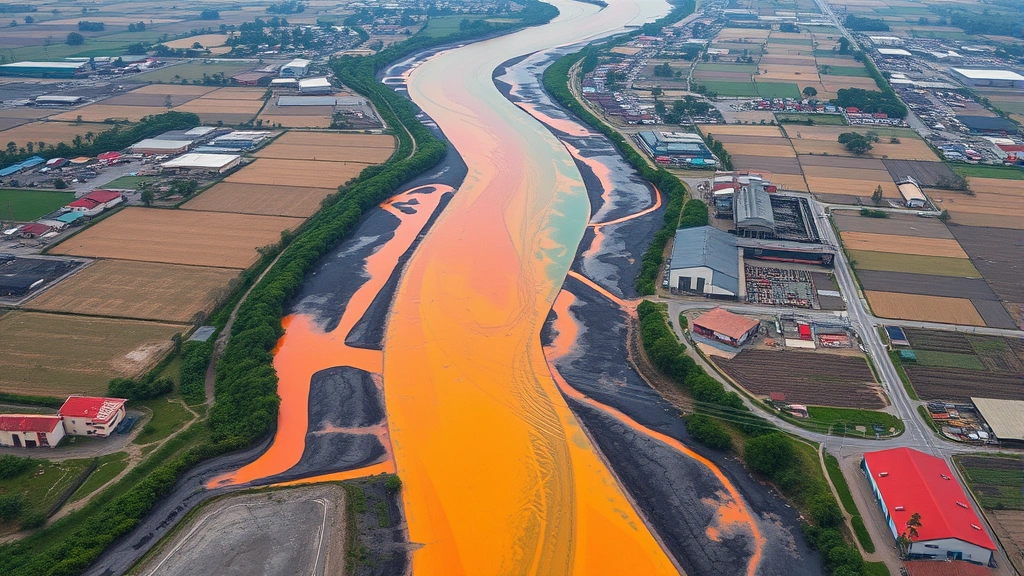
The environmental damage extends beyond consumption statistics. Textile dyeing and processing constitute the second-largest water polluter globally, according to research published in the Journal of Cleaner Production. Manufacturing facilities discharge untreated wastewater containing heavy metals, synthetic dyes, and chemical mordants directly into rivers and groundwater aquifers. The Citarum River in Indonesia, primary water source for millions, contains textile dye concentrations exceeding safe limits by 1,000 times in certain sections.
These water systems support critical ecosystems and human populations dependent on clean freshwater access. When textile factories contaminate rivers, downstream agricultural productivity declines, fishing communities lose livelihoods, and waterborne disease prevalence increases dramatically. The economic externalities—healthcare costs, lost agricultural output, ecosystem service degradation—remain unpriced in fast fashion’s production economics, creating a fundamental market failure where true environmental costs never reach consumer prices.
Learn more about environment testing methodologies that measure water quality impacts from industrial contamination. Understanding these measurement approaches reveals how extensively textile manufacturing damages aquatic ecosystems.

Carbon Emissions and Climate Impact
The fashion industry accounts for approximately 10% of global carbon emissions—exceeding international aviation and maritime shipping combined. Fast fashion’s carbon footprint originates from multiple sources: agricultural inputs for fiber production, energy-intensive manufacturing processes, synthetic chemical production, transportation across global supply chains, and retail facility operations.
Cotton farming requires substantial pesticide applications, themselves petroleum-derived products generating significant upstream emissions. Polyester and synthetic fiber production involves crude oil extraction, refining, and polymerization—processes releasing considerable greenhouse gases. Manufacturing facilities, predominantly powered by coal in developing nations, emit 1.2 billion metric tons of carbon dioxide annually according to World Bank climate assessments.
Transportation represents another substantial emissions source. Garments manufactured in Bangladesh, Vietnam, and China require international shipping to distribution centers and retail locations worldwide. A single garment may traverse 20,000 kilometers before reaching consumer hands, accumulating carbon emissions throughout its supply chain journey. Fast fashion’s rapid inventory turnover—collections changing weekly—intensifies transportation frequency and associated emissions.
These climate impacts directly connect to broader environmental degradation patterns. Increased atmospheric carbon dioxide concentrations drive temperature increases, precipitation pattern disruptions, and extreme weather intensification. For communities already vulnerable to climate variability—including cotton-producing regions dependent on monsoon reliability—fast fashion’s carbon emissions compound existing environmental stress, threatening food security and economic stability.
Discover strategies in our guide on how to reduce carbon footprint through conscious consumption choices and supporting lower-emission industries.
Textile Waste and Landfill Accumulation
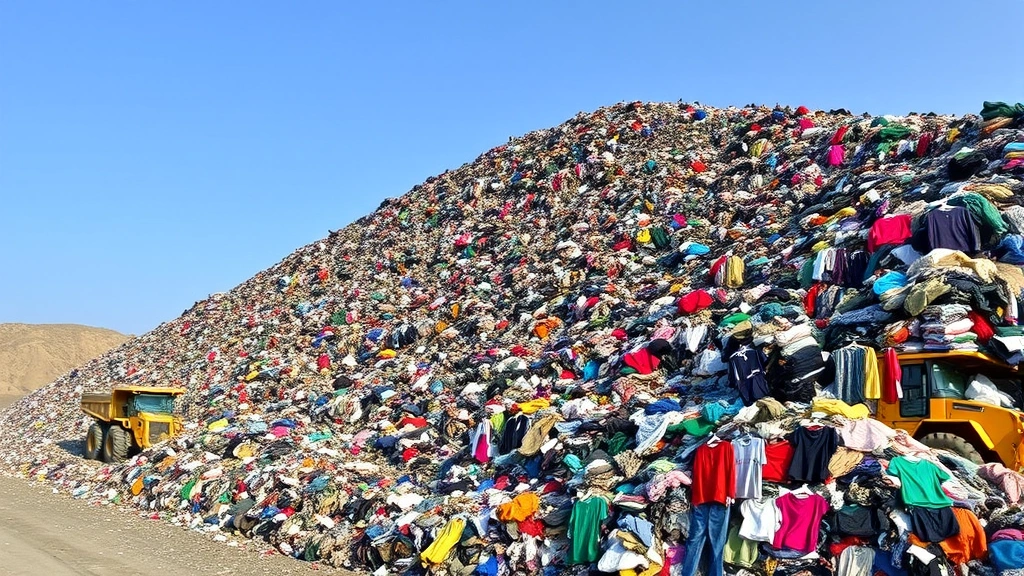
Fast fashion’s disposable consumption model generates unprecedented textile waste volumes. Consumers discard approximately 85% of all textiles annually—roughly 81 pounds per person in developed nations. This waste accumulation, accelerated by trend-driven purchasing and planned obsolescence design principles, represents both environmental loss and economic inefficiency.
Landfill decomposition timelines vary by material composition. Natural fibers like cotton require 5 months for complete biodegradation, while synthetic polyester persists for 200+ years. Most fast fashion garments combine mixed fibers, complicating decomposition processes and creating persistent landfill accumulation. Textile waste currently occupies approximately 5% of global landfill space, competing with other waste streams for limited disposal capacity.
Decomposing textiles in anaerobic landfill conditions generate methane—a greenhouse gas 28-34 times more potent than carbon dioxide over 100-year timeframes. Textile dyes and chemical finishes leach from decomposing garments into surrounding soil and groundwater, perpetuating pollution decades after disposal. This extended environmental impact demonstrates how fast fashion’s consumption patterns create long-term ecological liabilities extending far beyond initial purchase.
The economic perspective on textile waste reveals market failures in resource valuation. Fast fashion’s low prices reflect minimal disposal cost internalization. True lifecycle environmental accounting—incorporating landfill space depletion, methane emissions, groundwater contamination, and cleanup expenses—would dramatically increase garment prices, fundamentally altering consumption patterns and industry structure.
Chemical Contamination and Ecosystem Damage
Textile production involves approximately 8,000 synthetic chemicals, many hazardous to human health and ecosystems. Dyes, mordants, bleaching agents, softeners, and flame retardants constitute the primary chemical inputs. Many facilities operate without adequate wastewater treatment infrastructure, releasing these compounds directly into natural systems.
Heavy metal contamination represents particularly serious concern. Lead, cadmium, chromium, and mercury—used in dyes and finishes—bioaccumulate in aquatic organisms, magnifying through food chains. Fish populations in textile manufacturing regions demonstrate elevated heavy metal concentrations, posing health risks to human consumers and disrupting aquatic ecosystem functioning. Agricultural irrigation using contaminated water transfers heavy metals to soil and food crops, extending human exposure pathways.
Synthetic chemicals also disrupt endocrine systems in exposed organisms. Phthalates, used in synthetic fibers and plastic components, act as endocrine-disrupting compounds affecting reproduction and development in wildlife. These chemical impacts cascade through ecosystems, altering population dynamics and reducing biodiversity in manufacturing-adjacent regions.
Understanding broader environmental science principles reveals how chemical contamination integrates with ecosystem functioning, demonstrating interconnections between industrial practices and ecological health.
Environmental economics research demonstrates that chemical contamination costs—ecosystem service degradation, health impacts, remediation expenses—typically remain external to production economics. Industries avoid bearing these costs, creating perverse incentives favoring high-chemical-intensity production methods. Internalizing these externalities through taxation, regulation, or cap-and-trade mechanisms would fundamentally shift production technology choices toward cleaner alternatives.
Microplastic Pollution in Marine Environments
Synthetic textile fibers shed microplastics throughout their lifecycle—during manufacturing, consumer washing, and landfill decomposition. A single polyester garment releases approximately 1,900 microfibers per wash cycle. With billions of synthetic garments washing globally weekly, this generates hundreds of thousands of metric tons of microplastic pollution annually entering aquatic systems.
Microplastics traverse wastewater treatment systems inadequately designed for particle removal, reaching rivers and oceans where they persist indefinitely. Marine organisms—from zooplankton to fish to whales—ingest microplastics, which accumulate in tissues and concentrate through food chains. Microplastic ingestion causes mechanical blockages, nutritional deficiencies, and chemical toxin transfer from associated contaminants.
Research published in Environmental Science & Technology reveals microplastics in 90% of sampled seabirds and marine mammals. Plastic accumulation in organism tissues creates chronic health impacts, reducing reproductive success and survival rates. The ecological consequences cascade through marine food webs, potentially destabilizing fisheries supporting 3+ billion people’s protein nutrition.
Microplastic pollution represents a quintessential example of environmental externality—costs borne by global ecosystems and future generations while benefits accrue to current consumers and manufacturers. The persistence of microplastics means pollution accumulates continuously regardless of production rate changes, creating growing long-term liabilities for ecosystem health and human wellbeing.
Economic Models and Environmental Externalities
Fast fashion’s environmental destruction fundamentally reflects economic market failures where prices ignore ecological costs. Standard economic models treat environmental resources—water, air, soil, biodiversity—as either unlimited or externally priced. This accounting framework systematically undervalues environmental preservation relative to production expansion.
Ecological economics frameworks, developed by researchers at institutions like the United Nations Environment Programme, propose alternative valuation approaches incorporating natural capital depreciation. When fashion production exhausts groundwater, depletes soil fertility, or eliminates species, these constitute capital losses equivalent to mining depletion in extractive industries. Yet fashion accounting never calculates these natural capital losses.
True cost accounting methodologies quantify environmental externalities in monetary terms. Studies estimating fashion industry environmental costs—incorporating water depletion, pollution remediation, carbon emissions pricing, biodiversity loss, and waste management—suggest actual production costs exceed market prices by 50-300% depending on methodology assumptions. This massive underpricing explains fast fashion’s rapid growth despite environmental destruction.
Policy interventions addressing these market failures might include carbon taxes, water usage fees, chemical discharge penalties, or extended producer responsibility requirements mandating manufacturers bear end-of-life disposal costs. Such mechanisms would internalize environmental externalities, raising prices to reflect true ecological costs and fundamentally reshaping industry economics toward sustainability.
The economic case for sustainability strengthens when considering long-term resource scarcity. Water stress increasingly constrains agricultural productivity in cotton-producing regions. Soil degradation reduces yields and requires increasing chemical inputs. Climate destabilization threatens supply chain reliability. From a purely economic perspective, ignoring these environmental constraints represents irrational business strategy despite short-term profit maximization.
Consumer Behavior and Sustainable Alternatives
Individual consumer choices significantly influence fast fashion’s environmental footprint through purchasing volume and product selection. Reducing consumption frequency, prioritizing durable garments, selecting natural or sustainably-produced materials, and supporting responsible manufacturers collectively reduce environmental impacts substantially.
Exploring sustainable fashion brands reveals alternatives prioritizing environmental stewardship. Companies implementing circular economy principles—designing garments for durability, facilitating repair services, establishing take-back programs, utilizing regenerative fibers—demonstrate viability of economically successful business models aligned with ecological sustainability.
Second-hand fashion markets—thrift stores, online resale platforms, clothing swaps—extend garment lifecycles, reducing manufacturing demand. A single garment worn multiple times across different owners delivers environmental benefits equivalent to manufacturing additional garments. Scaling second-hand markets through cultural normalization and infrastructure investment could substantially reduce industry environmental footprint without requiring complete consumption cessation.
Consumer education regarding environmental impact awareness empowers informed purchasing decisions. Understanding water consumption, carbon emissions, chemical contamination, and waste generation associated with specific garments enables consumers to align purchases with environmental values. Transparency in supply chains—increasingly demanded by conscious consumers—creates competitive advantages for responsible manufacturers while pressuring conventional producers toward improvement.
Systemic change requires complementary policy interventions alongside consumer behavior shifts. Regulatory frameworks mandating environmental standards, tax structures internalizing externalities, investment in sustainable fiber research, and support for circular economy infrastructure create market conditions favoring sustainability. Consumer demand alone, without structural economic incentives, remains insufficient for transforming industry-wide practices.
FAQ
How much water does fast fashion consume annually?
The fashion industry consumes approximately 79 trillion liters of water annually. Cotton production alone accounts for roughly 27% of global pesticide use despite occupying only 2.5% of cultivated land, concentrating water depletion in water-scarce regions and generating chemical pollution of aquatic systems.
What percentage of ocean plastic originates from textile manufacturing?
Textiles constitute approximately 10% of ocean plastic pollution. Synthetic fiber shedding from garment manufacturing, washing, and disposal represents a major microplastic source. With microplastic persistence measured in centuries, pollution accumulates continuously regardless of current production rates.
Can fast fashion become environmentally sustainable?
True sustainability requires fundamental business model transformation—from rapid production cycles toward durable, repairable garments; from virgin resource extraction toward circular economy principles; from externalizing environmental costs toward true cost accounting. Some manufacturers demonstrate viability of sustainable approaches, but industry-wide transformation requires policy support and consumer demand alignment.
What are the health impacts of textile manufacturing pollution?
Textile manufacturing communities experience elevated respiratory diseases, skin conditions, waterborne illnesses, and cancer incidence correlated with chemical exposure. Contaminated water supplies affect millions in manufacturing regions. Workers in factories experience direct chemical exposure without adequate protective equipment, creating occupational health crises.
How does consumer behavior influence fashion industry environmental impact?
Consumption volume directly determines production scale and associated environmental damage. Reducing purchase frequency by 50% reduces environmental footprint proportionally. Selecting durable garments, natural fibers, and responsible manufacturers further reduces impact. Scaling second-hand markets extends garment lifecycles, reducing manufacturing demand and associated environmental costs.
What policy mechanisms could address fashion industry environmental externalities?
Carbon taxes, water usage fees, chemical discharge penalties, extended producer responsibility requirements, and circular economy incentives could internalize environmental costs. Such mechanisms would raise prices to reflect true ecological costs, fundamentally reshaping industry economics toward sustainability and encouraging technological innovation in cleaner production methods.