Human Impact on Ecosystems: A Scientific Overview
Humanity’s relationship with natural ecosystems has fundamentally transformed over the past two centuries. The expansion of industrial economies, agricultural intensification, and urbanization have created unprecedented pressures on biodiversity, biogeochemical cycles, and ecosystem services worldwide. Understanding the mechanisms and magnitude of human-ecosystem interactions is essential for developing effective conservation and management strategies that balance economic development with ecological sustainability.
This scientific overview examines the multifaceted ways humans alter ecosystems, the measurable consequences of these alterations, and the economic implications of ecosystem degradation. By integrating ecological science with economic analysis, we can better understand why human environment interaction represents one of the defining challenges of our era, and how we might transition toward more sustainable pathways that preserve both natural capital and human wellbeing.

Mechanisms of Ecosystem Disruption
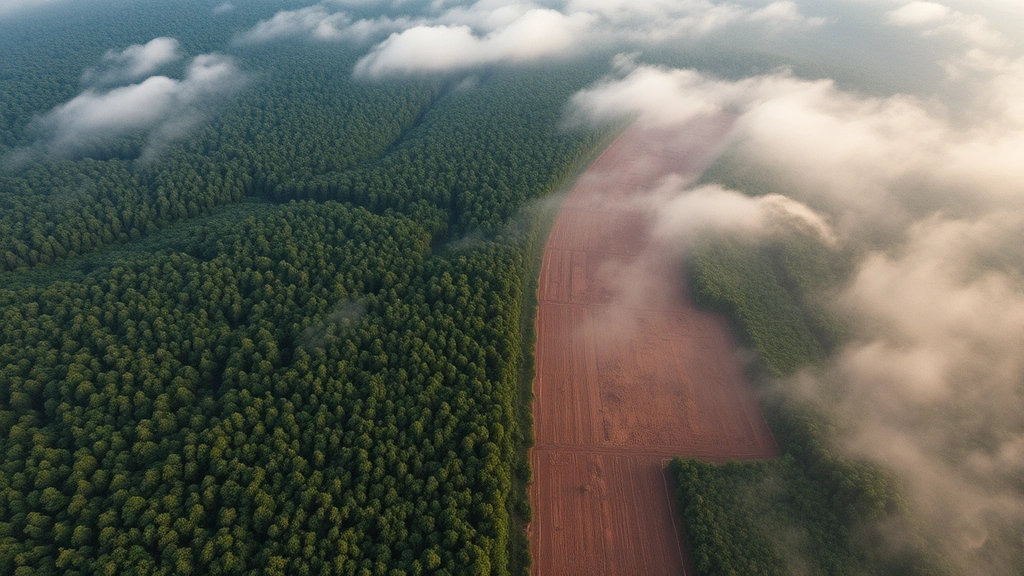
Human activities disrupt ecosystems through multiple interconnected pathways. Habitat fragmentation and loss represents the primary driver of biodiversity decline globally. The conversion of natural landscapes into agricultural land, urban areas, and industrial zones eliminates the spatial continuity that many species require for viable populations. Research from the World Wildlife Fund indicates that habitat loss affects approximately 68% of global vertebrate species populations.
Land-use change operates through several mechanisms: direct conversion eliminates habitat entirely, while edge effects degrade the quality of remaining patches. Fragmentation isolates populations, reducing genetic diversity and increasing extinction vulnerability. An example of a human environment interaction illustrating this dynamic is the conversion of tropical rainforests to cattle ranching. The Amazon rainforest, which once covered approximately 5.5 million square kilometers, has been reduced by roughly 17% since 1970, with cascading effects on regional climate patterns, global carbon cycling, and indigenous communities whose livelihoods depend on forest resources.
Pollution represents another critical disruption mechanism. Chemical contaminants—including persistent organic pollutants, heavy metals, and microplastics—accumulate in food webs and alter organism physiology at sublethal concentrations. Nitrogen and phosphorus pollution from agricultural runoff creates eutrophic conditions that trigger algal blooms, depleting dissolved oxygen and creating hypoxic “dead zones” in aquatic ecosystems. The Gulf of Mexico hypoxic zone, driven primarily by Mississippi River agricultural nutrient loading, covers approximately 6,000-7,000 square kilometers annually, rendering these waters unsuitable for most aquatic life.
Overexploitation of biological resources—including overfishing, overhunting, and unsustainable harvesting—removes biomass faster than ecosystems can regenerate. Global fish stocks show declining trends in biomass and mean trophic level, indicating both depletion of target species and ecosystem restructuring toward lower trophic levels. The World Bank estimates that overfishing costs the global economy approximately $80 billion annually in lost economic benefits and ecosystem services.
Understanding human environment interaction requires recognizing these mechanisms operate synergistically. A forest patch may experience habitat loss, edge effects, hunting pressure, and climate stress simultaneously, creating compounding ecological effects that exceed the sum of individual stressors.
Biodiversity Loss and Trophic Cascades
Current extinction rates exceed background rates by approximately 100-1,000 times, indicating we are experiencing the sixth mass extinction in Earth’s history. The primary drivers—habitat loss, climate change, pollution, overexploitation, and invasive species—are predominantly human-driven. Species loss does not occur randomly; apex predators and large-bodied organisms show disproportionate vulnerability, fundamentally altering food web structure and ecosystem function.
Trophic cascades demonstrate how biodiversity loss propagates through ecosystems. The reintroduction of wolves to Yellowstone National Park after 70 years of absence illustrates this dynamic. Wolves reduced elk populations and altered their grazing behavior, allowing riparian vegetation to recover. This vegetation stabilization reduced erosion, modified stream temperature and flow, and improved habitat for fish and beaver. The cascade extended to scavenger species that benefited from wolf kills, demonstrating how apex predators structure entire ecosystems through predation pressure and behavioral effects.
Conversely, the loss of sea otters in the North Pacific following commercial hunting triggered a cascade from kelp forests to sea urchin barrens. Without predation pressure, sea urchin populations exploded, overgrazing kelp forests and converting productive ecosystems into urchin barrens with minimal biodiversity and productivity. This example demonstrates how single species loss can reorganize entire ecosystems, reducing ecosystem services and economic productivity.
Pollinator decline represents a particularly economically significant biodiversity loss. Approximately 75% of global crops depend to some degree on animal pollination, with an estimated economic value of $15-20 billion annually. Insect populations have declined by 75% in biomass over recent decades in some regions, driven by habitat loss, pesticide use, and disease. This decline threatens food security and agricultural economics globally, illustrating how environment awareness of biodiversity’s economic value remains inadequate in policy decision-making.
Biogeochemical Cycle Alterations
Human activities have fundamentally altered major biogeochemical cycles that regulate planetary function. The carbon cycle disruption through fossil fuel combustion and land-use change has increased atmospheric CO₂ from 280 ppm (pre-industrial) to over 420 ppm currently, driving climate change at a rate exceeding natural variability by orders of magnitude. Carbon cycle alterations extend beyond atmosphere to oceans, where approximately 25-30% of anthropogenic CO₂ dissolves, lowering pH and reducing carbonate ion availability—a process termed ocean acidification that impairs calcifying organisms from pteropods to corals.
The nitrogen cycle has been dramatically altered through synthetic fertilizer production via the Haber-Bosch process. Humans now fix more atmospheric nitrogen than all natural terrestrial processes combined, with profound consequences. Excess nitrogen moves through watersheds, contaminating drinking water supplies, creating coastal dead zones, and altering terrestrial plant community composition toward nitrogen-preferring species. The United Nations Environment Programme estimates that agricultural nitrogen pollution costs the global economy $200-900 billion annually in environmental damage and health impacts.
Phosphorus cycle disruption occurs through mining and concentration in agricultural systems. Unlike nitrogen, phosphorus has no atmospheric pathway for redistribution, making phosphate mining essentially a one-way transfer from geological to biological and aquatic systems. Eutrophication from phosphorus runoff has created hypoxic zones in thousands of freshwater and coastal ecosystems, with economic costs in fisheries, recreation, and water treatment exceeding billions annually. Phosphorus depletion in agricultural soils simultaneously threatens future food security, creating a paradoxical situation where nutrient overabundance in some regions threatens depletion in others.
The sulfur cycle has been modified through fossil fuel combustion and industrial processes, creating acid deposition that damages forests, aquatic ecosystems, and human infrastructure. While sulfur emissions have declined in developed nations through regulatory action, they remain elevated globally, particularly in rapidly industrializing regions. These ethics and environment considerations highlight how ecosystem alteration often reflects distributional inequities in environmental costs and benefits.
Ecosystem Services and Economic Valuation
Ecosystems provide services essential for human survival and economic activity, including provisioning services (food, water, materials), regulating services (climate regulation, flood control, pollination), supporting services (nutrient cycling, soil formation), and cultural services (recreation, spiritual, aesthetic values). Quantifying these services economically reveals the enormous value humans derive from intact ecosystems.
The Millennium Ecosystem Assessment estimated that global ecosystem services were valued at approximately $125 trillion annually, with over 60% of these services degrading due to human activities. Coral reefs, despite covering less than 0.1% of ocean floor, support 25% of marine fish species and provide ecosystem services valued at $375,000 per hectare annually through fisheries, tourism, and coastal protection. Yet approximately 50% of coral reefs have been lost or severely degraded, representing an economic loss exceeding $375 billion in ecosystem service value alone, without accounting for biodiversity loss or cultural impacts.
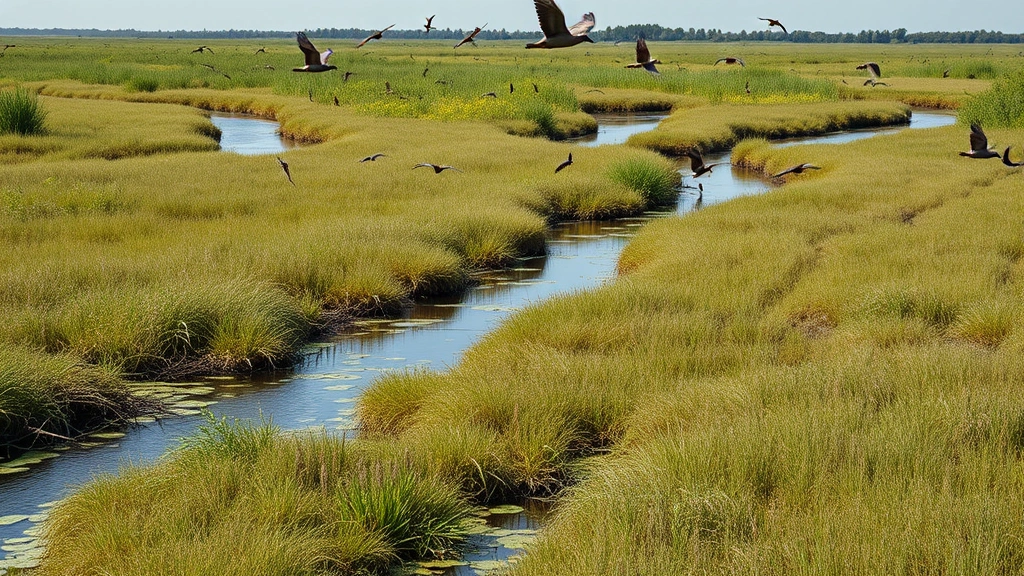
Wetland ecosystems provide flood regulation, water purification, and carbon sequestration services valued at approximately $14,000-47,000 per hectare annually, yet 87% of global wetlands have been drained or converted since 1700. This conversion represents one of the largest economic externalities in human history, with costs borne by downstream populations through increased flooding, water contamination, and climate impacts. Mangrove forests, which occupy only 0.1% of tropical coastlines, sequester carbon at rates 5-10 times higher than terrestrial forests and protect coastal communities from storm surge, yet 35% have been lost to aquaculture and development.
Forest ecosystems provide carbon sequestration, water purification, erosion control, and biodiversity habitat valued collectively at trillions annually. The economic value of carbon sequestration alone—at current social cost of carbon estimates of $50-200 per ton CO₂—suggests that standing forests provide economic value from climate regulation exceeding $10,000-50,000 per hectare over rotation periods. Yet deforestation persists, driven by short-term timber and agricultural revenues that fail to account for foregone ecosystem services. This market failure reflects fundamental disconnects between ecological economics and conventional accounting frameworks that exclude natural capital depreciation.
Strategies for how to reduce carbon footprint increasingly recognize ecosystem restoration as a cost-effective mitigation strategy, with reforestation and wetland restoration providing carbon sequestration at $10-100 per ton CO₂—substantially below emissions reduction costs in many sectors.
Climate Change as Ecosystem Multiplier
Climate change operates as a multiplier of existing ecosystem stressors, amplifying impacts across multiple dimensions. Rising temperatures shift species ranges poleward and upslope, fragmenting populations and creating novel community assemblages. Phenological mismatches occur when species’ reproductive timing diverges from food availability—for example, when spring snowmelt shifts earlier due to warming but migratory birds arrive at previously synchronized timing, missing peak food availability for breeding.
Ocean warming drives species range shifts, alters oxygen dynamics through reduced solubility and stratification-induced mixing reduction, and intensifies marine heatwaves that cause mass mortality events. The 2016 Great Barrier Reef bleaching event, driven by ocean temperatures 1.5°C above historical norms, killed approximately 30% of corals and demonstrated climate change’s capacity to eliminate ecosystem productivity rapidly. Economic impacts included $1 billion+ in lost tourism and fisheries revenue, alongside immeasurable cultural impacts for indigenous communities dependent on reef resources.
Freshwater ecosystems face particularly acute climate impacts through altered precipitation patterns, increased evapotranspiration, and changing snowmelt timing. Many regions face simultaneous increases in flood intensity and drought frequency, creating management challenges that exceed historical experience. Hydroelectric systems dependent on stable streamflow face revenue volatility, while agricultural systems face water scarcity. The economic costs of water scarcity alone could reach $1.4 trillion by 2050 according to World Bank projections.
Climate change also increases ecosystem vulnerability to other stressors through physiological stress, reduced resource availability, and altered disturbance regimes. Forest dieback in response to drought stress, increased insect outbreaks due to milder winters, and altered fire regimes create cascading changes that can reorganize entire ecosystems. The potential for abrupt ecosystem transitions—such as Amazon rainforest dieback or boreal forest-tundra shifts—introduces irreversibility into ecosystem management that fundamentally increases mitigation urgency.
Restoration and Mitigation Strategies
Ecosystem restoration represents a critical mitigation strategy for addressing human impacts. Effective restoration requires understanding ecosystem assembly processes, historical reference conditions, and contemporary constraints. Passive restoration—removing stressors and allowing natural recovery—succeeds when degradation is recent and propagule sources remain nearby. Active restoration—involving replanting, soil amendment, and species reintroduction—proves necessary for severely degraded ecosystems or where natural recovery would require centuries.
Reforestation initiatives demonstrate restoration’s potential and limitations. Planting billions of trees addresses carbon sequestration and habitat provision, yet success depends on species selection, site preparation, and long-term management. Monoculture plantations provide limited biodiversity benefits and may fail if climate conditions shift beyond species tolerances. Native species restoration in appropriate ecological contexts provides superior biodiversity and ecosystem service outcomes, though requiring longer establishment periods and greater initial investment.
Wetland and riparian restoration projects demonstrate ecosystem service recovery potential. Restored wetlands provide flood regulation, water purification, and wildlife habitat while sequestering carbon and supporting cultural values. The economic return on wetland restoration—estimated at 7-10:1 benefit-cost ratios when ecosystem services are valued—suggests substantial underinvestment relative to economic rationality. Similar analyses for riparian restoration, stream daylighting (removing culverts), and dam removal support ecosystem-based adaptation strategies that provide multiple benefits exceeding conventional engineering approaches.
Mitigation strategies also include prevention of further degradation through protected area expansion, sustainable resource management, and pollution reduction. Protected areas currently cover approximately 17% of terrestrial surface and 8% of oceans, yet remain inadequately connected and managed. Expanding protected area networks while ensuring indigenous rights and local community benefits represents a critical priority. Sustainable fashion brands and circular economy approaches demonstrate how consumer behavior shifts can reduce ecosystem pressures through reduced material throughput and extended product lifecycles.
Renewable energy transitions represent essential mitigation strategies for addressing climate change while reducing ecosystem impacts of fossil fuel extraction and combustion. Renewable energy for homes and distributed generation systems can reduce landscape fragmentation from energy infrastructure while supporting energy security and economic resilience. Integration of renewable energy with ecosystem restoration—such as agrivoltaics combining solar generation with agricultural productivity—demonstrates potential for multifunctional land use that balances human needs with ecosystem preservation.
Economic instruments including carbon pricing, payment for ecosystem services, and biodiversity offsets attempt to internalize environmental costs into decision-making. However, their effectiveness depends on appropriate price signals, robust monitoring, and prevention of perverse incentives. Payments for ecosystem services that incentivize forest conservation, wetland restoration, or grassland protection show promise, though require sufficient funding and verification mechanisms to ensure additionality and permanence.
FAQ
What is the most significant human impact on ecosystems?
Habitat loss and land-use change represent the primary driver of ecosystem degradation and biodiversity loss globally. The conversion of natural ecosystems to agriculture, urbanization, and industrial uses eliminates the spatial and functional complexity that ecosystems require for species persistence and service provision. Climate change operates as a multiplier of existing stressors, intensifying impacts across all ecosystem types.
How do ecosystem services relate to economic development?
Ecosystem services provide economic value through multiple pathways: provisioning services supply food, water, and materials; regulating services control climate, water flow, and pollination; and cultural services provide recreation and spiritual values. Economic development that degrades ecosystem services creates false accounting of growth by treating natural capital depreciation as income rather than asset depletion. Sustainable development requires maintaining or enhancing ecosystem service flows while meeting human development needs.
Can ecosystems recover from human disturbance?
Ecosystem recovery depends on disturbance severity, duration, and type. Recent, localized disturbances in species-rich regions with intact propagule sources often recover naturally once stressors are removed. Severe, prolonged disturbances may require active restoration and may not return to historical conditions within human timescales. Some ecosystems—particularly those approaching tipping points—may transition to alternative stable states that persist despite stressor removal. Early intervention to prevent severe degradation proves far more cost-effective than attempting recovery of highly degraded systems.
How does biodiversity loss affect ecosystem function?
Biodiversity loss reduces ecosystem stability, productivity, and resilience through multiple mechanisms. Functional redundancy—where multiple species perform similar roles—declines, reducing the ecosystem’s ability to maintain services when species are lost to disturbance. Trophic cascades amplify effects of single species losses through food web interactions. High-diversity ecosystems generally show greater resistance and resilience to disturbance, suggesting that biodiversity conservation provides insurance against unpredictable future environmental change.
What role do indigenous communities play in ecosystem management?
Indigenous communities have managed ecosystems sustainably for millennia, maintaining biodiversity while meeting subsistence and cultural needs. Ecosystems under indigenous management often show higher biodiversity and ecosystem service provision than protected areas or unmanaged systems. Recognizing indigenous rights, incorporating traditional ecological knowledge, and supporting indigenous-led conservation represents both an ethical imperative and an evidence-based strategy for effective ecosystem management.
How can individuals reduce their ecosystem impact?
Individual actions reducing ecosystem impact include dietary shifts toward plant-based foods (reducing agricultural pressure), consumption reduction and circular economy participation, renewable energy adoption, and support for conservation and restoration initiatives. Systemic impacts require policy change and corporate accountability, yet individual choices collectively influence market demand and political will for sustainability transitions. Supporting organizations advancing ethics and environment integration into policy and practice amplifies individual impact.


