Eco-Friendly Economies: Visual Insights & Data
The intersection of ecological sustainability and economic prosperity represents one of the defining challenges and opportunities of our time. As global populations grapple with climate change, biodiversity loss, and resource depletion, the question of how to build eco-friendly economies has transitioned from environmental ethics into mainstream economic policy. This transformation reflects a fundamental recognition: environmental degradation and economic performance are inextricably linked. When we invest in ecological preservation, we are simultaneously investing in long-term economic resilience, job creation, and human wellbeing.
The visual data surrounding eco-friendly economic transitions reveals compelling stories about green technology adoption, renewable energy investment, and the emerging markets for sustainable products and services. Countries and corporations worldwide are discovering that environmental responsibility and profitability are not mutually exclusive—rather, they are complementary forces that drive innovation, reduce operational costs, and create competitive advantages in an increasingly sustainability-conscious global marketplace.
Understanding the mechanics of eco-friendly economies requires examining how environmental economics principles translate into measurable outcomes. From carbon pricing mechanisms to green bonds, from circular economy models to nature-based solutions, the evidence increasingly demonstrates that ecological and economic interests align when we adopt long-term, systemic perspectives on value creation and resource management.
Understanding Eco-Friendly Economic Models
Eco-friendly economies operate on principles fundamentally different from traditional extractive economic models. Rather than treating natural capital as an infinite resource to be exploited, these models recognize ecosystem services—including water purification, pollination, climate regulation, and nutrient cycling—as essential economic inputs that require protection and restoration. This paradigm shift is grounded in ecological economics, a field that integrates biophysical science with economic theory to understand how human economies function within planetary boundaries.
The concept of natural capital accounting exemplifies this shift. Traditional GDP measurements ignore environmental degradation, essentially treating the depletion of forests, fisheries, and mineral reserves as income rather than capital loss. When countries adopt comprehensive environmental accounting systems, they reveal that many forms of economic growth are actually forms of capital consumption. For instance, the World Bank’s extensive research on adjusted net savings demonstrates that countries with high resource extraction rates often experience declining genuine wealth despite rising nominal GDP.
Understanding human environment interaction through an economic lens reveals how incentive structures shape behavior. When environmental costs are externalized—meaning corporations profit while society bears cleanup costs—markets fail to allocate resources efficiently. Eco-friendly economic models address this through mechanisms like carbon pricing, environmental taxes, and tradable permits that internalize environmental costs, making sustainable choices economically rational rather than merely morally desirable.
The transition toward eco-friendly economies also involves reconceptualizing value creation. Biodiversity-rich ecosystems, healthy watersheds, and stable climates generate economic value through multiple pathways: they reduce disaster recovery costs, improve agricultural productivity, support tourism industries, and enhance human health outcomes. Studies by the United Nations Environment Programme consistently show that investing in ecosystem restoration delivers economic returns exceeding initial investments by factors of 4 to 20, depending on the ecosystem and intervention type.
Green Investment Trends and Capital Flows
Global green investment has experienced exponential growth over the past decade, reflecting both environmental urgency and recognition of profitable opportunities in sustainability sectors. In 2023, global sustainable investment reached approximately $35 trillion, representing roughly one-third of professionally managed assets worldwide. This capital reallocation represents a fundamental shift in how investors assess risk and opportunity.
The emergence of green bonds has revolutionized environmental finance. These debt instruments specifically fund projects with environmental benefits—renewable energy installations, energy-efficient buildings, sustainable transportation infrastructure, and ecosystem restoration. Green bond issuance exceeded $500 billion annually by 2023, with governments, corporations, and development banks competing to access this rapidly expanding capital pool. The lower borrowing costs associated with green bonds reflect investor confidence that environmental sustainability enhances long-term financial performance.
Climate risk is increasingly recognized as financial risk. Investors understand that extreme weather events, regulatory changes, resource scarcity, and supply chain disruptions pose material threats to traditional fossil fuel and resource-intensive industries. Consequently, capital is flowing away from carbon-intensive sectors and toward renewable energy, sustainable agriculture, green technology, and nature-based solutions. This reallocation is not primarily driven by altruism but by fiduciary duty—investors seeking to protect and grow shareholder value in an era of ecological limits.
Venture capital and private equity have discovered substantial opportunities in sustainability technologies. Companies developing electric vehicles, advanced battery systems, precision agriculture, sustainable materials, and carbon capture technologies attract billions in investment capital. The visibility of these opportunities in renewable energy for homes and commercial applications demonstrates how ecological necessity creates entrepreneurial opportunities and wealth creation pathways aligned with environmental protection.
Developing nations increasingly recognize that eco-friendly development pathways offer superior economic trajectories compared to replicating historical industrial models. Rather than building coal-dependent infrastructure, many emerging economies are leapfrogging directly to renewable energy systems, which offer lower operating costs, reduced exposure to volatile fossil fuel markets, and attraction of international climate finance. This represents a strategic economic advantage unavailable to earlier industrializers.

Renewable Energy’s Economic Impact
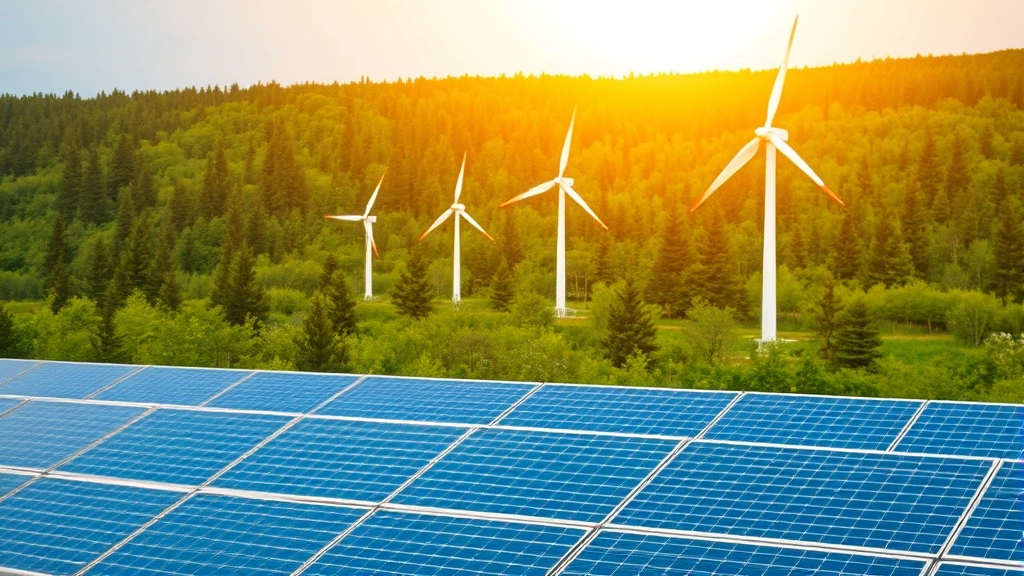
The renewable energy transition exemplifies how ecological imperatives align with economic rationality. Renewable energy has achieved economic competitiveness with fossil fuels across most global markets. Solar and wind electricity now cost less than coal and natural gas in many jurisdictions, even without accounting for environmental externalities or climate damages. This cost trajectory reflects decades of technological learning curves, manufacturing scale-ups, and supply chain optimization.
The economic impact extends beyond electricity generation. Renewable energy systems create more jobs per unit of energy produced than fossil fuel systems. A kilowatt-hour of solar electricity generates approximately 1.5 to 2 times more jobs than coal-generated electricity, when accounting for manufacturing, installation, maintenance, and supply chain employment. In countries like Germany, Denmark, and Costa Rica, renewable energy sectors employ more workers than fossil fuel industries, generating local economic development and reducing energy import dependencies.
Renewable energy reduces macroeconomic vulnerability to energy price shocks. Countries dependent on fossil fuel imports face recurring crises when international prices spike, draining foreign reserves and destabilizing currencies. Renewable energy, by contrast, relies on domestic resources (sun, wind, water) that cannot be monopolized by geopolitical rivals. This energy independence provides economic stability and resilience, particularly valuable for developing nations vulnerable to commodity price volatility.
The distributed nature of renewable systems enables rural economic development. Solar installations and small wind turbines can provide electricity to remote communities, reducing dependence on expensive diesel generators and enabling agricultural productivity improvements, medical facility electrification, and educational access. Microfinance models for renewable energy have demonstrated that even low-income communities can invest in and benefit from clean energy technologies.
Circular Economy Frameworks
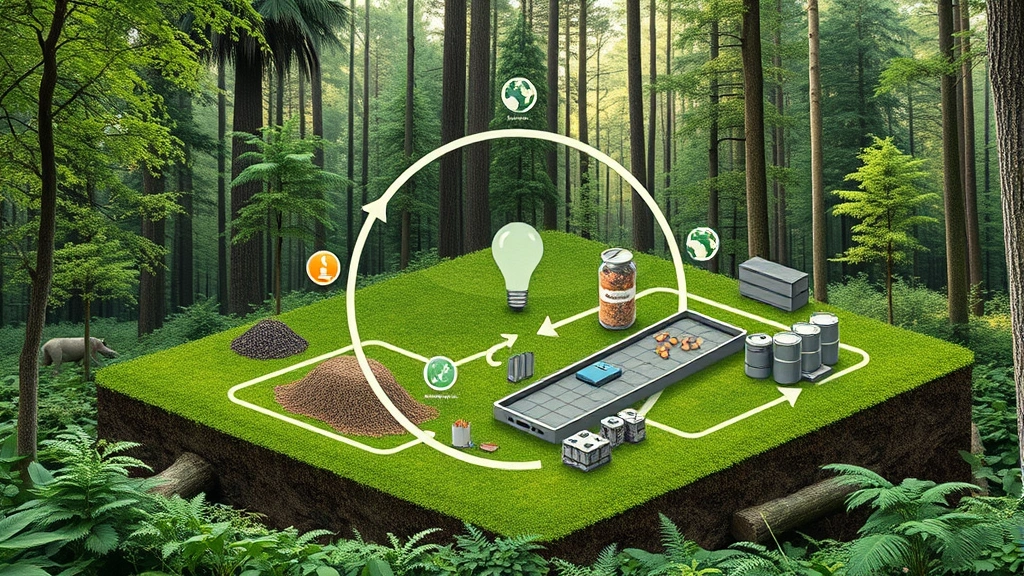
The circular economy model fundamentally reimagines production and consumption systems to minimize waste and maximize resource efficiency. Rather than the linear “take-make-dispose” model that characterizes industrial economies, circular systems design products for durability, repairability, and material recovery. This approach reduces resource extraction pressures, lowers production costs through material reuse, and creates new business opportunities in refurbishment, remanufacturing, and recycling sectors.
Economic analysis of circular economy transitions reveals substantial cost savings and profit opportunities. Companies implementing circular design principles report 20-30% reductions in material costs while simultaneously reducing environmental impacts. The Ellen MacArthur Foundation estimates that circular economy opportunities could generate $4.5 trillion in economic benefits by 2030 through resource efficiency gains, innovation, and job creation. These benefits accrue through multiple pathways: reduced raw material purchases, lower waste management costs, new revenue streams from recovered materials, and premium pricing for durable, repairable products.
Circular economy principles apply across sectors. In fashion, the circular model challenges the fast-fashion industry’s environmental and social costs through durable design, rental models, and material recovery. sustainable fashion brands demonstrate that circular approaches create competitive advantages through customer loyalty, reduced environmental liability, and operational efficiency. In construction, circular principles reduce waste by 50-80% while lowering project costs. In electronics, material recovery programs recover valuable metals while reducing e-waste accumulation.
The transition to circular economies requires systemic change: product redesign, supply chain restructuring, consumer behavior shifts, and policy support through extended producer responsibility schemes, waste reduction targets, and tax incentives for material recovery. However, the economic returns justify these transition costs. Organizations that embrace circular principles early gain competitive advantages, attract sustainability-conscious consumers and investors, and build resilience against resource scarcity and price volatility.
Employment and Skills in Green Sectors
The transition toward eco-friendly economies creates substantial employment opportunities across skill levels and geographies. Renewable energy installation, energy efficiency retrofitting, sustainable agriculture, ecosystem restoration, and green manufacturing require millions of workers globally. The International Renewable Energy Agency projects that renewable energy employment could exceed 38 million jobs by 2030, compared to approximately 12 million in 2020. These jobs typically offer competitive wages, local employment, and career advancement pathways.
Green jobs often provide superior working conditions and community benefits compared to extractive industries. Renewable energy workers enjoy safer working environments than coal miners, agricultural workers benefit from sustainable farming’s reduced chemical exposure, and ecosystem restoration workers contribute directly to community wellbeing. The geographic distribution of green jobs—renewable energy installations occur across rural and urban areas, energy efficiency retrofitting requires local labor—ensures that economic benefits distribute more equitably than fossil fuel industries concentrated in specific extraction zones.
Skills development represents a critical component of just transitions. Workers displaced from fossil fuel industries require retraining for renewable energy, energy efficiency, and other green sectors. Successful transition programs combine technical training, income support, and community investment to facilitate worker mobility. Countries like Germany and Denmark have implemented comprehensive worker transition programs, demonstrating that well-designed policies enable fossil fuel workers to successfully transition to renewable energy careers with maintained or improved earnings.
Educational institutions are adapting curricula to prepare students for eco-friendly economy careers. Universities increasingly offer degrees in renewable energy engineering, sustainable business, ecological economics, and green technology. Vocational programs train installers, technicians, and maintenance workers for renewable energy systems. These educational investments create human capital aligned with future economic needs while enabling individuals to contribute to environmental solutions.
Policy Instruments and Market Mechanisms
Eco-friendly economies require supportive policy frameworks that align economic incentives with environmental objectives. Carbon pricing—whether through carbon taxes or cap-and-trade systems—represents the most economically efficient approach to reducing greenhouse gas emissions. By placing a price on carbon emissions, these mechanisms make renewable energy and efficiency investments economically rational decisions for businesses and consumers. The World Bank reports that carbon pricing mechanisms now cover approximately 23% of global greenhouse gas emissions, with coverage expanding as countries recognize the economic benefits of price signals that reflect environmental costs.
Subsidy reform and tax incentives accelerate eco-friendly transitions. Removing fossil fuel subsidies—which exceeded $7 trillion globally when accounting for environmental externalities—would immediately improve economic competitiveness of renewable energy. Conversely, tax credits for renewable energy installation, energy-efficient building retrofits, and electric vehicle purchases reduce transition costs and accelerate adoption of sustainable technologies. These fiscal mechanisms essentially redirect economic rents from extractive industries toward sustainability solutions.
Regulatory standards and performance requirements drive technological innovation and market transformation. Building energy codes that mandate efficiency standards, vehicle emission regulations that incentivize electrification, and renewable portfolio standards that require utilities to source increasing percentages of electricity from clean sources create predictable markets for sustainable technologies. This policy certainty enables companies to invest confidently in production capacity, supply chains, and workforce development.
International policy frameworks increasingly support eco-friendly economic transitions. The Paris Climate Agreement establishes emissions reduction commitments that drive national policy action. Trade agreements increasingly incorporate environmental provisions, creating market advantages for sustainable products and penalizing environmentally destructive practices. Development finance institutions prioritize climate-compatible investments, channeling capital toward eco-friendly infrastructure in developing nations.
Understanding these mechanisms connects to broader carbon footprint reduction strategies that operate at individual, organizational, and systemic levels. Policy instruments create the enabling environment within which individual and organizational actions become economically rational and collectively impactful.
Corporate Sustainability Performance
Leading corporations increasingly recognize that environmental performance directly impacts financial performance through multiple pathways: operational efficiency improvements, risk reduction, brand value enhancement, and access to capital and talent. Companies with strong environmental performance metrics attract investors seeking to minimize exposure to climate, regulatory, and resource scarcity risks. They attract employees motivated by purpose-driven work and concerned about corporate environmental responsibility. They reduce operational costs through efficiency improvements and waste reduction.
Sustainability reporting has become standard practice among large corporations, with frameworks like the Global Reporting Initiative, Sustainability Accounting Standards Board, and Task Force on Climate-related Financial Disclosures enabling comparable measurement of environmental performance. This transparency enables investors to make informed decisions, creates accountability, and drives competitive dynamics toward sustainability leadership.
Supply chain sustainability represents a critical dimension of corporate environmental performance. Companies increasingly require suppliers to meet environmental standards, reducing emissions and pollution across production networks. This creates cascading pressure for sustainability improvements throughout economic systems, as suppliers competing for contracts from major corporations invest in cleaner production technologies and practices.
Corporate commitments to net-zero emissions, circular economy principles, and nature-positive impacts reflect recognition that long-term business success requires environmental sustainability. While some commitments lack credibility without substantial interim actions and independent verification, the overall trend toward sustainability integration into corporate strategy represents fundamental recognition that eco-friendly practices and profitable operations align. This alignment becomes increasingly evident as we observe world environment day initiatives where corporations showcase genuine sustainability achievements alongside aspirational commitments.
The evolution toward eco-friendly corporations creates competitive advantages for early adopters while penalizing laggards. Companies that integrate sustainability into core business models position themselves advantageously for regulatory changes, resource constraints, and shifting consumer preferences. Those that treat sustainability as peripheral marketing exercise face increasing reputational and financial risks as stakeholders demand authentic environmental responsibility.
FAQ
What defines an eco-friendly economy?
An eco-friendly economy operates within planetary boundaries while delivering human wellbeing and economic prosperity. It recognizes natural capital as essential economic input, internalizes environmental costs, prioritizes resource efficiency and renewable energy, and measures progress through indicators beyond GDP that account for environmental and social wellbeing. Such economies decouple economic growth from environmental degradation through technological innovation, circular systems design, and policy frameworks that align economic incentives with environmental sustainability.
How do renewable energy investments improve economic outcomes?
Renewable energy investments reduce operating costs through stable, predictable fuel costs; create local employment in installation, maintenance, and manufacturing; improve energy security through reduced import dependencies; attract international climate finance; and reduce exposure to volatile fossil fuel markets. Countries and companies investing in renewables enjoy economic resilience, reduced macroeconomic vulnerability, and access to expanding global markets for clean energy technologies and services.
What is the relationship between circular economy and profitability?
Circular economy principles reduce material costs through resource efficiency and recovery, minimize waste management expenses, create new revenue streams from remanufactured and recovered products, enhance brand value and customer loyalty, and reduce exposure to resource price volatility. Companies implementing circular design report 20-30% material cost reductions while simultaneously reducing environmental impacts. The Ellen MacArthur Foundation estimates $4.5 trillion in economic benefits from circular economy transitions by 2030.
How do carbon pricing mechanisms work economically?
Carbon pricing—through taxes or cap-and-trade systems—places explicit costs on greenhouse gas emissions, making renewable energy and efficiency investments economically rational. By reflecting environmental costs in market prices, these mechanisms align private incentives with social welfare. Companies and consumers respond by investing in clean alternatives, reducing emissions, and driving innovation in sustainable technologies. The economic efficiency of carbon pricing compared to command-and-control regulations makes it the preferred policy instrument among environmental economists.
What employment opportunities exist in eco-friendly economy transitions?
Eco-friendly economy transitions create millions of jobs in renewable energy installation and maintenance, energy efficiency retrofitting, sustainable agriculture, ecosystem restoration, green manufacturing, and environmental technology development. These jobs typically offer competitive wages, career advancement, safe working conditions, and community benefits. The International Renewable Energy Agency projects renewable energy employment could reach 38 million jobs by 2030. Skills development programs help workers transition from fossil fuel industries to expanding green sectors.
How do policies support eco-friendly economic development?
Policies supporting eco-friendly economies include carbon pricing mechanisms, renewable energy subsidies and tax incentives, building and vehicle efficiency standards, renewable portfolio requirements, fossil fuel subsidy removal, and international climate agreements. These policies create predictable markets for sustainable technologies, align economic incentives with environmental objectives, and enable companies to invest confidently in sustainable infrastructure and workforce development. Policy certainty accelerates technological innovation and market transformation toward eco-friendly systems.


