How Economic Growth Impacts Ecosystems: Study Insights
The relationship between economic growth and ecosystem health represents one of the most pressing challenges in contemporary environmental policy. As global GDP continues to expand, particularly in developing nations, the ecological consequences become increasingly evident through deforestation, biodiversity loss, pollution, and climate destabilization. Recent interdisciplinary research reveals that the traditional decoupling narrative—the idea that economies can grow indefinitely while reducing environmental impact—requires substantial revision when examining real-world outcomes across multiple ecosystems and economic systems.
Understanding these dynamics demands moving beyond simplistic growth-versus-conservation frameworks. Economic expansion drives ecosystem degradation through multiple pathways: resource extraction intensifies, agricultural frontiers expand, industrial emissions accumulate, and infrastructure development fragments habitats. Yet simultaneously, wealthier societies sometimes invest more in environmental protection, creating complex non-linear relationships that vary significantly by region, industry sector, and governance structure. This article synthesizes emerging research findings to illuminate how economic growth mechanisms directly alter ecosystem functioning and what policy interventions show promise for achieving more sustainable trajectories.

The Mechanisms Linking Economic Growth to Ecosystem Degradation
Economic growth fundamentally operates through increased material and energy throughput in production systems. When GDP expands, economies typically consume more natural resources, generate greater waste volumes, and require expanded infrastructure networks. The scale effect of growth directly translates into amplified environmental pressure unless accompanied by technological or structural transformation. Research from the World Bank demonstrates that in most developing economies, every percentage point of GDP growth correlates with measurable increases in resource extraction and pollution intensity, despite efficiency improvements.
The mechanisms operate through several reinforcing channels. First, income growth increases consumption across food, energy, transportation, and manufactured goods—each generating ecosystem-altering externalities. Second, economic expansion drives urbanization and infrastructure development, fragmenting ecosystems and converting natural habitats into built environments. Third, agricultural intensification to meet growing food demand depletes soil nutrients, increases chemical runoff, and reduces agrobiodiversity. Fourth, industrial expansion concentrates pollutants in air, water, and soil, often in regions with weak regulatory capacity.
Understanding human environment interaction patterns reveals that economic actors systematically externalize environmental costs. Market failures occur because ecosystem services—pollination, water purification, climate regulation, nutrient cycling—lack price signals in conventional economic accounting. This creates systematic undervaluation of natural capital, leading to overexploitation. When corporations or households make economic decisions, they ignore environmental degradation costs that society ultimately bears.
Biodiversity Loss and Economic Expansion
The biodiversity crisis accelerates directly with economic growth trajectories. Global species extinction rates have increased 100-1,000 times above background rates, with primary drivers including habitat loss (80%), overexploitation (15%), pollution (5%), and invasive species (3%)—all intensified by economic expansion. Recent studies indicate that biodiversity decline follows predictable patterns correlated with GDP growth rates in developing regions.
Agricultural expansion represents the largest driver, consuming approximately 38% of Earth’s terrestrial surface. As economies grow, agricultural intensification increases to supply expanding food demand. This involves monoculture cultivation, pesticide application, and habitat conversion that devastates endemic species. The United Nations Environment Programme documents that tropical regions experiencing rapid economic growth lose forest biodiversity at rates 3-5 times faster than slower-growing regions.
Fisheries provide compelling examples of economic growth-driven ecosystem collapse. Industrial fishing technology, developed to maximize economic returns, depletes fish stocks faster than regeneration rates. Global catch has plateaued since 1990 despite technological advancement, indicating systematic overexploitation driven by economic incentives to extract maximum value. Marine ecosystem degradation affects billions dependent on seafood protein while undermining long-term economic viability of fishing industries.
Resource Extraction and Habitat Destruction
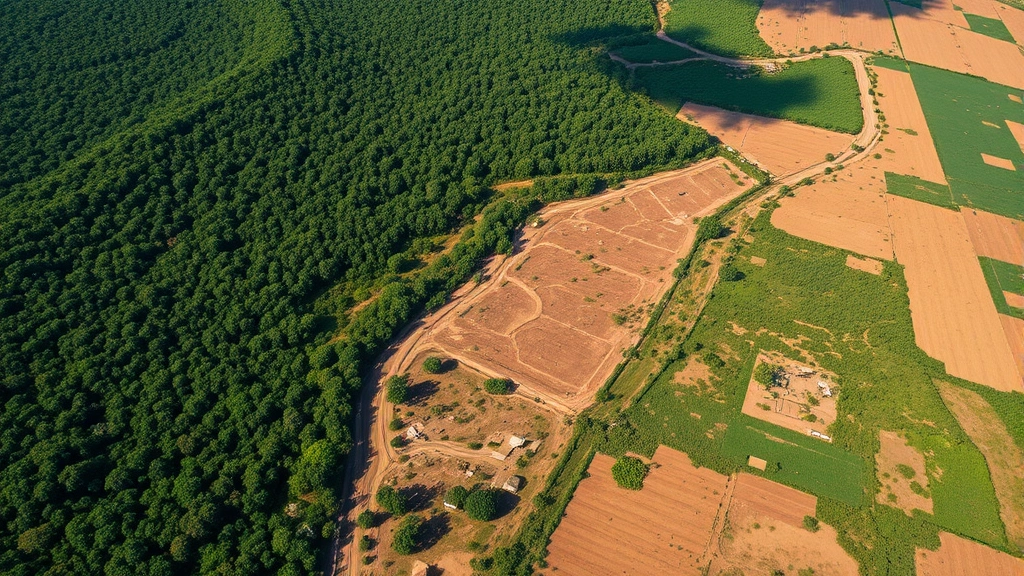
Mining, logging, and petroleum extraction represent direct mechanisms through which economic growth destroys ecosystems. These industries expand proportionally with economic development, particularly in resource-rich developing nations. A single mining operation can devastate hundreds of thousands of hectares of habitat, contaminate water systems for decades, and generate persistent biodiversity losses.
The Amazon rainforest exemplifies this dynamic. Economic growth in Brazil, driven partially by agricultural exports and mining, has converted approximately 17% of the original forest. Each percentage point of GDP growth historically correlates with accelerated deforestation rates, as economic actors respond to market incentives for resource extraction. The ecosystem services lost—carbon sequestration, water regulation, species habitat—are not accounted in GDP calculations, creating fundamental policy misalignment.
Implementing strategies to reduce carbon footprint becomes increasingly critical in extraction-intensive economies. However, individual behavioral changes cannot offset systemic drivers embedded in economic growth models that prioritize resource extraction. Structural economic transformation requires fundamental shifts in how societies measure progress beyond GDP metrics.
Coastal zone development for tourism and urban expansion destroys mangrove forests, coral reefs, and wetlands that provide critical nursery habitats for marine species. These ecosystems generate substantial economic value through fisheries support and storm protection, yet development decisions ignore these service values. Economic growth metrics count the development gains while excluding the ecosystem service losses, creating systematic undervaluation of conservation.
The Carbon-Growth Nexus
Climate destabilization represents perhaps the most significant long-term ecosystem impact of growth-driven economic systems. Global carbon emissions correlate strongly with GDP growth, with developing economies showing particularly tight coupling. While high-income nations achieved some emissions reductions through efficiency improvements and sectoral shifts, global emissions continue rising as lower-income nations industrialize.
The energy sector drives this dynamic fundamentally. Economic growth requires energy expansion, and fossil fuels currently supply 82% of global energy. Even with renewable energy deployment accelerating, absolute energy demand growth outpaces clean energy additions, resulting in net emissions increases. This reflects the rebound effect—efficiency improvements reduce energy costs, stimulating additional energy consumption that partially or fully offsets efficiency gains.
Climate change cascades through ecosystems with devastating consequences. Ocean acidification undermines calcifying organisms (corals, mollusks, crustaceans), disrupting marine food webs. Temperature shifts alter species distributions, phenological timing, and ecosystem composition. Drought intensifies in some regions while flooding increases elsewhere, destabilizing agricultural systems and water availability. Coral bleaching events, driven by warming waters, have already destroyed approximately 50% of global coral reef ecosystems—biodiversity hotspots supporting 25% of marine species despite covering less than 1% of ocean floor.
Decoupling Theory and Reality
Environmental economists have long promoted decoupling—the concept that economic growth can continue while reducing environmental impact through technological innovation and structural change. Proponents cite examples of high-income nations reducing emissions or resource consumption per unit GDP. However, comprehensive analysis reveals critical limitations to this narrative.
First, apparent decoupling in high-income nations often reflects carbon outsourcing—manufacturing shifts to lower-income countries with weaker regulations, while high-income nations import emissions-intensive goods. Consumption-based accounting reveals that high-income nations’ true carbon footprints remain largely unchanged despite production-based emissions reductions. Second, relative decoupling (reducing impact per unit GDP) differs fundamentally from absolute decoupling (reducing total environmental impact). Most decoupling remains relative—total resource extraction, waste generation, and emissions continue growing absolutely.
Third, decoupling strategies concentrate in specific sectors (energy, manufacturing) while expanding rapidly in others (aviation, shipping, data centers). Global extraction of biomass, metals, and fossil fuels reached 100 billion tons annually in 2020, increasing 3% annually despite efficiency improvements. Recycling and circular economy initiatives, while beneficial, cannot offset growth-driven extraction acceleration. Material throughput continues rising in absolute terms across most economic systems.
Recent research from ecological economics journals challenges the decoupling premise fundamentally. Biophysical accounting reveals that economies operate within planetary boundaries—finite regeneration rates for biological resources and finite absorption capacity for wastes. Permanent absolute decoupling at global scale remains theoretically implausible given thermodynamic constraints, though some regions may achieve temporary relative improvements through technology transfer and policy innovation.
Regional Variations in Economic-Ecological Impacts
The relationship between economic growth and ecosystem degradation varies substantially across regions, reflecting differences in development stages, governance capacity, resource endowments, and environmental regulations. Understanding these variations reveals opportunities for policy differentiation and context-specific interventions.
In rapidly industrializing Southeast Asian economies, economic growth correlates tightly with forest loss, marine ecosystem degradation, and air pollution accumulation. Weak environmental governance, combined with capital’s mobility and competitive pressures to attract investment, create races-to-the-bottom in environmental standards. Countries prioritize growth over ecosystem protection, reasoning that environmental investment can occur after achieving high-income status—a strategy that locks in irreversible ecological changes.
Conversely, some high-income European nations combined economic growth with environmental protection through strong governance institutions, stringent regulations, and technological investment. However, these successes often involve outsourcing environmentally intensive production to lower-income nations, complicating assessment of true environmental progress. Domestic ecosystem improvements coexist with expanded global ecological footprints.
Agricultural economies in Africa and South Asia face acute growth-ecosystem conflicts. Population expansion and income growth drive agricultural intensification in regions with fragile ecosystems and limited irrigation infrastructure. Pastoralist systems convert to sedentary agriculture, degrading rangelands. Groundwater extraction for irrigation depletes aquifers accumulated over millennia. Economic growth in these contexts often generates ecosystem degradation that undermines long-term agricultural viability and food security.
Exploring natural environment teaching approaches reveals how education systems can better prepare citizens to understand these regional variations and support evidence-based policy development. Educational initiatives must move beyond generic sustainability messaging to develop quantitative literacy regarding growth-ecology tradeoffs specific to regional contexts.
Policy Mechanisms for Sustainable Growth
Addressing growth-ecosystem conflicts requires policy interventions operating across multiple levels—international agreements, national legislation, market mechanisms, and community-based management. Effective approaches typically combine regulatory constraints with economic incentives and technological innovation.
Natural capital accounting represents a foundational reform. Incorporating ecosystem service values into national accounts would fundamentally alter growth calculations. When forest carbon sequestration, water purification, and biodiversity support are valued and subtracted from GDP calculations when destroyed, economic incentives shift toward conservation. Several countries (Costa Rica, Bhutan, New Zealand) have pioneered natural capital accounting frameworks, though implementation remains incomplete and methodologically contested.
Carbon pricing mechanisms—taxes or cap-and-trade systems—internalize climate externalities by placing prices on emissions. Effective carbon prices (above $50-100 per ton CO2) create strong incentives for emissions reduction across economic sectors. However, current global average carbon prices remain below $5 per ton, insufficient to drive transformation. Expanding carbon pricing to all major emitters while setting prices at economically meaningful levels represents critical policy priority.
Protected area expansion with effective management preserves remaining ecosystems and maintains biodiversity. However, protected areas cover only 17% of terrestrial ecosystems and often exclude the most economically valuable lands. Expanding protection requires reconciling conservation objectives with economic pressures, potentially through payments for ecosystem services, sustainable use models, and community benefit-sharing arrangements.
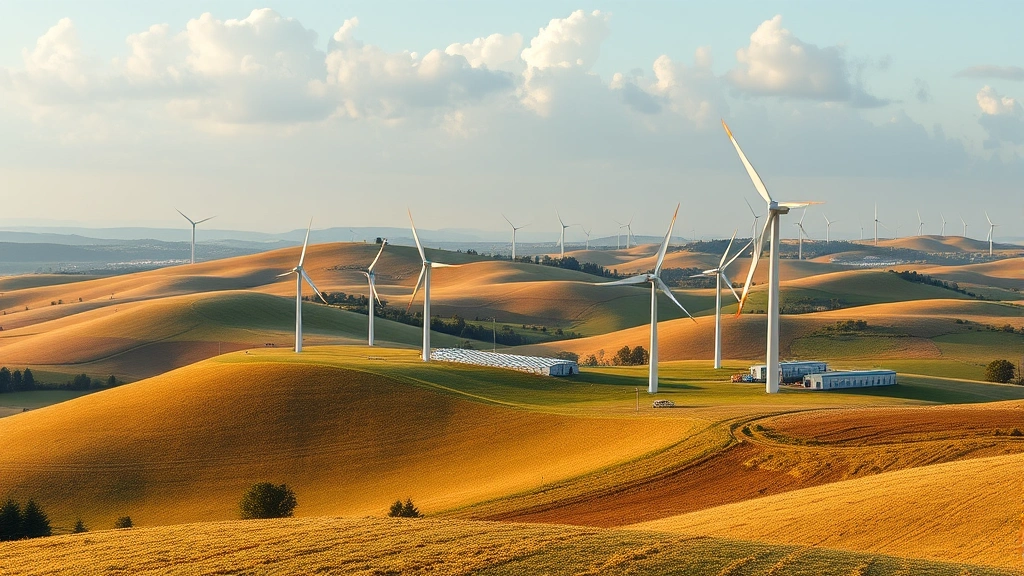
Renewable energy deployment accelerates through supportive policies including subsidies, tax incentives, grid integration standards, and research investment. Renewable energy costs have declined dramatically, making economic competitiveness increasingly viable without subsidies. However, scaling to replace fossil fuels globally requires policy frameworks overcoming incumbent fossil fuel industry influence and infrastructure lock-in.
Circular economy approaches minimize resource extraction and waste by maintaining materials in production cycles through reuse, repair, and recycling. While valuable, circular economy frameworks cannot achieve sustainability within growth paradigms that continuously expand material throughput. Circular approaches work optimally within steady-state or degrowth economic frameworks rather than perpetual expansion.
Exploring renewable energy for homes demonstrates how household-level technology adoption can contribute to emissions reductions. However, household-scale solutions remain insufficient without systemic economic transformation addressing production systems, transportation infrastructure, and industrial processes generating majority of environmental impacts.
International policy coordination through frameworks like the Paris Climate Agreement establishes shared commitments, though enforcement mechanisms remain weak and progress lags commitments. Strengthening international environmental governance requires mechanisms for technology transfer, climate finance for adaptation and mitigation in vulnerable nations, and enforcement authority to penalize non-compliance.
The UNEP Emissions Gap Report documents persistent shortfalls between national commitments and required emissions reductions for limiting warming to 1.5-2°C. Closing this gap requires policies far more ambitious than currently implemented globally, suggesting that incremental policy adjustments within existing growth frameworks prove insufficient for achieving ecological sustainability.
FAQ
Does economic growth always harm ecosystems?
Economic growth typically correlates with increased environmental impact in most contexts, though relationships vary by region, sector, and policy framework. Some high-income nations achieved relative decoupling—reducing environmental impact per unit GDP—through technology and regulation. However, absolute decoupling remains rare globally, and consumption-based accounting reveals that apparent improvements often reflect outsourcing rather than genuine sustainability. The fundamental challenge stems from growth imperative requiring continuous material and energy expansion, which ultimately conflicts with finite planetary boundaries.
Can renewable energy fully replace fossil fuels within growth frameworks?
Renewable energy deployment is necessary for emissions reduction but insufficient alone for sustainability within perpetual growth models. Renewable energy enables electrification of transportation and heating while reducing grid emissions, yet expanding total energy supply through renewables still drives ecosystem impacts through land use, mining for materials, and infrastructure development. Energy efficiency must accompany renewable deployment, though rebound effects limit efficiency gains. Fundamentally, achieving sustainability likely requires combining renewable energy with reduced total energy throughput—implying lower material consumption and slower growth than contemporary trajectories.
What role should developing nations play in growth-ecology tradeoffs?
Developing nations face acute dilemmas between pursuing growth for poverty reduction and protecting ecosystems for long-term sustainability. Historical responsibility for climate change rests primarily with high-income nations that industrialized using fossil fuels. Climate justice frameworks suggest that developing nations deserve development space and technology transfer support. However, replicating high-income nations’ resource-intensive development models would exceed planetary boundaries. Optimal pathways involve leapfrogging directly to renewable energy and circular economy approaches, supported by technology transfer and climate finance from high-income nations. This requires fundamentally reimagining development beyond conventional growth models.
How do ecosystem tipping points relate to economic growth?
Many ecosystems exhibit tipping points—thresholds beyond which systems shift to alternative stable states with reduced functionality and resilience. Amazon rainforest conversion to savanna, coral reef transformation to algal-dominated systems, and permafrost thaw releasing methane represent major tipping point risks. Economic growth accelerates pressure toward these thresholds through habitat destruction, climate change, and pollution. Once exceeded, tipping points often prove irreversible on human timescales, creating permanent losses of ecosystem services. This reality suggests that precautionary approaches limiting growth-driven ecosystem pressures prove more prudent than continuing current trajectories toward unknown tipping point locations.
What alternatives to growth-based economics exist?
Ecological economics, steady-state economics, and degrowth frameworks propose alternatives to perpetual growth. Steady-state economics maintains constant material throughput while improving efficiency and wellbeing within biophysical limits. Degrowth frameworks suggest that high-income nations must reduce material consumption and economic scale to achieve sustainability while supporting development in lower-income nations. These alternatives emphasize wellbeing, equity, and ecological health over GDP expansion. Implementation requires fundamental institutional restructuring including reformed financial systems, alternative work arrangements, and redefined success metrics. While politically challenging, mounting ecological evidence suggests these transitions become increasingly necessary as planetary boundaries tighten.


