Is Green Energy Economically Viable? Economist Insight
The debate surrounding green energy’s economic viability has evolved dramatically over the past decade. What was once dismissed as an expensive luxury for wealthy nations has become increasingly recognized as a competitive economic opportunity. This shift reflects fundamental changes in renewable energy technology costs, evolving market dynamics, and the growing understanding of hidden expenses associated with fossil fuels. Understanding whether green energy is truly economically viable requires examining both direct costs and broader economic implications.
The central question is no longer whether renewable energy can be economically viable, but rather under what conditions and timescales it becomes the most rational economic choice. Technological advances, policy support, and declining manufacturing costs have created a convergence point where environmental responsibility and economic prudence increasingly align. This article explores the multifaceted economic case for green energy through data-driven analysis, examining cost trajectories, employment opportunities, and systemic economic benefits that extend beyond simple kilowatt-hour pricing.

The Cost Revolution in Renewable Energy
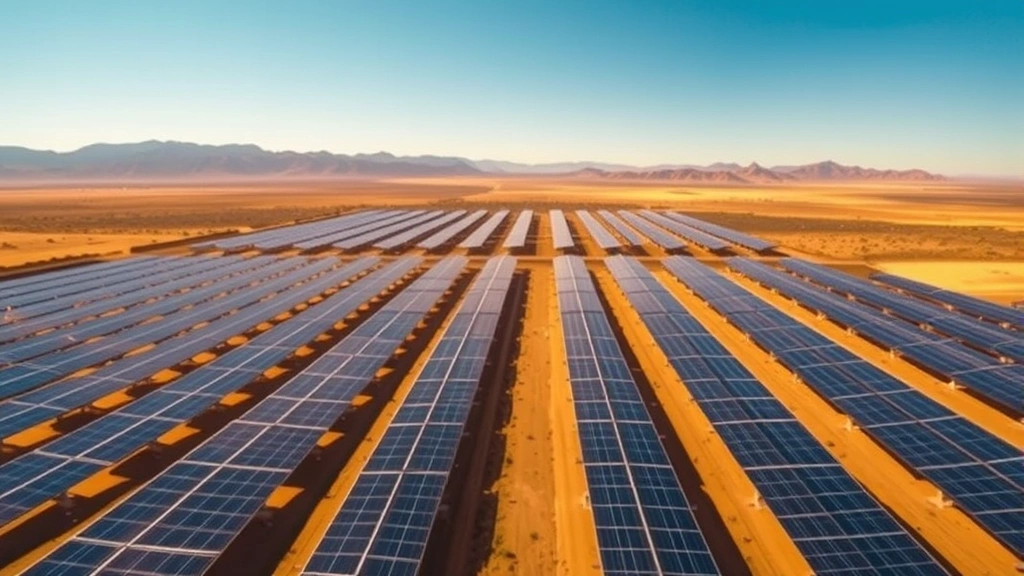
The most compelling economic argument for green energy stems from the dramatic decline in renewable energy costs over the past fifteen years. Solar photovoltaic module prices have fallen approximately 90% since 2010, while wind turbine costs have declined by roughly 70% during the same period. These reductions have fundamentally altered the economics of energy generation worldwide, making renewables increasingly cost-competitive with incumbent fossil fuel technologies.
Understanding the definition of environment and environmental science frameworks helps contextualize how renewable energy fits within broader ecological economic models. The economic viability of green energy cannot be separated from its environmental context—the two are inherently interconnected through both direct costs and externalities.
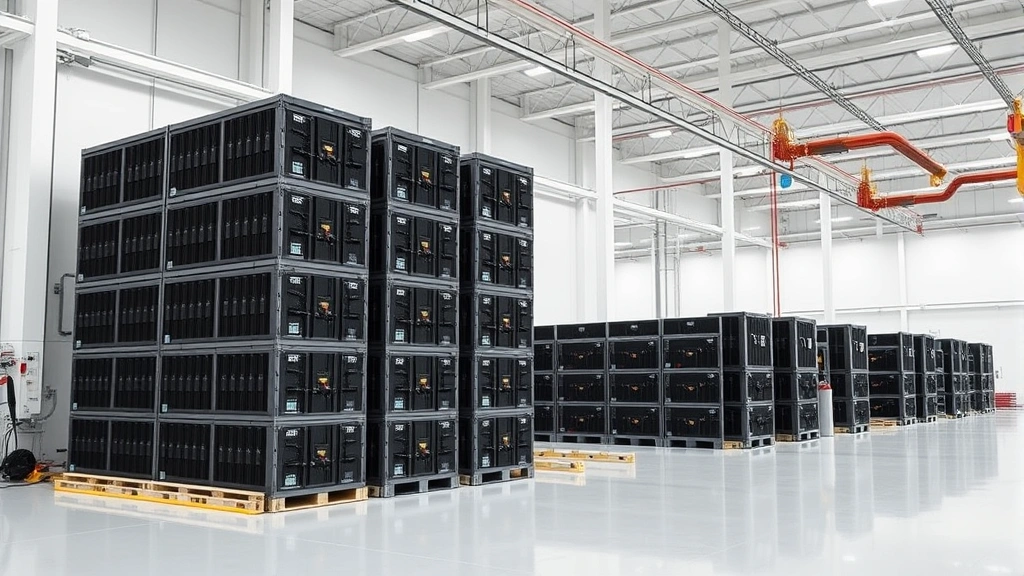
Battery storage costs have similarly plummeted, declining over 85% since 2010. This technological progress addresses one of the primary objections to renewable energy: intermittency and storage challenges. As storage becomes economically viable, the integration of renewable energy into existing grids becomes increasingly feasible without requiring excessive backup capacity or grid redesign. The International Renewable Energy Agency (IRENA) projects that by 2050, renewable energy could become the dominant energy source globally, driven largely by economic competitiveness rather than environmental mandates alone.
Manufacturing scale plays a crucial role in this cost trajectory. As production volumes increase, economies of scale reduce per-unit manufacturing costs. China’s dominance in solar panel and battery production has created competitive pressures that benefit global consumers. The learning curve effect—where production costs decline with cumulative production—continues driving down renewable energy expenses, making historical cost comparisons increasingly obsolete for forward-looking economic analysis.
Comparing Levelized Cost of Energy
The levelized cost of energy (LCOE) provides a standardized metric for comparing energy generation technologies across their operational lifespans. LCOE calculations account for capital costs, operating expenses, fuel costs, and capacity factors, providing a comprehensive cost perspective that simple fuel price comparisons miss. Recent analyses consistently demonstrate that renewable energy sources now offer the lowest LCOE in many markets globally.
In the United States, wind and solar LCOE values have fallen below natural gas generation in numerous regions, particularly in areas with favorable wind resources or abundant sunshine. Lazard’s annual levelized cost of energy analysis indicates that utility-scale solar and onshore wind represent the cheapest sources of new electricity generation in most markets, often undercutting coal and natural gas without subsidies. This represents a fundamental shift in energy economics that occurred within the past five years.
LCOE comparisons must account for important contextual factors. Renewable energy’s declining fuel costs contrast sharply with fossil fuels’ vulnerability to price volatility and geopolitical supply disruptions. While coal and natural gas prices fluctuate based on global commodity markets, renewable energy’s marginal operating costs remain essentially zero after initial infrastructure investment. This characteristic provides long-term price stability and reduces exposure to supply chain risks that plague traditional energy sources.
The economic advantage extends beyond simple electricity cost comparisons. Renewable energy infrastructure often enables local economic development, reduces energy import dependency, and creates opportunities for distributed generation that can enhance grid resilience. These broader economic benefits rarely appear in LCOE calculations but significantly impact overall economic outcomes for communities adopting renewable energy infrastructure.
Hidden Costs of Fossil Fuels
A critical economic oversight in traditional energy cost analyses involves the failure to account for externalities—costs imposed on society that do not appear in market prices. Fossil fuel combustion generates substantial negative externalities through air pollution, climate change impacts, and ecosystem degradation. When these hidden costs are quantified and incorporated into economic analysis, the relative cost advantage of green energy becomes substantially more pronounced.
Air pollution from fossil fuel combustion costs the global economy an estimated $2.4 trillion annually in health impacts and productivity losses, according to World Bank research. These expenses include premature mortality, respiratory disease treatment, lost work productivity, and healthcare infrastructure demands. When distributed across energy units produced, these health externalities significantly increase the true economic cost of coal and natural gas electricity generation.
Climate change impacts represent another substantial hidden cost of fossil fuel energy systems. The economic damages from climate change—including extreme weather events, agricultural disruption, infrastructure damage, and displacement costs—accumulate rapidly. The human environment interaction dynamics created by fossil fuel dependence generate cascading economic consequences that extend far beyond direct energy production costs. Insurance industry analyses increasingly reflect these climate risks through rising premiums and coverage restrictions in vulnerable regions.
Water consumption and pollution represent additional externalized costs. Fossil fuel power plants consume enormous quantities of freshwater for cooling, competing with agricultural and municipal needs. Coal mining operations contaminate groundwater with heavy metals and acidic drainage, creating long-term cleanup liabilities that often become public expenses. These environmental costs translate directly into economic burdens borne by affected communities and governments.
The economic argument for green energy strengthens considerably when comprehensive cost accounting includes these externalities. Research from ecological economics journals increasingly demonstrates that fossil fuels remain economically competitive only when society absorbs substantial hidden costs. Carbon pricing mechanisms, if properly implemented, would dramatically accelerate renewable energy adoption by forcing fossil fuels to bear their true economic costs.
Job Creation and Economic Growth
Green energy sectors generate substantial employment opportunities that contribute to economic development and workforce diversification. Renewable energy industries employ workers across manufacturing, installation, maintenance, and grid integration roles. These jobs frequently offer competitive wages, cannot be outsourced, and contribute to local economic resilience through distributed employment patterns.
The renewable energy sector currently employs over 12 million people globally, with employment growth rates substantially exceeding fossil fuel industry employment. Wind and solar manufacturing, installation, and maintenance generate more jobs per unit of energy produced compared to conventional power generation. This employment multiplier effect creates additional economic activity through worker spending and local supply chain development.
Exploring environmental careers reveals the diverse economic opportunities emerging from green energy transitions. From electrical engineers designing advanced grid systems to community energy coordinators developing local renewable projects, the employment landscape spans skill levels and educational backgrounds. This inclusive employment opportunity structure supports broader economic equity objectives while addressing labor market needs.
Regional economic development benefits concentrate in areas with renewable energy manufacturing and installation infrastructure. Communities developing wind and solar industries experience increased tax revenues, property values, and commercial activity. Agricultural regions benefit from revenue-sharing arrangements with wind farms, providing supplementary income that enhances farm economic viability and prevents land consolidation pressures.
The transition from fossil fuel industries creates economic challenges requiring deliberate policy support for affected workers and communities. However, renewable energy employment growth substantially exceeds fossil fuel job losses in most developed economies, creating net employment gains. Strategic workforce development programs can facilitate transitions, ensuring that economic benefits from green energy reach workers previously dependent on conventional energy sectors.
Infrastructure Investment and Returns
Green energy infrastructure requires substantial upfront capital investment but generates long-term economic returns through reduced operational costs and avoided energy imports. The economic viability of renewable energy projects depends critically on capital availability, financing costs, and policy frameworks that ensure predictable revenue streams for investors.
Renewable energy projects typically require 80-90% of their lifecycle costs upfront for equipment and installation, with minimal ongoing fuel expenses. This cost structure contrasts with fossil fuel plants requiring continuous fuel purchases throughout operational lifespans. The capital-intensive nature of renewable energy demands robust financing mechanisms, but the favorable operating cost structure supports long-term economic sustainability once infrastructure is deployed.
Public and private investment in renewable energy infrastructure has accelerated dramatically, with global renewable energy investment exceeding $300 billion annually. This capital deployment reflects market confidence in renewable energy economic viability, particularly as return-on-investment timelines have compressed due to declining costs. Institutional investors increasingly recognize renewable energy as offering stable, inflation-protected returns with acceptable risk profiles.
Infrastructure investment multiplier effects extend economic benefits throughout supply chains and local communities. Manufacturing equipment, construction materials, and installation services support economic activity beyond the renewable energy sector itself. These multiplier effects enhance the net economic benefit from green energy transitions, contributing to broader economic growth and development objectives.
The transition toward renewable energy infrastructure also reduces long-term economic vulnerability to energy supply disruptions and price volatility. Countries investing heavily in domestic renewable energy capacity reduce reliance on energy imports, improving trade balances and enhancing energy security. This economic resilience benefit represents a substantial long-term advantage that extends beyond simple cost comparisons.
Grid Integration Economics
Integrating variable renewable energy sources into electrical grids requires investments in transmission infrastructure, energy storage, and grid management systems. The economics of grid integration have improved substantially as battery storage costs have declined and smart grid technologies have advanced. Understanding these integration economics is essential for assessing green energy’s overall economic viability.
High renewable energy penetration requires grid flexibility to accommodate variable generation patterns. Energy storage systems, demand response programs, and flexible generation capacity provide this flexibility. The economic cost of grid integration varies significantly based on renewable energy penetration levels, existing infrastructure characteristics, and geographic diversity of renewable resources. Regions with abundant hydroelectric capacity or natural gas reserves can accommodate higher renewable penetration at lower integration costs.
Smart grid technologies enable more efficient energy distribution and real-time balancing of supply and demand. Advanced metering, automated controls, and artificial intelligence systems optimize energy flows and reduce waste. While these technologies require initial investment, they generate economic returns through improved efficiency, reduced transmission losses, and enhanced reliability. These benefits extend beyond renewable energy integration, improving overall grid economics.
Transmission infrastructure development represents a significant cost component for renewable energy integration, particularly when renewable resources concentrate in geographically distant locations. High-voltage transmission lines enabling long-distance energy transport require substantial capital investment but facilitate economically optimal resource utilization. The economic justification for transmission investments depends on long-term energy demand projections and renewable resource availability patterns.
The transition toward distributed renewable energy systems offers alternative economic approaches to centralized renewable development. Rooftop solar installations, small-scale wind systems, and community energy projects reduce transmission requirements while creating local economic development benefits. The economic viability of distributed systems depends on local resource availability, technology costs, and regulatory frameworks supporting distributed generation.
Regional Variations and Market Dynamics
Green energy economic viability varies substantially across regions due to differences in renewable resources, existing infrastructure, electricity demand patterns, and policy frameworks. Understanding these regional variations is essential for realistic economic assessment and identifying optimal renewable energy deployment strategies.
Regions with abundant solar resources—including much of Africa, the Middle East, and southern United States—can deploy solar energy at exceptionally low costs. Areas with consistent wind patterns, particularly coastal regions and elevated terrain, achieve similarly competitive economics for wind energy. Geographic resource endowments fundamentally shape renewable energy economics and influence optimal technology deployment strategies for different regions.
Electricity demand patterns affect renewable energy economics significantly. Regions with strong correlation between renewable energy generation and electricity demand achieve better integration economics. Solar energy aligns naturally with daytime peak demand in many regions, while wind generation patterns vary geographically. Understanding these demand-supply dynamics enables more economically efficient renewable energy deployment.
Existing electricity infrastructure characteristics influence renewable energy integration costs substantially. Regions with aging coal and natural gas infrastructure may face higher integration costs if rapid renewable energy expansion occurs. However, strategic infrastructure planning can minimize these costs by coordinating renewable energy deployment with necessary grid modernization and infrastructure replacement cycles.
Policy frameworks and regulatory structures create vastly different economic conditions for renewable energy across jurisdictions. Feed-in tariffs, renewable energy mandates, investment tax credits, and carbon pricing mechanisms fundamentally alter renewable energy economics. Regions implementing supportive policies experience faster renewable energy deployment and greater economic benefits than regions maintaining fossil fuel-favorable regulatory structures.
Policy Framework and Economic Incentives
Government policies significantly influence green energy economic viability through various incentive mechanisms and regulatory frameworks. Understanding these policy tools is essential for comprehending current renewable energy economics and projecting future trajectories. Effective policy design can accelerate renewable energy deployment while minimizing economic distortions and ensuring efficient resource allocation.
Investment tax credits, production tax credits, and accelerated depreciation provisions reduce the effective cost of renewable energy infrastructure, improving project economics. These incentive mechanisms have proven particularly effective at stimulating renewable energy deployment during technology maturation phases when costs remained high relative to conventional generation. As renewable costs have declined, the economic necessity of such incentives has diminished, though they continue supporting deployment in many jurisdictions.
Renewable energy mandates requiring utilities to source specified percentages of electricity from renewable sources create stable demand for renewable generation. These policy mechanisms provide revenue certainty that supports project financing and enables long-term economic planning. Feed-in tariff systems guaranteeing renewable energy producers fixed prices for extended periods similarly enhance economic predictability and project viability.
Carbon pricing mechanisms—whether through carbon taxes or cap-and-trade systems—address the fundamental market failure that allows fossil fuels to ignore their climate and health externalities. Properly designed carbon pricing would make fossil fuels substantially more expensive, dramatically improving renewable energy’s competitive position. The approaches to reduce carbon footprint at systemic levels depend critically on carbon pricing and similar policy mechanisms that internalize environmental costs.
Grid modernization investments supported by government funding or regulatory requirements enhance renewable energy integration economics. Transmission infrastructure development, smart grid deployment, and energy storage system investments reduce the cost of accommodating variable renewable generation. Strategic public investment in grid infrastructure complements private renewable energy deployment, creating more economically efficient energy systems overall.
Research and development support for emerging renewable technologies and energy storage systems continues driving cost reductions. Government funding for basic research, demonstration projects, and manufacturing scale-up accelerates technology maturation and cost decline. These investments generate substantial economic returns through competitive advantages and avoided energy import costs.
Workforce development programs supporting transitions from fossil fuel industries to renewable energy sectors address equity concerns while ensuring labor market transitions proceed smoothly. Training programs, wage insurance, and community economic development support mitigate negative impacts on affected workers and communities. These investments represent economically rational responses to inevitable energy transitions, reducing social costs and distributing benefits more equitably.
FAQ
What is the current cost comparison between renewable and fossil fuel energy?
Solar and wind energy now offer the lowest levelized cost of electricity in most markets globally, often undercutting fossil fuels without subsidies. However, regional variations are significant, and total system costs including grid integration must be considered for comprehensive comparisons.
How do hidden costs affect fossil fuel economics?
Air pollution, climate change impacts, water contamination, and health effects create substantial externalities that increase fossil fuel’s true economic cost to society. When quantified, these hidden costs often exceed $100-200 per megawatt-hour, dramatically improving renewable energy’s competitive position.
Will green energy create sufficient employment?
Yes, renewable energy sectors generate more jobs per unit of energy produced than fossil fuel industries. Current employment exceeds 12 million globally and continues expanding, though transitions require support for workers in declining fossil fuel industries.
What role do government policies play in green energy economics?
Government policies fundamentally shape renewable energy economics through incentives, mandates, carbon pricing, and infrastructure investment. Supportive policies accelerate deployment and cost reductions, though renewable economics increasingly favor deployment even without substantial subsidies.
How does energy storage affect renewable energy viability?
Declining battery storage costs have transformed renewable energy economics by addressing intermittency concerns. Storage enables higher renewable penetration and improves grid reliability, making variable renewable energy substantially more economically viable than previously possible.
Are there regional differences in renewable energy viability?
Absolutely. Solar resources, wind patterns, existing infrastructure, demand characteristics, and policy frameworks create substantial regional variations. Some regions achieve exceptional renewable economics while others require different deployment strategies or greater policy support.
How do I evaluate renewable energy options for my property?
Consider available resources, system costs, financing options, local incentives, and expected consumption patterns. Resources like renewable energy for homes guides provide practical frameworks for residential renewable energy evaluation.
What timeline should we expect for energy transitions?
Energy transitions occur over decades due to infrastructure longevity and capital stock turnover. However, accelerating renewable deployment and declining costs suggest global electricity systems could be predominantly renewable-powered by 2050, with faster transitions possible in favorable regions.


