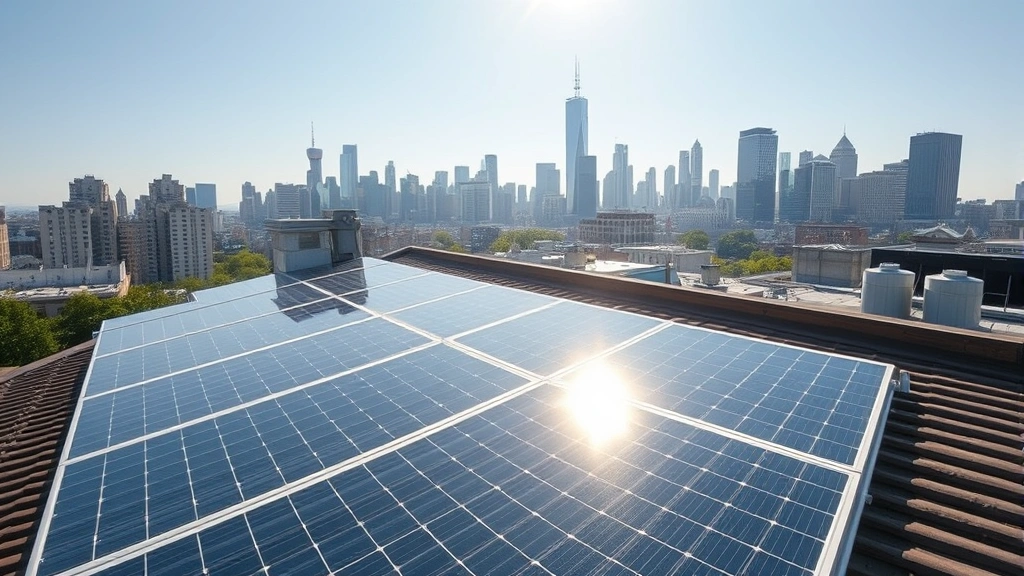
Can Green Policies Boost Economy? Economist Insights on Environmental Economics
The intersection of environmental policy and economic growth has become one of the most pressing debates in modern economics. For decades, policymakers faced a false dichotomy: either pursue environmental protection at the cost of economic prosperity, or prioritize growth while degrading natural systems. Contemporary economic research fundamentally challenges this premise. Leading economists now demonstrate that strategic green policies can simultaneously enhance environmental quality and generate substantial economic returns through job creation, innovation, and risk mitigation.
This comprehensive analysis examines how environmental regulations, renewable energy investments, and sustainable practices translate into measurable economic benefits. By synthesizing insights from ecological economics, environmental policy research, and empirical case studies, we explore the mechanisms through which green policies function as economic catalysts rather than constraints. Understanding these dynamics is essential for policymakers, businesses, and citizens navigating the transition to sustainable economies.
The Economic Case for Environmental Protection
Traditional economic models treated environmental resources as externalities—costs imposed on society that weren’t reflected in market prices. This fundamental accounting error created perverse incentives favoring resource depletion over conservation. Environmental economics, a field pioneered by researchers studying natural capital valuation, reveals that this approach drastically undervalues ecosystem services worth trillions annually.
The World Bank estimates that ecosystem services—including pollination, water purification, climate regulation, and soil formation—contribute approximately 125 trillion dollars to global economic value. When environmental degradation is properly accounted for, nations experiencing resource depletion face hidden economic losses that dwarf short-term extraction gains. A country harvesting forests unsustainably might report GDP growth while experiencing net wealth decline.
Green policies function as corrective mechanisms, internalizing environmental costs into economic decision-making. Carbon pricing, pollution taxes, and conservation regulations align market incentives with ecological realities. Research from UNEP’s Emissions Gap Report demonstrates that properly designed environmental policies reduce long-term economic volatility by protecting against resource shocks, supply chain disruptions, and catastrophic climate impacts.
Understanding what environment means in scientific context helps clarify why economic models must incorporate ecological limits. The economy exists within the environment, not vice versa. This hierarchical relationship means that environmental degradation ultimately constrains economic activity.
Green Jobs and Employment Growth
One of the most compelling arguments for green policies centers on employment creation. Renewable energy, energy efficiency retrofitting, sustainable agriculture, and environmental remediation are labor-intensive sectors generating more jobs per dollar invested than fossil fuel industries. The International Renewable Energy Agency reports that renewable energy sectors employed 12.7 million people globally in 2021, with growth trajectories far exceeding fossil fuel employment.
Green jobs offer additional advantages: they’re typically distributed geographically (solar installations occur locally), resistant to automation, and increasingly offer competitive wages. A transition toward green energy creates employment opportunities across education levels, from skilled technicians to engineers. Communities historically dependent on extractive industries can develop diversified economies through strategic green policy implementation.
The multiplier effects of green employment amplify initial economic stimulus. Workers in renewable energy sectors spend wages locally, supporting retail, hospitality, and service businesses. Manufacturing renewable technology components generates additional jobs in supply chains. Unlike resource extraction, which concentrates wealth and often involves capital-intensive, automated processes, green sectors foster broad-based economic participation.
Examining human environment interaction patterns reveals how employment transitions reshape community relationships with natural systems. Communities investing in sustainable practices develop long-term economic resilience by managing resources within regenerative capacity limits.
Innovation and Technological Advancement
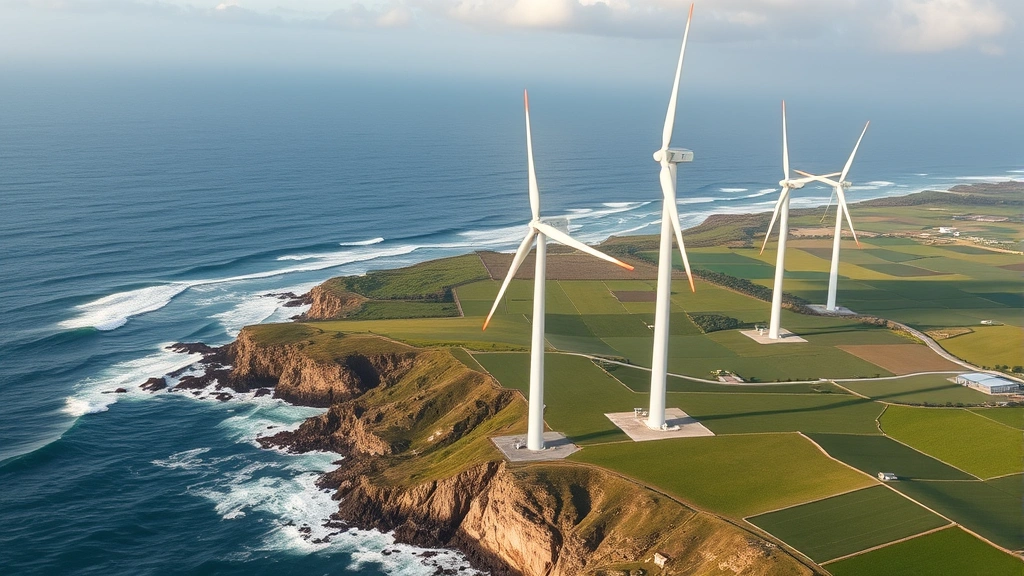
Environmental constraints catalyze innovation by creating economic incentives for efficiency improvements and technological breakthroughs. The cost decline of solar photovoltaic technology—dropping 90 percent over the past decade—resulted directly from green policy support driving manufacturing scale and research investment. Similar trajectories characterize battery technology, wind turbines, and energy storage systems.
Green policies stimulate innovation across multiple dimensions. Regulatory standards requiring emissions reductions motivate engineers to develop cleaner production processes. Carbon pricing creates financial incentives for technological substitution. Government research funding supports basic science underlying next-generation clean technologies. Patent data demonstrates that environmental regulations consistently correlate with increased patent filings in clean technology sectors.
These innovations generate spillover benefits extending beyond environmental applications. Battery technology developed for electric vehicles improves grid storage, renewable energy integration, and consumer electronics. Advanced materials research for lightweight vehicles reduces weight across manufacturing sectors. Smart grid technologies optimizing renewable energy distribution enhance overall system efficiency.
The National Bureau of Economic Research documents that environmental policy-induced innovations often outperform alternatives by creating technologies solving multiple problems simultaneously. A renewable energy system simultaneously addresses climate change, air pollution, energy security, and resource depletion.
Cost of Inaction: Climate and Environmental Risks
Rigorous economic analysis of climate inaction reveals catastrophic costs dwarfing green policy expenses. The Stern Review, a comprehensive economic assessment of climate change, concluded that inaction costs 5-20 percent of global GDP, while mitigation investments require only 1 percent of GDP. This analysis fundamentally shifted policy discussions by demonstrating that environmental protection represents superior economic strategy compared to adaptation or acceptance of degradation.
Environmental risks impose direct economic damages through extreme weather events, agricultural disruption, infrastructure failure, and health crises. Hurricanes, floods, and droughts generate billions in annual losses, with frequencies and intensities increasing alongside global temperatures. Supply chains dependent on climate-sensitive resources face escalating volatility and cost pressures.
Property values in climate-vulnerable regions decline as risks become apparent, destroying wealth and constraining economic activity. Insurance markets increasingly price climate risks, raising costs for businesses and individuals in vulnerable areas. Financial institutions recognize climate change as a systemic risk threatening asset values and economic stability.
Examining environmental effects of fossil fuel extraction and use demonstrates how current energy systems impose hidden costs. Air pollution from fossil fuel combustion costs societies hundreds of billions annually in healthcare expenses, productivity losses, and premature mortality. These costs represent transfers from public health to fossil fuel profits—economically inefficient and ethically indefensible.
Green policies prevent these cascading costs by transitioning away from risk-generating systems toward sustainable alternatives. The economic case for action strengthens as climate impacts accelerate and risk quantification improves.
Policy Mechanisms That Drive Economic Growth
Effective green policies employ diverse mechanisms, each with distinct economic implications. Carbon pricing—whether through taxes or cap-and-trade systems—creates market incentives for emissions reductions while generating government revenue. Revenue can fund worker transition programs, infrastructure investment, or tax reduction, offsetting policy costs.
Renewable energy subsidies and tax credits reduce clean energy costs, accelerating adoption toward economic competitiveness. As deployment scales, manufacturing costs decline through learning curves and competition. Subsidies become unnecessary once technologies achieve cost parity, as demonstrated by solar and wind energy in many markets.
Building efficiency standards drive retrofitting investments generating energy savings exceeding upfront costs within 5-10 years. Property owners benefit from reduced utility expenses while energy systems achieve lower peak demand. The World Bank identifies energy efficiency as among the highest-return climate investments available.
Environmental regulations mandating pollution controls or resource conservation establish level playing fields preventing firms from gaining competitive advantage through environmental degradation. Regulations also prevent tragedy-of-the-commons scenarios where individual profit-maximizing behavior generates collective losses.
Strategies for reducing carbon footprints at individual and organizational levels accumulate into systemic transformation when supported by policy frameworks creating appropriate incentives.
Real-World Examples and Success Stories
Denmark’s renewable energy transition provides compelling evidence of green policy economic benefits. By investing in wind energy and developing supportive policies, Denmark created a world-leading wind turbine manufacturing industry employing thousands and generating substantial exports. The country now generates over 80 percent of electricity from renewables while maintaining lower electricity costs than many fossil fuel-dependent nations.
Germany’s Energiewende (energy transition) policy demonstrates how comprehensive green policy frameworks drive economic transformation. Despite initial skepticism about costs, Germany developed thriving renewable energy, energy efficiency, and clean technology sectors. The country became a global leader in solar panel manufacturing and wind turbine exports, creating hundreds of thousands of jobs.
Costa Rica achieved 99 percent renewable electricity generation while maintaining economic growth and developing eco-tourism industries worth billions annually. The country demonstrates that environmental protection and prosperity are complementary rather than contradictory objectives.
China’s renewable energy investments, despite complex policy motivations, generated the world’s largest solar panel and wind turbine manufacturing sectors, creating millions of jobs. These industries now drive export growth and technological innovation across multiple applications.
Understanding the broader environmental and economic analysis available through comprehensive research reveals how diverse national contexts can benefit from green policy implementation adapted to local conditions.

Challenges and Transition Considerations
Despite compelling economic arguments, green policy implementation faces legitimate challenges requiring thoughtful management. Workers in fossil fuel industries face disruption requiring robust transition support including retraining programs, income assistance, and community economic development. Failing to address transition costs concentrates pain while distributing benefits broadly, generating political resistance.
Upfront capital requirements for infrastructure transition can strain government budgets and private investment capacity, particularly in developing economies. International climate finance mechanisms and technology transfer agreements partially address this challenge, though funding remains insufficient relative to needs.
Regional inequality emerges when green policies disproportionately benefit wealthy areas with capital for investment while burdening resource-dependent regions. Equitable policy design requires geographic diversity in green investment, ensuring transition opportunities distribute across communities.
Policy uncertainty undermines investment in green technologies. Investors require stable, long-term policy commitments to justify capital allocation. Frequent policy reversals, as witnessed in some countries, create volatility deterring necessary investment.
International competitiveness concerns arise when green policies increase production costs in some nations while others maintain lax environmental standards. Border carbon adjustments and international coordination help prevent carbon leakage, though implementing these mechanisms requires political will.
The comprehensive environmental and natural resources analysis demonstrates how integrated policy approaches addressing economic, social, and environmental dimensions simultaneously maximize benefits while minimizing disruption.
FAQ
Do green policies actually create more jobs than fossil fuel industries?
Yes, renewable energy and energy efficiency sectors generate more jobs per dollar invested than fossil fuels. Solar installation, wind turbine manufacturing, and building retrofitting are labor-intensive. Fossil fuel industries increasingly automate, reducing employment. However, transition timing and geographic distribution matter—communities dependent on fossil fuels require support during shifts.
Can green policies reduce overall economic costs compared to inaction?
Extensive economic research confirms this. Climate change imposes costs estimated at 5-20 percent of global GDP through infrastructure damage, health impacts, and supply disruption. Mitigation investments require approximately 1 percent of GDP. Prevention costs far less than adaptation or damage management.
How do carbon pricing mechanisms stimulate economic growth?
Carbon pricing creates market incentives for emissions reductions, encouraging innovation in clean technologies and efficiency improvements. Revenue generated funds infrastructure investment, worker transition programs, or tax reduction. The economic stimulus from clean energy investment and job creation often exceeds policy costs.
What happens to workers in fossil fuel industries?
Comprehensive transition policies including retraining programs, income support, and community economic development enable workers to shift toward growing green sectors. Countries implementing robust transition support experience smoother economic shifts. Without support, hardship concentrates in specific communities, generating legitimate political opposition.
Are green technologies economically competitive without subsidies?
Increasingly yes. Solar and wind energy are now cost-competitive with fossil fuels in most markets, often cheaper. Battery technology and energy efficiency improvements continue declining in cost. Initial subsidies accelerated cost reductions through manufacturing scale; mature technologies compete on economics alone.
How do green policies affect international competitiveness?
Green policy leaders often develop competitive advantages in clean technology manufacturing and services. However, unilateral action risks carbon leakage—production shifting to countries with lax standards. International coordination, technology transfer, and border carbon adjustments help prevent this while supporting global transition.


