Montreal’s Eco Museum: A Visitor’s Guide to Understanding Urban Ecology and Environmental Economics
Montreal’s Eco Museum stands as a pioneering institution dedicated to bridging the gap between ecological science and public understanding of our relationship with natural systems. Located in the heart of Quebec’s largest metropolitan area, this museum represents a unique approach to environmental education that extends beyond traditional display cases to encompass interactive exhibits, outdoor spaces, and community engagement programs. The institution exemplifies how urban centers can serve as laboratories for understanding the complex interplay between human economic activity and ecosystem health.
The museum’s significance transcends typical cultural attractions. It functions as a practical demonstration of human-environment interaction principles, showcasing how Montreal’s diverse neighborhoods, waterways, and green spaces interact with economic systems, transportation networks, and industrial heritage. Visitors encounter not merely artifacts but frameworks for understanding ecological economics—the intersection of economic theory and environmental science that increasingly dominates policy discussions at institutions like the World Bank and regional development agencies.

Overview and Historical Context
Montreal’s Eco Museum emerged from the broader ecomuseum movement that began in France during the 1970s, representing a paradigm shift in how cultural institutions approach environmental education. Unlike traditional museums confined to buildings, ecomuseums treat entire landscapes as exhibition spaces, integrating natural heritage, cultural history, and contemporary environmental challenges into a cohesive educational narrative. Montreal’s iteration specifically focuses on the St. Lawrence River ecosystem and the surrounding urban landscape, positioning the city as both a case study in urban-ecological dynamics and a living laboratory for environmental solutions.
The institution’s founding reflected growing recognition among urban planners and environmental economists that cities themselves represent complex economic-ecological systems requiring integrated management approaches. Research from the United Nations Environment Programme consistently demonstrates that urban areas account for approximately 75% of global carbon emissions while occupying less than 3% of Earth’s land surface. Montreal’s Eco Museum positions itself within this critical context, helping visitors understand how urban economic structures—real estate development, transportation systems, industrial operations—fundamentally shape ecological outcomes.
The museum operates across multiple sites throughout Montreal, including the main facility on Sainte-Hélène Island and satellite locations highlighting specific ecosystems and historical sites. This distributed model reflects ecological economics principles emphasizing the importance of understanding systems at multiple scales and recognizing that environmental problems cannot be solved through isolated interventions. The approach aligns with contemporary thinking from institutions studying ecological economics that emphasize how economic activity depends upon and continuously transforms natural capital.

Core Exhibition Spaces and Collections
The primary exhibition galleries within Montreal’s Eco Museum present carefully curated collections that illuminate the intricate connections between ecological processes and human economic systems. The collections span prehistoric natural history through contemporary environmental challenges, with particular emphasis on how Montreal’s geography shaped settlement patterns and economic development. Visitors encounter geological specimens, paleontological artifacts, and taxonomic displays organized around themes rather than traditional museum categories—an approach reflecting modern museological theory that prioritizes narrative coherence over static classification.
One significant exhibition space focuses on the St. Lawrence River’s ecological and economic history. The river has functioned simultaneously as a crucial transportation corridor driving Montreal’s development as a major trading hub and as an increasingly stressed ecosystem facing pollution, invasive species, and habitat degradation. Interactive displays allow visitors to trace how 19th-century industrial expansion along the riverbanks generated economic wealth while simultaneously degrading water quality, fisheries, and aquatic biodiversity. This exhibition effectively demonstrates the concept of ecological externalities—costs imposed on environmental systems that traditional economic accounting fails to capture.
Another major exhibition addresses urban biodiversity, showcasing the surprising diversity of plant and animal species inhabiting Montreal’s parks, green corridors, and even residential neighborhoods. Detailed dioramas depict specific microhabitats, from riverside wetlands to urban forest ecosystems, with accompanying data on species populations and ecological function. The exhibition emphasizes how city planning decisions—street tree selection, park design, building architecture—profoundly influence which species can survive in urban environments. This aligns with research from environmental economists examining how green infrastructure investments generate measurable ecosystem services including improved air quality, stormwater management, and mental health benefits for urban residents.
The museum maintains extensive collections of taxidermied specimens, botanical samples, and geological materials that support both public education and ongoing scientific research. Visitors can observe representative fauna from different Montreal-region habitats, from river otters and beavers to songbirds and insects, with interpretive panels explaining ecological roles and population trends. Many species displays incorporate historical context, noting how populations have changed over the past century and century-and-a-half due to habitat loss, pollution, and climate change—providing concrete examples of how economic development trajectories produce measurable ecological consequences.
Outdoor Natural Spaces and Biodiversity
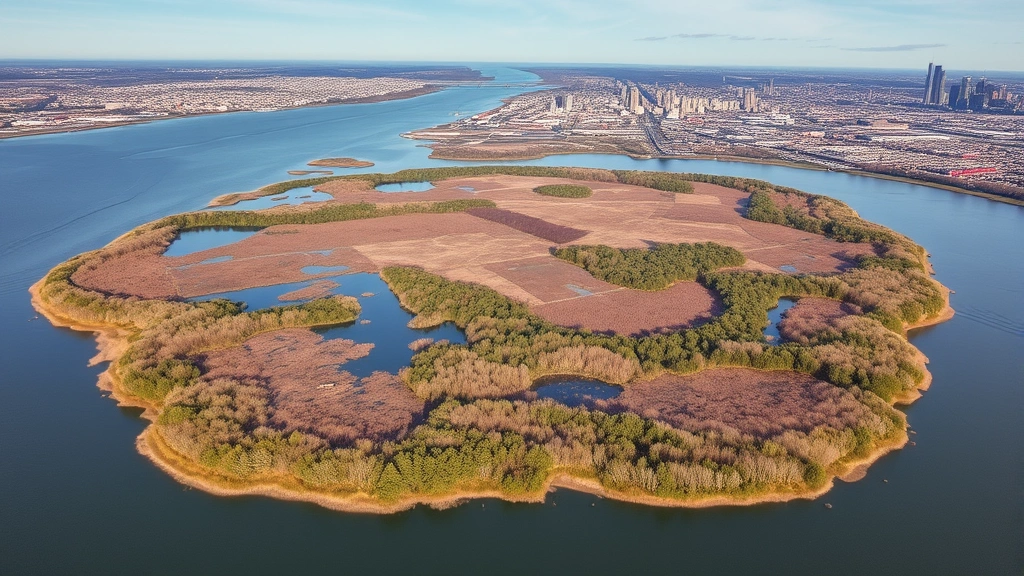
The museum’s outdoor components constitute perhaps its most distinctive feature. Sainte-Hélène Island, where the primary facility operates, encompasses diverse habitats including riverside wetlands, forest fragments, and grassland areas that collectively support hundreds of plant and animal species. Visitors traverse marked trails through these environments, observing ecological processes directly rather than through mediated display. This experiential approach reflects educational research demonstrating that direct nature contact produces superior learning outcomes compared to classroom or museum-only instruction, particularly regarding environmental ethics and ecological understanding.
The wetland areas deserve particular attention for their ecological and economic significance. Wetlands provide disproportionately valuable ecosystem services relative to their area, including water purification, flood mitigation, nutrient cycling, and wildlife habitat. Economic valuations of wetland services consistently demonstrate that protection and restoration generates greater long-term economic value than conversion to urban or agricultural uses—yet development pressures continue degrading these systems globally. Montreal’s Eco Museum showcases wetland restoration efforts, allowing visitors to observe how degraded areas can recover ecological function when management interventions prioritize natural processes.
Bird watching opportunities abound throughout the museum grounds, particularly during migration seasons when the St. Lawrence corridor functions as a crucial flyway for hundreds of species. The museum provides field guides and interpretive signage helping visitors identify common and rare species while understanding migration ecology, habitat requirements, and population trends. Seasonal variation in bird populations demonstrates ecological dynamics vividly—spring and fall migrations showcase how individual organisms navigate across vast geographic scales, connecting Montreal’s ecosystems to tropical wintering grounds and northern breeding areas. This perspective underscores how environmental protection requires international cooperation and how local conservation efforts contribute to global biodiversity maintenance.
The outdoor spaces also feature dedicated areas for plant observation and botanical education. Native plant collections showcase species adapted to Montreal’s climate and soil conditions, with interpretation explaining ecological relationships, traditional Indigenous uses, and contemporary applications in sustainable landscaping. The museum promotes the concept of natural environment teaching through these spaces, recognizing that direct botanical observation builds understanding of plant diversity, adaptation, and ecological function more effectively than textbook instruction.
Educational Programs and Workshops
Montreal’s Eco Museum operates extensive educational programming extending far beyond casual visitation. School groups participate in structured curricula aligned with Quebec’s educational standards, engaging in hands-on activities that bring ecological concepts to life. Field trips focus on observation skills, scientific methodology, and systems thinking—helping students understand how ecological problems emerge from complex interactions among multiple variables rather than simple linear cause-and-effect relationships. This pedagogical approach reflects modern environmental science education emphasizing interdisciplinary understanding and critical thinking about environmental challenges.
The museum offers specialized workshops addressing contemporary environmental concerns with direct relevance to visitors’ daily lives. Programs on how to reduce carbon footprint provide practical strategies for minimizing personal environmental impact while explaining the scientific basis for climate change and individual consumption’s role in greenhouse gas emissions. Workshops on sustainable food systems examine connections between agricultural practices, ecosystem health, and human nutrition—topics increasingly central to ecological economics research exploring how food production systems must transition toward greater sustainability.
Community science initiatives invite public participation in ongoing environmental monitoring and research. Citizen scientists contribute observations to programs tracking bird populations, documenting invasive species distributions, and monitoring water quality in the St. Lawrence River. This approach democratizes scientific research while generating valuable long-term datasets that professional researchers could not collect independently. Participants gain direct understanding of how environmental science functions while contributing meaningfully to knowledge production—an empowering experience that often motivates sustained environmental engagement.
The museum also hosts lectures and symposia featuring environmental scientists, economists, and policy experts discussing emerging environmental challenges and potential solutions. These events attract both specialist audiences and general public attendees, facilitating knowledge exchange across traditional boundaries separating academic research from public discourse. Recent programming has addressed topics including climate change adaptation, biodiversity conservation in urban contexts, and the economic transition toward renewable energy systems—reflecting the museum’s commitment to addressing contemporary environmental challenges with scientific rigor and practical relevance.
Sustainability Initiatives and Green Operations
Montreal’s Eco Museum exemplifies institutional commitment to minimizing environmental footprint through comprehensive sustainability initiatives. Building operations prioritize energy efficiency, renewable energy integration, and waste reduction. The facility incorporates green building design principles including passive solar heating, natural ventilation systems, and extensive insulation—demonstrating how architectural choices significantly influence operational environmental impact. Visitors observe these design features directly, understanding how buildings themselves can function as educational tools illustrating sustainability principles.
Grounds management emphasizes ecological restoration and native habitat enhancement rather than conventional landscaping emphasizing aesthetic uniformity. Staff actively remove invasive species, reestablish native plant communities, and create conditions supporting diverse fauna. This management philosophy reflects ecological economics principles recognizing that natural capital maintenance requires active stewardship rather than passive protection. The museum documents management outcomes through detailed monitoring, providing visitors with concrete data on how ecological systems respond to deliberate human intervention prioritizing ecosystem health.
The museum operates according to principles of circular economy thinking, minimizing waste through composting, recycling, and material reuse programs. Educational signage throughout facilities explains waste management systems, helping visitors understand how consumption patterns generate environmental consequences and how behavioral modifications can reduce environmental impact. The cafe sources food from local suppliers emphasizing organic and sustainably produced items, providing visitors with practical examples of how purchasing decisions influence environmental outcomes and support economic systems aligned with ecological sustainability.
Visitor Information and Planning Your Visit
Montreal’s Eco Museum welcomes approximately 400,000 visitors annually, ranging from casual tourists to school groups to serious naturalists. The facility operates year-round, though seasonal variations significantly influence what visitors observe and experience. Spring and fall offer optimal conditions for bird watching and botanical observation, while summer provides comfortable conditions for extended outdoor exploration. Winter visits reveal different ecological dynamics, including the survival strategies of resident species and the physical transformations that cold temperatures impose on aquatic and terrestrial ecosystems.
Admission fees remain modest, with reduced rates for students, seniors, and families—reflecting the institution’s commitment to equitable public access. Visitors should plan for 2-4 hours to experience the primary galleries and outdoor spaces adequately, though extended visits prove worthwhile for serious naturalists and photographers. The museum provides field guides, binoculars, and other equipment available for loan, reducing barriers for visitors without personal naturalist gear.
Accessibility represents an important institutional priority. Paved pathways accommodate wheelchairs and mobility-limited visitors throughout much of the facility, with accessible restroom facilities and seating areas distributed strategically. The museum actively works to ensure that environmental education and nature access do not exclude individuals with disabilities—an important equity consideration often overlooked in environmental discourse.
Visitors should check the museum’s website for current exhibitions, special events, and programming. The institution frequently hosts temporary exhibitions addressing timely environmental topics, recent scientific discoveries, or historical subjects relevant to Montreal’s environmental heritage. These rotating exhibitions maintain visitor interest among repeat visitors while ensuring that the museum remains current with evolving environmental understanding and contemporary policy concerns.
Integration with Montreal’s Broader Environmental Strategy
The Eco Museum functions as a crucial component within Montreal’s broader environmental governance and urban sustainability strategy. The city has committed to ambitious climate action targets, including greenhouse gas emissions reductions aligned with international climate agreements. The museum supports these objectives through public education, helping residents understand climate science and the behavioral, technological, and policy changes required for successful transitions toward carbon neutrality.
Montreal’s environmental strategy extends to broader urban planning incorporating green infrastructure, transit-oriented development, and biodiversity protection. The Eco Museum provides conceptual frameworks and concrete examples supporting these initiatives, helping residents understand how planning decisions influence environmental outcomes. The institution advocates for policies prioritizing ecological sustainability while maintaining economic viability—a delicate balance that ecological economics research increasingly suggests is achievable through appropriate policy design and technological innovation.
The museum also contributes to the growing environmental justice movement within Montreal, working to ensure that environmental benefits accrue equitably across all neighborhoods and demographic groups. Historically, environmental hazards concentrated in lower-income communities and neighborhoods with large racialized populations, while environmental amenities concentrated in wealthier areas. The Eco Museum actively addresses these inequities through programming, advocacy, and partnerships with environmental justice organizations. This commitment reflects recognition that sustainable cities require not only ecological restoration but also social equity and environmental justice.
Research partnerships with McGill University, Université de Montréal, and other academic institutions ensure that the museum remains grounded in cutting-edge environmental science. Scientists utilize the facility’s resources for research on urban ecology, climate change impacts, and conservation strategies. This integration of research and public education creates synergies where scientific discoveries quickly translate into public programming, and public engagement informs research priorities reflecting community concerns.
Connecting Personal Choices to Systemic Change
While the Eco Museum excels at helping individuals understand environmental challenges and personal consumption impacts, it increasingly emphasizes systemic change necessary for genuine sustainability. Research from environmental economics journals demonstrates that individual behavioral modifications, while necessary, prove insufficient without complementary policy changes addressing production systems, infrastructure, and economic incentives. The museum helps visitors understand this reality through exhibitions explaining how carbon footprints emerge not only from personal choices but from systemic features of contemporary economies—energy generation methods, transportation infrastructure, manufacturing processes, and supply chain structures.
Programming explores how renewable energy for homes represents one component within broader energy system transformation required for climate stabilization. Individual rooftop solar installations matter, but systemic decarbonization requires grid-scale renewable deployment, energy storage infrastructure, and electrification of transportation and heating systems. The museum contextualizes individual actions within these broader systemic imperatives, avoiding the trap of suggesting that personal virtue alone solves environmental crises while still recognizing individual actions’ cumulative importance.
Similarly, exhibitions on consumption and sustainability address how sustainable fashion brands represent progress within apparel industries historically characterized by environmental destruction and labor exploitation. However, systemic transformation requires addressing the fundamental economics of fast fashion—business models predicated on continuous consumption growth, planned obsolescence, and externalization of environmental and social costs. The museum helps visitors navigate this complexity, recognizing both the importance of supporting more sustainable producers and the necessity of questioning consumption levels themselves.
Future Directions and Emerging Challenges
Montreal’s Eco Museum faces evolving challenges as climate change, biodiversity loss, and pollution intensify. Rising water levels threaten portions of Sainte-Hélène Island and the surrounding St. Lawrence ecosystem, requiring adaptive management strategies and long-term planning. The museum actively engages with climate adaptation research, helping both institutional operations and public understanding evolve in response to accelerating environmental change.
The institution increasingly addresses the economic dimensions of environmental challenges with greater sophistication. Programming explores how environmental protection generates economic opportunities through green technology development, ecosystem service valuation, and sustainable business model innovation. This reflects broader recognition that environmental sustainability and economic prosperity need not conflict—a central premise of ecological economics that challenges traditional assumptions about trade-offs between environmental protection and economic growth.
The museum also prioritizes accessibility and inclusion, working to ensure that environmental education and nature engagement reach beyond privileged demographics that traditionally dominate environmental spaces. This commitment reflects both ethical imperatives regarding equitable access and practical recognition that broad-based environmental movement requires participation from diverse communities.
Frequently Asked Questions
What are the primary exhibition themes at Montreal’s Eco Museum?
The museum’s exhibitions focus on the St. Lawrence River ecosystem, urban biodiversity, natural history, and contemporary environmental challenges. Displays emphasize connections between ecological processes and human economic systems, helping visitors understand how urban development, transportation, and industrial activity shape environmental outcomes.
Is the museum suitable for children?
Yes, the museum actively welcomes families with children and offers age-appropriate programming. Interactive exhibits, outdoor exploration opportunities, and hands-on workshops engage young learners effectively. School group visits constitute a significant portion of annual attendance, with curricula tailored to different age levels.
What should I bring for outdoor exploration?
Comfortable walking shoes, weather-appropriate clothing, and binoculars enhance outdoor experiences significantly. The museum provides field guides and additional equipment available for loan. Bring water and snacks for extended visits, particularly during summer months.
How long should I plan to spend at the museum?
Most visitors benefit from 2-4 hours encompassing gallery exploration and outdoor trail walking. Serious naturalists often spend full days, particularly during peak bird migration seasons. Multiple visits across different seasons reveal how ecosystems change throughout the year.
Does the museum address climate change education?
Yes, climate change features prominently in contemporary programming and exhibitions. The museum helps visitors understand climate science, personal carbon footprints, and systemic changes necessary for emissions reductions. Programming emphasizes both individual actions and policy solutions required for effective climate action.
Can I conduct research or access collections?
Yes, the museum facilitates academic research partnerships and maintains collections supporting scientific investigation. Researchers should contact the institution directly regarding access procedures and research collaboration opportunities.
What educational programs does the museum offer beyond school visits?
The museum provides adult workshops on sustainability, community science initiatives, specialized lectures featuring environmental experts, and guided natural history programs. Programming addresses contemporary environmental topics with both scientific rigor and practical relevance.


