
How Ecosystem Services Boost Economies: Study Insights
Ecosystem services represent one of the most undervalued assets in modern economies. These natural processes—from pollination and water purification to climate regulation and soil formation—generate trillions of dollars in economic value annually, yet remain largely invisible in traditional economic accounting. Recent research reveals that integrating ecosystem services into economic policy and business strategies can unlock substantial growth opportunities while simultaneously addressing environmental degradation and climate change.
The intersection of ecological economics and environmental policy has evolved dramatically over the past two decades. What was once considered a niche academic field has become central to understanding sustainable development, corporate valuation, and national prosperity. Policymakers and investors increasingly recognize that economies fundamentally depend on healthy ecosystems, and that accounting for natural capital is not merely an environmental imperative—it is an economic necessity.
Understanding Ecosystem Services and Economic Value
Ecosystem services are the benefits that humans derive from natural systems and biodiversity. The Millennium Ecosystem Assessment, conducted between 2001 and 2005, established a comprehensive framework that categorizes these services and demonstrated their critical importance to human wellbeing. Unlike traditional economic goods produced through human labor and capital, ecosystem services are generated through complex ecological processes that have evolved over millennia.
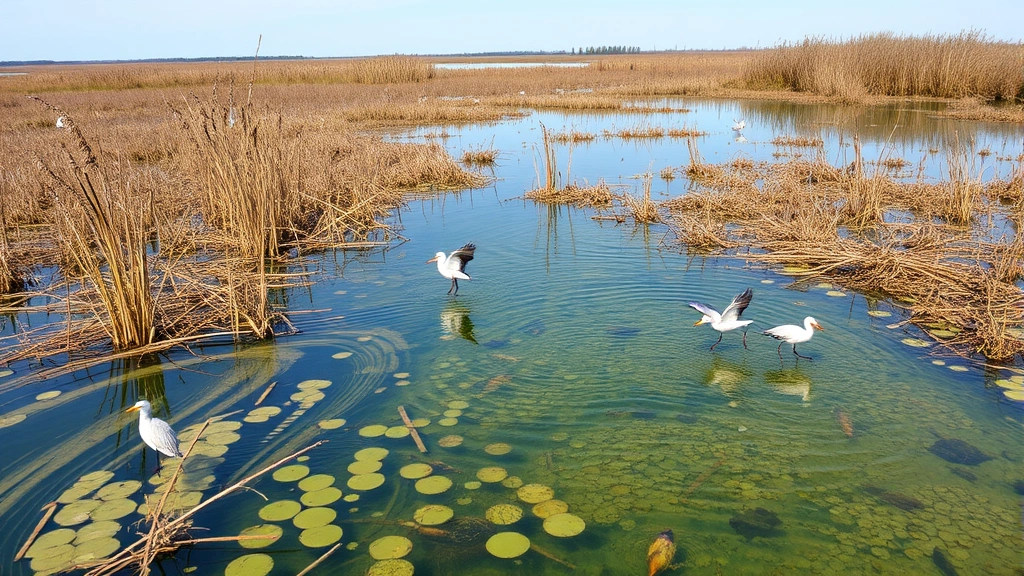
The economic value of ecosystem services extends far beyond simple resource extraction. When forests regulate water cycles, they provide purification services that would cost billions to replicate through technological infrastructure. When wetlands filter pollutants, they prevent costly water treatment expenses. When coral reefs buffer coastlines from storms, they protect human settlements worth hundreds of billions of dollars. These services operate continuously, yet most appear in no balance sheets or GDP calculations.
Understanding this relationship between environment and society requires recognizing that natural capital is not infinite or infinitely resilient. Degradation of ecosystems represents a loss of productive assets equivalent to the depletion of oil reserves or the depreciation of infrastructure. Yet traditional accounting practices treat ecosystem degradation as costless economic activity, creating a fundamental distortion in how we measure prosperity and progress.
Recent studies using natural capital accounting methodologies have revealed shocking discrepancies between reported economic growth and actual wealth creation. Some nations that appeared to be growing economically were simultaneously experiencing rapid depletion of their natural capital stocks, resulting in genuine economic decline when properly measured.
Major Categories of Ecosystem Services
Ecosystem services are typically organized into four broad categories: provisioning services, regulating services, supporting services, and cultural services. Understanding each category illuminates why ecosystem health directly translates to economic stability and growth.
Provisioning Services represent the tangible products that ecosystems provide. These include food production, fresh water, genetic resources, biochemical compounds, and raw materials. Agriculture depends entirely on provisioning services—soil formation, pollination, water cycling, and nutrient cycling. Global agriculture generates approximately $1.3 trillion in annual value, yet depends on ecosystem services worth an estimated $15-20 trillion annually. Pollination alone, provided by wild and managed bees, butterflies, and other insects, contributes approximately $15-20 billion to U.S. agriculture annually.
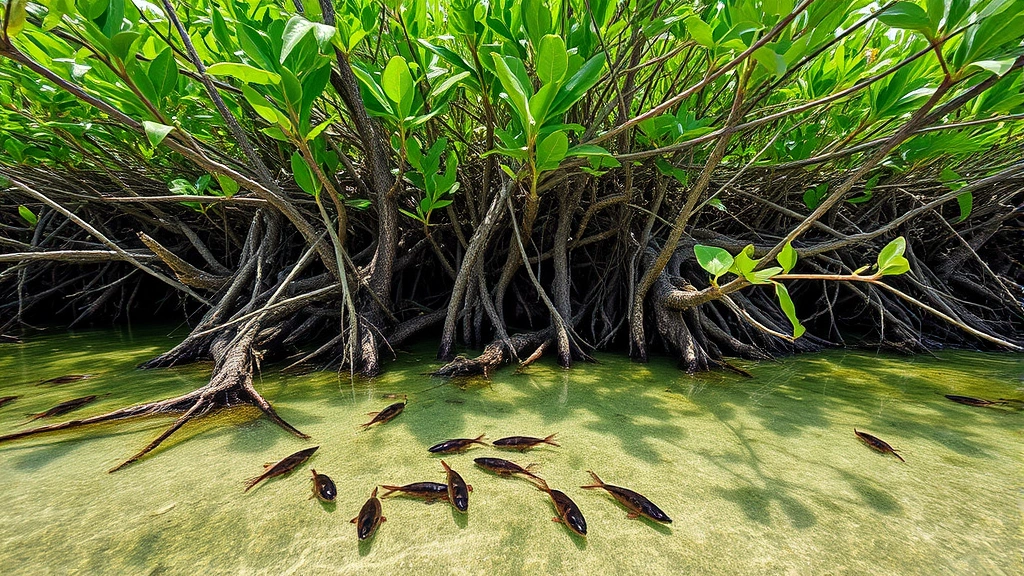
Regulating Services maintain the conditions necessary for life and economic activity. These include climate regulation, water purification, flood control, disease regulation, and air quality maintenance. The World Bank estimates that ecosystem-based solutions for water management and purification could save developing nations $100-300 billion annually in infrastructure costs. Mangrove forests, for instance, provide coastal protection worth $65 billion annually while simultaneously supporting fisheries, sequestering carbon, and providing habitat for countless species.
Supporting Services enable all other ecosystem functions. Soil formation, nutrient cycling, primary production, and habitat provision underpin every other service category. While less directly visible in economic terms, degradation of supporting services cascades through entire economic systems. The loss of soil fertility, for example, forces farmers to increase chemical inputs, reducing profitability while increasing environmental damage.
Cultural Services provide non-material benefits including recreation, spiritual and religious significance, educational value, and aesthetic appreciation. Tourism dependent on natural ecosystems generates over $1 trillion annually globally. Ecotourism alone contributes approximately $29 billion to global GDP while incentivizing ecosystem conservation in developing nations.
Quantifying the Economic Impact
Translating ecosystem services into economic metrics presents significant methodological challenges, yet multiple approaches have generated consistent findings regarding the magnitude of economic value at stake. The Economics of Ecosystems and Biodiversity (TEEB) initiative conducted comprehensive global assessments demonstrating that ecosystem service losses cost the global economy $2-5 trillion annually through degradation and loss of natural capital.
Conservative estimates place the total annual economic value of global ecosystem services at approximately $125-145 trillion, representing roughly 1.5-2 times global GDP. This calculation includes provisioning services ($28-38 trillion), regulating services ($65-85 trillion), supporting services ($20-30 trillion), and cultural services ($12-15 trillion). These figures demonstrate that ecosystem services represent the foundation upon which all economic activity rests.
The valuation methodologies employed include:
- Market-based approaches use actual market prices for ecosystem services that are traded (timber, fish, crops). These provide accurate but incomplete valuations, as many services lack established markets.
- Cost-based approaches estimate replacement costs—what it would cost to replace ecosystem services with technological alternatives. A water treatment plant might cost $10 million to replace natural wetland filtration, establishing a minimum value for that service.
- Stated preference methods use surveys to determine what people would pay for ecosystem services. Contingent valuation and choice experiment methodologies reveal high willingness-to-pay for ecosystem preservation.
- Revealed preference methods infer ecosystem service values from actual economic choices, such as property values reflecting proximity to parks or willingness to travel long distances for recreation.
- Benefit transfer methods apply valuation estimates from studied ecosystems to similar unstudied ecosystems, enabling broader economic assessment.
These diverse methodologies consistently yield findings that ecosystem service losses represent enormous economic costs. Forest loss alone costs the global economy an estimated $2-5 trillion annually through carbon sequestration loss, water cycle disruption, and biodiversity decline. The degradation of marine ecosystems costs an estimated $200-500 billion annually. Agricultural ecosystem service losses through pollinator decline, soil degradation, and pest outbreaks cost approximately $100-200 billion annually.
Real-World Case Studies and Applications
Concrete examples demonstrate how ecosystem service valuation translates into tangible economic benefits and policy decisions. These cases illustrate the practical applications of ecological economics across diverse contexts and scales.
Costa Rica’s Payment for Ecosystem Services Program represents one of the most successful implementations of ecosystem service valuation into policy. Beginning in 1997, Costa Rica established a system paying landowners for maintaining forests and other natural ecosystems. The program has protected over 1 million hectares while generating substantial economic returns through watershed protection, carbon sequestration, and biodiversity conservation. Studies demonstrate that every dollar invested in the program generates $7-15 in ecosystem service benefits through improved water quality, hydroelectric power generation, and tourism revenue.
The program demonstrates how recognizing ecosystem service economic value can align conservation with economic incentives. Landowners benefit directly from conservation, reducing pressure to convert forests to pasture or agriculture. Communities benefit from improved water supplies and quality. The national economy benefits from sustained hydroelectric generation, tourism revenue, and climate mitigation. This integration of human-environment interaction into economic structures shows how ecosystem services can drive inclusive economic development.
New York City’s Watershed Protection Strategy illustrates cost-benefit analysis of ecosystem services in urban contexts. Rather than constructing a $10+ billion water treatment facility, New York City invested approximately $1.5 billion in protecting and restoring the Catskill Mountains ecosystem that naturally purifies the city’s water supply. This ecosystem service—water purification through forest and wetland filtration—provided superior outcomes at lower cost while preserving natural capital.
Indonesia’s Mangrove Forest Economics demonstrates ecosystem service value in fisheries and coastal protection. Mangrove ecosystems provide nursery habitat for approximately 80% of commercially important fish species while protecting coastlines from storms and erosion. Yet mangroves were being converted to aquaculture and agriculture. Economic analysis revealed that maintaining mangrove forests generates $900-2,000 per hectare annually through fisheries support, coastal protection, and carbon sequestration—substantially exceeding the $200-400 annually generated through destructive conversion.
These cases share common elements: ecosystem service valuation reveals that conservation frequently generates greater long-term economic returns than extraction or conversion. This realization transforms conservation from a constraint on economic development into an economic opportunity.
Integration into Business and Policy Frameworks
Progressive businesses and governments increasingly integrate ecosystem service valuation into decision-making processes. This integration reflects recognition that environmental and economic considerations are fundamentally interconnected.
Natural Capital Accounting represents the most comprehensive policy integration approach. Countries including India, Brazil, South Africa, and several European nations have begun incorporating natural capital accounting into national accounts. This approach parallels financial accounting, tracking changes in natural capital stocks (forests, wetlands, fisheries, minerals) alongside human-made capital. When natural capital is depleted, measured GDP growth is adjusted downward to reflect actual wealth changes. This accounting framework reveals that many nations experiencing reported GDP growth are simultaneously experiencing rapid natural capital depletion, resulting in actual economic decline when properly measured.
The United Nations Environment Programme (UNEP) has established guidelines for natural capital accounting, enabling international standardization and comparison. UNEP’s ecosystem accounting initiatives demonstrate growing governmental commitment to ecosystem service integration.
Corporate Natural Capital Disclosure increasingly influences investment decisions and corporate strategy. The Natural Capital Coalition developed the Natural Capital Protocol, enabling businesses to identify, measure, and value their dependence on ecosystem services. Companies across agriculture, pharmaceuticals, water utilities, and tourism sectors have adopted these frameworks, discovering that ecosystem service dependencies represent material business risks and opportunities.
A major beverage company analysis revealed that 100% of its products depend on freshwater availability, making watershed ecosystem services critical to business continuity. This recognition drove substantial investments in watershed protection, water efficiency, and ecosystem restoration—not primarily for environmental reasons, but for business sustainability. Similarly, pharmaceutical companies recognize that approximately 25% of modern medicines derive from rainforest plants, making biodiversity conservation a strategic business imperative.
Infrastructure Planning and Green Infrastructure increasingly incorporates ecosystem service valuation. Cities worldwide are recognizing that green infrastructure—parks, green roofs, urban forests, wetlands—provides stormwater management, air quality improvement, temperature regulation, and recreation services at lower cost than gray infrastructure alternatives. Singapore’s Sponge City initiative integrates wetlands and parks into urban design, providing flood management, water supply, recreation, and habitat services simultaneously. The approach costs less than traditional stormwater systems while generating multiple co-benefits.
Environmental policy frameworks increasingly require ecosystem service assessment. Environmental impact assessments now frequently include ecosystem service valuation, enabling decision-makers to compare ecosystem service losses against project benefits. This approach has prevented numerous projects with ecosystem service costs exceeding project benefits, improving overall economic efficiency.
Challenges and Future Directions
Despite growing recognition of ecosystem service importance, substantial challenges remain in translating valuation into effective policy and practice.
Measurement and Valuation Challenges persist despite methodological advances. Some ecosystem services resist quantification—how should we value the spiritual significance of sacred natural sites or the existence value of species humans will never encounter? Valuation methodologies sometimes yield divergent results, complicating policy decisions. Temporal dynamics complicate valuation—ecosystem services may take decades to manifest (forest carbon sequestration) or may collapse suddenly (fishery collapse from overharvesting). Spatial heterogeneity means ecosystem service values vary dramatically across locations, requiring site-specific assessment rather than global averages.
The scientific understanding of ecosystem services continues evolving. New research reveals previously unknown services or demonstrates that previously assumed services are less significant than believed. This scientific uncertainty complicates long-term policy commitments and investment decisions.
Economic Integration Challenges involve incorporating ecosystem service valuation into existing economic structures designed without ecosystem service consideration. Markets systematically undervalue ecosystem services because many lack property rights or market mechanisms. Correcting these market failures requires policy intervention—carbon pricing, water pricing, biodiversity offsets—that faces substantial political resistance. Distributional challenges emerge as ecosystem service valuation may benefit some groups while imposing costs on others. Smallholder farmers may face increased land values reducing purchase affordability, even if ecosystem preservation benefits them through improved water quality or climate regulation.
Implementation and Governance Challenges involve translating valuation into effective action. Even when ecosystem service values are quantified, political and economic interests may resist conservation-oriented policies. Enforcement of ecosystem service protection requires institutional capacity often lacking in developing nations. Coordination across jurisdictions proves difficult when ecosystem services cross political boundaries—rivers flow through multiple countries, wildlife migration spans continents, atmospheric circulation distributes air pollutants globally.
Future directions include:
- Improved Measurement Technologies—Remote sensing, environmental DNA analysis, and sensor networks enable more accurate, cost-effective ecosystem service monitoring at larger scales and higher temporal resolution.
- Integration with Climate Finance—Ecosystem service valuation increasingly connects to climate finance mechanisms. Payments for carbon sequestration, watershed protection, and biodiversity conservation increasingly flow through climate-related funding.
- Nature-Based Solutions Scaling—Recognition that nature-based solutions frequently outperform technological alternatives at lower cost drives investment in ecosystem restoration. Mangrove restoration for coastal protection, wetland restoration for water purification, and reforestation for carbon sequestration increasingly attract climate finance.
- Biodiversity Economics Advancement—Research increasingly focuses on how biodiversity drives ecosystem service provision, revealing that diverse ecosystems provide more stable, resilient services than simplified systems. This understanding drives conservation of genetic diversity and species diversity as economic imperatives.
- Nexus Approaches—Integration of water-energy-food security analysis recognizes that ecosystem services interconnect across these domains. Watershed protection affects food security, energy generation, and drinking water simultaneously. Holistic analysis improves decision-making across these linked systems.
The trajectory is clear: ecosystem service economics will increasingly shape policy, investment, and business decisions. The only uncertainty involves speed of integration and whether integration occurs through planned policy adjustment or through crisis-driven response to ecosystem service collapse.
To explore related topics, consider reading about practical approaches to reducing environmental impact or investigating how specific industries integrate environmental considerations.
FAQ
What are the five main types of ecosystem services?
The major categories are provisioning services (food, water, materials), regulating services (climate, water purification, flood control), supporting services (soil formation, nutrient cycling), cultural services (recreation, spiritual value), and habitat services (biodiversity support). Some frameworks combine these into four categories by integrating habitat services with supporting services.
How is ecosystem service value actually measured?
Multiple methodologies exist: market-based approaches use actual prices for traded services; cost-based approaches estimate replacement costs; stated preference methods use surveys to determine willingness-to-pay; revealed preference methods infer values from actual economic choices; and benefit transfer applies valuations from studied to unstudied ecosystems. Most comprehensive assessments combine multiple methodologies.
Why don’t ecosystem services appear in GDP calculations?
Traditional GDP measures only market transactions and government spending. Ecosystem services often lack market prices or property rights, making them invisible to conventional economic accounting. Natural capital accounting represents an attempt to address this measurement gap by tracking ecosystem service flows alongside traditional economic measures.
Can ecosystem service valuation prevent all environmental degradation?
Valuation is necessary but insufficient. Even when ecosystem service values are quantified, political, economic, and distributional challenges may prevent conservation-oriented policies. Valuation must combine with governance capacity, enforcement mechanisms, and political will to drive effective environmental protection.
How do ecosystem services connect to climate change mitigation?
Forests, wetlands, and other ecosystems provide carbon sequestration services, storing atmospheric carbon in biomass and soil. Protecting and restoring these ecosystems prevents carbon release while maintaining sequestration capacity. Nature-based climate solutions increasingly attract climate finance, recognizing ecosystem service provision as a climate mitigation strategy.
What is the relationship between biodiversity and ecosystem services?
Biodiversity generally enhances ecosystem service provision and resilience. Diverse ecosystems prove more stable and resistant to disturbances than simplified systems. Genetic diversity enables adaptation to changing conditions. Species diversity ensures functional redundancy—if one species declines, others can provide similar services. This understanding positions biodiversity conservation as an economic imperative rather than purely environmental concern.


