Eco-Friendly Economies: A New Era Unveiled
The global economic landscape stands at a critical inflection point. For decades, conventional economic models prioritized growth metrics divorced from environmental realities, treating natural capital as an infinite resource rather than a finite commons. Today, a fundamental paradigm shift is underway—one that recognizes the inextricable linkage between economic prosperity and ecological integrity. Eco-friendly economies represent not merely a moral imperative but an economic necessity, reshaping how nations measure progress, allocate capital, and structure their development pathways.
This transformation encompasses far more than superficial corporate sustainability messaging or green marketing rhetoric. It involves restructuring incentive systems, redefining value creation, integrating ecosystem services into national accounting frameworks, and fundamentally reimagining our relationship with the natural world. The emergence of ecological economics, circular economy principles, and regenerative business models signals that leading economies worldwide recognize a profound truth: environmental degradation and economic instability are two manifestations of the same underlying problem.

Understanding Eco-Friendly Economic Models
Eco-friendly economies fundamentally challenge the assumption that environmental protection and economic growth exist in opposition. Instead, they operate on the principle that sustainable prosperity requires alignment between economic activity and ecological carrying capacity. This represents a departure from conventional GDP-centric measurement systems that externalize environmental costs, treating pollution and resource depletion as economically invisible phenomena.
The conceptual foundation rests on understanding how environment and society interact as coupled systems. When economic frameworks ignore this interdependence, they create what ecological economists term “negative externalities”—costs borne by society and ecosystems rather than by the economic actors generating them. Carbon emissions, biodiversity loss, soil degradation, and water contamination represent massive wealth transfers from future generations and vulnerable populations to present-day consumers and corporations.
Eco-friendly economic models explicitly price these externalities, implement precautionary principles, and establish biophysical limits within economic planning. They recognize that human environment interaction occurs within planetary boundaries—thresholds beyond which critical Earth systems face irreversible damage. This recognition transforms economics from an abstract mathematical discipline into an applied science grounded in biophysical reality.
Several foundational frameworks guide eco-friendly economic design. Doughnut Economics proposes that prosperity exists within a “safe and just space”—one that meets human needs while remaining within planetary boundaries. Regenerative economics goes further, proposing that economic activity should actively restore natural and social capital. These models share common DNA: they measure success by ecological health and inclusive wellbeing rather than aggregate monetary flows.
The Economics of Natural Capital
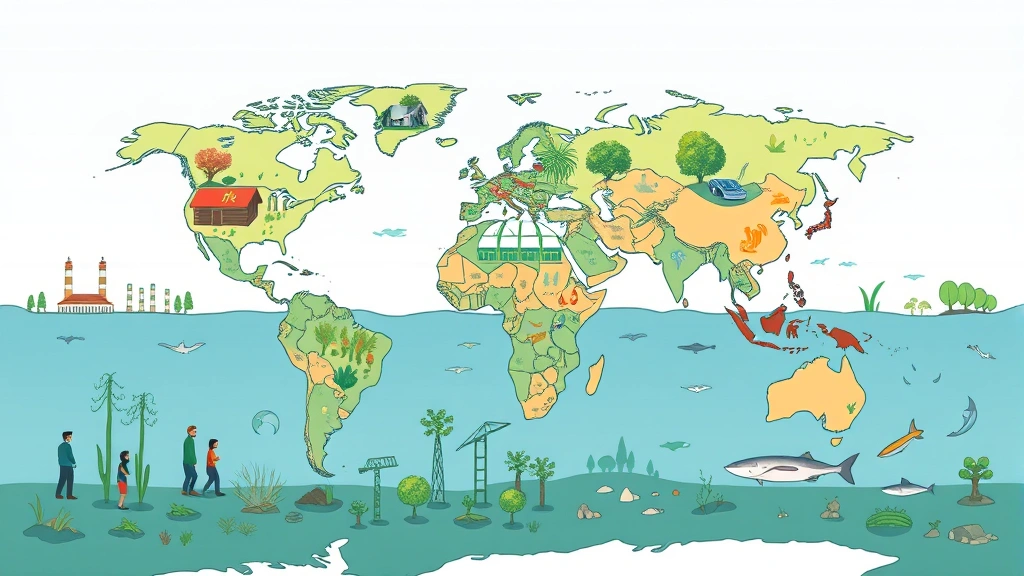
Natural capital encompasses the stock of environmental assets—forests, fisheries, mineral deposits, freshwater aquifers, atmosphere, and biodiversity—that generate flows of ecosystem services upon which all economic activity ultimately depends. Yet conventional national accounting systems assign zero value to these assets until they are extracted, harvested, or destroyed. A forest standing intact provides watershed protection, carbon sequestration, habitat provision, and recreational value; it contributes nothing to GDP. When that forest is clearcut, the timber harvest counts as income while the lost services vanish from economic accounting.
This accounting fiction creates perverse incentives systematically biased toward depletion. Correcting this requires integrating natural capital accounting into macroeconomic frameworks. The World Bank’s natural capital assessments demonstrate that when ecosystem services are properly valued, environmental protection emerges as economically rational rather than costly.
Research reveals staggering valuations for ecosystem services. Global pollination services provided by wild and managed bees exceed $500 billion annually. Coral reef ecosystems generate approximately $375 billion yearly through fisheries, tourism, and coastal protection. Wetlands provide water purification, flood regulation, and carbon storage worth trillions globally. Yet these assets receive minimal protection in conventional economic planning because their value remains invisible in market prices.
Pioneering work in environmental economics has developed methodologies for monetizing non-market values. Contingent valuation, hedonic pricing, replacement cost analysis, and benefit transfer techniques allow economists to estimate what consumers would pay for environmental amenities if markets existed. When applied comprehensively, these valuations reveal that environmental protection generates economic returns exceeding costs by orders of magnitude.
The transition to eco-friendly economies requires implementing natural capital accounting at national levels. Several countries now produce satellite national accounts tracking environmental asset depletion. This creates political pressure to internalize environmental costs and recognize that genuine economic growth must account for natural capital maintenance. Without this accounting revolution, economies will continue optimizing for measured growth while destroying the natural foundations upon which all prosperity rests.
Circular Economy Frameworks and Implementation
Linear “take-make-waste” economic models treat the biosphere as an infinite source of raw materials and an infinite sink for waste. Circular economy frameworks fundamentally reorganize production and consumption patterns to eliminate waste, maintain material value, and regenerate biological systems. Rather than extracting virgin resources, manufacturing products, and discarding them after use, circular systems design for durability, repairability, remanufacturing, and biological decomposition.
Implementation requires systemic changes across multiple levels. Product design must prioritize longevity, modularity, and recyclability. Supply chains must incorporate reverse logistics capturing end-of-life materials. Manufacturing processes must minimize waste streams and utilize recycled inputs. Consumer behavior must shift from ownership-based consumption toward service-based models emphasizing access rather than possession. Policy frameworks must incentivize circular practices through extended producer responsibility, virgin material taxes, and waste disposal fees.
The economics of circular transitions reveal compelling business cases. Remanufactured products typically cost 30-50% less than new equivalents while consuming 85% less energy and generating 80% fewer emissions. Companies implementing circular principles report improved profitability, reduced input costs, and enhanced brand value. Patagonia’s repair-focused business model generates customer loyalty and environmental benefits simultaneously. Interface’s closed-loop carpet tile program achieved zero waste while improving financial performance.
Scaling circular economy principles encounters significant barriers. Incumbent linear businesses resist disruption. Regulatory frameworks often inadvertently favor linear over circular models. Consumer preferences remain influenced by throwaway culture. Investment in circular infrastructure requires upfront capital before revenue streams materialize. Yet momentum accelerates as environmental regulations tighten, resource scarcity increases costs, and consumer demand for sustainable products grows.
Circular economy implementation connects directly to understanding how humans affect the environment through material consumption patterns. By closing material loops, circular systems dramatically reduce extraction pressures, pollution loads, and ecosystem degradation. The transition represents one of the most significant economic restructuring opportunities in centuries, potentially creating millions of jobs in collection, sorting, remanufacturing, and repair sectors.
Renewable Energy Economics and Investment
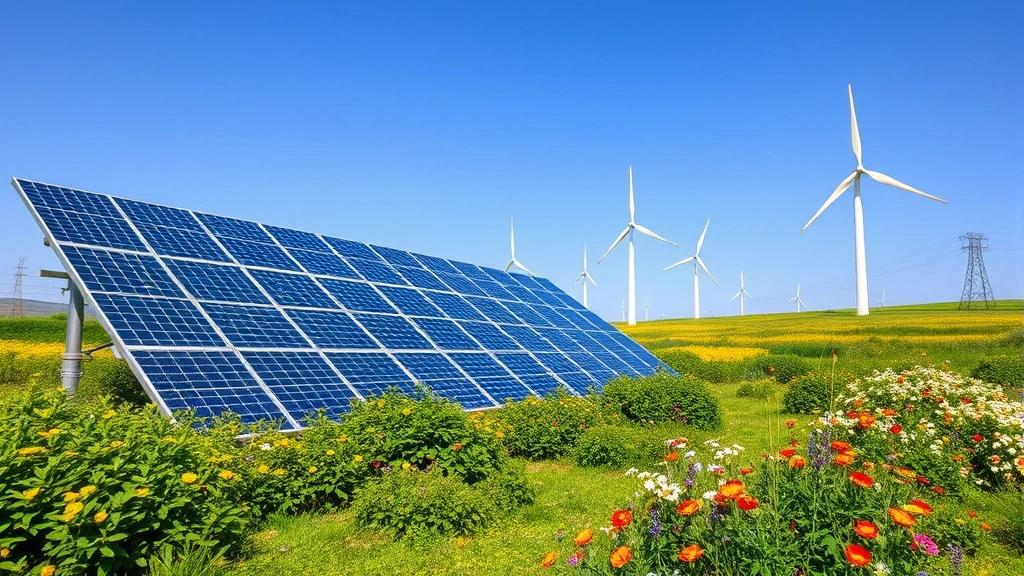
Energy systems represent the circulatory system of modern economies. Transitioning from fossil fuels to renewable sources constitutes perhaps the most consequential economic transformation underway. Remarkably, this transition increasingly occurs not because of environmental idealism but because renewable energy economics have become superior to fossil fuel alternatives.
Cost curves for solar photovoltaic and wind technologies have declined 89% and 70% respectively since 2010, falling far faster than mainstream analysts predicted. Renewable electricity now costs less than coal or natural gas in most global markets. Battery storage costs dropped 89% between 2010 and 2020, addressing intermittency challenges that previously favored fossil fuels. This cost trajectory reflects learning curves and manufacturing scale-up rather than temporary subsidies, suggesting further declines ahead.
The economic case strengthens when accounting for externalities. Fossil fuel combustion imposes health costs estimated at $2.3 trillion annually through air pollution impacts alone. Climate damages already exceed $280 billion yearly and accelerate exponentially. Mining externalities including water contamination, ecosystem destruction, and human displacement remain largely unpriced. When these costs are internalized, renewable energy economics become overwhelmingly favorable.
Renewable energy investment reached $303 billion globally in 2022, with clean energy investment exceeding fossil fuel investment for the first time. This capital reallocation reflects both policy support and genuine economic advantage. Countries implementing aggressive renewable targets—Denmark generating 80% electricity from wind, Costa Rica achieving 99% renewable generation—demonstrate technical feasibility and economic viability at scale.
The transition creates substantial employment opportunities. Renewable energy sectors employ more workers per unit of energy produced than fossil fuel industries. Solar installation, wind turbine manufacturing, battery production, grid modernization, and energy efficiency retrofitting generate skilled jobs distributed across geographic regions. This employment profile contrasts favorably with coal mining’s geographic concentration and declining workforce requirements.
Policy Mechanisms Driving Transition
Markets alone will not achieve necessary transitions within required timescales. Fossil fuel infrastructure benefits from century-old capital stocks, entrenched political power, and subsidies exceeding $7 trillion annually when accounting for unpriced externalities. Renewable energy and circular economy transitions require active policy support establishing new incentive structures and removing barriers to innovation.
Carbon pricing mechanisms—whether taxes or cap-and-trade systems—represent foundational policy tools. By placing prices on greenhouse gas emissions, carbon pricing makes environmental costs visible in economic decisions. British Columbia’s carbon tax and the EU Emissions Trading System demonstrate that well-designed carbon pricing can drive emissions reductions while maintaining economic growth. Optimal carbon pricing levels reflecting climate damages would reach $100-200 per ton CO2, fundamentally reshaping energy economics and industrial processes.
Regulatory standards establish minimum environmental performance requirements. Fuel efficiency standards, renewable portfolio standards, building codes, and pollution limits remove the worst practices while spurring innovation toward cleaner alternatives. When standards combine with research investment and technology support, they accelerate cost reductions and capability development. Germany’s Renewable Energy Act catalyzed global solar and wind industry development by guaranteeing markets for clean electricity.
Green fiscal policy redirects public spending toward environmental objectives. Public investment in renewable energy infrastructure, public transportation, ecosystem restoration, and climate adaptation generates employment while building clean economy foundations. UNEP research indicates that redirecting 2% of global GDP from fossil fuel subsidies to renewable energy investment would accelerate transition while improving net employment.
Financial regulation increasingly incorporates environmental risk assessment. Central banks now recognize climate change as a systemic financial risk requiring stress testing and prudential oversight. Disclosure requirements mandating environmental impact reporting increase transparency and redirect capital toward sustainable enterprises. Sustainable finance taxonomies establish standardized definitions of environmentally beneficial investments, facilitating capital mobilization.
International agreements establish frameworks for coordinated action. The Paris Climate Agreement commits signatory nations to limiting warming to 1.5-2°C, requiring global emissions reductions of 45% by 2030. The Kunming-Montreal Biodiversity Framework establishes targets for ecosystem protection and restoration. These agreements create policy momentum, facilitate technology transfer, and enable climate finance flows from developed to developing nations.
Corporate Adaptation and Market Evolution
Leading corporations increasingly recognize that eco-friendly practices enhance profitability and competitive position. This reflects genuine economic logic rather than mere corporate social responsibility theater. Environmental risks threaten supply chains, resource access, regulatory standing, and market access. Environmental opportunities generate cost savings, innovation premiums, and customer loyalty.
Supply chain resilience increasingly depends on environmental stewardship. Companies sourcing raw materials from environmentally degraded regions face supply disruptions, price volatility, and regulatory restrictions. Unilever’s commitment to sustainable sourcing emerged partly from concern that conventional agricultural practices were degrading the soils and water systems upon which their business depends. Recognizing this interdependence, they invested in regenerative agriculture practices benefiting both environmental outcomes and long-term supply security.
Innovation economics increasingly favor environmental solutions. Renewable energy companies, electric vehicle manufacturers, and clean technology firms represent the fastest-growing market segments and attract disproportionate capital investment and talent. Tesla’s market valuation exceeds legacy automakers despite lower production volumes, reflecting investor confidence in electric vehicle dominance. This valuation premium incentivizes incumbent firms to transition rather than defend legacy business models.
Consumer preferences increasingly incorporate environmental values. Millennial and Gen-Z consumers demonstrate strong willingness to pay premiums for sustainably produced goods and support companies demonstrating authentic environmental commitment. This creates market differentiation opportunities for early movers while threatening late adapters. Patagonia’s commitment to environmental activism and transparent supply chains generates customer loyalty and pricing power. Conversely, companies exposed as greenwashing face consumer backlash and market penalties.
Investor pressure increasingly demands environmental accountability. Major asset managers including BlackRock and Vanguard now vote shareholder proposals demanding climate action and environmental disclosure. Institutional investors controlling trillions in assets recognize that environmental degradation threatens long-term returns. This capital reallocation accelerates corporate transitions toward eco-friendly practices.
Challenges and Transition Pathways
Despite accelerating momentum, substantial barriers impede rapid transition to eco-friendly economies. Understanding these challenges clarifies necessary policy responses and realistic transition timelines.
Stranded asset risk threatens fossil fuel industries and dependent communities. Coal mines, oil refineries, and natural gas infrastructure represent hundreds of billions in capital investments expected to generate returns over decades. Rapid transition renders these assets economically unviable, creating pressure to slow transitions or seek government bailouts. Managing this transition requires just transition policies supporting worker retraining, community economic diversification, and pension protection for affected workers.
Developing country constraints complicate global transition. Many low-income nations depend on fossil fuel exports and lack capital for renewable energy infrastructure. Wealthy nations industrialized through fossil fuel combustion, gaining competitive advantage. Requiring developing nations to transition to renewables without equivalent capital support or technology transfer raises equity concerns. Climate finance mechanisms must mobilize hundreds of billions annually to enable equitable transitions.
Behavioral and cultural inertia slows adoption of eco-friendly practices. Decades of throwaway culture, automobile-dependent infrastructure, and meat-heavy diets create powerful habits and identity attachments. Transitioning consumption patterns requires sustained behavior change campaigns, infrastructure redesign, and cultural narrative shifts. This occurs across generations rather than through policy mandates alone.
Political economy obstacles reflect fossil fuel industry power. Entrenched interests spend hundreds of millions annually on lobbying, campaign contributions, and disinformation campaigns opposing climate and environmental policies. This political influence delays necessary regulations, reduces policy ambition, and spreads doubt about scientific consensus. Overcoming these obstacles requires mobilizing political constituencies supporting transitions and implementing campaign finance reforms limiting industry influence.
Technological limitations in certain sectors complicate transitions. Aviation, shipping, cement production, and steel manufacturing lack mature low-carbon alternatives at scale. These sectors require continued innovation investment, potentially including technological solutions like carbon capture, green hydrogen, or advanced biofuels. Transitioning these difficult sectors requires 10-20 year timescales rather than immediate alternatives.
Understanding the broader context of types of environment and their economic interdependencies clarifies why comprehensive transitions prove necessary. Natural, built, and social environments form integrated systems where degradation in one domain cascades through others. Economic transitions must address these systemic interconnections rather than treating environmental protection as a sector-specific concern.
Despite these challenges, transition momentum accelerates. Renewable energy deployment, electric vehicle adoption, and circular economy implementations demonstrate that eco-friendly practices are economically viable and increasingly competitive. The question no longer concerns whether transitions will occur but rather whether they will happen rapidly enough to prevent catastrophic climate change and biodiversity collapse. This urgency drives policy innovation, technology investment, and corporate transformation at unprecedented scales.
FAQ
What exactly constitutes an eco-friendly economy?
An eco-friendly economy integrates environmental protection into core economic structures and decision-making. This includes natural capital accounting, circular production systems, renewable energy use, and pricing environmental externalities. Rather than treating environmental protection as externally imposed costs, eco-friendly economies recognize that long-term prosperity requires maintaining ecological integrity and respecting planetary boundaries.
How do eco-friendly economies impact employment?
Transitions to eco-friendly economies typically generate net employment growth. Renewable energy, sustainable agriculture, ecosystem restoration, energy efficiency retrofitting, and circular economy sectors create jobs distributed across regions. While fossil fuel employment declines, clean economy job creation typically exceeds losses. Research indicates that green investments generate 20-40% more employment per dollar invested than fossil fuel investments.
Can eco-friendly economies support current living standards?
Yes, evidence indicates that eco-friendly economies can maintain or improve living standards while reducing environmental impacts. Wealthy nations like Denmark and Costa Rica demonstrate high quality of life with minimal environmental footprints. The challenge involves redistributing resources more equitably rather than maintaining unsustainable consumption levels. Eco-friendly economies can support comfortable, secure lives for all while operating within planetary boundaries.
What role do governments play in eco-friendly economic transitions?
Governments establish policy frameworks, invest in infrastructure, regulate environmental impacts, and coordinate international cooperation. Key governmental roles include carbon pricing, renewable energy support, research investment, just transition support, and environmental regulation. While markets drive innovation and efficiency, markets alone will not achieve necessary transitions without government action correcting market failures and establishing new incentive structures.
How do developing nations transition to eco-friendly economies?
Developing nations face distinct challenges including limited capital, dependence on resource exports, and lack of technological infrastructure. Equitable transitions require climate finance from wealthy nations, technology transfer, capacity building support, and recognition of differentiated responsibilities. Rather than replicating wealthy nations’ development pathways, developing nations can leapfrog to renewable energy and circular economy models while building sustainable livelihoods.
What are realistic timelines for economic transitions?
Full economic transitions require 20-30 year timescales reflecting infrastructure lifespans and capital stock turnover. However, key sectors like electricity must transition within 10-15 years to limit climate warming to 1.5°C. This creates urgency for immediate policy action, infrastructure investment, and technology deployment. Earlier action reduces costs and disruption while maintaining transition feasibility.


