Should We Value Ecosystems in GDP? Study Insights
For decades, economists have measured national prosperity through Gross Domestic Product—a metric that captures the monetary value of goods and services produced within a nation’s borders. Yet GDP remains fundamentally blind to the ecological systems that underpin all economic activity. A river’s purification services, a forest’s carbon sequestration, pollinator populations, and soil fertility all vanish from our ledgers despite their irreplaceable economic contributions. This conceptual gap has prompted a critical question: should ecosystems be formally integrated into GDP calculations, and what would such integration reveal about true economic health?
Recent research and policy initiatives worldwide suggest the answer is increasingly yes. Environmental economists, policy institutes, and international organizations are advancing methodologies to quantify natural capital and ecosystem services, challenging the assumption that economic growth divorced from ecological stability represents genuine progress. The decision to incorporate ecosystem valuations into GDP frameworks carries profound implications for how nations prioritize investments, measure development success, and allocate resources across sectors.
The GDP Blind Spot: Why Ecosystems Remain Invisible
Gross Domestic Product emerged in the 1930s as a wartime accounting tool, refined during the post-World War II period to measure national economic output. Its architects never intended it as a comprehensive measure of societal well-being or environmental health. GDP counts the value added through monetary transactions—a factory’s output, healthcare services, construction—but systematically ignores the natural systems providing the foundation for all economic activity.
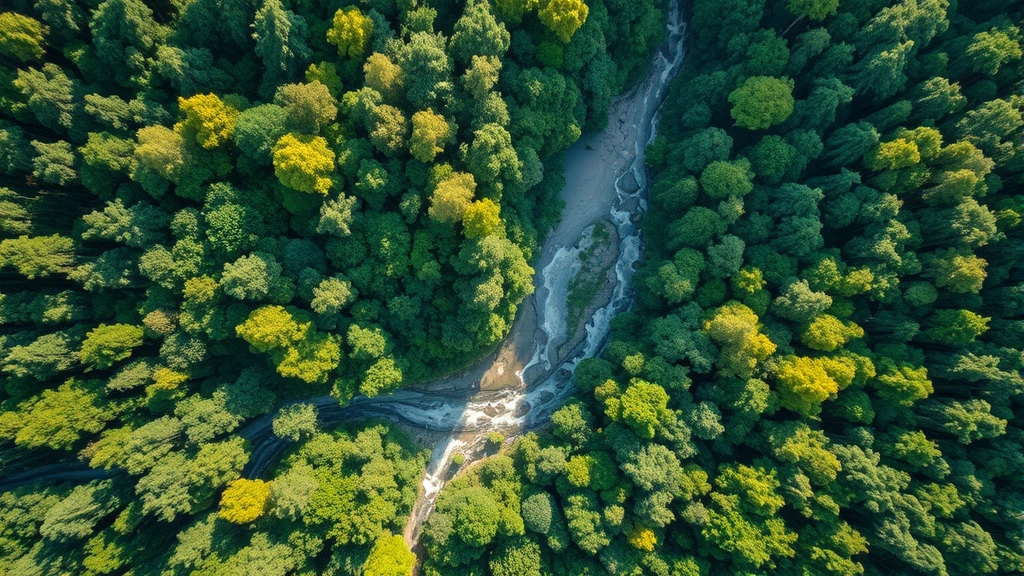
Consider a forest. When trees are harvested and sold as timber, that transaction appears in GDP as positive economic activity. Yet when the same forest provides watershed protection, carbon storage, and biodiversity habitat, these contributions remain economically invisible. Should the forest be clear-cut, GDP might actually increase through logging revenues, even though the nation’s true wealth has declined catastrophically. This perverse accounting creates systematic incentives to deplete natural capital while treating the depletion as income rather than asset liquidation.
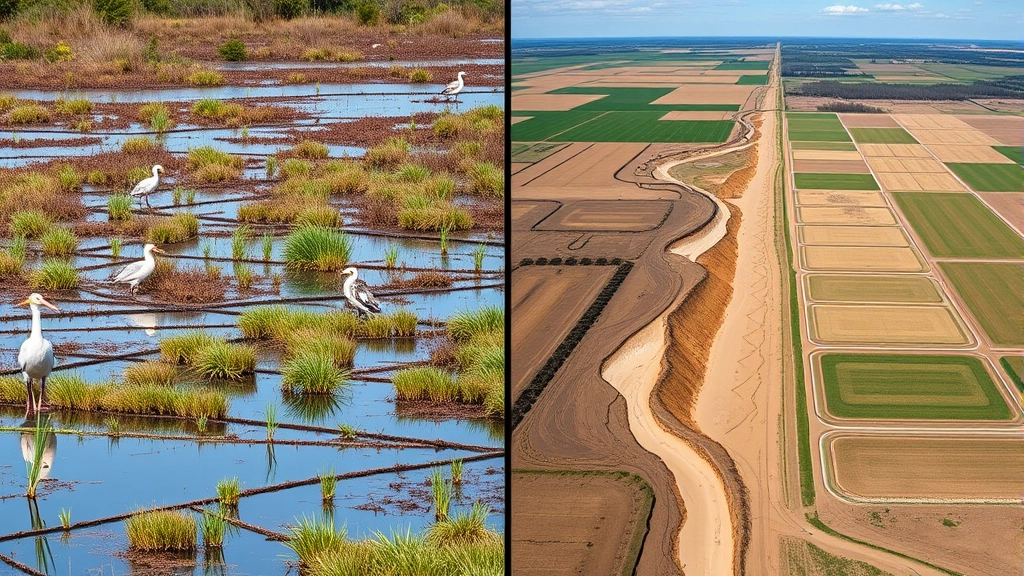
The degradation in environment accelerating across multiple ecosystems reflects partly this accounting failure. When environmental destruction generates short-term economic gains, decision-makers face no GDP penalty. Wetland conversion to agriculture, fishery collapse from overharvesting, and groundwater depletion all represent transfers of natural capital into monetary flows, recorded as growth rather than loss.
This measurement gap extends beyond national accounting to international development frameworks. The human environment interaction increasingly occurs within systems of economic measurement that ignore ecological constraints and thresholds. Nations pursuing GDP growth without ecosystem accounting may achieve statistical prosperity while experiencing ecological bankruptcy.
Ecosystem Services and Economic Value
Environmental economists have developed comprehensive frameworks for understanding how ecosystems generate economic benefits. Ecosystem services—the direct and indirect contributions of ecosystems to human well-being—encompass four primary categories: provisioning services (food, water, raw materials), regulating services (climate regulation, water purification, disease control), supporting services (nutrient cycling, soil formation, pollination), and cultural services (recreation, spiritual fulfillment, aesthetic value).
The scale of these contributions is staggering. A UNEP report estimated global ecosystem services at approximately $125 trillion annually—roughly 1.5 times global GDP. Forests alone provide services valued at $125 trillion, with tropical forests contributing $24 trillion through carbon storage, water regulation, and biodiversity maintenance. Wetlands, covering only 6% of global land area, generate ecosystem services worth more than $35 trillion annually through water filtration, flood control, and nutrient cycling.
Pollination services represent another critical but often-overlooked ecosystem contribution. Approximately 75% of global food crops depend partly on animal pollinators, with pollination services valued at $15-20 billion annually in agriculture alone. Yet pollinator populations face collapse across many regions due to habitat loss, pesticide exposure, and climate change—changes reflected in agricultural GDP without accounting for the ecosystem service losses driving production challenges.
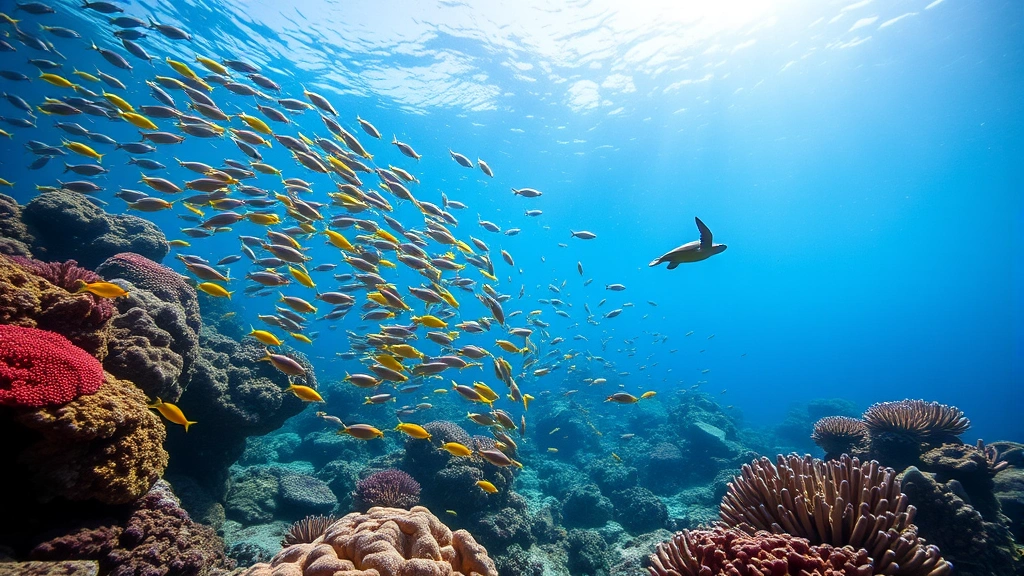
Water-related ecosystem services deserve particular attention given increasing water scarcity. Forested watersheds provide water filtration and storage services that would cost billions to replicate through technological systems. Mangrove forests protect coastlines from storms while supporting fisheries and sequestering carbon. Coral reefs provide fish habitat, coastal protection, and pharmaceutical resources. Yet these ecosystems continue disappearing because their economic value remains invisible in national accounts.
Methodologies for Valuation
Economists have developed multiple approaches to quantify ecosystem services in monetary terms, each with distinct applications and limitations. The choice of methodology significantly influences valuation outcomes and policy relevance.
Market-based valuation uses actual market prices where ecosystem services are directly traded. Timber prices, fishery revenues, and agricultural yields reflect market values of provisioning services. This approach provides concrete, defensible numbers but only captures services with existing markets—excluding most regulating and supporting services.
Replacement cost methods estimate what humans would pay to artificially replace ecosystem functions. Wastewater treatment plants can replace wetland filtration services; artificial pollination can partially substitute for wild pollinators; seawalls replace mangrove storm protection. These valuations often reveal ecosystem services to be far cheaper than technological alternatives, supporting conservation arguments.
Contingent valuation uses surveys to determine what people would pay to preserve or restore ecosystem services, even without market transactions. Researchers ask respondents about willingness to pay for clean water, scenic vistas, or species protection. This method captures cultural services and non-use values but faces methodological challenges around hypothetical bias and aggregation issues.
Hedonic pricing extracts ecosystem service values from related market transactions. Property prices reflect proximity to parks, water quality, and air quality; wage differentials reflect environmental hazards. These methods reveal revealed preferences but only for services affecting market transactions.
Travel cost methods infer recreation values from actual travel expenses visitors incur to access natural areas. This approach captures some cultural services but misses non-visitor values and distant ecosystem benefits.
The World Bank has advanced natural capital accounting methodologies integrating these approaches into comprehensive frameworks. Natural capital accounting treats ecosystems as assets, measuring their stocks and flows alongside human-made capital, creating balance sheets that reveal whether nations are living off ecosystem income or liquidating ecosystem assets.
Global Policy Movements and Case Studies
International momentum for ecosystem valuation in GDP has accelerated significantly. The System of Environmental-Economic Accounting (SEEA), developed by the United Nations Statistics Division, provides standardized methodologies for integrating environmental data into national accounting systems. Over 90 countries have adopted or are implementing SEEA frameworks, representing a fundamental shift in how nations measure economic progress.
Costa Rica’s Leadership: Costa Rica pioneered ecosystem valuation in national policy, implementing Payment for Ecosystem Services (PES) programs since 1997. The country explicitly values forests for carbon sequestration, water provision, and biodiversity protection, compensating landowners for conservation. This approach has contributed to forest recovery after decades of deforestation and demonstrates how ecosystem valuation can drive policy change. Costa Rica now calculates green GDP alongside traditional metrics, revealing that natural capital depletion significantly exceeds conventional depreciation measures.
India’s Natural Capital Assessment: India commissioned comprehensive natural capital accounting, quantifying ecosystem services across forests, wetlands, and agricultural systems. Initial findings revealed that environmental degradation costs approximately 5.7% of annual GDP—losses invisible in traditional accounting. This assessment directly influenced environmental policy decisions and investment priorities.
Australia’s Water Valuation: Following severe droughts, Australia implemented sophisticated water valuation systems, recognizing freshwater as critical natural capital. Water markets now price this resource based on ecosystem needs and competing demands, improving allocation efficiency and revealing true scarcity values.
European Union Biodiversity Strategy: The EU has committed to natural capital accounting across member states, with biodiversity loss quantified in economic terms. This framework explicitly links carbon footprint reduction efforts to ecosystem preservation, recognizing that climate regulation and biodiversity protection are interconnected ecosystem services.
These initiatives demonstrate that ecosystem valuation in GDP frameworks is transitioning from theoretical exercise to policy implementation, though methodologies remain contested and standardization incomplete.
Challenges and Criticisms
Despite growing momentum, integrating ecosystems into GDP faces substantial conceptual and practical obstacles. Critics raise legitimate concerns that warrant careful consideration.
Valuation Uncertainty: Many ecosystem services resist precise monetary quantification. How should spiritual value of sacred ecosystems be priced? What is the economic value of existence—knowing species survive even if humans never encounter them? Different valuation methodologies applied to identical ecosystems produce vastly different results, undermining confidence in specific figures. Contingent valuation studies on the same resource might yield values differing by orders of magnitude depending on survey design.
Irreversibility and Non-substitutability: Some ecosystem services cannot be replaced by human-made capital or substituted with alternative resources. Once species extinction occurs, that loss is permanent and irreplaceable. Monetary valuation can obscure this reality, suggesting that ecosystem destruction is acceptable if the monetary value is compensated. Ecological economists argue that certain natural capital must be treated as non-negotiable thresholds rather than tradeable assets.
Aggregation Problems: Combining ecosystem values into single GDP figures risks obscuring critical information. A region might show GDP growth while experiencing catastrophic biodiversity loss, water depletion, and soil degradation—changes masked by aggregate valuation. Disaggregated ecosystem accounting may provide better policy guidance than integrated figures.
Temporal Discounting Issues: Ecosystem services extend across centuries, but economic valuation typically discounts future values at standard interest rates. This discounting systematically undervalues long-term ecosystem benefits relative to short-term extraction profits. A forest’s carbon storage benefits over 200 years become economically negligible when discounted at 5% annually, yet the ecological service remains critical.
Commodification Concerns: Some environmental ethicists argue that assigning monetary values to ecosystems fundamentally misrepresents their nature. Ecosystems are not commodities, and reducing them to prices may reinforce the exploitative attitudes driving ecological destruction. This critique suggests that ecosystem protection should rest on intrinsic value and rights-based frameworks rather than economic calculation.
Implementation Challenges: Moving from valuation frameworks to policy implementation requires overcoming institutional inertia, political resistance, and measurement complexity. Many nations lack technical capacity for comprehensive ecosystem accounting. International coordination remains incomplete, limiting comparability across countries.
The Path Forward
Evidence increasingly suggests that ecosystem valuation in GDP frameworks, despite limitations, represents progress toward more truthful economic accounting. The question is not whether to value ecosystems—they already generate enormous economic value—but whether to make that value visible in decision-making systems.
Future developments should pursue several parallel approaches. Complementary metrics can supplement GDP with disaggregated ecosystem accounts, revealing specific natural capital changes without forcing inappropriate aggregation. Nations can track forest carbon stocks, freshwater quality, pollinator abundance, and soil health as distinct indicators alongside GDP growth.
Threshold-based frameworks can identify ecosystem tipping points and non-negotiable conservation thresholds, preventing economic logic from justifying irreversible ecological collapse. Rather than asking what price makes species extinction acceptable, frameworks can specify extinction as economically prohibited regardless of compensation offered.
Dynamic natural capital accounting can track how current economic activity affects future ecosystem service provision, revealing whether growth is sustainable or merely accelerating future decline. This approach addresses temporal discounting by explicitly modeling long-term ecosystem trajectories.
Distributional analysis can examine how ecosystem valuation and conservation policies affect different populations. Ecosystem services often flow disproportionately to wealthy nations and populations, while conservation costs concentrate on poor communities. Equitable frameworks must address these distributional consequences.
The European Environment Agency has advanced integrated assessment frameworks combining ecosystem accounting with social equity considerations. These models demonstrate that environmental protection and economic development need not conflict when true costs and benefits are properly accounted.
Organizations like the International Union for Conservation of Nature have developed practical implementation guides for natural capital accounting, supporting countries transitioning toward integrated frameworks. Capacity building remains critical, particularly for developing nations facing ecosystem pressures without technical infrastructure for sophisticated valuation.
The decision to integrate ecosystem valuation into GDP represents more than accounting reform—it reflects a fundamental shift in how societies understand economic activity’s relationship to natural systems. When forests are recognized as natural capital rather than economic externalities, when water quality appears on balance sheets, when pollination services are quantified, decision-making frameworks change. Short-term extraction becomes less attractive relative to long-term stewardship. Ecosystem preservation begins competing on economic grounds rather than requiring moral arguments alone.
This transformation is neither complete nor guaranteed. Powerful interests benefit from ecosystem invisibility in economic accounting. Technical challenges persist in valuation methodology. Yet the direction is clear: international time to first decision on ecosystem valuation in GDP frameworks has arrived. Nations implementing these frameworks today gain competitive advantages in sustainable development, risk management, and resource efficiency. Those delaying face increasing costs as ecosystem degradation accelerates and ecological thresholds collapse.
FAQ
What is the difference between ecosystem services and natural capital?
Natural capital refers to the stock of environmental assets—forests, wetlands, fisheries, freshwater systems. Ecosystem services are the flows of benefits humans derive from natural capital. A forest is natural capital; the carbon storage, water filtration, and biodiversity it provides are ecosystem services. Accounting systems track both stocks and flows to reveal whether natural capital is being maintained, depleted, or restored.
Why hasn’t GDP accounting included ecosystems already?
GDP emerged as a wartime accounting tool designed to measure industrial production and monetary transactions. Ecosystems generate value outside market systems, making them invisible to transaction-based metrics. Additionally, powerful economic interests benefit from treating natural resources as infinite free inputs rather than scarce assets requiring management. Institutional inertia and technical challenges have slowed adoption of integrated frameworks despite decades of academic advocacy.
Can ecosystem valuation prevent environmental destruction?
Valuation is necessary but insufficient for environmental protection. Making ecosystem value visible in economic accounting can shift incentives and reveal true costs of degradation. However, valuation alone cannot prevent destruction if decision-makers prioritize short-term gains despite long-term losses. Ecosystem protection requires combining valuation with regulatory frameworks, enforcement mechanisms, and cultural shifts valuing nature beyond economic metrics.
How do different countries’ ecosystem valuations compare?
Comparability remains limited because methodologies vary significantly across nations and ecosystems. Costa Rica’s PES program values forests differently than India’s natural capital accounting, which differs from European biodiversity frameworks. International standardization efforts through SEEA are improving comparability, but context-specific factors mean perfect global comparability may be neither possible nor desirable.
Should all ecosystem services have monetary values?
This remains contested. Some argue that comprehensive monetization enables policy comparison and integration. Others contend that certain services—particularly cultural and spiritual values—resist meaningful monetary quantification, and attempting such valuation distorts their true significance. Most experts advocate for mixed approaches combining monetary and non-monetary valuation depending on context and stakeholder values.
How does ecosystem valuation relate to renewable energy transition?
Ecosystem valuation reveals that renewable energy systems generate multiple benefits beyond electricity production: reduced carbon emissions (climate regulation service), avoided air pollution (health service), and often lower ecosystem disruption than fossil fuel extraction. Proper accounting of these ecosystem services strengthens the economic case for renewable energy investment.
What role does ecosystem valuation play in sustainable fashion?
The sustainable fashion brands movement increasingly relies on ecosystem valuation to demonstrate environmental costs of conventional production. Water consumption, soil degradation, and chemical pollution in textile manufacturing have significant ecosystem service costs that sustainable alternatives reduce. Valuation frameworks help consumers and investors understand true economic costs of fashion choices.


