How Green Economy Impacts Ecosystems: Study Insights
The transition toward a green economy represents one of the most significant economic restructuring efforts of our time. As nations grapple with climate change, biodiversity loss, and resource depletion, the integration of environmental considerations into economic models has become not merely aspirational but essential. Recent research demonstrates that a properly implemented green economy can simultaneously drive economic growth while restoring and protecting natural ecosystems—a paradigm shift from the traditional extractive economic models that have dominated for centuries.
Understanding how green economy initiatives impact ecosystems requires examining the complex interplay between economic activity, environmental policy, and natural system responses. This comprehensive analysis draws on recent scientific literature, economic data, and case studies to illuminate the mechanisms through which green economic practices influence biodiversity, carbon cycles, water systems, and soil health. The evidence suggests that when designed thoughtfully, green economy strategies can create positive feedback loops that benefit both human communities and the natural world.
Understanding the Green Economy Framework
The green economy, as defined by the United Nations Environment Programme, represents an economic system that results in improved human well-being and social equity while significantly reducing environmental risks and ecological scarcities. Unlike traditional economic models that externalize environmental costs, the green economy framework explicitly incorporates natural capital accounting into decision-making processes at all levels—from individual consumer choices to national policy frameworks.
This economic paradigm rests on several foundational principles. First, it recognizes that ecosystem services—including pollination, water purification, climate regulation, and nutrient cycling—have quantifiable economic value. Second, it acknowledges that infinite growth on a finite planet is impossible, requiring a transition from linear “take-make-waste” models to circular economy approaches. Third, it emphasizes that environmental degradation ultimately undermines economic productivity and human prosperity.
The relationship between economic activity and ecosystem health operates through multiple pathways. Traditional extractive industries reduce ecosystem capacity through habitat destruction, pollution, and resource depletion. In contrast, green economy sectors such as renewable energy, sustainable forestry, ecological restoration, and organic agriculture can actively enhance ecosystem function while generating economic value. The critical distinction lies in whether economic activities work with or against natural system dynamics.
Recent analyses from the World Bank indicate that countries investing in green economy transitions experience both improved environmental outcomes and competitive economic advantages. Renewable energy sectors now employ more workers globally than fossil fuel industries, renewable technologies continue declining in cost, and nature-based solutions increasingly demonstrate superior cost-effectiveness compared to purely technological approaches.
Direct Ecosystem Impacts of Green Economic Practices
Green economic practices generate direct, measurable impacts on ecosystem structure and function. When renewable energy infrastructure replaces fossil fuel extraction, the immediate cessation of habitat destruction in mining regions allows ecosystem recovery. When agricultural systems shift from conventional to regenerative practices, soil biota rebound, water infiltration improves, and landscape-level hydrological patterns stabilize.
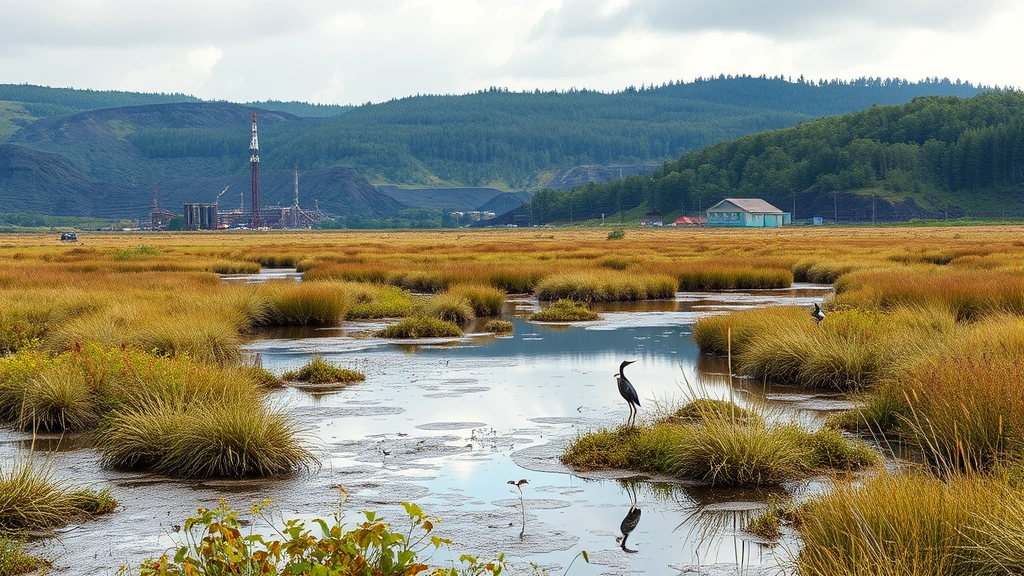
The substitution effect represents one mechanism through which green economies benefit ecosystems. As renewable energy displaces coal and oil extraction, landscapes previously devoted to mining operations begin natural regeneration or can be actively restored. In Germany, former coal mining regions in North Rhine-Westphalia have been transformed into wetland habitats and recreational areas, creating ecosystem benefits while generating tourism revenue. Similarly, the decline of industrial fishing through sustainable marine management practices has allowed fish populations to recover in numerous regions, restoring food webs and ecosystem resilience.
Green building practices exemplify how economic activity can enhance rather than degrade local ecosystems. Buildings designed for energy efficiency reduce operational carbon emissions, but they also frequently incorporate green infrastructure—rooftop gardens, permeable pavements, constructed wetlands—that provide habitat, manage stormwater, and cool urban environments. These practices generate quantifiable ecosystem services while reducing infrastructure maintenance costs and improving human health outcomes.
Industrial ecology, an emerging discipline within green economy frameworks, examines how manufacturing systems can mimic natural ecosystem processes. By designing industrial processes that use waste outputs as inputs for other processes, industrial ecosystems reduce extraction pressure on natural systems while improving economic efficiency. The classic example involves kalundborg industrial symbiosis in Denmark, where a power plant, refinery, pharmaceutical facility, and other industries exchange waste streams, creating economic value while reducing aggregate environmental impact by approximately 20% compared to conventional industrial organization.
Biodiversity and Conservation Economics
Biodiversity loss represents one of the most pressing environmental challenges, with species extinction rates currently 100-1,000 times higher than background extinction rates. Green economy approaches address biodiversity loss through multiple mechanisms, from direct habitat protection to creating economic incentives that make conservation more valuable than conversion.
Payment for ecosystem services (PES) schemes have emerged as powerful conservation tools within green economy frameworks. These programs compensate landowners for maintaining or restoring ecosystems that provide valuable services—carbon storage, water filtration, pollinator habitat. Costa Rica’s pioneering PES program, initiated in 1997, has protected over 1 million hectares of forest while improving rural livelihoods. Research demonstrates that participating landowners experience income increases of 10-15% while forest cover remains stable or increases, creating win-win outcomes for both human communities and biodiversity.
The economic valuation of biodiversity itself has catalyzed conservation innovation. When ecosystems are assigned monetary values based on their service provision—a hectare of tropical rainforest providing carbon storage, water purification, and pharmaceutical compound discovery worth $2,000-5,000 annually—the preservation of that ecosystem becomes economically rational. This reframing has influenced policy across multiple nations, with biodiversity offsetting now required for development projects in numerous jurisdictions, effectively creating a market mechanism for species and habitat protection.
Ecotourism represents another green economy pathway through which biodiversity conservation becomes economically self-sustaining. Nations from Costa Rica to Rwanda have developed tourism industries centered on wildlife viewing and natural habitat experiences, generating government revenue that funds conservation programs. Rwanda’s mountain gorilla tourism generates approximately $5 million annually while supporting habitat protection across 1,200 square kilometers, demonstrating how green economy mechanisms can align economic incentives with biodiversity conservation.
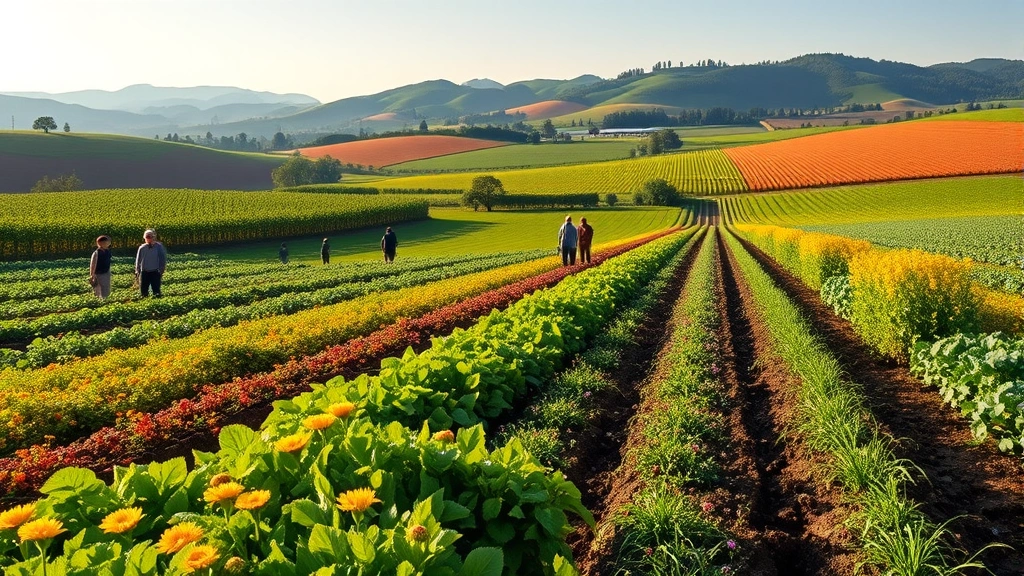
Organic and regenerative agriculture, discussed extensively in the environment biology literature, represents another mechanism through which green economies enhance biodiversity. Conventional agriculture, while producing high yields, typically supports only 1-3% of regional biodiversity compared to pre-agricultural baselines. Organic systems, through prohibition of synthetic pesticides and fertilizers, restore soil arthropod communities, beneficial insect populations, and bird abundance. Studies from the UK and Europe demonstrate 30-50% higher biodiversity in organic farms compared to conventional operations, with ecosystem service provision increasing correspondingly.
Carbon Sequestration and Climate Mitigation
Climate change represents perhaps the most consequential threat to ecosystem function in the Anthropocene, with warming temperatures, altered precipitation patterns, and extreme weather events disrupting species distributions, phenology, and ecosystem structure globally. Green economy transitions directly address climate mitigation through reduced emissions while simultaneously enhancing ecosystem capacity for carbon sequestration.
Renewable energy deployment represents the primary mechanism through which green economies reduce atmospheric carbon accumulation. Solar photovoltaic and wind energy now provide 12% of global electricity generation, displacing fossil fuel combustion that would otherwise release gigatons of carbon dioxide annually. The International Renewable Energy Agency projects that renewable energy expansion will reduce cumulative carbon emissions by 70 gigatons through 2050 compared to business-as-usual scenarios, fundamentally altering atmospheric trajectory.
Beyond emission reduction, green economy practices actively enhance ecosystem carbon sequestration capacity. Reforestation and afforestation programs represent the most extensive carbon sequestration strategy, with trees accumulating carbon in biomass over decades to centuries. A single hectare of temperate forest sequesters 4-8 tons of carbon annually, while tropical forests sequester 10-15 tons annually. When green economy incentives make forest protection economically viable—through carbon credit markets, REDD+ (Reducing Emissions from Deforestation and Forest Degradation) programs, and PES schemes—vast carbon stores remain in living trees rather than being released through harvest or conversion.
Wetland restoration within green economy frameworks provides disproportionate climate benefits relative to area restored. While wetlands cover only 6% of terrestrial area, they store approximately 30% of global soil carbon. Peatland restoration in Europe, funded through green economy investments, has initiated carbon re-accumulation in previously degraded systems. Similarly, mangrove restoration in Southeast Asia simultaneously sequesters carbon, protects coastlines from storm surge, and restores fishery habitat—creating multiple ecosystem benefits through single interventions.
Soil carbon sequestration through regenerative agriculture and grassland management represents an emerging frontier in climate-ecosystem linkages. Practices including reduced tillage, cover cropping, rotational grazing, and compost application rebuild soil organic matter, which had declined 50-75% in many agricultural regions due to conventional practices. Rebuilding soil carbon provides climate mitigation benefits while restoring soil structure, water-holding capacity, and biological activity—creating cascading ecosystem improvements.
Water Systems and Hydrological Health
Water scarcity and degradation represent critical constraints on both ecosystem function and human economic activity, with 2 billion people experiencing high water stress and freshwater ecosystems experiencing accelerating biodiversity loss. Green economy approaches restore hydrological function through reduced pollution, improved water use efficiency, and restoration of natural water-regulating ecosystems.
Wetland restoration exemplifies green economy water management. Wetlands function as natural water treatment systems, removing excess nutrients, filtering sediments, and moderating streamflow. When agricultural runoff has degraded downstream water quality, wetland restoration provides water purification services valued at $10,000-20,000 per hectare annually while supporting biodiversity and carbon sequestration. The Everglades restoration initiative, though complex and ongoing, demonstrates how large-scale wetland protection creates measurable improvements in water quality, fish populations, and ecosystem resilience.
Riparian buffer protection and restoration represents another green economy water strategy. Vegetated buffers along streams and rivers filter agricultural and urban runoff, stabilize banks, regulate water temperature, and provide habitat connectivity. Research from human impacts on the environment demonstrates that riparian buffers as narrow as 10 meters remove 50-70% of nutrient and sediment loads, with wider buffers (20-30 meters) providing additional benefits for temperature regulation and species movement.
Sustainable water infrastructure within green economy frameworks prioritizes natural systems over purely engineered approaches. Constructed wetlands for wastewater treatment, permeable pavements for stormwater management, and rain gardens for runoff capture all provide water treatment services while reducing energy inputs and supporting biodiversity compared to conventional gray infrastructure. A constructed wetland treating municipal wastewater costs one-third as much to build and operate as conventional treatment plants while providing habitat value and recreational benefits.
Groundwater protection through reduced chemical inputs in green agriculture preserves aquifer quality while reducing treatment costs for drinking water supplies. Conversion of contaminated agricultural land to organic management allows aquifer recovery, with nitrate levels declining 50-80% within 5-10 years of transition. This represents significant economic value when aquifer restoration avoids costly remediation or water source replacement.
Soil Restoration Through Sustainable Agriculture
Soil represents the foundation of terrestrial ecosystems and agricultural productivity, yet conventional agriculture has degraded soils across 25% of global land area, reducing productivity and ecosystem function. Green economy agricultural transitions actively restore soil health, creating economic and environmental benefits simultaneously.
Regenerative agriculture practices—including cover cropping, compost application, reduced tillage, and rotational grazing—rebuild soil organic matter, which had declined from 3-5% in native soils to 1-2% in many agricultural regions. Soil organic matter functions as the primary driver of soil structure, water-holding capacity, nutrient cycling, and biological activity. Rebuilding organic matter from 1% to 3% increases water-holding capacity by 20-30%, reducing irrigation requirements and drought vulnerability while improving carbon sequestration and nutrient availability.
The economic returns to soil restoration justify green economy investment. Regenerative farming systems, while requiring higher management intensity and knowledge inputs initially, achieve productivity equal to or exceeding conventional systems within 3-7 years while reducing input costs (synthetic fertilizers, pesticides, tillage fuel) by 30-50%. A meta-analysis of 286 studies found that organic agriculture achieves 80% of conventional yields on average, but with 30-40% lower input costs, making profitability comparable or superior in many contexts.
Soil biology restoration represents a critical but often overlooked benefit of green agriculture transitions. Conventional agriculture with synthetic pesticides and fertilizers reduces soil arthropod biomass by 50-75%, eliminating beneficial predatory species and disrupting nutrient cycling. Organic and regenerative systems restore soil fauna diversity, with earthworm populations increasing 200-400% and total arthropod biomass increasing 100-150% within 5 years of transition. These biological communities drive nutrient cycling, disease suppression, and structural stability.
The relationship between soil health and climate resilience operates through multiple pathways. Soils with high organic matter exhibit greater water infiltration, reducing runoff and flooding during intense precipitation events while increasing drought tolerance during dry periods. This enhanced hydrological resilience provides direct economic benefits through reduced crop losses and infrastructure damage while improving ecosystem function. Research from the World Bank indicates that soil conservation investments provide benefit-cost ratios of 3:1 to 6:1 when accounting for productivity improvements and ecosystem service provision.
Economic Instruments for Ecosystem Protection
Green economy frameworks employ sophisticated economic instruments designed to align private economic incentives with ecosystem protection. These mechanisms recognize that ecosystem degradation often results from market failures—the failure to price ecosystem services and environmental externalities—and correct these failures through pricing, regulation, and incentive structures.
Carbon pricing mechanisms, whether through carbon taxes or cap-and-trade systems, assign a monetary cost to greenhouse gas emissions, creating economic incentives for emission reduction. The European Union’s Emissions Trading System, while imperfect, has driven renewable energy deployment and energy efficiency improvements across member states. Carbon pricing creates economic signals that reward ecosystem-protective practices—renewable energy, forest protection, soil carbon sequestration—making these practices economically competitive with carbon-intensive alternatives.
Biodiversity offset requirements mandate that development impacts on biodiversity be offset through protection or restoration elsewhere. When a developer must protect 2-3 hectares of high-value habitat for every hectare converted, development patterns shift toward lower-impact sites while funding habitat protection. Australia’s biodiversity offset scheme has directed hundreds of millions of dollars toward habitat restoration, demonstrating how regulatory instruments can mobilize private capital for ecosystem protection.
Green bonds and environmental impact investing channels capital toward ecosystem-protective projects at favorable interest rates. The green bond market exceeded $500 billion annually by 2021, funding renewable energy, sustainable agriculture, wetland restoration, and other ecosystem-protective initiatives. This financial mechanism demonstrates how green economy transitions can access capital markets, reducing financing costs and accelerating deployment of ecosystem-beneficial technologies and practices.
Payment for ecosystem services programs, discussed earlier in the context of biodiversity conservation, represent another critical economic instrument. By monetizing ecosystem service provision, PES programs make conservation economically viable for landowners. Expansion of PES programs globally—now operating in over 50 countries—has protected millions of hectares of forest, wetland, and grassland while generating income for rural communities.
Case Studies: Green Economy Success Stories
Examining specific implementations of green economy principles demonstrates the mechanisms through which ecosystems benefit and the economic returns that accrue. These case studies illustrate diverse pathways through which green economy transitions generate ecosystem improvements.
Costa Rica’s Renewable Energy and Forest Protection Integration: Costa Rica has transitioned to 99% renewable electricity generation while protecting forest cover through integrated green economy policies. The nation’s combination of hydropower, geothermal, wind, and solar energy eliminated coal generation while generating export revenues. Simultaneously, the PES program protected forest cover, which increased from 25% in the 1980s to 52% by 2020. This integration generated ecosystem benefits—restored biodiversity, carbon sequestration, watershed protection—while achieving economic growth rates exceeding regional averages.
Denmark’s Agroecological Transition: Denmark converted approximately 10% of agricultural land to organic management through green economy support programs. This transition, while reducing aggregate yields by 15-20%, decreased synthetic pesticide use by 90%, restored soil biota diversity, and reduced water pollution from agricultural runoff. The organic sector developed premium market positioning, achieving price premiums of 30-50% that compensated farmers for yield reductions. Ecosystem benefits included restored aquifer quality, recovered bird populations, and enhanced landscape heterogeneity.
Germany’s Energiewende and Habitat Recovery: Germany’s transition to renewable energy, while economically complex, has facilitated habitat recovery in regions transitioning away from coal mining. Reclaimed mining sites have been converted to wetland habitats, grasslands, and forests, creating biodiversity refugia. Simultaneously, renewable energy deployment has displaced coal combustion, reducing atmospheric carbon and associated ecosystem impacts. The transition demonstrates how green economy restructuring can restore landscapes while meeting energy demands.
Rwanda’s Gorilla Conservation and Ecotourism: Rwanda’s protection of mountain gorilla habitat through ecotourism development has generated $5 million annually while supporting 12,000 direct and indirect jobs. Gorilla population increased from 250 in 1981 to 1,000 by 2020, demonstrating how green economy mechanisms can reverse species decline. The program illustrates human-environment interaction at its most positive, where economic incentives align with conservation outcomes.

Challenges and Trade-offs in Implementation
While green economy transitions offer substantial ecosystem benefits, implementation involves significant challenges and potential trade-offs requiring careful management and adaptive governance.
Scale and Speed Mismatches: Ecosystem recovery operates on decadal to centennial timescales, while economic transitions often occur over years to decades. This temporal mismatch creates pressure to demonstrate economic returns before ecosystem benefits fully materialize. Policymakers must communicate that ecosystem restoration represents long-term investment with returns accruing over generations, requiring political commitment extending beyond electoral cycles.
Biodiversity-Energy Trade-offs: Renewable energy infrastructure, while eliminating fossil fuel extraction impacts, can create its own habitat disruption. Large-scale solar and wind installations require land conversion, with potential impacts on grassland ecosystems and bird populations. Careful siting, habitat mitigation, and landscape-level planning can minimize these impacts, but trade-offs require explicit recognition and management.
Carbon Sequestration Permanence: Carbon stored in forests and soils can be released through fire, harvest, or land conversion, creating permanence concerns for carbon-based climate mitigation strategies. Green economy carbon programs must incorporate permanence safeguards, monitoring protocols, and financial mechanisms ensuring that sequestered carbon remains stored long-term.
Equity and Distributional Concerns: Green economy transitions can create winners and losers, with communities dependent on extractive industries potentially experiencing economic disruption. Just transition frameworks, worker retraining programs, and revenue sharing from green economy benefits must accompany transitions to ensure equitable distribution of costs and benefits. Failure to address distributional concerns creates political resistance undermining transition success.
Rebound Effects and Consumption Growth: Efficiency improvements can paradoxically increase resource consumption if savings are spent on additional consumption. A household reducing heating costs through efficiency improvements might travel more, offsetting emissions reductions. Addressing rebound effects requires consumption-level interventions alongside efficiency improvements—taxation of resource-intensive goods, cultural shifts toward sufficiency, and income policies preventing growth in absolute resource throughput.
Measurement and Verification Challenges: Quantifying ecosystem benefits from green economy interventions requires robust monitoring systems and methodologies. Challenges in measuring soil health, pollinator populations, and ecosystem service flows can impede program evaluation and adjustment. Investment in monitoring infrastructure and standardized assessment methodologies represents essential infrastructure for effective green economy implementation.
FAQ
How does the green economy differ from traditional environmental conservation?
Traditional conservation typically focuses on protecting designated areas—parks and reserves—from human economic activity. The green economy integrates environmental protection into economic activity itself, recognizing that ecosystems can provide services while supporting human economic production. Rather than separating conservation from economics, the green economy framework seeks to align them through economic mechanisms and policy instruments that make ecosystem protection economically rational.
What evidence demonstrates that green economy practices actually improve ecosystems?
Extensive empirical evidence documents ecosystem improvements from green economy practices. Wetland restoration increases fish populations and water quality; organic agriculture increases soil biota and biodiversity; renewable energy displaces habitat-destructive extraction; carbon pricing accelerates emission reductions. Case studies from Costa Rica, Denmark, Rwanda, and elsewhere provide documented examples of simultaneous economic growth and ecosystem improvement. Research published in journals including Nature, Science, and Ecological Economics provides peer-reviewed evidence of these relationships.
Can green economy transitions occur at sufficient speed to address climate change?
Current renewable energy deployment rates, while accelerating, fall short of the pace required to limit warming to 1.5-2°C. However, cost declines in renewable technologies, policy support for green transitions, and increasing private investment suggest acceleration is possible. Research from the United Nations Environment Programme indicates that achieving climate goals requires doubling renewable energy deployment rates and tripling energy efficiency improvements. This is technically and economically feasible but requires unprecedented policy coordination and investment.
What are the costs of green economy transitions?
Green economy transitions involve significant upfront capital investment in renewable energy, sustainable agriculture infrastructure, and ecosystem restoration. However, lifecycle cost analyses typically demonstrate that green investments generate positive returns within 5-15 years through reduced operational costs, avoided environmental damages, and ecosystem service provision. When environmental externalities are properly valued, green economy investments are typically more cost-effective than conventional alternatives. Financing mechanisms including green bonds and development finance can reduce transition costs for developing nations.
How do green economy policies address the needs of developing nations?
Developing nations often depend on natural resource extraction for government revenue and employment, creating tensions with ecosystem protection. Green economy frameworks address this through technology transfer, climate finance, capacity building, and market access for green products. Mechanisms including REDD+, the Green Climate Fund, and preferential trade agreements for sustainable products create economic incentives for developing nations to transition toward green economies. However, resource flows remain insufficient to fully finance transitions, requiring expanded international financial commitments.
What role do consumers play in green economy transitions?
Consumer demand drives markets toward green products and practices. Growth in organic food markets, renewable energy adoption, and sustainable fashion demonstrates consumer willingness to pay premiums for environmentally beneficial products. However, individual consumer choice alone cannot drive necessary systemic changes; policy-level interventions including carbon pricing, renewable energy mandates, and agricultural subsidies reform are equally essential. Green economy transitions require coordinated action across policy, business, and consumer levels.
How do green economies address different types of environments?
Green economy approaches vary across environmental contexts. Tropical regions emphasize forest protection and agroforestry; arid regions focus on sustainable water management and rangeland restoration; coastal areas prioritize marine ecosystem protection and sustainable fisheries; agricultural regions implement regenerative practices. Context-specific green economy strategies recognize that ecosystem-protective practices must align with local environmental conditions, economic structures, and cultural practices. The Ecorise Daily Blog provides extensive resources on context-specific green economy implementation.


