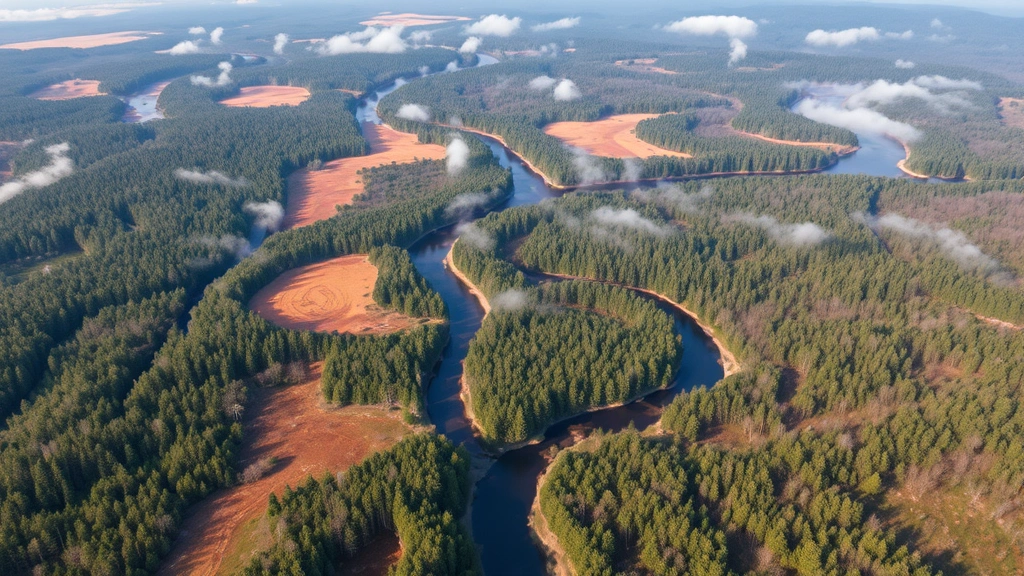
Can Natural Resources Boost Economy? Study Insights on Environment and Natural Resources Building
The relationship between natural resources and economic growth has long been a subject of intense scholarly debate. While conventional wisdom suggests that abundant natural resources should translate into prosperity, empirical evidence reveals a more complex reality. Recent studies from ecological economics research institutions demonstrate that natural resource management directly influences long-term economic sustainability and resilience. The paradox known as the “resource curse” shows that nations with significant resource wealth sometimes experience slower growth than resource-scarce counterparts, challenging our fundamental assumptions about wealth creation.
Understanding this paradox requires examining how natural capital—forests, minerals, freshwater, soil, and biodiversity—converts into economic value through proper governance, investment in human capital, and sustainable extraction practices. This comprehensive analysis draws on research from the World Bank, UNEP environmental assessments, and ecological economics journals to illuminate how societies can leverage natural resources as genuine engines of sustainable development rather than temporary windfalls.

Natural Resources as Economic Foundation
Natural resources represent the foundational layer of all economic activity. From timber and minerals to fisheries and agricultural land, these assets generate trillions in annual economic value. According to World Bank estimates, natural capital comprises approximately 20-30% of total wealth in developing nations, yet this critical asset often remains undervalued in national accounting systems. When countries implement comprehensive environmental accounting—measuring natural resource depletion alongside GDP growth—the picture of true economic performance becomes dramatically different.
The economic contribution of natural resources extends beyond direct extraction. Ecosystem services provided by intact natural systems—pollination, water filtration, climate regulation, and carbon sequestration—represent enormous economic value that typically escapes market pricing. Research from ecological economics journals demonstrates that the true value of nature’s services often exceeds the extraction value by significant multiples. For instance, mangrove forests provide storm protection, fish nurseries, and carbon storage worth thousands of dollars per hectare annually, yet are frequently destroyed for aquaculture worth only hundreds.
Understanding definition of environment science becomes essential for policymakers seeking to maximize resource-based economic benefits. Environmental science provides the measurement frameworks and impact assessments necessary to calculate true returns on resource investments.

The Resource Curse Phenomenon
The resource curse—also termed the paradox of plenty—describes situations where countries with abundant natural resources experience slower economic growth than resource-scarce nations. This counterintuitive pattern has plagued resource-rich developing nations for decades. Nigeria, despite possessing Africa’s largest oil reserves, has achieved lower per-capita income growth than resource-poor Rwanda. Venezuela’s oil wealth failed to prevent economic collapse. These examples illustrate that resource abundance alone does not guarantee prosperity.
Multiple mechanisms drive the resource curse. First, resource wealth often concentrates economic power, reducing institutional quality and increasing corruption. When government revenue derives primarily from resource extraction rather than taxation of productive activities, accountability mechanisms weaken. Citizens demand fewer services, governments become less responsive, and rent-seeking behaviors flourish. Second, natural resource dependence creates currency appreciation (Dutch disease), making non-resource exports uncompetitive and discouraging economic diversification. Third, volatile commodity prices create boom-bust cycles that destabilize economies and discourage long-term investment in human capital and infrastructure.
However, the resource curse is not inevitable. UNEP research highlights that countries like Botswana, Chile, and Norway have successfully converted resource wealth into sustained prosperity through institutional reforms, sovereign wealth funds, and deliberate diversification strategies. These nations demonstrate that governance quality determines whether resources become curses or blessings.
The relationship between economic development and environmental management connects directly to human environment interaction patterns. How societies choose to interact with their natural systems fundamentally shapes economic outcomes.
Sustainable Extraction and Value Creation
Transitioning from resource extraction to resource stewardship requires fundamental shifts in how societies approach natural capital. Sustainable extraction practices maintain resource productivity across generations, ensuring that current economic benefits do not sacrifice future prosperity. This approach contrasts sharply with depletion-oriented extraction that maximizes short-term revenues while degrading natural capital.
Forest management illustrates this distinction clearly. Destructive logging operations clear forests for immediate profit, destroying habitat, increasing erosion, and reducing future productivity. Sustainable forestry, conversely, maintains forest structure and regenerative capacity while providing continuous harvests. Economic analyses consistently show that sustainable approaches generate superior long-term returns, yet short-term financial pressures and weak governance frequently favor destructive practices.
Fisheries demonstrate similar dynamics. Industrial overfishing temporarily maximizes catches and profits but depletes fish stocks, eventually collapsing both the resource and the industry. The Grand Banks cod fishery collapse exemplifies this tragedy—a once-productive resource reduced to commercial worthlessness through unsustainable extraction. Conversely, fisheries managed with catch limits, seasonal closures, and habitat protection maintain productivity indefinitely while supporting stable communities and incomes.
The transition toward sustainable resource use requires investment in monitoring, enforcement, and alternative livelihood development. Initial costs appear substantial, yet ecological economics research demonstrates that long-term net benefits of sustainable extraction exceed short-term costs by orders of magnitude. Studies measuring ecosystem service values show that maintaining natural capital generates greater cumulative economic benefit than converting it to other uses.
Renewable energy for homes represents one practical application of sustainable resource principles at household levels, demonstrating how renewable resources can replace depletable ones.
Biodiversity Economics and Market Value
Biodiversity—the variety of species, genes, and ecosystems—generates enormous economic value through pharmaceuticals, agricultural genetics, pollination, pest control, and ecosystem stability. Yet biodiversity loss continues accelerating, driven by habitat destruction, pollution, and climate change. This represents a massive economic miscalculation, as societies destroy natural assets worth trillions while gaining temporary benefits worth billions.
The pharmaceutical industry depends entirely on natural biodiversity. Approximately 25% of prescription medications derive from rainforest plants, yet less than 1% of tropical plants have been screened for medicinal properties. Destroying rainforests eliminates potential medicines alongside their economic value. Similarly, agricultural productivity depends on pollinator diversity, genetic resources for crop improvement, and pest control services provided by natural enemies. Industrial agriculture’s reliance on pesticides and monocultures destroys these services, creating long-term productivity risks.
Economic valuation of biodiversity faces methodological challenges but remains essential for policy. Researchers employ multiple approaches: market pricing for directly sold services, replacement cost methods estimating expenses to replace lost functions, and contingent valuation measuring willingness-to-pay for conservation. While imperfect, these methods consistently demonstrate that biodiversity conservation generates economic returns exceeding conversion to alternative uses.
Ecotourism illustrates biodiversity’s direct economic value. Costa Rica’s protected rainforests generate billions in tourism revenue while maintaining ecosystem functions. This model shows that living ecosystems can provide greater sustained income than extractive industries. However, ecotourism requires careful management to prevent overuse and environmental degradation.
Policy Frameworks for Resource-Based Prosperity
Converting natural resource abundance into sustained economic development requires sophisticated policy frameworks addressing multiple dimensions simultaneously. Institutional development, fiscal management, economic diversification, and environmental protection must advance together.
First, transparent governance mechanisms prevent resource wealth from concentrating power and encouraging corruption. Norway’s sovereign wealth fund model—investing oil revenues in diversified global portfolios with strict spending rules—demonstrates how institutional frameworks can prevent resource curse dynamics. Botswana’s De Beers diamond partnership, while controversial, maintained transparency and reinvested revenues into education and infrastructure, enabling sustained development.
Second, fiscal policies must ensure that resource revenues fund long-term development rather than consumption. Sovereign wealth funds, dedicated education and infrastructure investments, and savings requirements create mechanisms for converting temporary resource wealth into permanent productive capacity. Without such policies, resource booms inevitably become busts as commodity prices decline.
Third, deliberate economic diversification reduces dependence on volatile commodity markets. Investing resource revenues into human capital development, research institutions, and productive infrastructure creates comparative advantages in non-resource sectors. South Korea and Singapore transformed resource-scarce positions into prosperity through education and innovation investments—strategies that resource-rich nations should mirror.
Fourth, environmental protection policies internalize externalities that market prices ignore. Carbon pricing, biodiversity offsets, and ecosystem service payments create incentives for sustainable practices. How to reduce carbon footprint policies, when implemented comprehensively across economic sectors, demonstrate how environmental protection and economic prosperity align.
Fifth, community engagement and benefit-sharing mechanisms ensure that local populations benefit from resource extraction rather than bearing disproportionate costs. When indigenous communities and local residents gain economic benefits from conservation and sustainable use, they become stakeholders in resource protection rather than victims of extraction.
Case Studies in Resource Management
Examining specific cases illuminates how policy choices determine resource-based outcomes. Norway’s oil wealth, managed through sovereign wealth funds and strict environmental standards, has generated sustained prosperity while maintaining ecological integrity. The Government Pension Fund Global invests oil revenues globally, preventing Dutch disease while building permanent wealth. Strict environmental regulations on extraction protect fisheries and ecosystems that provide alternative economic foundations.
Conversely, Nigeria’s oil wealth concentrated in corrupt elites while environmental degradation impoverished oil-producing communities. Oil spills, gas flaring, and extraction-related pollution destroyed agricultural productivity and fisheries without generating proportional economic benefits for affected populations. Institutional weakness prevented resource revenues from funding education and infrastructure development.
Indonesia’s forestry sector illustrates resource curse dynamics and potential recovery paths. Destructive logging enriched corrupt officials while impoverishing forest communities and degrading ecosystems. However, recent policy shifts toward sustainable forestry, community rights recognition, and ecosystem service payments demonstrate recovery possibilities. Sustainable timber production, combined with payments for carbon storage and biodiversity conservation, can generate greater income than destructive logging while maintaining forest functions.
Costa Rica transformed its economy toward conservation-based development, making protected ecosystems economically valuable through ecotourism and payment for ecosystem services. This model shows that environmental protection and economic development need not conflict when properly structured. However, maintaining this model requires continuous investment in park management, community benefits, and market development.
Rwanda’s post-conflict development strategy emphasizes conservation-based development, particularly mountain gorilla tourism. This approach generates government revenue, employment, and incentives for forest protection. Yet success depends on equitable benefit distribution and environmental carrying capacity management to prevent overuse.
These cases demonstrate that resource curse outcomes depend on policy choices, governance quality, and institutional development rather than resource abundance itself. Sustainable fashion brands similarly illustrate how supply chain management principles—transparency, environmental standards, and community benefit—determine whether natural resource use generates or destroys value.
FAQ
Can natural resources alone guarantee economic development?
No. Resource abundance without effective governance, institutional development, and diversification frequently leads to the resource curse. Countries like Botswana and Norway demonstrate that governance quality determines whether resources become curses or blessings. Institutional frameworks, transparent management, and deliberate economic diversification transform resource wealth into sustained prosperity.
What is the resource curse and why does it occur?
The resource curse describes situations where resource-rich countries experience slower growth than resource-poor nations. It occurs through multiple mechanisms: concentrated power enabling corruption, currency appreciation reducing non-resource export competitiveness (Dutch disease), boom-bust cycles from commodity price volatility, and reduced incentives for institutional development. However, it remains reversible through policy reform.
How can ecosystem services be valued economically?
Ecosystem services are valued through multiple methods: market pricing for directly sold services, replacement cost methods estimating expenses to replace lost functions, contingent valuation measuring willingness-to-pay, and hedonic pricing examining how ecosystem proximity affects property values. While imperfect, these methods consistently demonstrate that ecosystem preservation generates greater economic returns than conversion to alternative uses.
What role does biodiversity play in economic prosperity?
Biodiversity generates enormous economic value through pharmaceuticals, agricultural genetics, pollination services, pest control, and ecosystem stability. Approximately 25% of prescription medications derive from natural sources, yet biodiversity loss continues destroying potential medicines and economic value. Protecting biodiversity maintains productive capacity essential for agriculture, medicine, and economic resilience.
How can developing nations prevent resource curse outcomes?
Prevention requires multiple simultaneous reforms: establishing sovereign wealth funds and strict fiscal rules preventing consumption of resource revenues, investing in human capital and diversified productive sectors, implementing transparent governance reducing corruption, protecting environmental quality maintaining ecosystem services, and ensuring equitable community benefit-sharing. Norway, Botswana, and Costa Rica demonstrate that these reforms enable resource-based prosperity.
What is the relationship between natural resource management and climate change mitigation?
Natural resource management directly influences climate outcomes. Forest protection maintains carbon storage capacity, preventing emissions and maintaining climate regulation services. Sustainable agriculture preserves soil carbon and reduces input-related emissions. Renewable resource development replaces fossil fuel dependence. Conversely, destructive resource extraction accelerates climate change while destroying mitigation capacity. Integrated resource management and climate policy amplify effectiveness of both.


