Can Circular Economy Save Ecosystems? Study Insights
The relationship between economic systems and ecosystem health has never been more critical. As global resource consumption accelerates and waste accumulates, researchers increasingly ask whether a circular economy—a model designed to eliminate waste and maximize resource efficiency—can genuinely restore and preserve our planet’s ecosystems. Recent studies suggest that while the circular economy holds significant promise, its success depends on comprehensive implementation and integration with ecological principles.
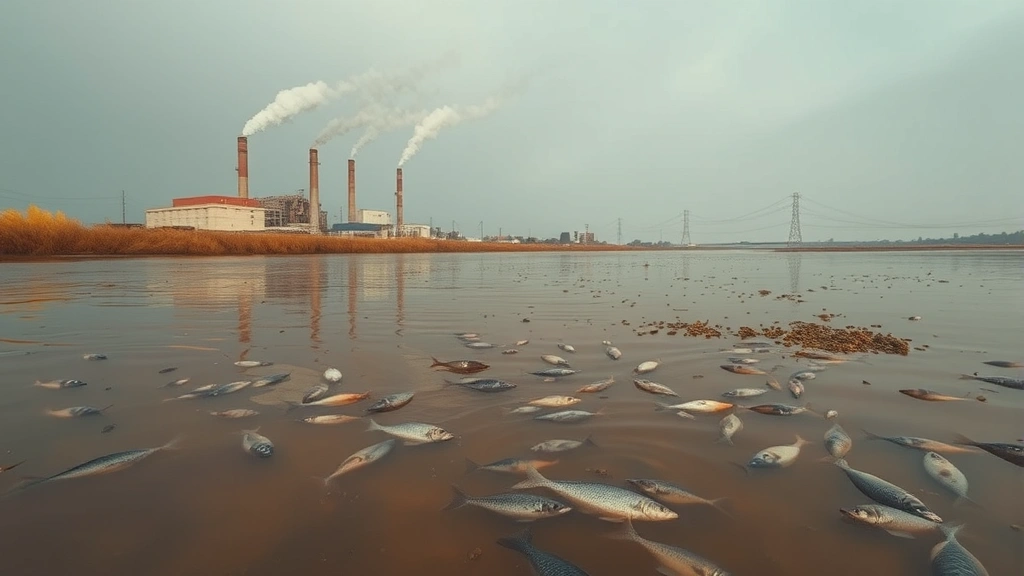
The traditional linear economy—extract, produce, consume, discard—has driven unprecedented environmental degradation. From plastic-filled oceans to depleted fisheries, from deforestation to soil degradation, the consequences are visible everywhere. But emerging research from ecological economics journals and environmental policy institutions reveals that transitioning to circular systems could fundamentally alter this trajectory, though challenges remain substantial.

Understanding the Circular Economy Framework
A circular economy fundamentally reimagines production and consumption patterns. Rather than following a linear trajectory, materials cycle continuously through systems designed for regeneration and reuse. The framework operates on three core principles: designing out waste and pollution, keeping products and materials in use at their highest value, and regenerating natural systems.
This contrasts sharply with the conventional linear model. In traditional manufacturing, companies extract virgin resources, transform them into products, sell them, and then manage disposal when consumers discard items. Each stage generates environmental costs—extraction damages habitats, production consumes energy and water, and disposal creates pollution. The circular approach interrupts this destructive cycle by maintaining material value through reuse, repair, remanufacturing, and recycling.
Research from the World Bank emphasizes that circular economy models can reduce material extraction by up to 32% while simultaneously decreasing emissions. For ecosystems already stressed by resource depletion, this reduction represents significant relief. When fewer trees are felled for paper production because recycled fibers replace virgin pulp, forests remain standing. When mining operations shrink due to metal recovery from electronic waste, landscapes avoid scarring and contamination.

Ecosystem Degradation and Economic Models
Understanding why ecosystems fail requires examining how economic systems value—or fail to value—natural capital. Traditional economics treats ecosystems as infinite resource repositories and waste repositories, externalizing environmental costs. A factory dumping chemicals into a river doesn’t pay the full price of water pollution; fishing communities downstream bear that cost invisibly.
This disconnect between economic activity and effects of water pollution on environment has driven ecosystem collapse across sectors. Industrial agriculture depletes soils and contaminates waterways. Plastic manufacturing creates persistent pollutants that infiltrate every ecosystem. Fast fashion generates textile waste that suffocates landfills and marine environments. Each industry operates within an economic framework that rewards extraction and speed over sustainability.
The biodiversity crisis reflects this misalignment. Since 1970, global wildlife populations have declined by 68% on average, according to the World Wildlife Fund. Habitat loss—driven primarily by resource extraction for economic production—represents the leading cause. When ecosystems are valued only for extractable resources rather than their intrinsic functions and biodiversity, their destruction becomes economically rational under conventional models.
Human environment interactions have intensified this pattern. As populations grow and consumption increases, pressure on ecosystems accelerates. Yet circular economy theory suggests this relationship isn’t inevitable. By redesigning economic systems to maintain material value and minimize extraction, we can decouple economic activity from ecosystem destruction.
Study Findings: Circular Practices and Ecosystem Recovery
Recent research demonstrates measurable ecosystem benefits from circular economy implementation. A comprehensive analysis by the United Nations Environment Programme examined circular transitions across manufacturing sectors and found consistent patterns of environmental improvement.
In the apparel industry, companies shifting toward circular models—designing for durability, establishing take-back programs, and investing in fiber recycling—reduced water consumption by 40-60% compared to conventional production. Water stress affects 2 billion people globally, making this reduction ecologically and socially significant. Less water extraction means rivers maintain adequate flow, wetlands preserve their hydrological functions, and aquatic ecosystems sustain biodiversity.
Electronics manufacturing presents another compelling case. The circular economy approach to e-waste recovery prevents toxic substances like mercury, lead, and cadmium from contaminating soil and groundwater. Simultaneously, recovering precious metals and rare earth elements from discarded electronics reduces mining pressure. Mining operations devastate landscapes and generate tailings that persist for decades. One study found that recovering one ton of electronics-grade copper from recycled materials prevents approximately 1.7 tons of mining waste.
Construction and demolition waste—comprising 35% of all waste streams in developed economies—shows remarkable recovery potential through circular practices. Concrete crushing and steel recovery from demolished buildings reduces the need for virgin aggregate extraction, which destroys quarries and riverbeds. Salvaged wood and materials maintain embodied carbon rather than releasing it through decomposition or incineration.
Agricultural circular practices demonstrate ecosystem regeneration potential. Composting food and agricultural waste returns nutrients to soil, reducing synthetic fertilizer demand. Lower fertilizer use means decreased nutrient runoff that creates ocean dead zones. Regenerative agriculture practices—cover cropping, reduced tillage, crop rotation—rebuild soil carbon while supporting habitat for beneficial insects and soil organisms. Studies from agroecology research centers document 20-30% increases in soil carbon over five-year implementation periods.
Implementation Barriers and Real-World Challenges
Despite compelling evidence, circular economy implementation faces substantial obstacles. Economic structures built over centuries resist fundamental redesign. Incumbent industries profit from linear extraction and disposal, creating powerful resistance to change. Infrastructure for circular systems requires massive capital investment. Collection networks, sorting facilities, and remanufacturing plants don’t exist at adequate scale in most regions.
Consumer behavior presents another barrier. Circular systems often require participation—returning products, purchasing remanufactured goods, accepting products with different aesthetics than virgin materials. Marketing and cultural preferences favor new over refurbished. Educational campaigns have shown limited effectiveness without structural incentives.
Technical challenges persist despite advancing technology. Some material combinations resist recycling. Contamination during collection degrades material quality. Energy requirements for some recycling processes can exceed environmental benefits unless powered by renewables. Scaling solutions that work in pilot programs to industrial scales reveals unforeseen complications.
Perhaps most critically, circular economy implementation without ecological integration can fail to protect ecosystems. A circular system that maintains material value while still operating at unsustainable volumes—circulating massive quantities of resources regardless of regeneration capacity—doesn’t solve fundamental resource limits. Definition of environment science includes understanding planetary boundaries. Circular economy must operate within those boundaries rather than simply optimizing resource circulation at any volume.
Case Studies in Circular Economy Success
Several organizations and regions demonstrate that circular transitions generate measurable ecosystem benefits when implemented comprehensively. The Netherlands has pioneered circular economy policy, implementing extended producer responsibility requirements and circular procurement standards. Research tracking these initiatives documents reduced material extraction, decreased waste streams, and improved water quality in regions with strong circular supply chains.
Interface, a carpet manufacturing company, transformed its business model around circular principles. Rather than selling carpet to be discarded, they lease carpet tiles to commercial clients, maintaining ownership and responsibility for end-of-life management. This model incentivizes durable design, efficient manufacturing, and recovery of materials. The company reduced virgin material use by 96% over two decades while maintaining product quality and profitability.
Patagonia’s commitment to circular practices in apparel demonstrates ecosystem benefits at scale. Their repair programs extend product life, reducing production pressure. Their fiber sourcing prioritizes regenerative agriculture and recycled materials, supporting positive human impact on the environment. Tracking data shows measurable reductions in water consumption, chemical use, and carbon emissions compared to conventional apparel manufacturers.
Urban agriculture and food waste composting programs in cities like Copenhagen and San Francisco reveal how circular practices support urban ecosystem functions. Composting programs that divert organic waste from landfills reduce methane emissions while producing soil amendments that support urban gardens and green spaces. These programs simultaneously improve food security, reduce transportation impacts, and create habitat for pollinators and beneficial insects.
Integration with Conservation Strategies
Research increasingly emphasizes that circular economy success requires integration with ecological conservation strategies. A circular system operating independently of conservation science may optimize material flows without protecting biodiversity or ecosystem functions. Effective integration requires several components.
First, circular economy design must incorporate ecological carrying capacity assessment. Before scaling circular material flows, systems must establish how much resource circulation is sustainable given ecosystem regeneration rates. For forest-based products, this means ensuring harvesting rates don’t exceed forest growth. For aquatic resources, it means maintaining populations above critical thresholds.
Second, conservation of critical habitats must constrain circular economy expansion in some regions. Some ecosystems—primary forests, wetlands, coral reefs—provide irreplaceable functions that justify protection from resource extraction regardless of circular system efficiency. Circular economy cannot justify converting remaining old-growth forests to managed plantation cycles, even if those cycles operate circularly.
Third, restoration ecology must accompany circular transitions. Ecosystems damaged by decades of linear extraction require active restoration, not merely reduction in ongoing damage. Circular economy provides resources and incentives for restoration by reducing extraction pressure and generating revenue through material recovery. But restoration requires deliberate ecological science application.
Fourth, biodiversity protection must be embedded in circular design standards. Products designed for disassembly, remanufacturing, and recycling should avoid materials derived from endangered species or extracted through processes that destroy critical habitat. Certification systems that verify ecological claims—similar to sustainable forestry certification but more rigorous—can guide circular product design.
Policy Frameworks Driving Change
Circular economy transitions accelerate when supported by coherent policy frameworks. The European Union’s Circular Economy Action Plan establishes legally binding targets for waste reduction, material recovery, and extended producer responsibility. These policies create market incentives for circular innovation while establishing baseline requirements that prevent competitive disadvantage for circular businesses.
Extended producer responsibility (EPR) policies require manufacturers to manage end-of-life product handling, internalizing costs previously externalized to municipalities and ecosystems. When producers bear responsibility for disposal, they redesign products for durability and recyclability. EPR has driven significant innovation in electronics, packaging, and textiles in regions where implemented.
Material bans and restrictions on problematic substances accelerate circular transitions. Restrictions on single-use plastics, limitations on microbeads in cosmetics, and phase-outs of hazardous chemicals in manufacturing remove the worst actors from supply chains while creating market opportunities for circular alternatives.
Public procurement policies that mandate circular products and materials create demand sufficient to justify investment in circular infrastructure. Government buildings, transportation systems, and public services represent enormous material flows. When procurement standards require recycled content, durability, and end-of-life recovery plans, they drive market transformation toward circular systems.
Research funding and technical assistance programs accelerate circular innovation, particularly in developing economies where circular infrastructure lags. Capacity building programs that develop local remanufacturing and recycling industries create employment while building circular systems adapted to regional contexts and materials flows.
The Ellen MacArthur Foundation and similar organizations provide technical frameworks and research supporting policy development. Their analysis of circular economy potential documents that comprehensive circular transitions could reduce material extraction by 50% by 2050 while supporting economic growth and employment.
Future Trajectories and Ecosystem Resilience
Emerging research suggests circular economy transitions, when integrated with ecological science and conservation strategy, can contribute significantly to ecosystem restoration and resilience. However, they cannot alone solve environmental crises. Circular economy must be paired with renewable energy transitions, protected area expansion, and regenerative agriculture to achieve ecosystem stabilization.
The most optimistic research scenarios model comprehensive circular transitions coupled with renewable energy and nature restoration. These integrated approaches could stabilize atmospheric carbon, restore biodiversity, and regenerate ecosystem functions within 30-40 years. Less optimistic scenarios, which assume slower circular transitions and continued fossil fuel dependence, show continued ecosystem degradation despite efficiency improvements.
Key uncertainties remain regarding scaling circular systems globally and whether circular approaches can address consumption levels in wealthy nations. A circular system that maintains current material consumption in developed economies still requires resource flows exceeding planetary boundaries. True ecosystem salvation requires coupling circular economy with deliberate consumption reduction in wealthy nations—what researchers call “circular sufficiency.”
Understanding these dynamics requires integrating perspectives from ecological economics, industrial ecology, conservation biology, and environmental policy. The ecological economics research community increasingly emphasizes that economic systems must operate as subsystems within ecological systems, not vice versa. Circular economy advances this goal by reducing extraction pressure and material throughput, but only if implemented at appropriate scales and integrated with ecological limits.
FAQ
How does circular economy differ from recycling?
Recycling represents one component of circular economy but operates downstream, managing waste after consumption. Circular economy operates upstream and throughout systems, designing products for durability, repairability, and material recovery before waste occurs. Circular approaches prevent waste generation; recycling manages unavoidable waste.
Can circular economy fully replace conservation efforts?
No. Circular economy reduces extraction pressure and waste generation but cannot protect biodiversity, restore damaged ecosystems, or maintain ecosystem functions independently. Conservation of critical habitats, species protection, and ecosystem restoration require deliberate conservation efforts integrated with circular economic transitions.
What timeline is realistic for circular economy adoption?
Current trajectories suggest 20-30% of material flows could operate circularly by 2040 in developed economies with strong policy support. Full circular transitions require 40-60 years given infrastructure requirements, behavioral change needs, and technological development timelines. Acceleration requires substantial policy commitment and investment.
Do circular products cost more than conventional products?
Initially, yes. Circular systems require infrastructure investment and design complexity that increases upfront costs. However, over product lifespans, circular products often cost less due to durability and repair options. As circular systems scale and infrastructure matures, price premiums diminish significantly.
How can individuals support circular economy transitions?
Individual actions include purchasing durable products, utilizing repair and remanufacturing services, supporting companies with circular commitments, and participating in take-back and recycling programs. However, individual actions remain insufficient without systemic change. Supporting policy frameworks and organizational transitions toward circular practices amplifies individual impact.
What role does technology play in circular economy?
Technology enables circular transitions through advanced sorting and recycling processes, material science innovations enabling new recovery methods, digital tracking systems monitoring material flows, and manufacturing techniques supporting remanufacturing. However, technology alone cannot achieve circular transitions without supportive policy and business model innovation.