Urbanization’s Environmental Impact: Research Insights
Urbanization represents one of the most significant demographic and environmental transformations of our time. As of 2024, approximately 56% of the global population resides in urban areas, a figure projected to reach 68% by 2050 according to United Nations data. This unprecedented concentration of human activity in cities creates complex cascading effects on ecosystems, climate systems, and resource availability. The relationship between urban expansion and environmental degradation has become a critical focal point for ecological economists, environmental scientists, and policymakers worldwide.
The effects of urbanization on the environment extend far beyond city boundaries, influencing regional and global ecological systems. Urban areas consume approximately 78% of global energy resources despite occupying only 2-3% of Earth’s land surface, generating proportional environmental pressures. Understanding these impacts requires examining multiple dimensions: habitat destruction, air and water pollution, greenhouse gas emissions, resource depletion, and altered biogeochemical cycles. This article synthesizes current research to illuminate how urbanization reshapes our planet’s environmental trajectory.
Habitat Loss and Biodiversity Decline
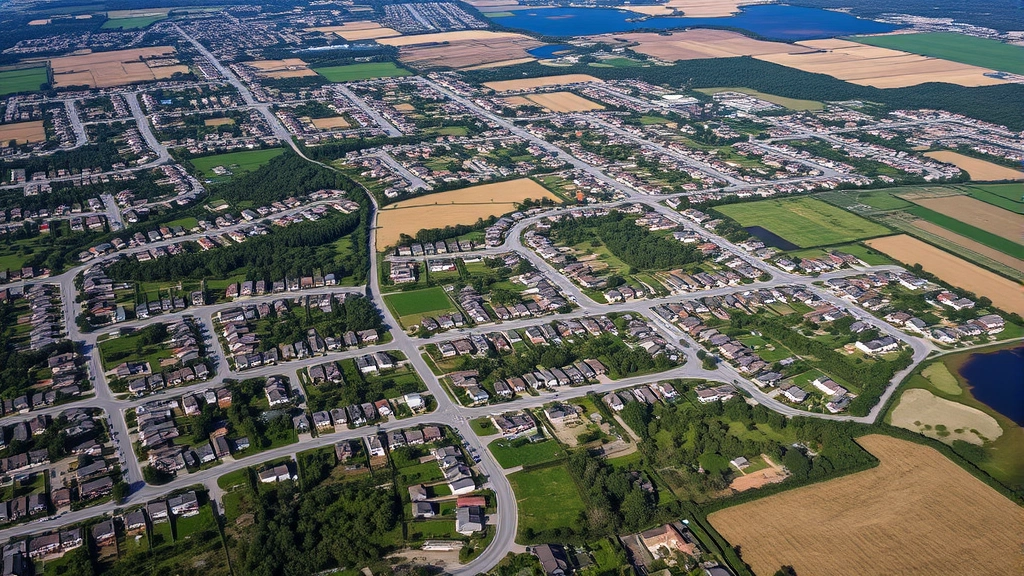
Urban expansion constitutes one of the primary drivers of habitat destruction globally. When cities expand, they typically convert natural ecosystems—forests, wetlands, grasslands, and riparian zones—into impervious surfaces such as concrete, asphalt, and buildings. This conversion is rarely reversible at ecological timescales, creating permanent fragmentation of wildlife corridors and isolation of populations. Research from the World Wildlife Fund indicates that urban sprawl threatens approximately 25% of globally threatened species, with particular vulnerability in biodiversity hotspots near expanding metropolitan areas.
The biodiversity impacts manifest through multiple mechanisms. Direct habitat conversion eliminates species’ living spaces, forcing populations into smaller, isolated patches. Edge effects intensify in fragmented landscapes, where formerly interior habitat becomes exposed to urban pressures including light pollution, noise, chemical contamination, and invasive species introduction. Native species adapted to undisturbed conditions struggle to persist in urbanized matrices, while generalist species and those tolerant of human disturbance proliferate. This biotic homogenization reduces functional diversity even when species richness remains superficially stable.
Urban-adjacent areas experience secondary impacts through altered hydrology, nutrient cycling disruption, and changed fire regimes. The human environment interaction in urban contexts fundamentally restructures landscape connectivity. Fragmentation research demonstrates that habitat patches smaller than 100 hectares frequently experience local extinctions of large-bodied species within decades. Metropolitan areas expanding at rates exceeding 2% annually create extinction debt—delayed population collapses that manifest years after initial habitat loss—making recovery trajectories increasingly difficult.
Urban Heat Island Effect and Climate Amplification
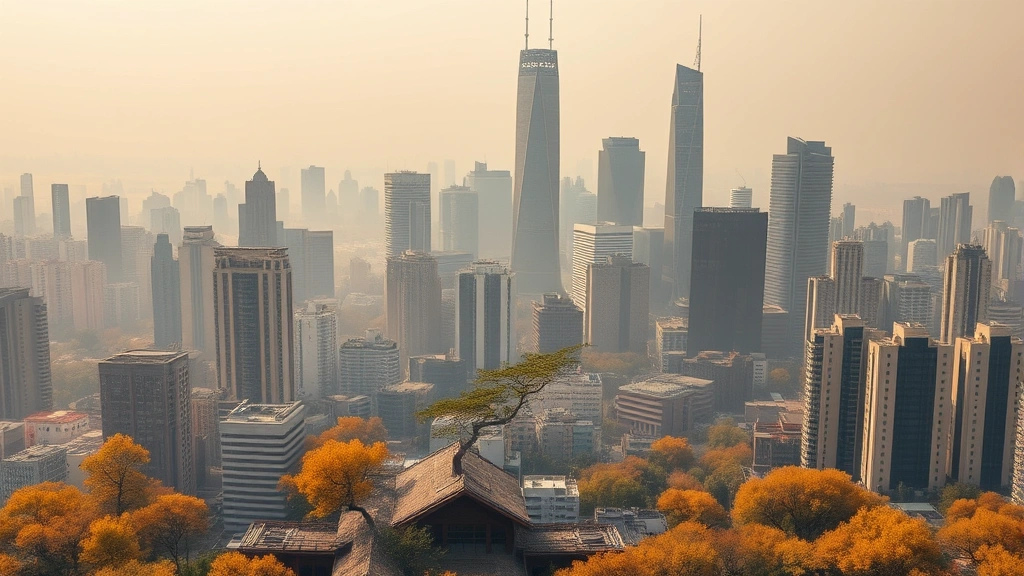
Urban areas exhibit temperatures substantially higher than surrounding rural regions, a phenomenon termed the urban heat island effect. This temperature differential arises from multiple factors: replacement of vegetative cover with heat-absorbing materials, reduced evapotranspiration, concentrated anthropogenic heat emissions, and altered atmospheric circulation patterns. Cities such as Tokyo, New York, and Cairo experience temperature increases of 2-7°C compared to peripheral areas, with nighttime warming often exceeding daytime warming.
The urban heat island effect amplifies climate change impacts locally and contributes to global warming through increased energy consumption for cooling. Higher urban temperatures intensify heat stress on human populations, particularly affecting vulnerable groups including elderly individuals and those with cardiovascular conditions. The phenomenon also alters precipitation patterns, sometimes enhancing convective storms and flooding. Urban warming accelerates phenological shifts in native species, disrupting synchronized relationships between pollinators and flowering plants, predators and prey, and other ecological partnerships developed over evolutionary timescales.
Atmospheric composition within urban areas differs markedly from background concentrations. Urban boundary layers accumulate anthropogenic heat and pollutants, creating localized climate conditions distinct from surrounding regions. This urban climate anomaly influences regional weather patterns, potentially affecting precipitation distribution across broader geographic areas. Research demonstrates that large metropolitan regions can influence precipitation within 100+ kilometers of city boundaries through atmospheric heating and aerosol effects.
” alt=”Dense urban cityscape with skyscrapers surrounded by heat-stressed vegetation and hazy atmosphere illustrating urban heat island effect” />
Air, Water, and Soil Contamination
Urban centers generate extraordinary volumes of air pollutants through vehicular emissions, industrial facilities, power generation, and heating systems. Particulate matter (PM2.5 and PM10), nitrogen oxides (NOx), sulfur dioxide (SO₂), ozone (O₃), and volatile organic compounds (VOCs) accumulate in urban atmospheres, creating hazardous conditions. The World Health Organization estimates that outdoor air pollution causes approximately 4.2 million premature deaths annually, with urban populations experiencing disproportionate exposure. These pollutants damage respiratory and cardiovascular systems while also acidifying precipitation and depositing nitrogen that disrupts ecosystem nutrient balance.
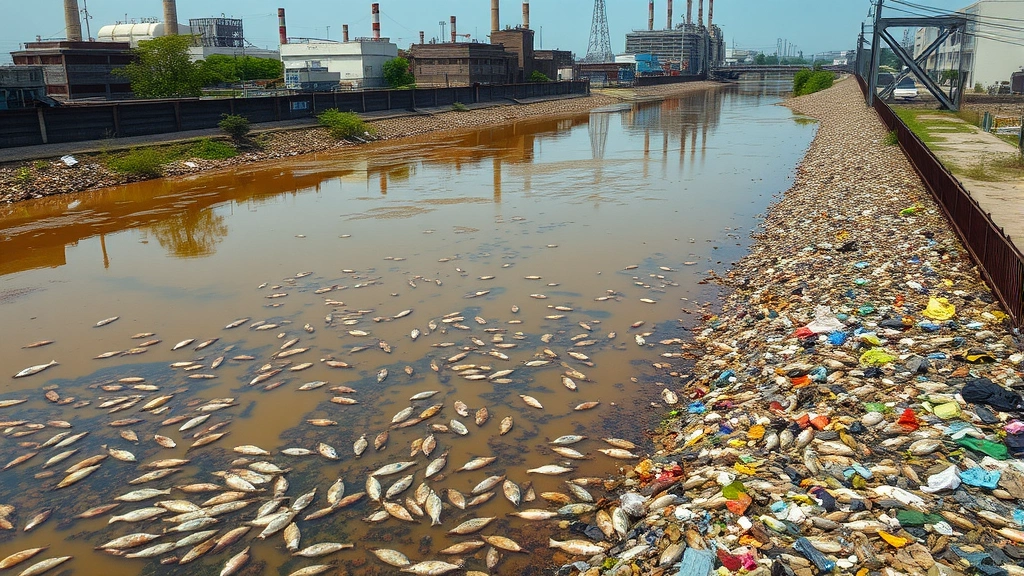
Water contamination in urbanizing regions results from multiple pathways. Stormwater runoff from impervious surfaces carries petroleum residues, heavy metals, road salts, and other contaminants into waterways. Combined sewer overflows during precipitation events discharge untreated wastewater directly into rivers and coastal waters. Urban groundwater becomes contaminated with nitrates from septic systems and fertilizer applications, rendering aquifers unsuitable for drinking water extraction. The effects of urbanization on water systems extend to thermal pollution from cooling water discharges and altered stream temperatures due to reduced riparian shading.
Soil contamination in urban and peri-urban areas accumulates through atmospheric deposition, wastewater application, industrial activities, and hazardous waste disposal. Lead, cadmium, chromium, and other heavy metals concentrate in urban soils to levels exceeding environmental quality standards. These contaminants bioaccumulate through food chains, affecting human health particularly in subsistence farming communities surrounding expanding cities. Soil compaction and sealing reduce infiltration capacity, intensifying flooding while simultaneously restricting root penetration and microbial activity essential for ecosystem functioning.
Resource Consumption and Depletion
Urban populations consume resources at rates far exceeding their proportional share of global population. Cities demand continuous flows of water, energy, food, and materials, creating extended supply chains that amplify environmental impacts across distant regions. Urban water consumption typically reaches 400-600 liters per capita daily in developed nations, compared to global averages of 70 liters. This intensive extraction depletes aquifers, reduces streamflow in supply watersheds, and alters hydrological cycles across vast geographic areas.
Energy consumption in cities drives greenhouse gas emissions and resource depletion. While urban residents often demonstrate lower per-capita carbon footprints than suburban counterparts due to greater population density and transit utilization, absolute urban energy demands remain enormous. Heating, cooling, lighting, and powering equipment in buildings accounts for approximately 30% of global final energy consumption. The environmental science perspective reveals that urban energy systems depend overwhelmingly on fossil fuels, perpetuating carbon lock-in through infrastructure investments with 30-50 year lifespans.
Food demand in cities drives agricultural intensification and land-use conversion in distant regions. A typical metropolitan area of 10 million people requires agricultural land of approximately 30,000 square kilometers to sustain current consumption patterns—an area roughly equivalent to Belgium. This creates ecological footprints extending thousands of kilometers from consumption centers, fragmenting ecosystems globally. Material consumption for construction, consumer goods, and infrastructure generates extraction pressures on forests, mines, and fisheries worldwide, with urban areas generating 1.3 billion tons of solid waste annually.
Loss of Ecosystem Services and Ecological Functions
Urbanization eliminates ecosystem services that support human wellbeing and economic productivity. These services include water purification, pollination, climate regulation, nutrient cycling, soil formation, and cultural amenities. The types of environment affected by urbanization range from tropical forests to wetlands to grasslands, each providing distinct ecosystem services. Wetland conversion to urban development eliminates natural water filtration, flood buffering, and wildlife habitat simultaneously. Forest clearing removes carbon sequestration capacity, reducing the biosphere’s ability to absorb anthropogenic emissions.
Pollination services face particular vulnerability in urbanized landscapes. Native bee populations decline as floral resources diminish and nesting habitat disappears. Pesticide applications in urban gardens, parks, and landscaping further reduce pollinator populations. This creates potential food security risks, as approximately 75% of global food crops depend partially or entirely on pollinator services. Urban expansion into agricultural regions disrupts pollination networks before alternative mechanisms can establish, creating transient periods of reduced crop productivity.
The economic value of lost ecosystem services reaches trillions of dollars annually. The Millennium Ecosystem Assessment estimated that ecosystem service degradation costs approximately 5-10% of global GDP in some regions. Urban-driven losses of water purification capacity, for instance, require expensive artificial treatment infrastructure to replace natural filtration. The United Nations Environment Programme calculates that restoring degraded ecosystems typically costs 5-10 times less than replacing lost services through technological means, yet cities continue expanding into natural areas.
” alt=”Aerial view of sprawling suburban development encroaching on remaining patches of natural forest and agricultural land with clear boundary lines” />
Economic Perspectives on Urban Ecology and Externalities
Ecological economics provides crucial frameworks for understanding urbanization’s environmental costs. Traditional economic analysis often treats environmental impacts as externalities—costs imposed on society without corresponding market prices. This accounting failure creates systematic undervaluation of ecosystem services and environmental degradation. When urban expansion converts forests to residential development, market transactions capture only the real estate value while ecosystem services worth billions disappear from economic accounts unpriced.
Research in World Bank environmental economics divisions demonstrates that incorporating ecosystem service values into urban planning decisions dramatically alters cost-benefit analyses. A study of wetland conversion in Southeast Asian cities found that accounting for fisheries productivity, water purification, and flood regulation services reduced development project net benefits by 60-80%. Yet most urban planning decisions ignore these ecological values entirely, treating land conversion as economically beneficial when market transactions alone are considered.
The concept of natural capital—the stock of environmental assets including forests, wetlands, soils, and biodiversity—provides an alternative analytical framework. Cities function as systems dependent on natural capital flows from surrounding regions. When urbanization depletes natural capital stocks faster than regeneration rates, it creates ecological deficits unsustainable over multi-generational timescales. Current urbanization patterns in developing regions exhibit natural capital depletion rates of 2-5% annually in some areas, creating inevitable future constraints on economic productivity.
Environmental justice dimensions of urbanization reveal that ecological impacts concentrate disproportionately on marginalized populations. Low-income communities within and surrounding expanding cities experience greater exposure to air pollution, water contamination, and hazardous waste facilities. Simultaneously, these communities capture minimal benefits from urban expansion while bearing substantial costs. Research from ecological economics journals demonstrates that addressing urbanization’s environmental impacts requires redistributing both costs and benefits more equitably across society.
Mitigation Strategies and Sustainable Urban Development
Comprehensive approaches to reducing urbanization’s environmental impacts require simultaneous interventions across multiple dimensions. Green infrastructure integration—including green roofs, permeable pavements, constructed wetlands, and urban forests—can reduce stormwater runoff, lower ambient temperatures, sequester carbon, and provide habitat. Cities implementing green infrastructure extensively report 20-40% reductions in peak stormwater flows and measurable temperature reductions of 1-3°C in treated areas.
Compact urban development patterns reduce per-capita environmental impacts by decreasing transportation distances, enabling mass transit utilization, and reducing per-capita land consumption. Mixed-use zoning that integrates residential, commercial, and employment areas within walking distances reduces vehicle trips 20-30% compared to conventional sprawl patterns. Increasing urban density to 80-150 residents per hectare—common in successful European cities—enables efficient transit systems while maintaining livability and access to green space.
Renewable energy transition in urban areas reduces greenhouse gas emissions and air pollution simultaneously. Cities implementing aggressive renewable energy targets report emissions reductions of 50-80% by 2050 pathways. Solar integration on building surfaces, district heating systems powered by waste heat recovery, and wind energy in metropolitan peripheries can supply substantial portions of urban energy demand. Copenhagen and Stockholm demonstrate that cities can achieve 60-80% renewable energy penetration while maintaining modern living standards.
Nature-based solutions including urban rewilding, ecological restoration of degraded areas, and habitat corridor establishment can partially recover ecosystem functions within and adjacent to cities. Creating ecological networks connecting urban parks, street trees, and restored riparian zones enables wildlife movement and provides multiple co-benefits including recreation, mental health improvement, and pollination services. Cities implementing comprehensive ecological restoration report biodiversity recovery within 5-15 years in some habitat types.
Circular economy approaches reducing material consumption and waste generation address resource depletion drivers. Urban waste management systems emphasizing reduction, reuse, and recycling can decrease material throughput 50-70% compared to linear consumption patterns. Construction waste recovery, food waste composting, and product design for disassembly reduce landfill demands while creating economic opportunities. Amsterdam and other circular economy pioneers demonstrate that reducing material consumption need not diminish quality of life when coupled with efficient service provision.
FAQ
What percentage of environmental degradation results from urbanization?
Urbanization drives approximately 30-40% of global habitat loss, 50-60% of air pollution mortality, and 20-30% of greenhouse gas emissions depending on measurement boundaries and methodologies. The percentage varies substantially by region, with urbanization accounting for 60-80% of habitat loss in biodiversity hotspots and developed nations.
How does urbanization affect climate change?
Urbanization contributes to climate change through multiple pathways: direct emissions from energy consumption (approximately 70% of global carbon emissions), indirect emissions from supply chains, land-use change releasing stored carbon, and urban heat island effects amplifying local warming. Cities also reduce planetary albedo—Earth’s reflectivity—through replacing light-colored vegetation with dark surfaces.
Can cities be environmentally sustainable?
Yes, evidence from Copenhagen, Singapore, Curitiba, and other leading cities demonstrates that urban sustainability is achievable through comprehensive policy integration. These cities maintain modern living standards while reducing per-capita environmental impacts 50-80% below national averages through renewable energy, efficient transit, circular economy practices, and ecosystem restoration.
What are the biggest environmental challenges from rapid urbanization in developing countries?
Rapid urbanization in developing regions faces particular challenges including inadequate wastewater treatment infrastructure, unplanned sprawl fragmenting ecosystems, high air pollution from unregulated industry, and poverty-driven resource overexploitation. These regions often experience 5-10% annual urban growth rates with minimal environmental regulation, creating compounding ecological deficits.
How can urban agriculture help address environmental impacts?
Urban agriculture reduces food supply chain emissions 50-90% through eliminating transportation, enables stormwater management through green space, provides habitat, improves food security, and creates economic opportunities. Cities with integrated urban agriculture systems report 10-20% improvements in local food self-sufficiency alongside environmental benefits.


