Fast Fashion’s Environmental Impact: In-Depth Study
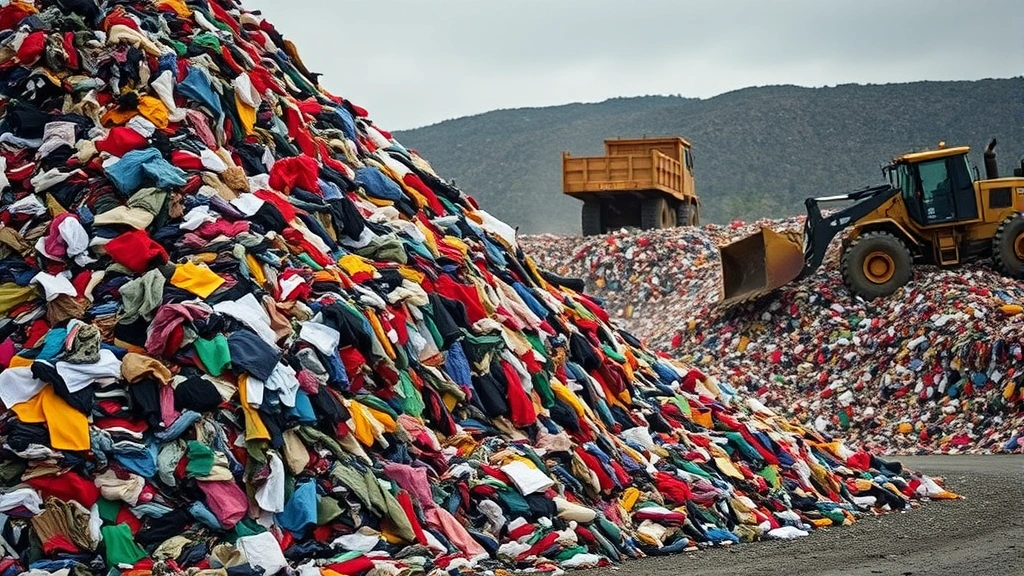
The global fashion industry has undergone a dramatic transformation over the past two decades, evolving into one of the world’s most environmentally destructive sectors. Fast fashion—characterized by rapid production cycles, low prices, and constant style updates—generates approximately 92 million tons of textile waste annually, equivalent to one garbage truck of clothing discarded every second. This consumption pattern represents a fundamental disconnect between our purchasing habits and planetary boundaries, creating cascading environmental consequences that ripple through water systems, soil ecosystems, and atmospheric composition.
Understanding the effects of fast fashion on the environment requires examining the complete lifecycle of garment production, from raw material extraction through manufacturing, transportation, and disposal. The industry’s environmental footprint encompasses water pollution, greenhouse gas emissions, microplastic contamination, land degradation, and chemical toxicity. As consumers increasingly recognize these impacts, the urgency of systemic change becomes evident. This comprehensive analysis explores the multifaceted environmental consequences of fast fashion and the interconnections between human-environment interaction in the fashion sector.
Water Consumption and Pollution Crisis
The fashion industry ranks as the second-largest consumer of water globally, requiring approximately 2,700 liters of water to produce a single cotton t-shirt—enough drinking water for one person for 2.5 years. Cotton cultivation alone consumes 16% of global insecticides despite occupying only 2.5% of cultivated land, creating severe water stress in already arid regions. Countries like India, Pakistan, and Uzbekistan have witnessed catastrophic environmental degradation as aquifers deplete and irrigation systems collapse under the pressure of cotton farming.
Water pollution from textile manufacturing represents an equally critical concern. Approximately 10,000 different chemicals are used in textile production, with 25% of global pesticide production applied to cotton crops. Dyeing and finishing processes release heavy metals including chromium, lead, and cadmium into waterways, contaminating drinking water sources for millions of people. The Citarum River in Indonesia, which supplies water to 30 million people, has become so polluted by textile factories that it ranks among the world’s most contaminated waterways. According to World Bank research on water resources, textile manufacturing accounts for approximately 17-20% of global industrial water pollution.
Textile dyeing requires enormous quantities of water at every stage—washing, dyeing, and rinsing processes consume up to 200 tons of water per ton of fabric produced. This water typically becomes contaminated with dyes, heavy metals, and chemicals that persist in ecosystems for decades. Communities downstream of textile facilities experience elevated rates of waterborne diseases, skin conditions, and reproductive health issues linked to chemical exposure. Understanding these impacts connects directly to broader concepts of environmental science and ecosystem health.
Carbon Emissions and Climate Impact
Fast fashion contributes 10% of global carbon dioxide emissions annually—more than international flights and maritime shipping combined. This staggering figure encompasses emissions from raw material production, manufacturing, transportation, and consumer laundering. The production phase alone generates approximately 1.3 billion tons of carbon dioxide yearly, with synthetic fibers like polyester derived from petroleum-based feedstocks releasing substantial greenhouse gases throughout their lifecycle.
Cotton production, despite being a natural fiber, demonstrates significant carbon intensity. Conventional cotton farming relies heavily on synthetic fertilizers manufactured through energy-intensive Haber-Bosch processes, generating nitrous oxide emissions 310 times more potent than carbon dioxide. The industry’s transportation networks—moving raw materials between continents, shipping finished garments to distribution centers, and delivering individual orders to consumers—create a complex carbon network that extends the industry’s climate footprint across global supply chains.
Manufacturing facilities powered by fossil fuels contribute substantially to sectoral emissions. Bangladesh, the world’s second-largest garment exporter, generates much of its electricity from natural gas and diesel, making the nation’s textile industry a significant emissions source. The average consumer wardrobe generates 7 kg of carbon dioxide per item purchased when accounting for complete lifecycle impacts. Learning about carbon footprint reduction strategies becomes essential for addressing fashion’s climate contribution.
Textile Waste and Landfill Accumulation
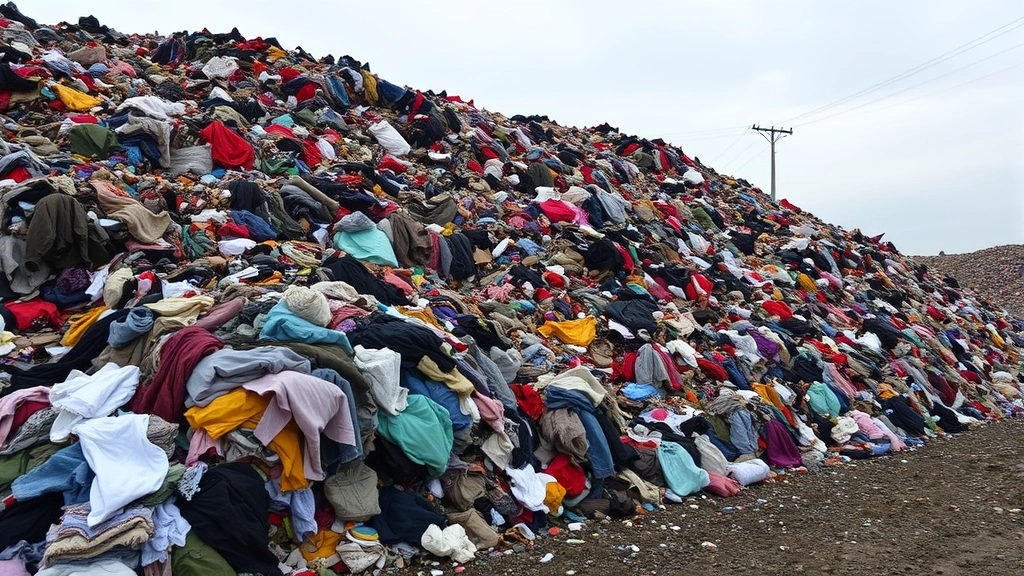
Fast fashion’s business model—predicated on rapid style obsolescence and disposable clothing—generates unprecedented textile waste volumes. The average person now purchases 60% more clothing items than 15 years ago while keeping garments for half as long. This consumption pattern results in 85% of textiles ending up in landfills annually, occupying valuable space and decomposing over decades.
Synthetic fibers like polyester require 200+ years to decompose, creating persistent environmental burdens that extend far beyond consumer lifespans. Landfill decomposition produces methane, a greenhouse gas 28-36 times more potent than carbon dioxide over 100-year periods. Textile waste also occupies increasingly scarce landfill capacity in developing nations, where much of the world’s discarded clothing is shipped. The United States alone generates 81 pounds of textile waste per person annually, with 95% destined for landfills despite high recyclability potential.
Textile recycling infrastructure remains underdeveloped globally, with only 15% of clothing waste entering recycling systems. Most donated clothing in developed nations—approximately 80-85%—cannot be resold and ends up exported to developing countries or incinerated. This creates a secondary waste crisis in regions already struggling with environmental degradation. The scale of textile waste demands systemic solutions that reshape production models and consumer behavior patterns.
” alt=”Textile waste in landfill showing piles of discarded clothing and fabric materials in an overflowing dump site”>
Chemical Contamination and Toxicity
Textile production involves hazardous chemicals at multiple lifecycle stages, creating health risks for workers, consumers, and ecosystems. Heavy metals including lead, cadmium, and chromium accumulate in manufacturing facilities and surrounding environments, persisting in soil and water indefinitely. Azo dyes, used extensively in the industry, break down into carcinogenic amines linked to bladder cancer and other malignancies. Workers in textile factories—predominantly women in developing nations—experience elevated rates of respiratory diseases, skin conditions, and reproductive health complications from chemical exposure.
Formaldehyde, used to prevent wrinkles and microbial growth, releases from finished garments through washing and wearing, creating indoor air quality concerns and potential respiratory irritation. Phthalates, added to synthetic fibers and dyes, function as endocrine disruptors affecting hormonal systems at extraordinarily low concentrations. These chemicals persist in human tissues, accumulating over time through repeated exposure to contaminated clothing and textiles.
Textile finishing processes employ nonylphenol ethoxylates (NPEs), which break down into toxic nonylphenols in aquatic environments, bioaccumulating in fish and other organisms. These persistent organic pollutants resist biodegradation and concentrate through food chains, eventually reaching human consumers. The United Nations Environment Programme identifies textile manufacturing among the most chemically intensive industries, requiring urgent regulatory intervention and cleaner production technologies.
Biodiversity Loss and Land Degradation
Cotton cultivation drives habitat destruction across multiple continents, converting diverse ecosystems into monoculture plantations. The Aral Sea basin, once supporting rich aquatic biodiversity, has shrunk by 90% due to irrigation demands for cotton farming, creating one of history’s most catastrophic environmental disasters. This ecological collapse demonstrates how human-environment interaction through agricultural intensification can fundamentally alter regional ecosystems.
Synthetic fiber production demands petroleum extraction, disrupting terrestrial and marine ecosystems through drilling operations and associated infrastructure. Polyester production requires approximately 70 million barrels of oil annually, driving deforestation, habitat fragmentation, and biodiversity loss in sensitive regions. The fashion industry’s demand for land—including cotton, leather, and other animal-derived materials—contributes to approximately 77% of global land use while generating only 10% of economic output.
Leather production, increasingly prominent in fast fashion accessories, drives cattle ranching expansion into tropical forests. The Amazon rainforest loses approximately 1 million hectares annually to cattle grazing, with leather production representing a significant driver. This land conversion eliminates critical carbon sinks and biodiversity reservoirs while displacing indigenous communities. Synthetic alternatives like polyurethane present their own environmental challenges through petroleum dependence and persistent pollution.
Pesticide-intensive cotton farming decimates insect populations, disrupting pollination networks and food webs. Populations of beneficial insects decline by 75% in cotton-growing regions, triggering cascading ecological effects. The industry’s contribution to pollinator collapse—already threatened by climate change and habitat loss—accelerates broader biodiversity decline affecting food security globally.
Microplastics and Ocean Pollution
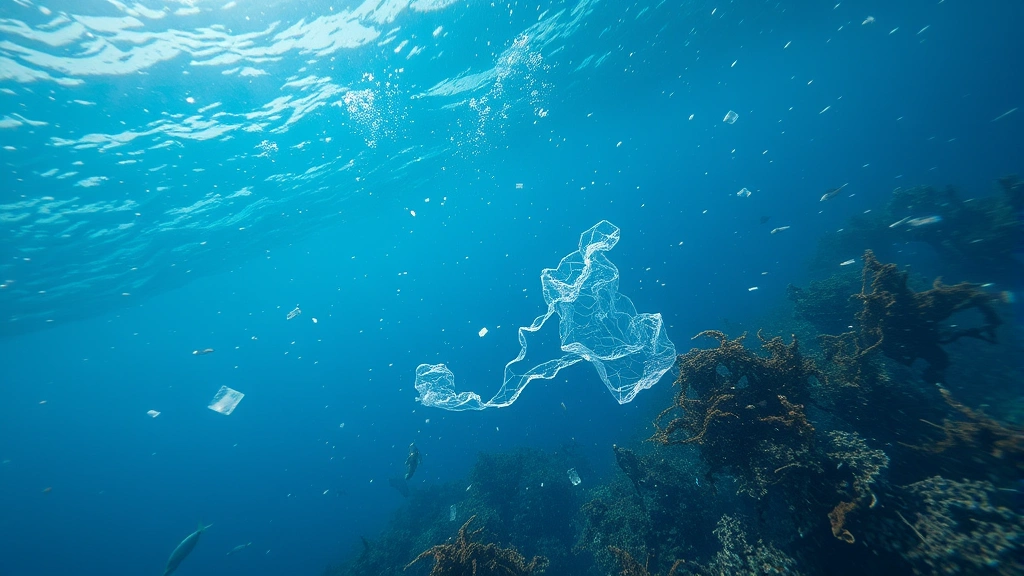
Synthetic textile fibers shed microplastics during every washing cycle, with a single garment releasing up to 1,900 microfibers per wash. These microscopic particles bypass wastewater treatment systems, accumulating in marine ecosystems where they persist indefinitely. Approximately 35% of ocean microplastics originate from synthetic textile washing, making fashion a primary marine pollution source.
Microplastics absorb persistent organic pollutants and heavy metals from surrounding water, concentrating toxins as they move through food webs. Fish, shellfish, and other organisms consume microplastics, experiencing physical damage to digestive systems and chemical toxicity. These contaminated organisms enter human food chains, creating direct pathways for microplastic and associated pollutant exposure to consumers. Research indicates that individuals consuming shellfish may ingest up to 11,000 microplastics annually.
Marine animals including whales, sea turtles, and seabirds ingest microplastics mistaking them for food, causing intestinal blockages and starvation. Microplastics alter fish behavior, reducing feeding efficiency and reproductive success. The long-term consequences of ubiquitous microplastic pollution remain incompletely understood, but emerging evidence suggests ecosystem-wide impacts on marine productivity and biodiversity.
” alt=”Ocean surface showing microplastics and textile fibers floating among marine life and seaweed in blue water”>
Solutions and Sustainable Alternatives
Addressing fast fashion’s environmental crisis requires multifaceted interventions spanning production technologies, business models, policy frameworks, and consumer behavior. Sustainable alternatives include sustainable fashion brands implementing circular economy principles, regenerative agriculture for natural fibers, and innovative materials derived from agricultural waste and bio-engineered sources.
Circular economy models—emphasizing garment longevity, repairability, and recyclability—fundamentally challenge fast fashion’s disposability paradigm. Companies implementing take-back programs, rental systems, and resale platforms extend garment lifecycles while reducing production demands. Technological innovations including enzymatic recycling, which breaks down polyester into molecular components for remanufacturing, offer pathways for infinite material cycling without quality degradation.
Regenerative agriculture practices restore soil health while reducing synthetic input requirements. Organic cotton cultivation eliminates pesticide pollution while sequestering carbon through improved soil biology. Alternative fibers including hemp, flax, and mushroom-derived mycelium leather present lower environmental impact profiles compared to conventional materials. Fiber innovation through lab-grown materials and cellulose-based synthetics from sustainable forestry creates options that reduce resource consumption and pollution.
Policy interventions including extended producer responsibility, mandatory sustainability reporting, and chemical restrictions drive industry-wide transformation. The European Union’s proposed Digital Product Passport requires transparency throughout supply chains, enabling consumers to assess environmental impacts. Carbon pricing mechanisms and water taxation increase costs for environmentally destructive production methods, incentivizing cleaner alternatives. Supporting research through institutions like the Journal of Ecological Economics advances understanding of fashion’s true environmental costs.
Consumer behavior change—emphasizing quality over quantity, supporting ethical brands, and extending garment lifecycles—reduces demand for fast fashion production. Clothing swaps, secondhand shopping, and wardrobe curation practices align consumption with environmental capacity. Education initiatives highlighting fashion’s environmental impacts build awareness and motivation for sustainable choices. Advocacy for regulatory change and corporate accountability accelerates systemic transformation beyond individual consumer actions.
FAQ
How much water does fast fashion consume?
The fashion industry consumes approximately 79 trillion liters of water annually, with cotton production alone requiring 2,700 liters per shirt. This consumption creates severe water stress in arid regions and depletes aquifers supporting agricultural and drinking water needs for millions of people globally.
What percentage of global emissions come from fashion?
Fast fashion contributes approximately 10% of global carbon dioxide emissions annually—exceeding combined emissions from international aviation and maritime shipping. This includes emissions from raw material production, manufacturing, transportation, and consumer laundering throughout garment lifecycles.
How long does textile waste persist in landfills?
Synthetic fibers like polyester require 200+ years to decompose, while natural fibers decompose within 5-6 months. The extended persistence of synthetics creates long-term environmental burdens, with decomposition processes generating methane—a potent greenhouse gas contributing to climate change.
What are microplastics from clothing?
Microplastics are microscopic fibers (less than 5mm) shed from synthetic textiles during washing and wearing. A single garment releases up to 1,900 microfibers per wash, with approximately 35% of ocean microplastics originating from textile washing. These particles persist indefinitely in environments and accumulate through food webs.
How can consumers reduce fashion’s environmental impact?
Consumers can prioritize quality over quantity, support sustainable brands implementing circular economy models, purchase secondhand clothing, and extend garment lifecycles through proper care and repair. Advocating for regulatory change and corporate accountability drives systemic transformation beyond individual actions, creating industry-wide environmental improvements.


