Chernobyl’s Environmental Impact: A Comprehensive Scientific Review
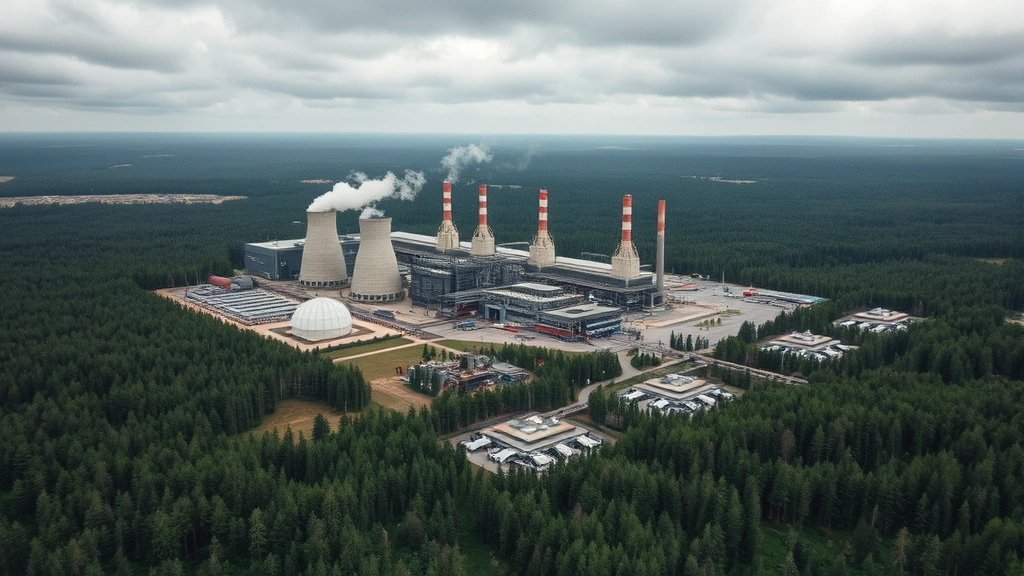
The Chernobyl nuclear disaster on April 26, 1986, remains one of the most catastrophic environmental events in human history. The explosion at the Chernobyl Nuclear Power Plant in Ukraine released unprecedented quantities of radioactive material across Europe, fundamentally altering our understanding of nuclear safety, environmental contamination, and ecosystem resilience. This scientific review examines the multifaceted environmental consequences of the disaster, integrating decades of research into radiation ecology, soil chemistry, and biological adaptation.
Understanding the environmental science behind Chernobyl’s impacts requires examining both immediate acute effects and long-term chronic consequences. The disaster released approximately 5,200 petabecquerels of radioactive material—roughly 400 times the radiation from the Hiroshima atomic bomb—creating a complex legacy of contamination that continues to influence ecosystems and human communities decades later.
Immediate Radiological Release and Atmospheric Dispersal
The reactor explosion ejected an estimated 3.5% of the reactor’s radioactive inventory into the atmosphere, dispersing isotopes across vast geographic regions. The primary isotopes of concern included cesium-137 (half-life: 30 years), iodine-131 (half-life: 8 days), strontium-90 (half-life: 29 years), and plutonium-239 (half-life: 24,110 years). The initial plume traveled northward and westward, delivering significant contamination to Belarus, Russia, and Scandinavia within days.
The atmospheric transport mechanism created a heterogeneous contamination pattern influenced by meteorological conditions during the critical first weeks. Rain events significantly accelerated radionuclide deposition, creating contamination hotspots in regions hundreds of kilometers from the reactor. Research documented by the United Nations Environment Programme demonstrated that cesium-137 deposition varied by orders of magnitude depending on precipitation patterns and atmospheric stability. The initial phase of atmospheric dispersal resulted in approximately 5 million curies being released into the environment, making it the largest single atmospheric contamination event in the nuclear era.
The relationship between environment and society became starkly apparent as governments struggled to respond to transboundary radioactive contamination. Early decisions about evacuation zones and protective measures were based on incomplete information about the scale of the disaster, leading to significant public health consequences that could have been mitigated through more comprehensive monitoring and communication.
Soil Contamination and Migration Patterns
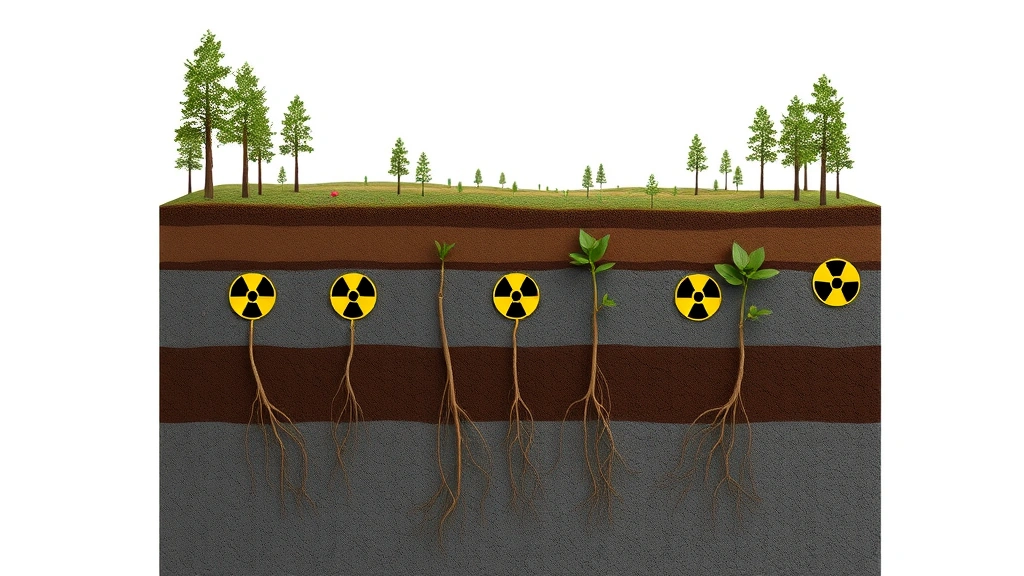
Chernobyl’s most persistent environmental legacy exists in soil systems, where radioactive elements continue to cycle through terrestrial ecosystems. Cesium-137 and strontium-90 became chemically incorporated into soil matrices, with their behavior governed by soil chemistry, pH, and mineral composition. In sandy soils characteristic of much of the contaminated region, radionuclides demonstrated greater mobility, while in clay-rich soils, they became more tightly bound to soil particles.
The vertical migration of radionuclides through soil profiles has been extensively documented through soil core analyses. Studies reveal that cesium-137 exhibits relatively slow downward migration, with most contamination remaining in the upper 10-20 centimeters of soil even decades after deposition. However, in acidic soils and areas with organic matter accumulation, radionuclides penetrate more deeply. Strontium-90 demonstrates greater mobility, particularly in acidic conditions, potentially reaching groundwater systems and affecting drinking water supplies in some regions.
Soil-to-plant transfer coefficients vary dramatically depending on plant species, soil properties, and radionuclide type. Mushrooms and wild berries accumulate cesium-137 at concentrations 100-1000 times higher than surrounding soils, creating significant food chain contamination pathways. This selective bioaccumulation reflects the chemical similarity between potassium and cesium, with plants actively transporting cesium through mechanisms evolved for essential nutrient uptake. Understanding these human-environment interactions has proven critical for developing protective strategies in contaminated regions.
Agricultural countermeasures implemented in contaminated areas have included applying potassium fertilizers to suppress cesium uptake, using ferrocyanide compounds to bind cesium in animal feed, and selective cultivation of less-contaminated crops. These interventions represent an ecological economics approach to managing residual contamination while maintaining food production, demonstrating how environmental management strategies must integrate biological, chemical, and economic considerations.
Aquatic Ecosystem Impacts
The Pripyat River and associated water systems received massive radionuclide inputs during the immediate post-accident period. Aquatic organisms demonstrated variable accumulation patterns, with fish and other aquatic fauna concentrating radioactive isotopes through food web bioaccumulation. The contamination of freshwater systems created cascading ecological effects, from primary productivity changes to shifts in predator-prey relationships.
Radiocesium concentrations in freshwater fish populations declined over decades but remained elevated in some systems through the 2000s and 2010s. The persistence reflects the long half-life of cesium-137 and the continued recycling of radionuclides through aquatic food webs. Benthic organisms, particularly sediment-dwelling invertebrates, accumulated high radionuclide concentrations, serving as vectors for bioaccumulation through the food chain. Research from the World Bank environmental assessments documented how aquatic contamination created economic losses through restrictions on commercial and subsistence fishing across Eastern Europe.
The Pripyat and Dnieper river systems required extensive management interventions including sediment dredging, construction of sediment barriers, and restrictions on water withdrawal for agricultural and industrial purposes. These costly remediation efforts illustrate the long-term economic consequences of nuclear accidents, where aquatic ecosystem restoration involves complex hydrological engineering and decades of monitoring.
Biological and Genetic Effects
Chernobyl’s radiation exposure created unprecedented opportunities to study the biological consequences of chronic low-dose and acute high-dose radiation exposure in natural populations. Research documented increased mutation rates in plant and animal populations within the most contaminated zones, with particularly pronounced effects in organisms with short generation times.
Amphibian populations in the contaminated zone demonstrated increased developmental abnormalities, including morphological deformities and immune system suppression. Studies of frogs and newts revealed that chronic radiation exposure elevated mutation frequencies and reduced genetic diversity in some populations. However, the relationship between radiation exposure and population viability proved complex—some populations showed compensation through increased reproduction rates, while others experienced sustained declines.
Insect populations demonstrated variable responses to radiation exposure. Bees, particularly sensitive to radiation, showed reduced populations in the most contaminated areas, with cascading effects on pollination services and plant reproduction. Conversely, some invertebrate species appeared to tolerate chronic radiation exposure through mechanisms that remain incompletely understood, possibly involving enhanced DNA repair mechanisms or selection for radiation-resistant genotypes.
Mammalian populations including wolves, wild boar, and deer recolonized the Chernobyl exclusion zone after initial population declines, creating a unique opportunity to study wildlife recovery in a radioactively contaminated landscape. These populations accumulated radioactive isotopes but maintained viable breeding populations, suggesting that chronic radiation exposure at levels experienced in the exclusion zone did not prevent population persistence. However, studies documented reduced genetic diversity and potential long-term fitness costs in some populations.

Long-Term Environmental Recovery
Environmental recovery in Chernobyl-affected regions follows complex trajectories shaped by the combination of radiological decay and ecological processes. Cesium-137 and strontium-90 concentrations decline predictably according to their radioactive half-lives, with environmental levels decreasing by approximately 50% every 30 years. However, the effective ecological half-life—the rate at which radionuclides are removed from biological systems—often differs from physical half-life due to remobilization and recycling through food webs.
Vegetation succession in abandoned agricultural lands has proceeded rapidly, with pioneer plant communities gradually replaced by shrubland and forest ecosystems. This ecological recovery occurred despite persistent radionuclide contamination, demonstrating ecosystem resilience even under chronic radiation stress. The reestablishment of forest ecosystems has created carbon sequestration benefits, partially offsetting some environmental costs of the disaster through increased carbon storage in biomass and soils.
Soil microbial communities adapted to chronic radiation exposure through selection processes favoring radiation-resistant genotypes. Research indicates that microbial decomposition rates, nutrient cycling, and soil carbon dynamics have recovered substantially despite elevated radionuclide concentrations. This recovery suggests that microbial communities possess sufficient genetic variation to adapt to novel environmental stressors, including chronic radiation exposure.
Economic and Ecological Trade-offs
The Chernobyl disaster illustrates fundamental tensions in ecological economics regarding the valuation of environmental damage and the cost-benefit analysis of nuclear energy. The economic costs of the disaster—estimated at $235 billion in today’s currency when including health care, remediation, and lost productivity—vastly exceed the economic value of electricity generated by the reactor over its operational lifetime.
However, evaluating Chernobyl’s environmental impact requires acknowledging the complex trade-offs inherent in energy system design. Nuclear energy produces electricity with minimal greenhouse gas emissions, creating climate change mitigation benefits compared to fossil fuel alternatives. The disaster’s contamination footprint, while severe, remains geographically limited compared to the global atmospheric impacts of coal combustion or the landscape fragmentation created by hydroelectric dam construction. This paradox—that nuclear power offers climate benefits while creating concentrated catastrophic risks—remains central to energy policy debates.
The exclusion zone itself has become an unexpected ecological refuge, where the absence of human economic activity has allowed ecosystem recovery despite radioactive contamination. The management of excluded environmental zones demonstrates how removing human pressures can facilitate ecological recovery even in contaminated landscapes. This phenomenon has generated significant research interest in understanding the relative importance of radiation stress versus human land-use impacts on ecosystem functioning.
Long-term environmental monitoring and remediation represent substantial ongoing economic costs for affected nations. The International Atomic Energy Agency estimates that managing Chernobyl’s environmental legacy will require expenditures extending through the 22nd century, creating intergenerational equity challenges regarding who bears the costs of historical nuclear development decisions. These economic realities inform contemporary discussions about nuclear waste management and the true lifecycle costs of nuclear energy systems.
Ecological economics frameworks, as discussed in research from the European Parliament’s environmental economics assessments, emphasize that environmental damage costs must be internalized into energy pricing to achieve economically efficient resource allocation. Chernobyl’s legacy suggests that catastrophic risk probabilities, however small, create expected costs that should influence technology selection in energy systems.
FAQ
What was the immediate death toll from Chernobyl’s environmental contamination?
The immediate acute radiation syndrome caused approximately 31 deaths among reactor workers and emergency responders. However, epidemiological studies estimate substantially higher long-term mortality from radiation-induced cancers, with projections ranging from several hundred to several thousand excess deaths depending on assumptions about dose-response relationships and population exposure levels. The environmental contamination created widespread population exposure through ingestion pathways, particularly through milk contaminated with iodine-131.
How long will Chernobyl remain environmentally contaminated?
Radiological contamination will persist for centuries due to the long half-lives of cesium-137 and strontium-90. However, environmental concentrations decline predictably, with most contamination decreasing to background levels within 10-15 half-lives (roughly 300-450 years for cesium-137). Plutonium-239 contamination will remain significant for millennia, though plutonium poses less environmental risk than cesium due to lower mobility and bioavailability in most soil conditions.
Can contaminated land be remediated for agricultural use?
Substantial areas have been remediated for limited agricultural production through countermeasures including potassium fertilizer application, ferrocyanide feed additives, and selective crop cultivation. However, complete decontamination to pre-accident conditions remains technically impractical and economically unjustifiable. Most contaminated agricultural land remains under use restrictions, with production limited to crops and management practices that minimize radionuclide accumulation in food products.
What are the primary pathways for human radiation exposure in contaminated regions?
The dominant exposure pathways shifted over time following the accident. In the immediate aftermath, inhalation of airborne radionuclides and ingestion of contaminated milk (particularly iodine-131) posed the greatest risks. In the long term, ingestion of contaminated foods—particularly wild mushrooms, berries, game animals, and freshwater fish—became the primary exposure pathways. External exposure from ground contamination remains relatively minor due to the relatively short residence time of radionuclides on exposed surfaces.
How has wildlife adapted to chronic radiation exposure in the exclusion zone?
Wildlife populations in the Chernobyl exclusion zone demonstrate remarkable recovery despite persistent contamination, suggesting that chronic radiation exposure at these levels does not prevent population viability. Populations show evidence of genetic adaptation and selection for radiation-resistant genotypes. However, studies document reduced genetic diversity, potential fitness costs, and altered population dynamics compared to unexposed populations, indicating that chronic radiation creates measurable biological stress even if populations persist.


