
Dynamic Environment and Economy: A Comprehensive Guide
The intersection of environmental systems and economic activity represents one of the most critical challenges of our time. A dynamic environment is characterized by constant change, interconnected systems, and the perpetual evolution of ecological and economic relationships. Understanding how these two domains interact is essential for policymakers, business leaders, and citizens seeking sustainable prosperity.
The global economy operates within planetary boundaries that are increasingly strained by resource extraction, pollution, and climate change. Simultaneously, environmental degradation threatens the economic foundations upon which human societies depend. This comprehensive guide explores the multifaceted relationship between dynamic environmental systems and economic frameworks, examining how economic activities reshape ecosystems and how ecosystem health ultimately determines long-term economic viability.
The concept of a dynamic environment extends beyond simple descriptions of weather or climate. It encompasses the complex interplay of biological, chemical, and physical processes that create the conditions for life, coupled with the economic systems humans have constructed to allocate resources and generate wealth. When these systems operate in harmony, economies thrive sustainably. When they conflict, both suffer.
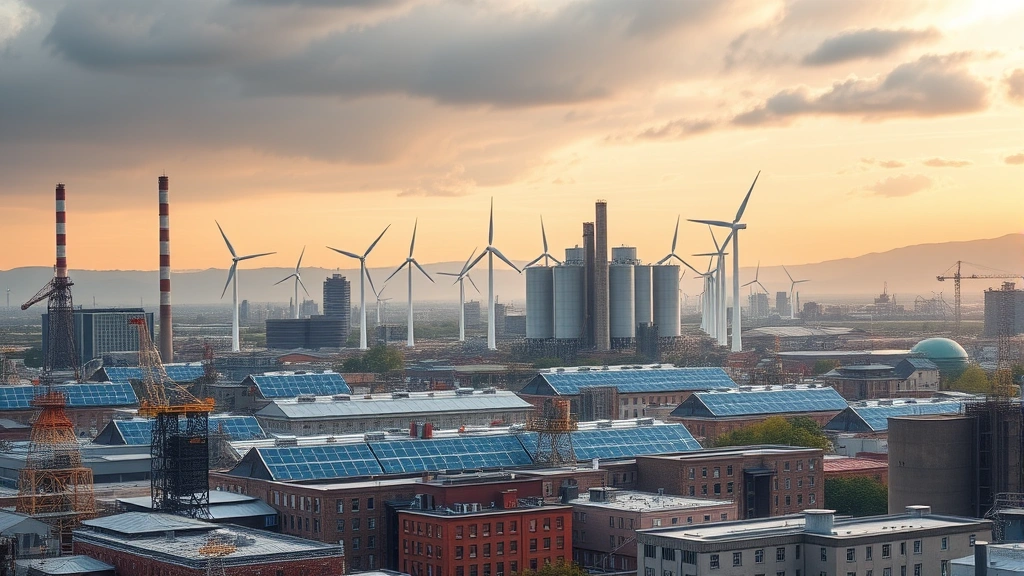
Understanding Dynamic Environmental Systems
Dynamic environmental systems are characterized by constant flux and interconnectedness. Ecosystems respond to external pressures through feedback mechanisms, adaptation, and sometimes catastrophic shifts. Understanding this dynamism requires recognizing that the environment is not a static backdrop to economic activity but rather a living, evolving system with thresholds and tipping points.
The concept of planetary boundaries has gained prominence in environmental science. These boundaries define a safe operating space for humanity across nine critical Earth system processes: climate change, biodiversity loss, land system change, freshwater use, ocean acidification, nitrogen and phosphorus flows, ozone depletion, chemical pollution, and atmospheric aerosol loading. When economic activities push these systems beyond their boundaries, the dynamic environment responds with increasingly severe consequences.
Feedback loops characterize dynamic environmental systems. Carbon emissions warm the atmosphere, which melts Arctic ice, reducing albedo effect and accelerating warming further. Deforestation reduces carbon sequestration capacity while increasing atmospheric CO2. These reinforcing cycles demonstrate why environmental protection requires proactive intervention rather than reactive responses. The definition of environment and environmental science encompasses these complex systemic relationships.
Biodiversity serves as an indicator of ecosystem health and resilience. Diverse ecosystems are generally more stable and productive than monocultures or simplified systems. Yet economic incentives often drive toward simplification: monoculture agriculture, specialized manufacturing, and concentrated resource extraction. Understanding the economic value of biodiversity is crucial for reorienting economic incentives.

Economic Structures and Environmental Impact
Contemporary economic systems are predominantly extractive and linear. The traditional economic model follows a straightforward path: extract raw materials, manufacture products, use them, and dispose of waste. This linear model assumes unlimited resource availability and unlimited waste absorption capacity—assumptions that no longer hold on a finite planet.
The human environment interaction intensifies as global population grows and consumption patterns expand. Industrial economies consume resources at rates far exceeding natural regeneration. Developed nations account for approximately 80% of global consumption despite representing only 15% of the world population. This disparity highlights how economic structures concentrate environmental impacts in specific regions while distributing benefits globally.
Different economic sectors exert varying environmental pressures. Agriculture accounts for approximately 70% of global freshwater use and drives significant deforestation. Energy production remains the largest source of greenhouse gas emissions. Manufacturing and construction consume vast quantities of minerals and materials. Understanding sectoral impacts allows for targeted policy interventions and technological innovations.
Supply chains in modern economies are complex, global, and often opaque regarding environmental impacts. A product manufactured in one country may use materials from several others, with environmental consequences distributed across multiple jurisdictions. This geographic separation between production and consumption creates accountability challenges and allows externalities to remain invisible to consumers.
Economic growth, traditionally measured by GDP expansion, often correlates with increased environmental degradation. However, this relationship is not immutable. Some nations have achieved relative decoupling—growing economies while reducing resource consumption and environmental impacts. This decoupling typically requires technological innovation, policy intervention, and systemic economic restructuring.
Ecosystem Services and Economic Value
Ecosystems provide services that are essential for human survival and economic activity yet often remain economically invisible. Forests sequester carbon, filter water, prevent erosion, and provide habitat. Wetlands filter pollutants and buffer against floods. Coral reefs protect coastlines and support fisheries. Pollination services from insects enable crop production. These ecosystem services represent enormous economic value that traditional accounting systems fail to capture.
The Millennium Ecosystem Assessment, conducted by the United Nations, valued global ecosystem services at approximately $125 trillion annually. More recent assessments suggest this value has increased as services become scarcer. Yet markets typically assign zero value to ecosystem services until degradation forces costly substitutes. Forests are valued for timber but not carbon storage. Wetlands are drained for development rather than preserved for water filtration.
Natural capital accounting represents an emerging framework for incorporating ecosystem services into economic decision-making. Rather than treating natural resources as infinite and costless, natural capital accounting assigns economic values to ecosystem services. Our blog covers various approaches to measuring and valuing environmental assets.
Payment for ecosystem services schemes attempt to create markets where they don’t naturally exist. Carbon markets allow companies to purchase offsets for emissions. Water quality trading permits polluters to fund upstream conservation instead of reducing their own pollution. REDD+ (Reducing Emissions from Deforestation and Forest Degradation) programs compensate developing nations for forest conservation. These mechanisms show promise but remain limited in scale and effectiveness.
The relationship between economic development and ecosystem health is complex. Poorer nations often rely more directly on ecosystem services, making conservation economically rational. Yet development pressures create incentives for short-term resource extraction. Middle-income nations frequently experience peak environmental degradation as industrialization accelerates but environmental regulations remain weak. Wealthier nations can afford pollution control but often externalize environmental impacts through global supply chains.
Market Failures and Environmental Economics
Environmental degradation persists despite widespread recognition of its severity because market mechanisms systematically fail to price environmental costs. These market failures occur when the price of goods and services doesn’t reflect their true environmental cost. A ton of coal appears cheap because the price doesn’t include climate change damages, respiratory illness costs, or ecosystem destruction.
Externalities represent the core market failure in environmental economics. When producers don’t pay for environmental damage their activities cause, they have no market incentive to reduce that damage. Pollution is the classic externality: factories emit freely, shifting health and cleanup costs to society. Without intervention, firms will pollute up to the point where marginal abatement costs equal zero—which is to say, they’ll pollute as much as regulations allow.
The tragedy of the commons describes how shared resources become degraded when individuals lack incentive to conserve. Fisheries collapse because individual fishers benefit from catching more fish while bearing only their proportional share of depletion costs. Groundwater becomes contaminated because polluters don’t own the aquifer and thus don’t internalize damage costs. Atmospheric commons suffer from greenhouse gas emissions for similar reasons.
Information asymmetries compound market failures. Consumers typically lack knowledge about supply chain environmental impacts. Financial markets struggle to price long-term environmental risks. Corporations may hide environmental liabilities. Governments often lack data on ecosystem conditions. Without accurate information, market prices cannot reflect true environmental costs.
The reduction of carbon footprint requires addressing these market failures through policy intervention. Carbon pricing, whether through taxes or cap-and-trade systems, attempts to internalize climate costs. Regulations establish minimum environmental standards. Subsidies for clean technology can overcome market barriers to adoption. Information disclosure requirements improve market transparency.
Behavioral economics reveals additional complexities. Humans exhibit present bias, discounting future environmental damages. Status quo bias makes change difficult even when economically justified. Psychological distance from environmental consequences reduces concern. These behavioral patterns mean that rational economic incentives alone may be insufficient to drive environmental protection.
Transitioning to Circular Economy Models
The circular economy represents a fundamental reimagining of economic structures to align with environmental realities. Rather than the linear take-make-dispose model, circular economies keep materials in use as long as possible, extracting maximum value while minimizing waste and resource depletion. This transition addresses core environmental challenges while creating economic opportunities.
Circular economy principles include designing for durability and repairability, using renewable energy and materials, and recovering value from used products. Companies like Interface, a carpet manufacturer, have pioneered circular models by designing carpets for recycling and using recycled materials in production. Other firms have shifted from selling products to selling services: lighting companies now sell illumination rather than light bulbs, creating incentive to maximize efficiency.
The transition to circularity requires systemic changes across multiple dimensions. Product design must prioritize longevity and recyclability. Supply chains need transparency and traceability. Business models must evolve from volume-maximizing to value-maximizing. Consumers must shift from disposability culture toward durability preferences. Regulatory frameworks must incentivize circular practices.
Industrial symbiosis represents one circular economy mechanism. In symbiotic networks, one company’s waste becomes another’s input. Kalundborg, Denmark hosts one of the world’s oldest and most successful industrial symbiosis systems, where power plants, refineries, and pharmaceutical companies exchange materials and energy, reducing overall resource consumption and waste. Replicating such systems requires geographic proximity and cooperative relationships.
The renewable energy transition represents a critical component of circular economy transformation. Renewable energy systems can operate indefinitely without resource depletion, though they require material inputs for installation and maintenance. Combining renewable energy with circular material flows creates genuinely sustainable economic systems.
Economic analysis suggests circular transitions create more jobs than linear systems while reducing resource costs. Repair and remanufacturing are labor-intensive compared to virgin material extraction and manufacturing. Extended producer responsibility policies, which make manufacturers responsible for end-of-life product management, have driven innovation and created new industries. The transition requires investment but promises long-term economic resilience.
Policy Instruments for Environmental Protection
Effective environmental protection requires policy instruments that align economic incentives with environmental objectives. Diverse policy approaches exist, each with distinct advantages and limitations. Comprehensive environmental governance typically combines multiple instruments.
Regulatory standards establish environmental requirements that firms must meet. Emissions standards specify maximum pollution levels. Water quality standards define acceptable contamination. Endangered species protection prohibits certain economic activities. Performance standards require outcomes without mandating specific technologies. Regulations provide certainty and prevent a “race to the bottom” but can be inflexible and economically inefficient.
Economic instruments use price signals to create incentives for environmental protection. Carbon taxes make pollution expensive, encouraging reduction. Cap-and-trade systems create markets for pollution rights. Subsidies for clean technology overcome market barriers. Tax credits for renewable energy adoption reduce costs. Deposit-refund systems create incentive to return used products. Economic instruments can be cost-effective but may be politically difficult and require careful design to avoid unintended consequences.
Voluntary programs and information disclosure rely on corporate responsibility and consumer choice. Eco-labeling programs inform consumers about environmental attributes. Corporate sustainability commitments signal environmental responsibility. Green building certifications like LEED encourage efficient construction. Voluntary programs can drive innovation but typically achieve less than regulation or economic incentives alone.
International agreements coordinate environmental protection across borders. The Paris Agreement on climate change commits nations to emissions reductions. The Montreal Protocol phased out ozone-depleting substances. The Basel Convention restricts hazardous waste trade. CITES protects endangered species from trade. These agreements create frameworks for cooperation but face challenges in enforcement and ensuring ambitious targets.
According to World Bank research, well-designed environmental policies generate substantial economic benefits through avoided damages, health improvements, and innovation stimulation. However, policy effectiveness depends on adequate funding, institutional capacity, and political commitment. Many developing nations lack resources for environmental enforcement despite having progressive legislation.
Corporate Responsibility and Green Business
Corporate behavior significantly shapes environmental outcomes. Large corporations control vast resource flows and production decisions. Increasingly, environmental considerations influence corporate strategy, not merely from ethical commitment but from economic self-interest regarding resource security, regulatory risk, and market opportunities.
Environmental management systems help corporations systematize environmental protection. ISO 14001 certification provides a framework for identifying and managing environmental impacts. Life cycle assessment examines environmental impacts across product lifecycles. Environmental audits identify compliance gaps and improvement opportunities. These tools increase transparency and drive incremental improvements.
Corporate sustainability reporting has become mainstream practice. Thousands of companies publish annual sustainability reports detailing environmental performance. The Sustainable Accounting Standards Board and Global Reporting Initiative provide frameworks for standardized reporting. While reporting doesn’t guarantee actual improvement, it creates accountability and allows stakeholders to evaluate corporate environmental performance.
Green business opportunities are expanding rapidly. Renewable energy companies, energy efficiency firms, sustainable agriculture businesses, and circular economy enterprises represent growing sectors. Some research suggests green economy sectors grow faster than traditional industries. Venture capital increasingly funds clean technology startups. This economic transformation creates opportunities for companies and investors willing to embrace environmental sustainability.
However, greenwashing remains prevalent. Companies make environmental claims without substantive action. Marketing emphasizes minor improvements while ignoring major impacts. Certifications lack rigor. Without critical evaluation, corporate environmental claims can mislead consumers and policymakers. Authentic corporate environmental responsibility requires measurable impact, transparency, and systemic change rather than marketing.
The transition of major corporations toward environmental responsibility creates supply chain pressures. Large retailers increasingly require suppliers to meet environmental standards. Financial institutions restrict lending to high-impact industries. Investors divest from fossil fuels and other environmentally destructive sectors. These market pressures complement regulatory requirements in driving environmental improvements.
Research from UNEP (United Nations Environment Programme) demonstrates that corporate environmental leadership creates competitive advantages through cost reduction, risk mitigation, and market access. Companies that proactively address environmental challenges outperform peers during transitions. This economic logic increasingly motivates corporate environmental action independent of regulatory requirements.
FAQ
What exactly is a dynamic environment?
A dynamic environment refers to environmental systems characterized by constant change, interconnected processes, and continuous evolution. It encompasses biological, chemical, and physical systems that interact with economic activities. Dynamic environments respond to pressures through feedback mechanisms and can exhibit tipping points where small changes produce large consequences.
How do economic activities impact dynamic environmental systems?
Economic activities impact dynamic environments through resource extraction, pollution generation, habitat destruction, and climate emissions. These impacts accumulate across multiple sectors and supply chains, often with delayed effects. The interconnected nature of dynamic environments means impacts in one area cascade through ecosystems, affecting distant regions and future generations.
What are ecosystem services and why do they matter economically?
Ecosystem services are benefits humans receive from natural systems: pollination, water filtration, carbon sequestration, climate regulation, and countless others. They matter economically because they enable economic activity and human survival. Yet traditional economics assigns them zero value until degradation forces costly substitutes. Recognizing ecosystem service value is essential for sustainable economic decision-making.
How can circular economy models reduce environmental impacts?
Circular economy models reduce environmental impacts by minimizing resource extraction and waste generation. By designing products for durability, repairability, and recyclability, circular systems keep materials in use longer. By using renewable energy, they eliminate resource depletion. By creating value from used materials, they reduce pressure on virgin resources. These changes reduce environmental footprints while creating economic opportunities.
What policy approaches are most effective for environmental protection?
Most effective environmental protection combines multiple policy approaches: regulations establish minimum standards, economic instruments create cost-effective incentives, international agreements coordinate across borders, and corporate responsibility drives innovation. The optimal policy mix depends on specific environmental challenges, institutional capacity, and political context. Comprehensive approaches addressing both supply and demand prove more effective than single-instrument policies.
How can individuals contribute to environmental protection?
Individuals contribute through consumption choices, political engagement, and lifestyle changes. Selecting products from environmentally responsible companies, reducing consumption, and choosing sustainable alternatives reduces individual environmental footprints. Voting for environmental protection, supporting environmental organizations, and advocating for policy change influences systemic outcomes. Individual actions matter most when they align with broader systemic changes.


