
Can Ecosystems Boost the Economy? Economist Insights on Drawing the Environment into Growth Models
The relationship between ecological systems and economic performance has long been treated as a trade-off: grow the economy or protect nature. Yet emerging research in ecological economics challenges this binary thinking. Economists increasingly recognize that healthy ecosystems generate measurable economic value through services we often take for granted—pollination, water filtration, carbon sequestration, and climate regulation. This paradigm shift represents a fundamental redrawing of economic theory, one that integrates natural capital into traditional GDP calculations and reframes environmental protection as economic investment.
Drawing the environment into mainstream economic analysis reveals uncomfortable truths: we have systematically undervalued nature’s contributions while externalizing the costs of its degradation. When we account for ecosystem services, the numbers become compelling. A study by the World Bank estimated that natural capital comprises 26% of total wealth in low-income countries, yet these assets receive minimal protection in policy frameworks designed around financial and human capital alone. This article explores how ecosystems function as economic engines, why traditional metrics fail to capture their value, and how forward-thinking economists are drawing new blueprints for sustainable prosperity.
The Economics of Ecosystem Services: Quantifying Nature’s Value
Ecosystem services represent the tangible benefits human societies derive from natural systems. These range from provisioning services like food and water to regulating services such as climate stabilization and disease control, and cultural services including recreation and spiritual fulfillment. The challenge economists face involves drawing these intangible contributions into monetary frameworks where policy decisions are made.
The Millennium Ecosystem Assessment, conducted by the United Nations, estimated that global ecosystem services were worth approximately $125 trillion annually—a figure that dwarfs global GDP. Yet this value remains largely invisible in national accounting systems. When a forest is logged, GDP increases; when it stands intact providing carbon storage and watershed protection, it registers as economically inactive. This accounting failure distorts policy incentives and encourages short-term extraction over long-term stewardship.
Economists employ several methodologies for drawing monetary values to ecosystem services. Contingent valuation asks people what they would pay to preserve a natural area. Hedonic pricing examines how proximity to healthy ecosystems affects property values. Cost-benefit analysis compares restoration expenses against the economic gains from improved ecosystem function. These tools, while imperfect, provide leverage for arguing that ecosystem protection represents sound economic policy rather than environmental luxury.
Consider pollination services: global agricultural production depends on pollinators, yet we invest minimally in bee conservation. Researchers estimate that wild pollinators contribute $15-20 billion annually to U.S. agriculture alone. Drawing this figure into policy discussions transforms bee protection from an environmental concern into an agricultural economics imperative.
Natural Capital and Economic Growth: Beyond GDP
Traditional GDP measures economic activity but ignores the depletion of natural assets. A country can clearcut its forests, deplete its fisheries, and degrade its soils while reporting robust GDP growth. This accounting fiction has enabled decades of development that erodes the natural capital base upon which future prosperity depends. Economists working on environmental science definitions and natural capital frameworks advocate for alternative metrics that reveal true economic health.
The concept of inclusive wealth or adjusted net savings attempts to correct this by subtracting resource depletion and environmental damage from growth figures. When natural capital depletion is factored in, many developing nations show negative economic growth despite rising GDP. This reframing forces uncomfortable questions: are we truly becoming wealthier, or merely converting natural assets into financial ones while impoverishing future generations?
The United Nations Environment Programme has developed Ecosystem Accounting methodologies that integrate environmental data into national accounting systems. Countries adopting these frameworks can track how ecosystem degradation translates into economic decline, creating political pressure for conservation. Costa Rica pioneered this approach, establishing payment for ecosystem services programs that compensate landowners for maintaining forests. The result: forest cover increased while rural incomes rose, demonstrating that drawing ecosystems into economic incentive structures can achieve simultaneous environmental and development goals.
Understanding different types of environments and their economic roles clarifies why this matters. Mangrove forests, for instance, provide nurseries for commercial fish species, storm surge protection, and carbon storage. Yet they are often converted to shrimp farms that generate short-term profits while destroying long-term economic value. Proper accounting reveals that mangrove conservation generates greater lifetime economic returns than conversion.
Case Studies: Where Ecosystems Drive Economic Returns
Several global examples demonstrate ecosystems’ capacity to generate sustained economic benefits when properly valued and protected. These cases illustrate how drawing environmental considerations into economic planning yields superior outcomes.
Costa Rica’s Payment for Ecosystem Services Program: Beginning in 1997, Costa Rica implemented payments compensating landowners for forest conservation. The program recognized that forests provide watershed protection, biodiversity habitat, and carbon sequestration. By drawing these services into economic incentives, Costa Rica reversed decades of deforestation. Forest cover increased from 21% in 1987 to 52% today, while the program supported rural development and attracted ecotourism revenue exceeding $4 billion annually—far surpassing short-term timber extraction profits.
New York City’s Watershed Protection Investment: Rather than constructing expensive water treatment facilities, New York invested $1.5 billion in protecting the Catskill Mountains ecosystem that naturally filters the city’s drinking water. This ecosystem-based approach proved 50% cheaper than conventional infrastructure while providing co-benefits including recreation, carbon storage, and biodiversity. The case demonstrates how drawing ecological function into infrastructure planning generates superior economic outcomes.
Indonesia’s Mangrove Restoration: Indonesia’s mangrove forests declined by 40% due to aquaculture conversion and logging. Researchers quantified the economic losses: reduced fish catches, increased coastal flooding damage, and lost carbon sequestration valued at billions annually. Armed with these figures, conservation advocates successfully drew ecosystem economics into policy discussions, leading to restoration initiatives that are simultaneously rebuilding fish stocks and protecting coastal communities from climate-related disasters.
The Cost of Ecosystem Degradation: Economic Losses We Cannot Ignore
While ecosystem services represent positive economic value, ecosystem degradation generates massive negative economic consequences that economists are only beginning to quantify. Drawing these costs into policy frameworks reveals that environmental protection is not a luxury but an economic necessity.
Deforestation costs the global economy an estimated $2-5 trillion annually through lost carbon sequestration, watershed degradation, and biodiversity loss. Soil degradation reduces agricultural productivity on 1.5 billion hectares of land, generating productivity losses exceeding $300 billion yearly. Coral reef destruction threatens the livelihoods of 500 million people who depend on marine resources, with ecosystem service losses valued at $375 billion annually. These figures dwarf the costs of conservation.
The UNEP’s State of the Global Environment Report documents how ecosystem degradation increasingly constrains economic growth, particularly in developing regions dependent on natural capital. Climate change, driven by ecosystem degradation and carbon emissions, threatens $23 trillion in global assets and could reduce global GDP by 10-23% by 2100 absent mitigation efforts. Drawing these projections into present-day policy decisions creates economic arguments for immediate conservation action.
Human-environment interactions that degrade ecosystems generate cascading economic costs. Pollinator decline reduces crop yields. Wetland destruction increases flooding damage. Ocean acidification collapses fisheries. Each represents an economic loss that could have been prevented through ecosystem protection investments costing a fraction of the damage.
Policy Frameworks: Drawing Ecosystems into Economic Planning
Translating ecosystem economics into policy requires institutional innovations that place natural capital on equal footing with financial capital in decision-making processes. Several frameworks show promise.
Natural Capital Accounting: Countries adopting System of Environmental-Economic Accounting (SEEA) integrate ecosystem data into national accounting systems. This enables policymakers to see how environmental degradation affects true economic wealth. When forest depletion registers as a loss rather than income, political incentives shift toward conservation.
Payment for Ecosystem Services (PES): These market mechanisms compensate landowners for maintaining ecosystem functions. Programs that reduce carbon footprints through ecosystem protection create direct economic incentives for conservation. Mexico’s PES program protects 3.5 million hectares and generates $200 million in annual payments to rural communities.
Environmental Impact Assessment: Requiring economic quantification of ecosystem impacts before development approval forces drawing environmental costs into project decisions. When a dam project must account for fishery losses, watershed degradation, and biodiversity harm in monetary terms, economic viability calculations often shift against development.
Carbon Pricing: Carbon markets place monetary value on ecosystem services related to climate regulation. By drawing carbon sequestration into economic systems through pricing mechanisms, forests and wetlands become economically competitive with extractive uses. The World Bank’s Carbon Pricing Dashboard tracks 68 carbon pricing initiatives globally, reflecting growing recognition that drawing climate costs into market prices is essential for economic efficiency.
Investment Opportunities in Ecological Restoration
Ecosystem restoration represents an emerging investment frontier where financial returns align with environmental benefits. Drawing capital toward restoration creates economic incentives for ecosystem recovery.
Reforestation and Afforestation: Planting trees generates carbon credits, timber production, and watershed protection. Investment funds focused on forest restoration increasingly attract capital, with projects yielding 7-12% annual returns while sequestering millions of tons of carbon. The global reforestation market is projected to exceed $50 billion annually by 2030.
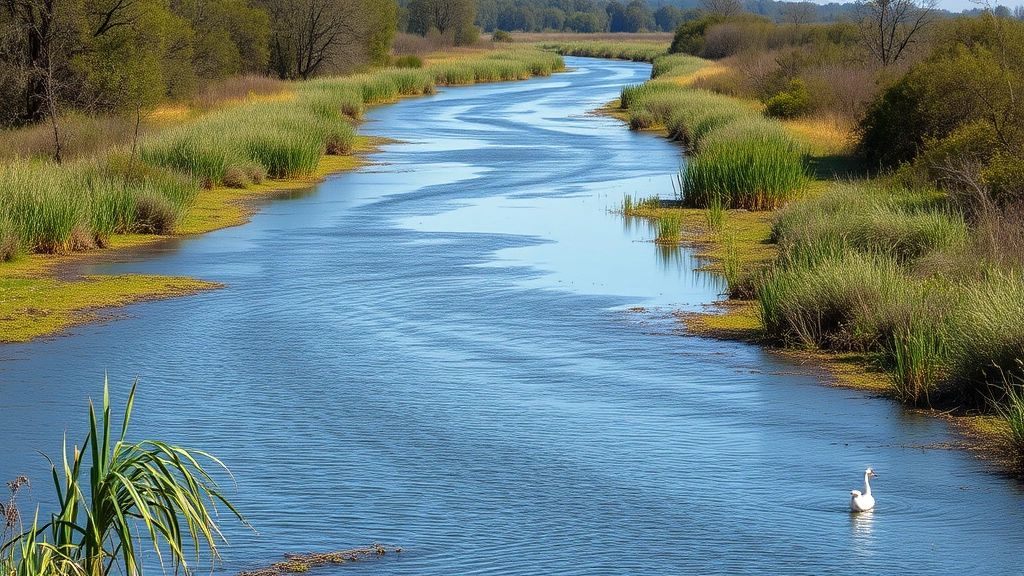
Wetland Restoration: Restored wetlands provide flood protection, water filtration, and wildlife habitat while potentially generating returns through sustainable harvesting of reed and aquatic products. Florida’s Everglades restoration project, while expensive, is projected to generate $7 in ecosystem benefits for every dollar invested.
Marine Protected Areas: Evidence demonstrates that well-managed marine reserves increase fish populations and biodiversity while supporting sustainable fishing industries. Economies dependent on marine resources increasingly invest in protection, recognizing that ecosystem recovery generates greater long-term economic returns than extraction.
Urban Green Infrastructure: Investments in urban forests, green roofs, and restored wetlands reduce flooding, lower cooling costs, improve air quality, and enhance property values. Cities globally are drawing ecosystem restoration into infrastructure budgets, recognizing that natural systems provide services more cost-effectively than gray infrastructure.
The investment case for ecological restoration grows stronger as climate impacts accelerate. Insurance companies, pension funds, and development banks increasingly recognize that ecosystem degradation represents a systemic financial risk. Drawing environmental restoration into investment portfolios becomes not just ethically sound but financially prudent.
” alt=”Healthy forest ecosystem with diverse tree canopy and understory vegetation”>
Barriers to Drawing Ecosystems into Economic Analysis
Despite compelling economic arguments, several barriers prevent ecosystems from receiving appropriate economic valuation. Understanding these obstacles is essential for advancing the integration of ecological and economic thinking.
Temporal Misalignment: Ecosystem benefits often accrue over decades while extraction generates immediate profits. Markets discount future benefits, making long-term ecosystem protection economically irrational by conventional analysis. This temporal mismatch requires policy interventions that extend planning horizons beyond quarterly earnings cycles.
Spatial Disconnection: Ecosystem services often benefit distant populations. A watershed protection investment in one region benefits water users hundreds of kilometers away. This spatial disconnection makes it difficult to establish payment mechanisms where beneficiaries compensate those bearing conservation costs.
Quantification Challenges: Some ecosystem services resist monetary valuation. How do we price biodiversity for its own sake? What is the economic value of a species’ existence? These philosophical questions complicate efforts to draw all ecosystem benefits into economic frameworks.
Institutional Inertia: Economic institutions built around extraction-based models resist incorporating ecosystem economics. Accounting systems, investment frameworks, and policy structures evolved to facilitate resource extraction, not conservation. Transforming these institutions requires overcoming entrenched interests and bureaucratic resistance.
Market Failures: Ecosystem degradation often benefits wealthy actors while costs fall on poor populations. Markets fail to internalize these distributional consequences, creating political resistance to conservation from those bearing short-term costs. Drawing equity considerations into ecosystem economics requires policy interventions beyond market mechanisms.
The Future: Integrating Ecology and Economics
The trajectory of economic thought increasingly points toward integration of ecological and economic analysis. Several developments suggest this transformation is accelerating.
Academic Evolution: Leading economics programs now require environmental and ecological economics coursework. Research in ecological economics, published in journals like Ecological Economics and Environmental and Resource Economics, increasingly influences mainstream economic thought. Universities are drawing environmental considerations into all economic training, not treating it as a specialized subfield.
Corporate Recognition: Major corporations increasingly recognize ecosystem degradation as a business risk. Supply chains dependent on agricultural products face disruption from soil degradation. Companies dependent on water face watershed depletion. Drawing ecosystem health into corporate risk assessment and strategy becomes essential for long-term viability. Sustainable fashion brands and other environmentally conscious enterprises demonstrate market demand for ecosystem-aware business models.
Policy Evolution: Governments increasingly adopt natural capital accounting and ecosystem service valuation in policy decisions. The European Union’s biodiversity strategy, New Zealand’s wellbeing framework, and Scotland’s natural capital accounts represent institutional recognition that drawing ecosystems into economic planning is essential for sustainable development.
Technological Advancement: Satellite monitoring, artificial intelligence, and remote sensing technologies increasingly enable precise quantification of ecosystem changes and their economic consequences. As drawing environmental data into economic models becomes technologically feasible and cost-effective, the barriers to integration diminish.

” alt=”Restored wetland landscape with water, native vegetation, and wildlife habitat”>
FAQ
How do economists measure ecosystem services?
Economists use multiple valuation methods including contingent valuation (asking what people would pay for ecosystem preservation), hedonic pricing (examining how ecosystem proximity affects property values), cost-replacement methods (calculating costs to replace ecosystem functions artificially), and production function approaches (measuring ecosystem contributions to economic output). Each method has strengths and limitations; most economists employ multiple approaches to triangulate ecosystem value.
Can ecosystem protection and economic growth occur simultaneously?
Yes, evidence increasingly demonstrates that ecosystem protection and economic growth are complementary rather than contradictory. Ecosystem restoration creates employment, generates ecosystem service benefits, attracts investment, and prevents costly environmental damage. Studies show that countries with strong environmental protections often have stronger economic performance than those with weak protections. The apparent trade-off emerges only when ecosystem services are undervalued and extraction costs are not internalized.
Why hasn’t ecosystem economics transformed policy sooner?
Multiple barriers have prevented integration including: institutional inertia in economic institutions designed around extraction, temporal misalignment between ecosystem benefits and market discounting, spatial disconnection between ecosystem beneficiaries and cost-bearers, and political resistance from actors profiting from ecosystem degradation. Additionally, ecosystem valuation methodologies are relatively recent and initially lacked precision. As methods improve and institutional awareness grows, policy integration accelerates.
What is natural capital and how does it differ from financial capital?
Natural capital comprises ecosystem assets including forests, wetlands, fisheries, minerals, and freshwater that generate flows of ecosystem services. Unlike financial capital, natural capital is often non-renewable (minerals), slow to regenerate (forests), or irreplaceable (species). Natural capital provides the foundation for all economic activity; without it, financial and human capital become worthless. Treating natural capital as interchangeable with financial capital leads to unsustainable resource depletion.
How can developing countries benefit from ecosystem economics?
Developing countries often possess disproportionate shares of global ecosystem assets including tropical forests, coral reefs, and wetlands. Ecosystem economics frameworks enable these countries to capture value from ecosystem preservation through payment for ecosystem services, sustainable tourism, and carbon markets. Rather than viewing ecosystem protection as a constraint on development, these frameworks position it as a development strategy. Costa Rica’s experience demonstrates that ecosystem protection can generate greater development benefits than extraction-based approaches.
What role do carbon markets play in ecosystem economics?
Carbon markets place monetary value on ecosystem services related to climate regulation by compensating forest protection and restoration that sequesters atmospheric carbon. This creates economic incentives for conservation that compete with extraction. Carbon pricing mechanisms, whether through compliance markets or voluntary initiatives, draw climate costs into market prices, making ecosystem protection economically rational. However, carbon markets alone are insufficient; complementary policies addressing biodiversity, water security, and other ecosystem services remain necessary.


