Ibex’s Alpine Home: Ecology Insights and Studies
The alpine ibex represents one of nature’s most remarkable adaptations to extreme mountain environments. These wild goats have evolved sophisticated physiological and behavioral mechanisms to thrive in the harsh, unforgiving terrain of the Alps, where temperatures plummet, oxygen levels drop, and food becomes scarce during brutal winters. Understanding the alpine environment that shapes the ibex’s existence provides crucial insights into mountain ecology and the interconnected relationships between species, climate, and terrain.
The ibex’s survival in alpine zones demonstrates how ecosystems function under extreme constraints and reveals the delicate balance required to maintain biodiversity in high-altitude regions. As climate change increasingly impacts mountain environments worldwide, studying these remarkable animals and their habitats becomes essential for conservation efforts and broader ecological understanding. This comprehensive exploration examines the alpine environment where ibex live, the ecological pressures they face, and the scientific research that illuminates their world.
The Alpine Environment Defined
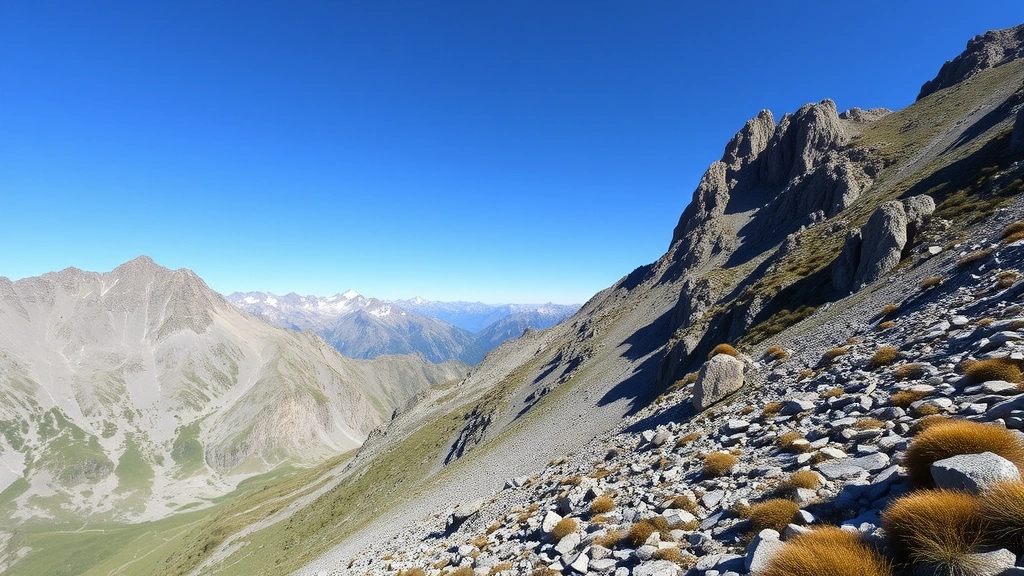
The alpine environment represents one of Earth’s most extreme ecosystems, characterized by high elevation, low temperatures, intense solar radiation, and severe weather conditions. Alpine zones typically begin above the tree line, where elevation exceeds approximately 2,000 to 3,000 meters depending on latitude and geographic location. In the Alps, where ibex populations thrive, this transition occurs around 2,000 to 2,500 meters elevation. The alpine environment encompasses multiple distinct zones, each with specific ecological characteristics that influence species distribution and survival strategies.
The alpine zone exists as a transitional ecosystem between the montane forests below and the nival (perpetually snow-covered) regions above. This positioning creates unique environmental pressures that only specialized organisms can endure. The ibex occupies primarily the high alpine zone, where rocky terrain dominates and vegetation remains sparse. These environments represent biodiversity hotspots despite their apparent harshness, supporting specialized plant and animal communities found nowhere else on Earth. The ecological complexity of mountain systems continues to fascinate researchers studying adaptation and resilience.
Elevation, Climate, and Atmospheric Conditions
Elevation dramatically influences every aspect of the alpine environment where ibex live. As altitude increases, atmospheric pressure decreases, reducing oxygen availability to approximately 50% of sea-level concentrations at 5,500 meters. Temperature drops approximately 6.5 degrees Celsius per 1,000 meters of elevation gain, creating frigid conditions that challenge even the most cold-adapted organisms. In the Alps, alpine zones experience average temperatures between -5 and 5 degrees Celsius annually, with winter temperatures frequently plummeting below -20 degrees Celsius.
Precipitation patterns in alpine regions differ significantly from lower elevations. Alpine areas receive substantial precipitation, typically 1,000 to 2,000 millimeters annually, but much falls as snow during winter months. This snow accumulation creates extended winter seasons lasting 6 to 9 months, during which ibex must navigate steep, icy slopes while foraging for limited vegetation. Solar radiation intensity increases with elevation due to reduced atmospheric filtering, creating intense ultraviolet exposure and rapid temperature fluctuations. Diurnal temperature variations in alpine zones can exceed 20 degrees Celsius, with intense midday sun followed by freezing nights. Wind speeds intensify at higher elevations, with alpine ridges experiencing persistent winds exceeding 50 kilometers per hour, creating wind chill effects that further stress organisms.
These climatic extremes directly influence environmental degradation patterns in alpine zones. Permafrost exists at higher elevations, affecting soil stability and water availability. The combination of extreme cold, intense radiation, high winds, and limited liquid water creates one of Earth’s most challenging habitats, yet ibex have evolved remarkable physiological mechanisms to thrive in these conditions.

Alpine Vegetation Zones and Plant Communities
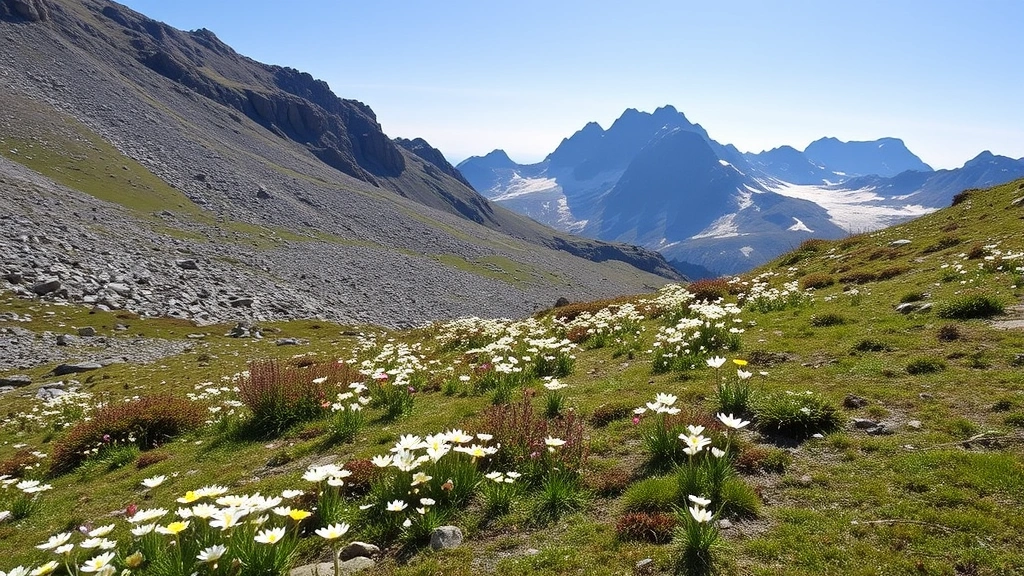
Alpine vegetation exhibits distinct zonation patterns based on elevation, exposure, and microhabitat conditions. The transition from alpine meadows to bare rock occurs gradually, creating recognizable plant communities that characterize different alpine subzones. In the lower alpine zone where ibex frequently forage, dwarf shrubs and herbaceous plants dominate, including alpine clover, alpine forget-me-not, and alpine bistort. These hardy plants remain low-growing, rarely exceeding 30 centimeters, an adaptation that reduces wind damage and conserves energy in harsh conditions.
The middle alpine zone features increasingly sparse vegetation with cushion plants and lichens becoming prominent. Cushion plants grow in dense, compact mounds that provide insulation and reduce water loss. Lichens represent critical components of alpine ecosystems, colonizing bare rock and providing both food and habitat. The upper alpine zone transitions to bare rock, scree, and permanent snow, with only the most extreme specialists surviving. Vegetation distribution reflects microtopography, with sheltered valleys supporting more robust plant growth than exposed ridges.
Alpine plants have evolved specialized adaptations for survival. Many possess waxy, hairy leaves that reduce water loss and reflect intense solar radiation. Root systems extend deeply into rocky soil to access water and anchor plants against wind. Many alpine plants allocate substantial energy to reproduction early in growing seasons, ensuring seeds mature before winter. Flowering periods compress into brief 4 to 8-week windows when temperatures permit growth. These plants provide essential forage for ibex, though nutritional quality varies seasonally. Spring and early summer offer maximum nutritional value, while late summer and fall vegetation becomes progressively less nutritious as plants allocate resources to seeds and dormancy preparation.
Ibex Adaptations to Alpine Conditions
Ibex possess extraordinary morphological, physiological, and behavioral adaptations enabling survival in extreme alpine environments. Their specialized hooves feature soft, rubbery pads with sharp edges that provide exceptional grip on steep, icy rock faces. These hooves allow ibex to traverse nearly vertical terrain at elevations exceeding 4,000 meters, accessing forage and refuge unavailable to predators or competitors. Their body structure reflects alpine specialization, with compact, muscular builds optimized for climbing rather than running across open terrain.
Physiologically, ibex demonstrate enhanced oxygen utilization at high elevations where atmospheric oxygen remains limited. Their cardiovascular systems efficiently distribute oxygen throughout their bodies, and their hemoglobin exhibits enhanced oxygen-binding capacity. Metabolic rates adapt seasonally, increasing during winter to generate heat while reducing during summer to minimize water loss. Their fur provides exceptional insulation, with dense undercoats trapping warm air close to skin. Seasonal coat changes optimize thermoregulation, with thicker winter coats providing insulation and lighter summer coats reducing overheating risk.
Behaviorally, ibex have evolved sophisticated foraging strategies maximizing nutrient acquisition in resource-limited environments. They exhibit strong vertical migration patterns, ascending to higher elevations during summer when vegetation becomes available and descending to lower zones during winter when snow cover limits accessibility. These migrations can span several hundred meters in elevation, requiring substantial energy investment but ensuring access to optimal forage throughout seasons. Social hierarchies organize ibex herds, with dominant individuals securing preferred forage and shelter locations. Females and young remain separate from adult males except during breeding seasons, reducing resource competition during critical periods.
Ecological Interactions and Food Webs
Ibex occupy a crucial position within alpine food webs, functioning as primary consumers that transfer plant energy to higher trophic levels. Their grazing directly influences alpine vegetation communities, potentially affecting species composition and ecosystem structure. In areas with high ibex densities, grazing pressure can reduce palatable plant abundance and alter vegetation succession patterns. However, moderate grazing can enhance vegetation diversity by preventing competitive dominance of particular species, creating heterogeneous habitats supporting greater biodiversity.
Predator-prey relationships structure alpine ecosystems where ibex live. Historically, wolves and lynx predated ibex, controlling populations and influencing their behavior and distribution. Today, golden eagles represent primary predators of young ibex kids, though adult ibex rarely fall victim due to their size and climbing abilities. The removal of large predators through human hunting altered alpine food web dynamics, allowing ibex populations to expand significantly during recent decades. This expansion has created complex management challenges, as high ibex densities can degrade alpine vegetation communities and increase disease transmission risk.
Parasites and diseases significantly impact ibex populations in alpine zones. Lungworm infections affect ibex respiratory systems, particularly in high-density populations where transmission increases. Sarcoptic mange, caused by parasitic mites, has decimated ibex populations in some alpine regions. These diseases interact with environmental stressors including severe winters, creating population bottlenecks that reduce genetic diversity. Understanding these ecological interactions remains essential for effective conservation, particularly as climate change alters alpine ecosystems and modifies disease dynamics.
Alpine ecosystems also support diverse microorganism communities within ibex digestive systems. These ruminant symbionts enable efficient digestion of fibrous alpine vegetation, breaking down cellulose and producing volatile fatty acids for energy. The microbial communities shift seasonally based on available forage, with composition reflecting dietary changes throughout the year. These microbiomes represent essential components of ibex physiology, enabling survival on diets that would be indigestible without microbial assistance.
Conservation Challenges and Climate Impact
Alpine ibex face mounting conservation challenges as human activities and climate change increasingly impact their habitats. Historically, ibex were hunted to near extinction, with populations reduced to approximately 60 individuals by the early 1800s. Intensive conservation efforts have recovered populations to approximately 50,000 individuals today, representing a remarkable conservation success. However, this recovery has created new challenges, as high-density populations suffer increased disease transmission and overgrazing impacts.
Climate change presents unprecedented threats to alpine ibex and their environments. Rising temperatures shrink alpine zones as tree lines advance upward, reducing available high-altitude habitat. Snow cover patterns shift, with earlier spring melts reducing water availability during critical growing seasons and creating mismatches between forage availability and ibex reproductive cycles. Extreme weather events intensify, including unprecedented heat waves and severe winter storms that stress ibex populations. Glacial retreat removes important water sources and alters seasonal migration patterns ibex have relied upon for millennia.
Research from World Bank environmental studies demonstrates how climate change threatens mountain ecosystems globally. Alpine vegetation communities shift toward species better adapted to warmer conditions, potentially reducing forage quality for specialized herbivores like ibex. Invasive species expand into newly suitable alpine zones, competing with native plants and altering ecosystem structure. These changes collectively threaten the ecological integrity of alpine environments that ibex depend upon for survival.
Conservation strategies must address both traditional challenges and emerging climate-related threats. Population management through regulated hunting maintains healthy densities and prevents overgrazing. Disease monitoring and management reduce transmission of parasites and pathogens. Protected area designation secures critical habitat from development pressures. However, these strategies require adaptation as climate change fundamentally alters alpine environments. International cooperation through organizations like UNEP facilitates coordinated conservation efforts across borders, as alpine ibex populations span multiple countries with shared ecological interests.
Research initiatives investigating ibex ecology and climate responses inform adaptive management strategies. Long-term monitoring programs track population dynamics, vegetation changes, and disease patterns, providing data essential for evidence-based decision-making. Genetic studies assess population viability and inform breeding strategies for maintaining genetic diversity. Understanding how ibex respond to environmental changes enables prediction of future population trajectories and identification of critical intervention points. These research efforts represent ongoing investments in understanding and protecting one of Europe’s most remarkable alpine species, contributing to broader ecological knowledge applicable to other mountain regions worldwide.
FAQ
What elevation do alpine ibex typically inhabit?
Alpine ibex primarily inhabit elevations between 2,000 and 4,000 meters in the Alps, occupying steep rocky terrain above the tree line. They demonstrate remarkable climbing abilities enabling survival on nearly vertical cliff faces at extreme elevations. Seasonal migration patterns cause vertical movements spanning several hundred meters as ibex track optimal forage availability throughout the year.
How do ibex survive extreme alpine winter conditions?
Ibex survive harsh winters through multiple adaptive mechanisms including dense insulating fur, efficient metabolic regulation, and behavioral strategies like descending to lower elevations where snow cover permits forage access. Their specialized hooves provide traction on icy slopes, and their herbivorous digestive system efficiently extracts nutrition from limited alpine vegetation. Social behaviors including herding provide additional survival advantages through shared predator vigilance and thermal regulation.
What plants do alpine ibex eat?
Alpine ibex consume diverse vegetation including alpine clover, alpine forget-me-not, alpine bistort, various grasses, and lichens depending on seasonal availability. They also browse dwarf shrubs and woody vegetation when herbaceous plants become unavailable. Forage quality varies seasonally, with spring and early summer vegetation offering maximum nutritional value, while fall vegetation becomes progressively less nutritious as plants prepare for dormancy.
How do climate changes threaten alpine ibex populations?
Rising temperatures shrink alpine zones as vegetation zones shift upward, reducing available habitat. Earlier spring melts create mismatches between forage availability and reproductive cycles. Extreme weather events intensify, stressing populations. Glacial retreat removes water sources, and invasive species expand into newly suitable zones. These changes collectively threaten the ecological integrity alpine ibex depend upon for survival, requiring adaptive conservation strategies.
Are alpine ibex endangered species?
Alpine ibex recovered from near extinction through intensive conservation efforts, with populations increasing from approximately 60 individuals in the early 1800s to roughly 50,000 today. While no longer critically endangered, they remain vulnerable to disease, climate change, and habitat degradation. Ongoing management and monitoring remain essential for maintaining recovered populations and ensuring long-term viability across alpine regions.
Understanding alpine ibex ecology and their remarkable mountain home provides insights into how specialized organisms adapt to extreme environments and the interconnected relationships maintaining mountain ecosystem function. As climate change increasingly impacts alpine zones globally, protecting these remarkable animals and their habitats becomes increasingly urgent, requiring sustained scientific research, international cooperation, and adaptive management strategies informed by ecological principles and conservation science. The ibex represents not merely a single species but a symbol of alpine ecosystem complexity and the urgent need to understand and protect Earth’s most vulnerable mountain environments.


