Tennessee’s Economy and Ecology: Official Insights from the Department of Environment and Conservation
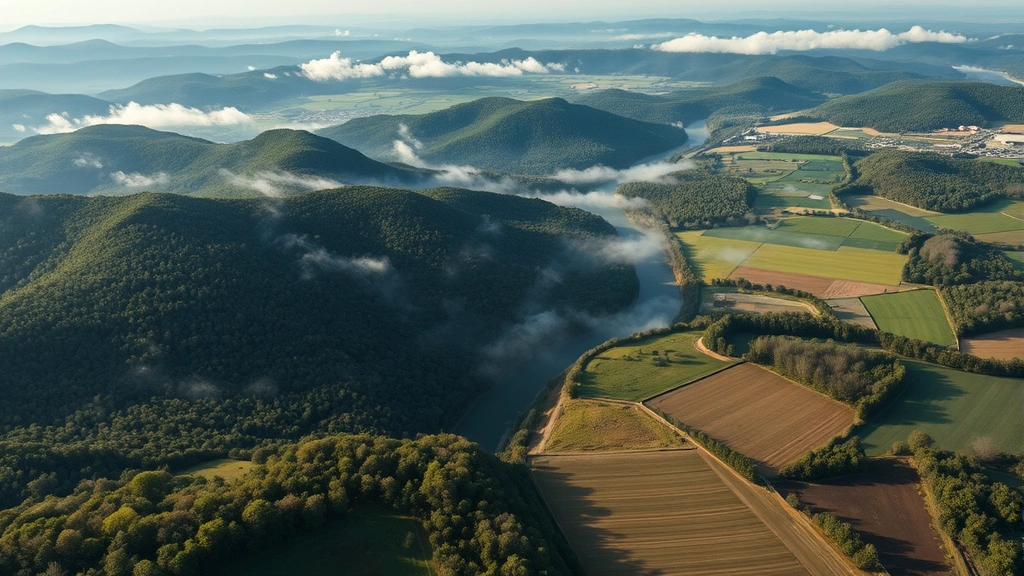
Tennessee stands at a critical intersection where economic development and ecological preservation must coexist. The state’s Department of Environment and Conservation (TDEC) serves as the principal guardian of this balance, implementing policies that recognize both the intrinsic value of natural resources and their economic importance. With a population exceeding 7 million residents and a diverse landscape spanning from the Appalachian Mountains to the Mississippi River floodplain, Tennessee faces unique challenges in maintaining environmental quality while supporting industrial growth, agriculture, and urban development.
The relationship between Tennessee’s economy and its ecological systems represents a microcosm of broader national debates about sustainability and resource management. The state’s historical reliance on coal mining, timber harvesting, and hydroelectric power generation has shaped both its prosperity and its environmental legacy. Today, TDEC works to modernize this relationship, integrating ecological economics principles that value natural capital alongside traditional measures of economic output. Understanding how Tennessee approaches this balance offers insights into how states can achieve sustainable economic development without compromising environmental integrity.
TDEC’s Mission and Organizational Structure
The Tennessee Department of Environment and Conservation operates as one of the state’s most consequential agencies, with authority spanning environmental protection, natural resource management, and economic regulation. TDEC’s structure reflects the complexity of balancing these mandates: the agency houses divisions dedicated to water resources, air quality, solid waste management, forestry, parks and recreation, and archaeological and cultural resources. This organizational design acknowledges that ecological health and economic vitality are fundamentally interconnected.
TDEC’s regulatory framework implements both federal environmental legislation and state-specific policies. The agency enforces standards derived from the Clean Water Act, Clean Air Act, and Resource Conservation and Recovery Act, while also pursuing Tennessee-specific environmental objectives. This dual approach allows the state to meet or exceed federal minimums while adapting regulations to regional economic realities. For instance, Tennessee’s coal industry, historically central to the state’s economy, operates under increasingly stringent emissions standards that push technological innovation while maintaining competitiveness.
The department’s economic impact extends beyond regulation. TDEC manages state parks generating substantial tourism revenue, oversees forestry programs supporting timber industries, and administers water quality certifications essential for manufacturing operations. Understanding the definition of environment in science becomes crucial for TDEC policymakers, as it informs how natural systems are valued in economic calculations. The agency increasingly incorporates ecosystem services valuation—measuring the economic worth of clean water, pollination, carbon sequestration, and other natural processes—into decision-making frameworks.
Water Resources Management and Economic Impact
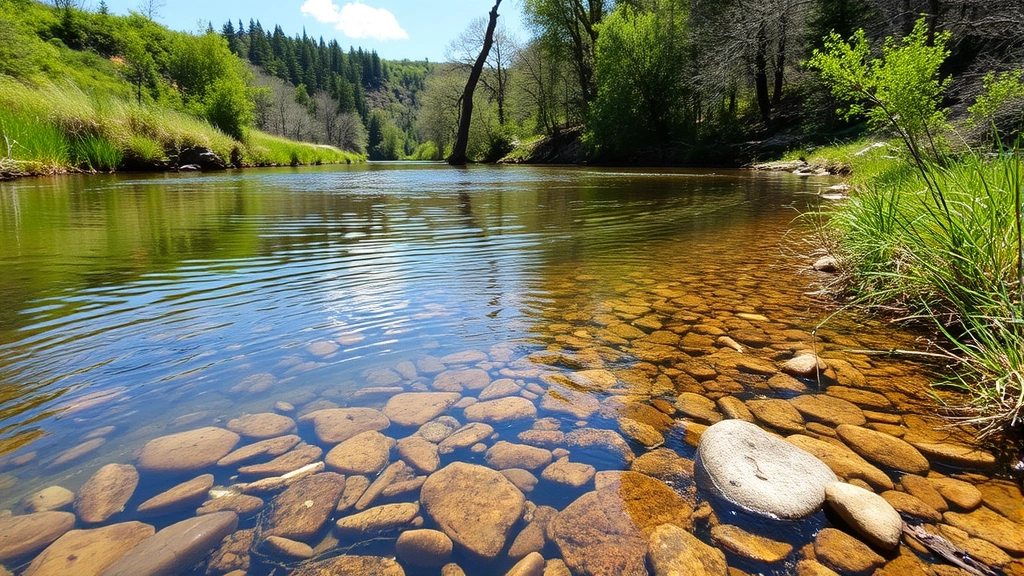
Water represents Tennessee’s most economically significant natural resource. The state contains portions of multiple major river systems including the Tennessee River, Cumberland River, and Mississippi River, supporting hydroelectric generation, industrial cooling, agricultural irrigation, and municipal supply. TDEC’s Water Resources Division manages these competing demands while maintaining ecological integrity and water quality standards.
Hydroelectric power generation exemplifies the economy-ecology nexus in Tennessee. The Tennessee Valley Authority (TVA) operates numerous dams generating approximately 30% of the region’s electricity while creating reservoirs that support recreation, navigation, and water supply. However, dam operations alter natural river flows, affecting downstream ecosystems, fish populations, and sediment dynamics. TDEC works with TVA to implement minimum flow requirements and seasonal management protocols that balance power generation with environmental protection. This collaboration demonstrates how human environment interaction can be managed through adaptive policies.
Industrial water use in Tennessee generates significant economic value. Manufacturing facilities, particularly in chemical production, paper manufacturing, and steel processing, depend on reliable water access. TDEC’s permitting process evaluates whether industrial water withdrawals and discharges maintain ecosystem functions. The agency has increasingly adopted watershed-scale management approaches, recognizing that individual permits accumulate into landscape-level impacts. This perspective aligns with ecological economics research emphasizing that natural systems have carrying capacities that economic activity must respect.
Tennessee’s agricultural sector also depends critically on water management. The state’s 10,500 farms utilize groundwater and surface water for irrigation, livestock watering, and processing. TDEC’s groundwater protection programs ensure that agricultural practices don’t contaminate aquifers essential for long-term food security and rural economic stability. Recent initiatives promoting precision agriculture and water-efficient irrigation technologies demonstrate how environmental regulation can drive economic innovation rather than simply constraining activity.
Air Quality Regulation and Industrial Growth
Air quality represents another domain where Tennessee’s TDEC negotiates between environmental protection and economic interests. The state’s Air Quality Division implements the Clean Air Act through a state implementation plan (SIP) establishing emission reduction targets and regulatory requirements. Tennessee’s industrial base—including power generation, manufacturing, and transportation—contributes substantially to air pollution while generating employment and tax revenue.
Coal-fired power plants have historically dominated Tennessee’s energy landscape, providing affordable electricity while creating air quality challenges. Particulate matter, nitrogen oxides, and sulfur dioxide from combustion contribute to respiratory disease, reduced agricultural productivity, and ecosystem acidification. TDEC’s regulations require increasingly sophisticated pollution control technologies—scrubbers, selective catalytic reduction systems, and particulate filters—that reduce emissions but increase operational costs. These regulatory choices reflect implicit valuations of environmental quality versus economic efficiency.
The agency’s approach has evolved toward recognizing that air quality investments generate economic benefits exceeding compliance costs. Research from the World Bank and environmental economics institutions documents that air pollution imposes substantial health costs—medical expenses, lost productivity, premature mortality—that often exceed industrial compliance expenses. TDEC increasingly incorporates health impact assessments into permitting decisions, valuing avoided respiratory disease and extended life expectancy alongside direct pollution reduction.
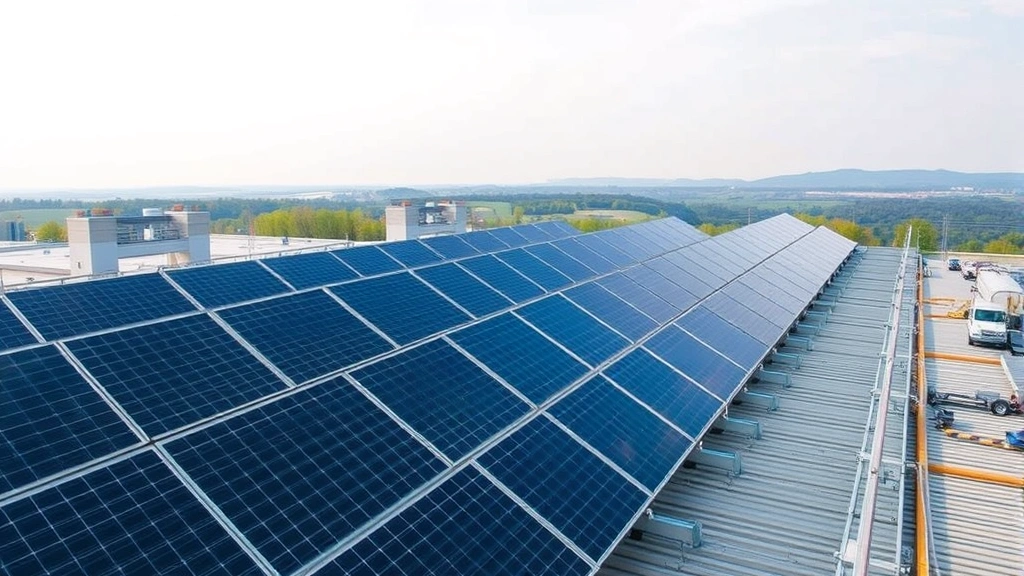
Tennessee’s transition toward renewable energy sources reflects both environmental imperatives and economic opportunities. Solar installation has expanded substantially, supported by state tax incentives and declining equipment costs. Wind resources in East Tennessee remain underdeveloped compared to other regions, but TDEC’s renewable energy programs seek to diversify the state’s power generation portfolio. This transition demonstrates how environmental regulation can catalyze economic restructuring toward more sustainable industries.
Forestry, Land Use, and Economic Sustainability
Forests cover approximately 53% of Tennessee’s land area, constituting a massive natural capital stock generating economic, ecological, and social benefits. TDEC’s Forestry Division manages state forest lands while regulating private timber harvesting through sustainable forestry standards. The timber industry contributes over $30 billion annually to Tennessee’s economy, supporting mills, equipment manufacturers, and transportation services throughout rural regions.
Sustainable forestry represents an explicit recognition that ecological health and economic productivity are compatible objectives. TDEC’s regulations require forest management plans demonstrating that harvesting operations maintain forest ecosystem functions—watershed protection, wildlife habitat, carbon sequestration—across harvest cycles. These requirements reflect ecological economics principles acknowledging that forests provide services beyond timber production: water filtration, flood mitigation, soil stabilization, and climate regulation worth billions of dollars annually.
The agency’s approach to types of environment management recognizes that Tennessee contains diverse ecosystems—old-growth forests, bottomland hardwood wetlands, limestone glades, and grasslands—each requiring specialized management. The Smoky Mountains, overlapping Tennessee and North Carolina, constitute the most visited national park in the United States, generating substantial tourism revenue dependent on forest health and scenic quality. TDEC’s policies protecting forest integrity in these regions support both ecological conservation and economic activity.
Urban and suburban forest management represents an emerging priority. As Tennessee’s metropolitan areas expand, TDEC promotes tree preservation and reforestation programs recognizing that urban forests reduce air temperatures, improve air quality, enhance property values, and provide recreational amenities. These benefits generate economic returns—reduced cooling costs, decreased air pollution health impacts, increased real estate values—justifying public investment in forest conservation even in developed landscapes.
Environmental Justice and Community Economics
TDEC has increasingly recognized that environmental quality and economic opportunity are distributed unequally across Tennessee’s communities. Low-income neighborhoods and communities of color experience disproportionate exposure to industrial pollution, waste facilities, and transportation corridors generating air and noise pollution. These environmental inequities correlate with health disparities, reduced property values, and limited economic opportunities.
The agency’s environmental justice initiatives acknowledge that equitable economic development requires equitable environmental protection. TDEC’s permitting process now incorporates environmental justice screening, identifying communities bearing disproportionate pollution burdens and ensuring that new industrial facilities don’t exacerbate existing disparities. This approach reflects emerging recognition that environmental protection and social equity are inseparable from sustainable economic development.
Community-based environmental programs demonstrate how local engagement generates both ecological and economic benefits. TDEC supports initiatives addressing urban stormwater pollution, remediating brownfield sites for redevelopment, and restoring degraded watersheds. These programs create employment in environmental remediation, construction, and monitoring while improving local environmental quality. The United Nations Environment Programme recognizes such community-centered approaches as essential for achieving sustainable development goals.
Tennessee’s coal mining legacy presents ongoing environmental justice challenges. Abandoned mines and mountaintop removal sites in East Tennessee require remediation, affecting water quality and landscape integrity in economically vulnerable regions. TDEC’s mine reclamation programs balance remediation investments with job creation, attempting to restore ecological function while supporting local economies historically dependent on coal extraction.
Climate Action and Economic Transition
Climate change represents an accelerating challenge requiring Tennessee to fundamentally restructure its energy and transportation systems. TDEC participates in state climate planning, recognizing that carbon emissions reduction and economic competitiveness need not conflict. Tennessee’s greenhouse gas emissions derive primarily from electricity generation, transportation, and industrial processes—sectors where technological innovation offers pathways toward emission reduction and economic enhancement.
The state’s renewable energy expansion demonstrates climate action’s economic potential. Solar installations create manufacturing, installation, and maintenance employment while reducing operational electricity costs for businesses and households. TDEC’s renewable energy programs, including tax incentives and interconnection standards, facilitate this transition. Research from environmental economics journals increasingly documents that clean energy investments generate more employment per dollar invested than fossil fuel energy, suggesting that climate action and job creation align.
Electric vehicle adoption represents another climate transition pathway with economic implications. As vehicle electrification expands, Tennessee’s transportation system can leverage the state’s hydroelectric and increasingly renewable electricity generation. TDEC’s programs promoting charging infrastructure development and vehicle electrification support this transition, positioning Tennessee to capture manufacturing and service employment in the emerging electric vehicle sector.
Industrial decarbonization presents more complex challenges. Energy-intensive manufacturing—steel, chemicals, cement—generates substantial emissions while providing high-wage employment in Tennessee. TDEC supports research into low-carbon production technologies, carbon capture and storage, and circular economy approaches that reduce both emissions and resource consumption. These initiatives recognize that climate action must address industrial competitiveness, not simply constrain industrial activity.
Understanding how do humans affect the environment through climate change informs TDEC’s approach to economic planning. The agency increasingly incorporates climate risk assessment into infrastructure planning, recognizing that extreme weather events—flooding, droughts, heat waves—impose substantial economic costs. Investments in climate resilience—flood management, drought-resistant agriculture, heat-resistant infrastructure—represent economically rational adaptation strategies alongside mitigation efforts.
TDEC’s climate initiatives connect to broader economic transformation toward green economy sectors. Renewable energy manufacturing, energy efficiency retrofitting, sustainable agriculture, and ecosystem restoration represent growing employment sectors offering pathways for economic development aligned with climate objectives. The agency’s policies increasingly recognize that long-term economic prosperity requires ecological stability, making environmental protection an economic imperative rather than a constraint.
FAQ
What is the Tennessee Department of Environment and Conservation’s primary mandate?
TDEC’s mandate encompasses environmental protection, natural resource management, and regulatory oversight of activities affecting Tennessee’s ecological systems. The agency implements federal environmental legislation while developing state-specific policies addressing regional environmental challenges and economic considerations. TDEC manages diverse responsibilities including water quality, air quality, forestry, parks, waste management, and archaeological resources.
How does TDEC balance environmental protection with economic development?
TDEC employs adaptive management approaches recognizing that environmental quality and economic prosperity are interdependent. The agency uses permitting processes incorporating ecosystem services valuation, watershed-scale management, and health impact assessment. Rather than viewing environmental regulation as constraining economic activity, TDEC increasingly recognizes that environmental protection drives innovation, creates employment in clean technology sectors, and prevents costly pollution-related health and infrastructure damage.
What role do Tennessee’s water resources play in the state’s economy?
Water is fundamental to Tennessee’s economy, supporting hydroelectric power generation providing approximately 30% of regional electricity, industrial manufacturing requiring cooling water, agricultural production, navigation, and recreation. TDEC manages competing water demands through permitting and coordination with agencies like the TVA, implementing minimum flow requirements protecting aquatic ecosystems while maintaining economic water use.
How is Tennessee addressing climate change through TDEC initiatives?
TDEC participates in state climate planning focusing on renewable energy expansion, electric vehicle adoption, industrial decarbonization research, and climate resilience infrastructure. The agency recognizes that climate action generates economic opportunities through clean technology employment, energy cost reduction, and resilience investments. Tennessee’s renewable energy programs and electric vehicle infrastructure development exemplify how climate mitigation and economic development align.
What is environmental justice, and how does TDEC incorporate it into decision-making?
Environmental justice recognizes that pollution burdens and environmental benefits are distributed unequally across communities, with low-income and minority communities often experiencing disproportionate exposure to industrial pollution. TDEC’s environmental justice initiatives include permitting processes incorporating environmental justice screening, community-based remediation programs, and efforts ensuring that new industrial facilities don’t exacerbate existing environmental disparities. This approach acknowledges that equitable economic development requires equitable environmental protection.
How do Tennessee’s forests contribute to both ecology and economy?
Forests cover 53% of Tennessee’s land area, supporting a timber industry contributing over $30 billion annually while providing ecosystem services including water filtration, flood mitigation, carbon sequestration, and wildlife habitat. TDEC’s sustainable forestry regulations ensure that timber harvesting maintains forest ecosystem functions across harvest cycles. Urban forests provide additional benefits including air quality improvement, temperature reduction, and property value enhancement, justifying public investment in forest conservation.
For additional information on environmental concepts, explore our resources on environmental science basics and the Ecorise Daily Blog main hub.


