
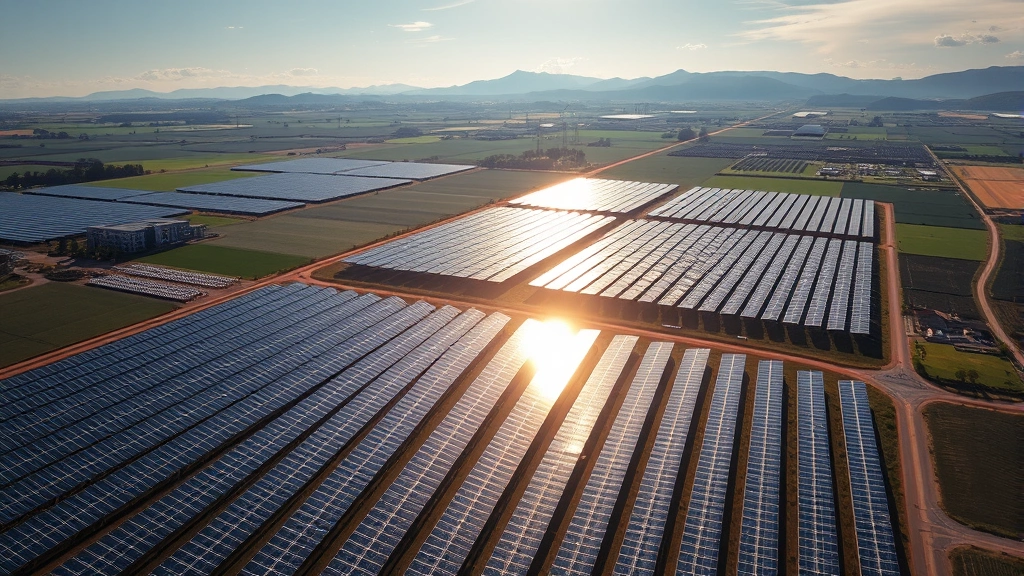
Can Green Policies Boost Economy? Economist Insights
The intersection of environmental policy and economic growth has become one of the most contentious debates in modern economics. For decades, policymakers operated under the assumption that environmental protection and economic prosperity existed in opposition—that safeguarding ecosystems required sacrificing GDP growth. However, emerging research from leading economists and international institutions increasingly challenges this false dichotomy. Green policies, when designed strategically, can simultaneously enhance environmental quality and stimulate economic activity through job creation, innovation, and resource efficiency.
This comprehensive analysis explores the multifaceted relationship between environmental regulation and economic performance, drawing on empirical evidence, theoretical frameworks, and real-world case studies. We examine how carbon pricing mechanisms, renewable energy investments, and circular economy transitions create measurable economic benefits while reducing environmental degradation. Understanding these dynamics is essential for policymakers navigating the dual imperative of climate action and economic resilience in the twenty-first century.
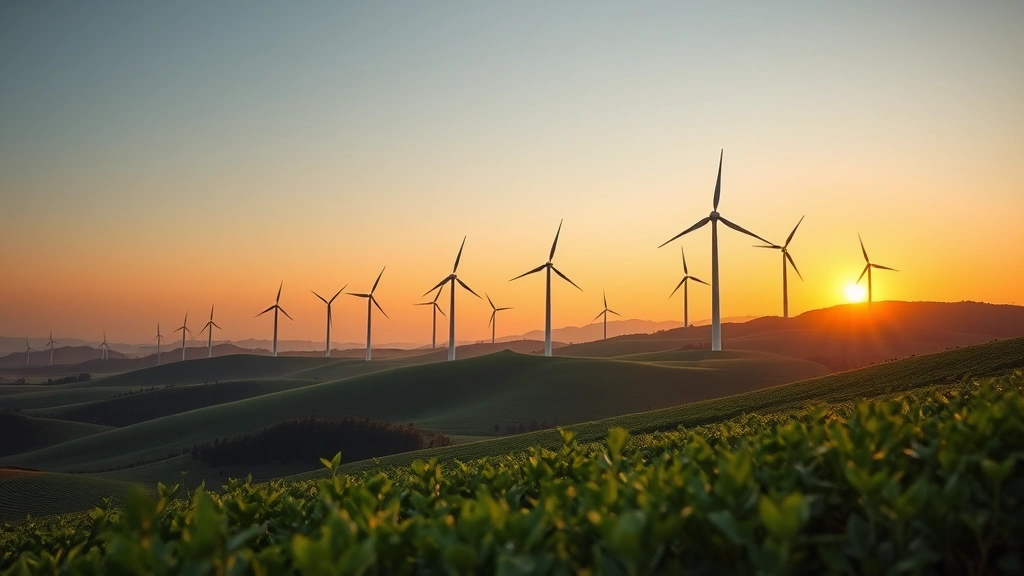
Green Policies and Economic Growth: Breaking the False Dichotomy
Traditional economic models assumed that environmental regulations impose costs on businesses without generating offsetting benefits. This perspective, rooted in twentieth-century industrial paradigms, fundamentally misunderstood the relationship between ecological health and economic productivity. Contemporary economic analysis reveals that environmental degradation creates substantial hidden costs—what economists term “externalities”—that ultimately undermine long-term prosperity.
The Porter Hypothesis, articulated by Harvard Business School professor Michael Porter, demonstrates that well-designed environmental regulations can stimulate innovation and competitive advantage. Rather than merely imposing compliance burdens, effective green policies encourage firms to develop cleaner production technologies, reduce waste, and optimize resource utilization. These improvements enhance operational efficiency, lower input costs, and generate competitive advantages in increasingly environmentally conscious markets.
Research from the World Bank indicates that countries implementing comprehensive environmental policies experience stronger long-term economic growth than those neglecting ecological protection. The mechanism operates through multiple channels: improved public health reduces healthcare expenditures, ecosystem services provide reliable resource flows, and environmental quality attracts skilled workers and investment capital. Understanding the scientific definition of environment becomes crucial when quantifying these economic relationships.
Green policies create what economists call “dynamic efficiency gains.” Rather than static cost-benefit analyses that measure immediate compliance expenses, dynamic approaches account for technological learning, economies of scale, and behavioral adaptation. Solar panel costs have declined over ninety percent in the past decade precisely because green energy policies worldwide created market demand, stimulating manufacturing innovation and economies of scale.

Job Creation Through Environmental Investment
One of the most compelling economic arguments for green policies involves employment generation. Renewable energy, energy efficiency retrofitting, sustainable agriculture, and ecosystem restoration are inherently labor-intensive sectors that cannot be outsourced. Unlike manufacturing, which has shifted to lower-wage economies, green jobs require local, skilled workers with training in emerging technologies.
The International Renewable Energy Agency reports that renewable energy employment exceeded twelve million jobs globally by 2021, with growth rates consistently outpacing fossil fuel sector employment. Solar installation, wind turbine maintenance, grid modernization, and energy storage development create diverse career pathways across skill levels. These positions typically offer wages comparable to or exceeding traditional energy sector employment while providing greater job security and growth prospects.
Green infrastructure development—including public transit systems, urban forests, green building retrofits, and water treatment facilities—generates employment multipliers. Each dollar invested in green infrastructure produces approximately 1.5 to 2.0 dollars in economic activity as workers spend wages in local communities. This multiplier effect strengthens during economic downturns when traditional stimulus measures prove less effective. Renewable energy for homes expansion particularly benefits construction and installation sectors.
Circular economy transitions—redesigning production systems to minimize waste—require workers in product design, material recovery, remanufacturing, and logistics. These emerging sectors offer opportunities for workforce development, particularly in communities dependent on declining extractive industries. Retraining programs combined with green investment create pathways for economic diversification in vulnerable regions.
Studies from the International Labour Organization document that green job creation occurs across income levels and geographic regions. Developing nations benefit particularly from renewable energy deployment, which reduces energy import costs while building domestic technical capacity. The United Nations Environment Programme estimates that green economy transitions could generate 24 million new jobs globally by 2030.
Innovation and Technological Advancement
Green policies function as powerful innovation catalysts by establishing market demand for sustainable technologies. When governments mandate emissions reductions or provide subsidies for clean energy, they create guaranteed markets that justify substantial research and development investments. This mechanism has historically accelerated technological progress across multiple sectors.
Battery technology exemplifies this dynamic. Government support for electric vehicle adoption through purchase subsidies and charging infrastructure investment created markets that attracted major technology companies and automotive manufacturers. Lithium-ion battery costs declined from approximately 1,100 dollars per kilowatt-hour in 2010 to under 140 dollars by 2023, making electric vehicles economically competitive with internal combustion engines. This cost reduction emerged directly from scaled manufacturing enabled by policy-driven demand.
Green policies stimulate innovation in complementary technologies. Renewable energy expansion requires advances in grid management, energy storage, smart metering, and demand response systems. These technologies have applications beyond the energy sector, generating spillover benefits throughout the economy. Advanced materials developed for wind turbine blades or solar panels find applications in aerospace, construction, and manufacturing.
The relationship between environmental regulation and patent generation provides quantitative evidence of innovation stimulation. Economists have documented that countries implementing strict environmental standards generate significantly more patents in clean technology than countries with lax regulations. This innovation translates into competitive advantages in global markets, as demonstrated by German, Danish, and Chinese leadership in renewable energy technology.
Private sector investment in green technology has accelerated dramatically as environmental policies establish certainty regarding future market conditions. Venture capital funding for climate technology reached 60 billion dollars in 2021, reflecting investor confidence that environmental regulations will persist and expand. This capital fuels startup ecosystems that generate disruptive innovations, creating new industries and employment categories.
Carbon Pricing and Market Efficiency
Carbon pricing mechanisms—either through carbon taxes or cap-and-trade systems—represent economically efficient approaches to environmental protection. By assigning monetary value to greenhouse gas emissions, carbon pricing internalizes externalities, enabling markets to allocate resources toward lowest-cost emissions reductions.
Economic theory demonstrates that carbon pricing generates multiple efficiency gains compared to regulatory mandates. Rather than requiring all firms to reduce emissions by identical percentages, carbon pricing allows firms to reduce emissions where marginal costs are lowest. A manufacturing facility might reduce emissions more cost-effectively than a utility, which reduces emissions more cost-effectively than a transportation company. Carbon pricing mechanisms automatically direct reduction efforts toward lowest-cost opportunities.
Revenue from carbon pricing creates opportunities for tax reform and deficit reduction. Many economists advocate for carbon tax shifting—reducing income taxes while increasing environmental taxes. This approach maintains government revenue while improving economic efficiency by taxing “bads” (pollution) rather than “goods” (productive labor). British Columbia’s carbon tax, implemented in 2008, demonstrates that carbon pricing can coexist with competitive income tax rates while reducing emissions.
Cap-and-trade systems, implemented across the European Union, California, and other jurisdictions, have generated substantial emissions reductions at lower costs than predicted. The European Union Emissions Trading System reduced covered emissions by thirty-five percent since 2005 while economic growth continued. Market participants discovered innovations and efficiency improvements that reduced compliance costs below initial estimates, demonstrating the dynamic efficiency gains from market-based mechanisms.
Carbon pricing also facilitates international competitiveness. Border carbon adjustment mechanisms—tariffs on imports from countries with weaker climate policies—prevent carbon leakage and create incentives for global policy harmonization. These mechanisms ensure that green policy adoption doesn’t disadvantage domestic industries competing against imports produced under weaker environmental standards.
Case Studies: Success Stories in Green Economics
Denmark provides a compelling case study of green policy success. Since 1980, Denmark implemented comprehensive renewable energy policies, including feed-in tariffs guaranteeing prices for wind energy producers. Today, wind energy comprises over eighty percent of Denmark’s electricity generation. Rather than weakening the economy, Denmark maintains one of Europe’s highest per-capita incomes while achieving dramatic emissions reductions. The renewable energy sector employs approximately thirty thousand workers in a nation of 5.8 million, demonstrating substantial job creation.
Germany’s Energiewende (energy transition) represents another instructive example. Germany committed to phasing out nuclear and fossil fuels while dramatically expanding renewable energy. Despite initial predictions of economic catastrophe, Germany maintained economic growth while increasing renewable energy from three percent of electricity generation in 2000 to over fifty percent by 2023. The renewable energy sector now employs over 300,000 workers, exceeding coal industry employment.
Costa Rica demonstrates that developing nations can achieve green economic growth. Through aggressive reforestation and renewable energy investment, Costa Rica generates over ninety-eight percent of electricity from renewable sources while maintaining tourism-based prosperity. The country preserved forest ecosystems, which provide ecosystem services including carbon sequestration, water purification, and biodiversity conservation, while building a competitive economy.
China’s renewable energy investments, despite broader environmental governance challenges, illustrate the economic dynamics of green policy at scale. China leads global renewable energy investment, deploying solar and wind capacity that generates millions of jobs while reducing coal dependence. These investments create economic opportunities in manufacturing, installation, and maintenance sectors, supporting economic transition in coal-dependent regions.
Sweden’s carbon tax, implemented in 1991, reduced emissions by twenty-seven percent while GDP grew eighty-two percent over thirty years. The tax created incentives for biomass energy development, district heating expansion, and industrial efficiency improvements. Sweden now achieves some of Europe’s lowest emissions while maintaining high living standards, demonstrating that ambitious climate policy and economic prosperity are compatible.
Challenges and Implementation Barriers
Despite compelling economic arguments for green policies, implementation faces substantial obstacles. Political economy dynamics often favor incumbent industries with concentrated interests over diffuse environmental benefits. Fossil fuel industries, established through decades of infrastructure investment and political influence, actively resist policies threatening their market dominance.
Transition costs create legitimate concerns for workers and communities dependent on carbon-intensive industries. Coal miners, oil workers, and fossil fuel industry employees face genuine employment disruption. Effective green policy requires substantial investments in workforce development, income support during transitions, and community economic diversification. Policymakers must address these distributional consequences through just transition programs that compensate affected workers and communities.
Policy uncertainty undermines investment in green technologies. Inconsistent political support for renewable energy subsidies, inconsistent carbon pricing, and reversals of environmental regulations create investment risk that raises capital costs for green projects. Establishing durable, bipartisan green policy frameworks that persist across political transitions enhances investor confidence and reduces project financing costs.
Upfront capital requirements for green infrastructure exceed initial fossil fuel investments, though lifecycle costs favor renewable energy. Financing mechanisms must address this temporal mismatch, providing patient capital for long-term green infrastructure projects. Green bonds, development banks, and public financing mechanisms help overcome capital constraints that otherwise impede green transitions.
Rebound effects—where efficiency improvements lead to increased consumption—potentially offset some emissions reduction benefits. More efficient vehicles might encourage additional driving; lower energy costs might increase heating or cooling. However, empirical evidence suggests rebound effects remain modest, typically offsetting only twenty to thirty percent of efficiency gains. This reality doesn’t eliminate climate benefits but requires complementary policies addressing consumption patterns.
Long-term Economic Benefits of Ecosystem Protection
Beyond immediate job creation and innovation benefits, green policies generate substantial long-term economic value through ecosystem protection. Natural capital—forests, wetlands, coral reefs, and other ecosystems—provides services essential to human prosperity and economic activity. These ecosystem services include pollination, water purification, climate regulation, flood control, and nutrient cycling.
The World Bank’s natural capital accounting reveals that ecosystem services provide economic value exceeding global GDP. Forests alone provide pollination, water regulation, and carbon storage worth trillions annually. Yet traditional economic accounting ignores these values, treating ecosystem destruction as economically beneficial when it generates short-term extraction revenues.
Green policies protecting ecosystems generate compound economic benefits over decades. Forest conservation prevents soil erosion, maintains water supplies, and preserves biodiversity with genetic resources for agricultural and pharmaceutical innovation. Wetland protection reduces flood damages, improves water quality, and supports fisheries. Coral reef conservation maintains fisheries supporting millions of workers and protects coastlines from storm surge.
Climate stability, the ultimate ecosystem service, underpins all economic activity. Uncontrolled climate change generates catastrophic economic costs—agricultural disruption, infrastructure damage, health system strain, and mass migration. The Stern Review on the economics of climate change estimated that unmitigated climate change could reduce global GDP by five to twenty percent permanently. Green policies preventing such outcomes generate economic value dwarfing implementation costs.
Understanding the definition of environment and environmental science clarifies how ecosystem protection constitutes economic strategy rather than luxury. Biodiversity conservation, water protection, and climate stability are foundational to long-term prosperity. Green policies investing in these foundations generate returns exceeding conventional infrastructure investment.
Resilience benefits from green infrastructure provide additional economic value. Green roofs reduce urban heat island effects, lowering air conditioning costs while improving public health. Urban forests reduce stormwater runoff, lowering flood damages and water treatment costs. These distributed benefits accumulate across communities, reducing systemic economic vulnerabilities.
The transition to circular economies—where products are designed for durability, repairability, and material recovery—generates efficiency gains throughout production systems. How to reduce carbon footprint strategies frequently involve circular economy principles that simultaneously reduce environmental impact and lower production costs. Extended producer responsibility policies incentivize product redesign that reduces material inputs and manufacturing complexity.
Sustainable agriculture practices—regenerative farming, agroforestry, and integrated pest management—improve soil health while reducing input costs. These practices enhance long-term productivity while reducing chemical dependencies. Sustainable fashion brands demonstrate that environmental responsibility attracts premium prices and customer loyalty, generating competitive advantages in quality-conscious markets.
FAQ
Do green policies reduce economic growth?
Empirical evidence contradicts this assumption. Countries implementing comprehensive green policies—Denmark, Germany, Sweden, Costa Rica—maintain competitive economies while achieving dramatic emissions reductions. Green policies stimulate innovation, create employment, and prevent catastrophic climate damages that would devastate long-term growth. Short-term transition costs exist, but long-term economic benefits substantially exceed implementation expenses.
How do green policies create jobs?
Renewable energy, energy efficiency, sustainable agriculture, and ecosystem restoration are inherently labor-intensive sectors requiring local workers. These sectors cannot be outsourced and offer diverse career pathways. Green infrastructure investment generates employment multipliers as workers spend wages locally. International evidence indicates that green sectors create jobs faster than fossil fuel sectors and offer greater long-term employment security.
What is carbon pricing and how does it help the economy?
Carbon pricing assigns monetary value to greenhouse gas emissions through taxes or cap-and-trade systems. This approach internalizes environmental costs, enabling markets to allocate resources toward lowest-cost emissions reductions. Carbon pricing generates revenue for tax reform, reduces economic inefficiencies from pollution, and creates market certainty that stimulates green innovation investment.
Which countries have successfully implemented green policies?
Denmark, Germany, Sweden, Costa Rica, and Norway demonstrate successful green policy implementation. These nations achieve high renewable energy penetration, substantial emissions reductions, and competitive economies. Their experiences demonstrate that ambitious environmental policy compatible with prosperity when designed to stimulate innovation and investment.
What barriers prevent green policy adoption?
Political economy dynamics favor incumbent industries with concentrated interests. Transition costs create legitimate concerns for affected workers and communities. Policy uncertainty undermines investment. Upfront capital requirements exceed immediate fossil fuel costs. Addressing these barriers requires just transition programs, durable policy frameworks, and financing mechanisms supporting green infrastructure investment.
How do green policies benefit ecosystems and economies simultaneously?
Ecosystem services—pollination, water purification, climate regulation, flood control—provide economic value exceeding global GDP. Green policies protecting ecosystems prevent catastrophic climate damages, maintain agricultural productivity, and preserve genetic resources. Long-term economic prosperity depends on ecosystem health, making environmental protection economically rational rather than discretionary.