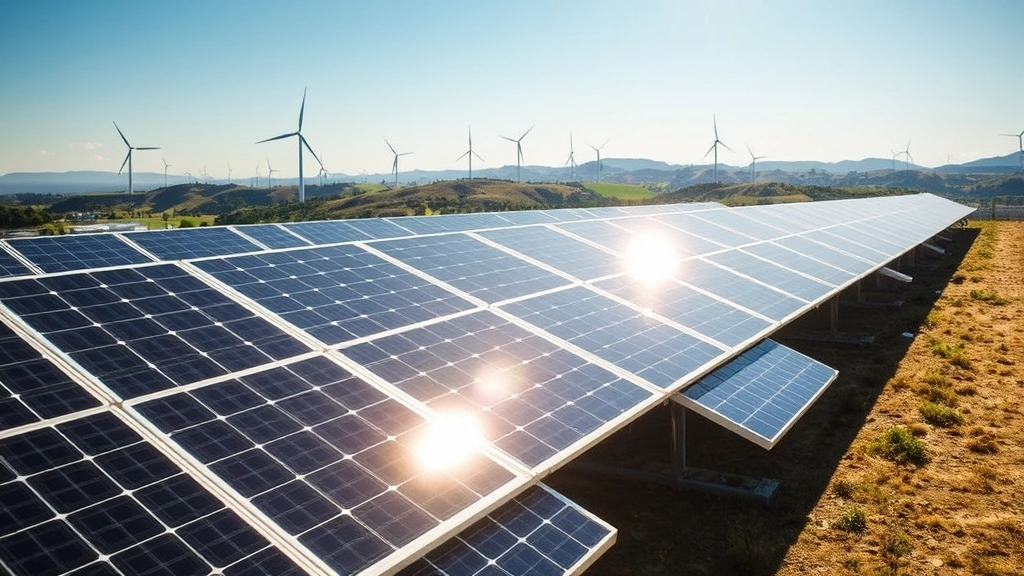
Is Green Energy Economically Viable? Data Insights
The transition to renewable energy represents one of the most significant economic transformations of our era. As global energy demand continues to rise and climate pressures intensify, policymakers and investors increasingly ask whether green energy can compete financially with fossil fuels. Recent data reveals a compelling answer: renewable energy has not only become economically viable but is rapidly becoming the most cost-effective energy source available. This shift reshapes our understanding of energy economics and challenges the traditional assumption that environmental responsibility requires economic sacrifice.
Understanding the economic viability of green energy requires examining multiple dimensions: capital costs, operational expenses, externality valuations, employment generation, and long-term price stability. The evidence demonstrates that when comprehensive economic analysis replaces outdated cost comparisons, renewable energy emerges as the rational economic choice, not merely an environmental one. This transformation reflects technological advancement, manufacturing scale efficiencies, and increasingly sophisticated understanding of hidden fossil fuel costs.
The Cost Revolution in Renewable Energy
Over the past decade, renewable energy costs have experienced unprecedented declines. Solar photovoltaic (PV) costs have dropped approximately 90 percent since 2010, while wind energy costs have fallen roughly 70 percent. These reductions fundamentally altered energy economics worldwide. The levelized cost of electricity (LCOE)—the average cost per unit of electricity generated over a technology’s lifetime—now favors renewables in most markets globally.
The International Renewable Energy Agency reports that in 2022, new renewable capacity additions achieved lower LCOE values than fossil fuel alternatives in virtually every region examined. Solar energy achieved the lowest average LCOE globally, at approximately $38 per megawatt-hour, compared to coal at $60-150 per megawatt-hour and natural gas at $55-150 per megawatt-hour. This economic advantage continues expanding as renewable technologies mature and manufacturing scales increase.
Capital cost reductions stem from multiple factors. Manufacturing efficiency improvements, supply chain optimization, and increased competition among manufacturers drive down equipment costs. Technological innovations—including more efficient solar cells, larger wind turbines capturing stronger upper-atmosphere winds, and improved materials—enhance energy capture and conversion. Government support through research funding and manufacturing incentives accelerated learning curves, enabling faster cost reductions than historical precedent suggested possible.
The economic viability discussion also encompasses operational expenses. Renewable energy sources require minimal fuel costs—the wind and sun are free—whereas fossil fuel plants must continuously purchase coal, natural gas, or oil. This operational advantage compounds over decades of operation, making renewable energy increasingly attractive from a total cost perspective. Maintenance costs for renewables remain relatively low and predictable, enabling accurate long-term financial projections.
Comparative Economics: Renewables vs. Fossil Fuels
Direct economic comparison requires examining complete lifecycle costs. When utilities evaluate new generation capacity, they increasingly select renewables based purely on economic merit, without subsidies. This represents a fundamental market shift—renewables no longer require price supports to compete; they win on financial grounds alone.
Consider a comprehensive analysis: a new coal plant requires substantial capital investment ($3-5 billion for large facilities), generates operational fuel costs throughout its 40-50 year lifespan, and faces increasing regulatory compliance expenses as environmental standards tighten. Decommissioning costs, often underestimated, add further expenses. Solar and wind installations require upfront capital investment but virtually eliminate fuel costs and offer straightforward decommissioning procedures.
The World Bank emphasizes that energy economics must incorporate environmental and health externalities. Fossil fuel combustion generates air pollution causing respiratory disease, cardiovascular mortality, and reduced productivity—costs typically borne by society rather than energy producers. When these externalities are properly valued and incorporated into energy pricing, fossil fuels become substantially more expensive than apparent market prices suggest.
Battery storage technology advancement further strengthens renewable economics. As storage costs decline—dropping 89 percent since 2010—renewable energy becomes increasingly dispatchable, addressing the intermittency concern that historically challenged renewable viability. Modern grid management systems optimize renewable generation patterns, reducing storage requirements compared to earlier scenarios. This technological synergy makes renewable-dominant grids increasingly economically rational.
Financial institutions increasingly recognize renewable energy’s superior economic performance. Banks and investment funds redirect capital toward renewables, recognizing lower financial risk and more predictable returns compared to fossil fuel investments facing regulatory uncertainty, carbon pricing risks, and stranded asset potential.
Hidden Costs of Conventional Energy
Traditional energy economic analysis often excludes costs that society bears rather than energy producers. Air pollution from fossil fuel combustion imposes massive health burdens. The World Health Organization estimates air pollution causes approximately 7 million premature deaths annually, with fossil fuel combustion contributing substantially. Associated healthcare costs, lost productivity, and reduced quality of life represent economic costs absent from utility bills.
Climate change impacts—extreme weather events, agricultural disruption, ecosystem degradation, and infrastructure damage—generate enormous economic costs. These represent classic externalities: costs imposed on society that market prices don’t reflect. When comprehensive climate damage valuations are incorporated into energy cost calculations, fossil fuels become dramatically more expensive than renewables.
Water usage represents another hidden cost. Coal and nuclear plants require enormous water quantities for cooling, stressing water resources in many regions. Fossil fuel extraction damages water quality and availability. Renewable energy—particularly solar and wind—uses negligible water, representing significant advantages in water-stressed regions. This becomes increasingly important as water scarcity affects economic productivity globally.
Mining and extraction costs extend beyond direct expenses. Environmental restoration, worker health impacts, and ecosystem damage from coal, oil, and uranium mining represent substantial costs often externalized. Renewable energy manufacturing requires mineral inputs, but distributed manufacturing and recycling potential reduce lifecycle impacts compared to continuous fossil fuel extraction.
Regulatory and compliance costs continue rising for fossil fuels. Carbon pricing mechanisms, emissions regulations, and increasingly stringent environmental standards drive up fossil fuel operational costs. Conversely, renewable energy faces minimal regulatory cost burdens, creating widening economic gaps favoring clean energy.
The concept of human environment interaction illuminates how energy choices reflect broader economic relationships with natural systems. Renewable energy represents economic systems aligned with ecological sustainability, while fossil fuel dependence reflects extractive economics externalizing environmental costs.

Employment and Economic Growth
Green energy expansion generates substantial employment opportunities across manufacturing, installation, maintenance, and grid management sectors. Renewable energy industries employ more workers per unit energy produced than fossil fuel sectors. Solar installation, wind turbine manufacturing, and battery production create skilled jobs often located in communities transitioning from fossil fuel dependence.
Economic analysis demonstrates renewable energy development stimulates local economies. Manufacturing facilities, supply chains, and installation services generate tax revenue and community investment. Unlike fossil fuel extraction concentrated in specific regions, renewable energy development disperses economic benefits more broadly, potentially reducing regional inequality.
Workforce transition represents an important economic consideration. As energy systems shift, workers historically employed in coal mining and fossil fuel industries require retraining and economic support. Comprehensive green energy economic analysis must include just transition costs ensuring affected workers and communities benefit from energy transformation rather than bearing disproportionate burdens.
Global renewable energy employment exceeded 12 million workers in 2021, surpassing fossil fuel sector employment in many developed economies. This employment expansion contributes to economic growth, consumer spending, and tax generation. Energy-related employment shifts represent significant economic restructuring, but evidence suggests net job creation across comprehensive economic assessment.
Skills development and education represent important economic investments. Renewable energy sectors require specialized training in solar installation, wind turbine maintenance, battery technology, and grid management. Educational institutions adapting curricula to green energy demands create human capital advantages for regions prioritizing renewable transition.
Investment Trends and Market Dynamics
Global investment patterns reveal market confidence in renewable energy economics. In 2021, renewable energy received approximately $300 billion in global investment, exceeding fossil fuel investment for the first time. This capital reallocation reflects investor recognition that renewable energy offers superior long-term returns with lower financial risk.
Institutional investors—pension funds, insurance companies, and university endowments—increasingly divest from fossil fuels while expanding renewable portfolios. This reflects fiduciary responsibility: financial analysis demonstrates fossil fuel investments face stranded asset risk as energy systems transition. Renewable energy investments align financial performance with energy transition inevitability.
Corporate renewable energy procurement accelerates as companies recognize economic advantages. Major technology firms, manufacturers, and retailers execute power purchase agreements with renewable generators, securing long-term price stability unavailable in volatile fossil fuel markets. This corporate demand drives renewable expansion independent of government policy support.
The United Nations Environment Programme reports that renewable energy investment increasingly flows toward developing economies, democratizing energy access while building economic capacity. Solar and wind technology scalability enables distributed generation in regions lacking centralized fossil fuel infrastructure, potentially accelerating economic development in underserved areas.
Financial innovation—including green bonds, renewable energy funds, and blended finance mechanisms—mobilizes capital for green energy projects. Declining renewable technology costs reduce financial barriers, enabling smaller-scale projects and broader participation. This financial accessibility enhances economic viability by distributing investment opportunities across diverse stakeholders.
Grid Integration and Infrastructure Economics
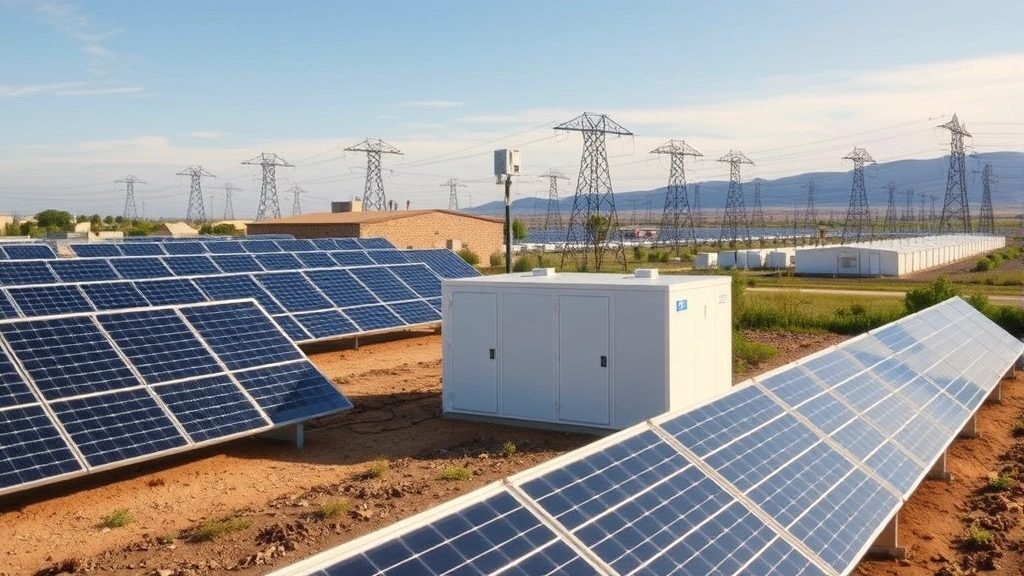
Modern grid economics increasingly favors renewable energy integration. Smart grid technologies, demand management systems, and advanced forecasting optimize renewable generation patterns, reducing storage requirements and associated costs. Grid modernization investments enable higher renewable penetration without sacrificing reliability or economic efficiency.
Distributed generation—rooftop solar and community wind projects—reduces transmission losses and infrastructure costs compared to centralized generation. Microgrids and local generation networks enhance energy security while reducing transmission infrastructure requirements. These distributed models offer economic advantages, particularly in developing regions with limited existing infrastructure.
The economic case for types of environment management includes energy system resilience. Diversified renewable portfolios reduce vulnerability to fuel price volatility and supply disruptions affecting fossil fuel systems. Energy security economics increasingly favor renewable systems offering price stability and domestic resource availability.
Grid balancing services represent emerging economic opportunities. As renewable penetration increases, balancing services—managing supply-demand mismatches—become increasingly valuable. Battery storage, demand response programs, and flexible generation create new markets and economic value streams supporting renewable transition economics.
Infrastructure modernization costs, while substantial, represent one-time investments enabling long-term economic benefits. Comparing modernization expenses against decades of operational savings reveals net economic advantages. Grid upgrades supporting renewable integration generate returns through operational efficiency, reduced losses, and enhanced reliability.
Regional Variations and Economic Context
Green energy economic viability varies significantly across regions based on resource availability, existing infrastructure, labor costs, and economic development levels. Solar-rich regions achieve rapid renewable deployment with minimal storage requirements. Wind-abundant areas leverage strong wind resources for economically optimal generation. Understanding regional context proves essential for realistic economic assessment.
Developing economies face different economic calculations than developed nations. Lower labor costs reduce renewable installation expenses, while limited existing infrastructure enables leapfrogging to modern renewable systems without replacing fossil fuel infrastructure. These factors often make renewable energy particularly economically attractive in developing regions despite lower absolute capital availability.
The concept of definition of environment science encompasses economic systems as environmental factors. Regional economic structures—industrial composition, energy intensity, economic growth rates—influence renewable energy viability and optimal deployment strategies. Comprehensive economic analysis requires understanding how energy systems interact with regional economic contexts.
Energy costs represent significant budget components for households and businesses in developing regions. Renewable energy’s operational cost advantages provide particular economic benefits for price-sensitive populations. Distributed solar systems offer energy access to populations lacking grid connection, enabling economic development previously constrained by energy unavailability.
Cold climate regions face different renewable economics than temperate areas. Wind resources often prove exceptional, while solar resources may be limited. Regional renewable assessment must match available resources to deployment opportunities, optimizing economic returns based on local conditions rather than assuming uniform renewable viability across geographies.
Policy frameworks significantly influence regional renewable economics. Supportive policies—feed-in tariffs, renewable portfolio standards, investment tax credits—accelerate deployment and cost reductions. Conversely, fossil fuel subsidies artificially suppress renewable competitiveness. Policy-corrected economics reveal renewables’ true economic advantage more clearly than subsidized fossil fuel markets.
The relationship between how do humans affect the environment and energy economics becomes apparent when examining regional transformation. Areas transitioning to renewable energy demonstrate reduced environmental degradation alongside improved economic performance, supporting the thesis that environmental responsibility and economic prosperity align rather than conflict.
International climate finance mechanisms increasingly support renewable deployment in developing regions, addressing economic barriers while enabling climate mitigation. These mechanisms recognize that renewable energy economics improve with scale and experience; supporting early deployment accelerates global cost reductions benefiting all economies. This represents economically rational climate investment strategy.
FAQ
What is the current cost comparison between renewable and fossil fuel energy?
Renewable energy—particularly solar and wind—now offers lower levelized costs than fossil fuels in most global markets. Solar LCOE averages $38/MWh globally, substantially below coal ($60-150/MWh) and natural gas ($55-150/MWh). This advantage continues expanding as renewable technologies mature while fossil fuel costs remain volatile.
How do hidden costs affect fossil fuel economics?
Fossil fuel combustion generates air pollution, climate change impacts, water damage, and mining externalities costing trillions annually. When these costs are properly valued and incorporated into energy pricing, fossil fuels become far more expensive than conventional market prices suggest. Comprehensive economic analysis reveals renewable energy’s true cost advantage.
Does renewable energy create sufficient employment?
Renewable energy employment exceeds 12 million workers globally and grows rapidly. Solar and wind sectors generate more jobs per unit energy than fossil fuels. While workforce transition requires careful management, comprehensive analysis demonstrates net job creation and economic growth from renewable energy expansion.
How does battery storage affect renewable economics?
Battery storage costs have declined 89 percent since 2010, making storage economically viable for grid management. Advancing storage technology addresses intermittency concerns, enabling renewable-dominant grids without excessive storage requirements. Storage advances substantially improve renewable energy’s economic viability and grid reliability.
Are renewable investments financially secure?
Renewable energy investments increasingly attract institutional capital based on superior financial returns and lower risk profiles. Predictable operational costs, long asset lifespans, and declining technology prices create stable cash flows. Fossil fuel investments face stranded asset risks as energy systems transition, making renewables the financially prudent choice.
How do regional differences affect renewable viability?
Renewable viability varies by resource availability—solar-rich and wind-abundant regions achieve optimal economics fastest. Developing economies often find renewables particularly attractive due to lower labor costs and infrastructure advantages. Comprehensive economic analysis must account for regional context while recognizing universal trends favoring renewable deployment.
What role do government policies play in renewable economics?
Supportive policies accelerate renewable deployment and cost reductions, while fossil fuel subsidies artificially suppress competitiveness. Policy-corrected economics reveal renewable advantages more clearly. International climate finance mechanisms support developing region deployment, recognizing that early renewable investment generates global benefits through cost reduction and climate mitigation.


