Can Green Economy Boost GDP? Economist’s Insight
The intersection of environmental sustainability and economic growth has become one of the most pressing questions in modern economics. For decades, policymakers faced a false dichotomy: choose between protecting the environment or achieving robust GDP growth. However, emerging evidence from ecological economics suggests that green economy strategies can simultaneously enhance environmental outcomes and drive measurable economic expansion. This paradigm shift challenges conventional wisdom and opens new pathways for sustainable development.
Understanding whether a green economy can boost GDP requires examining the mechanisms through which environmental investments translate into economic returns, the empirical evidence from leading green economies, and the structural barriers that still hinder widespread adoption. The answer is nuanced but increasingly affirmative, supported by data from multiple sectors and regions worldwide.
Defining the Green Economy and GDP Growth
The green economy represents an economic system designed to reduce environmental risks and ecological scarcities while maintaining or improving human well-being and social equity. According to the United Nations Environment Programme (UNEP), it encompasses investments in renewable energy, sustainable agriculture, ecosystem restoration, and clean technologies that minimize resource depletion and pollution.
Gross Domestic Product (GDP) measures the total monetary value of goods and services produced within a country during a specific period. Traditionally, GDP growth has been decoupled from environmental considerations, leading to degradation of natural capital. However, green economy models propose that environmental stewardship can be economically profitable, creating what economists call a “win-win” scenario where ecological preservation drives economic expansion.
The human-environment interaction fundamentally shapes economic productivity. When environmental systems function optimally—clean water, fertile soil, stable climate—they provide ecosystem services worth trillions annually. Conversely, environmental degradation imposes substantial costs through healthcare expenses, infrastructure damage, and lost productivity.
Mechanisms of Economic Expansion Through Green Investment
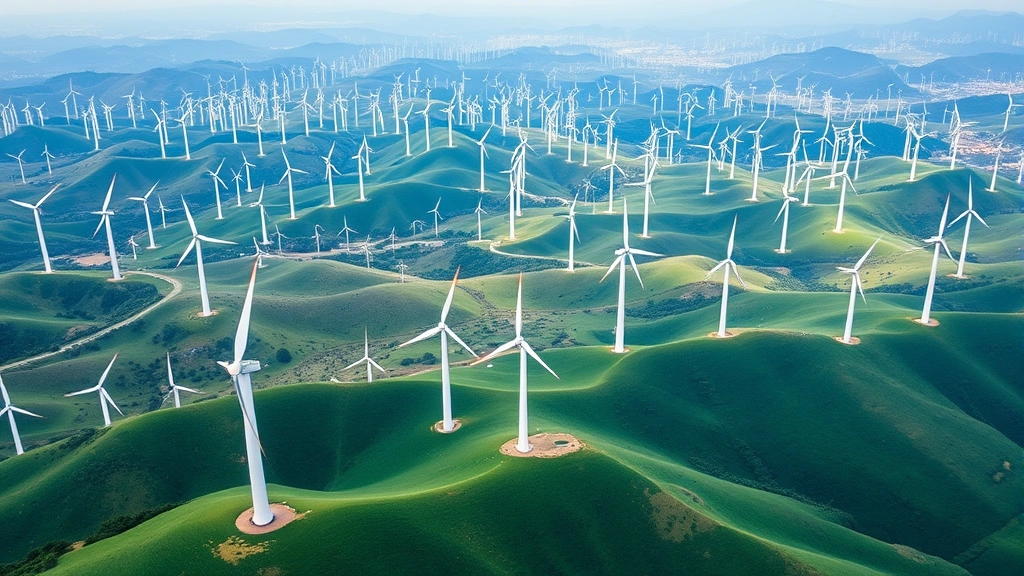
Green economy investments create GDP growth through multiple interconnected mechanisms. First, renewable energy infrastructure development requires massive capital deployment. Installing solar panels, wind turbines, and battery storage systems generates immediate construction employment, manufacturing demand, and supply chain activities. Unlike fossil fuel extraction, renewable energy infrastructure remains geographically distributed, benefiting local communities directly.
The strategies to reduce carbon footprint often involve technological innovation and efficiency improvements that lower operational costs long-term. Businesses investing in energy efficiency, waste reduction, and circular economy practices typically experience improved profit margins after initial capital expenditure. This creates positive feedback loops where environmental investments enhance competitiveness.
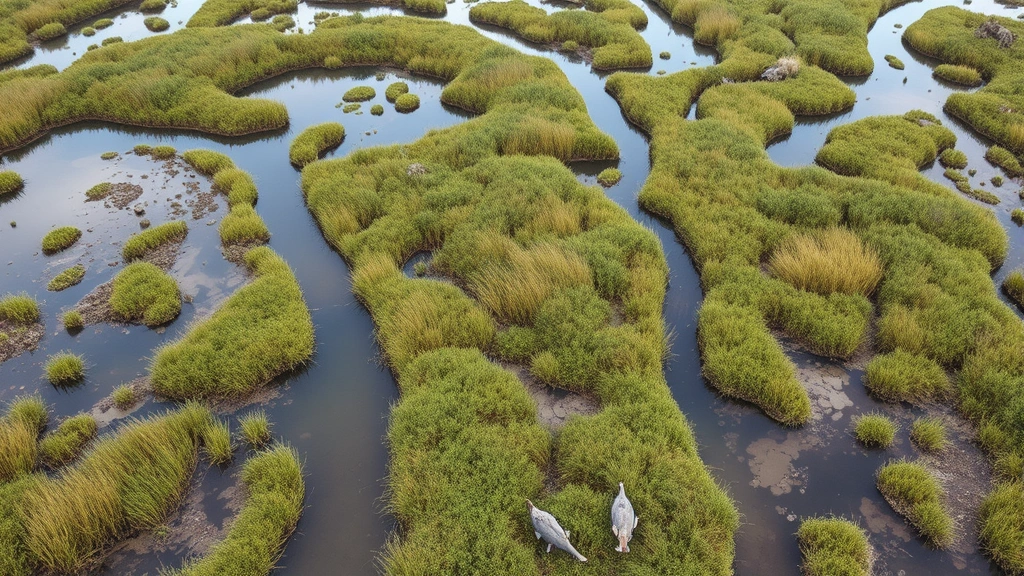
Second, ecosystem restoration and natural capital preservation generate substantial economic returns. Wetland restoration reduces flooding costs, forest conservation prevents erosion and landslides, and coral reef protection sustains fisheries. The World Bank estimates that every dollar invested in ecosystem restoration returns four to fifteen dollars in economic benefits through avoided disaster costs and sustained resource availability.
Third, green economy transitions stimulate innovation and technological advancement. Research and development in clean technology, sustainable materials, and efficiency solutions creates high-value employment in engineering, design, and software development. These sectors typically offer above-average wages and contribute disproportionately to productivity growth.
Fourth, consumer demand for sustainable products opens entirely new market segments. The renewable energy for homes sector and sustainable fashion brands demonstrate how environmental consciousness translates into commercial opportunity. Global sustainable products markets are expanding at 5-10% annually, significantly outpacing conventional product categories.
Empirical Evidence from Leading Green Economies
Denmark provides compelling evidence that green economy strategies enhance GDP growth. With 80% of electricity from renewable sources, Denmark maintains one of Europe’s highest per-capita incomes while achieving dramatic emissions reductions. The country’s wind energy sector generates €7 billion annually and employs over 27,000 workers.
Costa Rica demonstrates that environmental conservation and economic development are compatible. Despite dedicating 99% of electricity generation to renewables, the nation achieved 3.5% average annual GDP growth from 2010-2019, substantially exceeding Latin American averages. Tourism revenues tied to environmental preservation contribute significantly to national income.
Germany’s Energiewende (energy transition) invested €200 billion in renewable infrastructure, creating 300,000 jobs in renewable energy sectors. While transition costs existed, economic modeling by the Fraunhofer Institute demonstrates net positive GDP impacts once infrastructure deployment completes.
Research from the World Bank analyzing 130 countries found that environmental regulations and green investments correlate with higher long-term GDP growth rates. Nations implementing comprehensive environmental policies experienced 0.5-2.5% additional annual growth compared to baseline scenarios, with benefits accelerating over decades.
China’s renewable energy investments, despite economic inefficiencies in implementation, have generated 4 million jobs in solar and wind sectors, contributing measurably to GDP growth while reducing air pollution costs that previously exceeded 4% of annual GDP.
Job Creation and Labor Market Dynamics
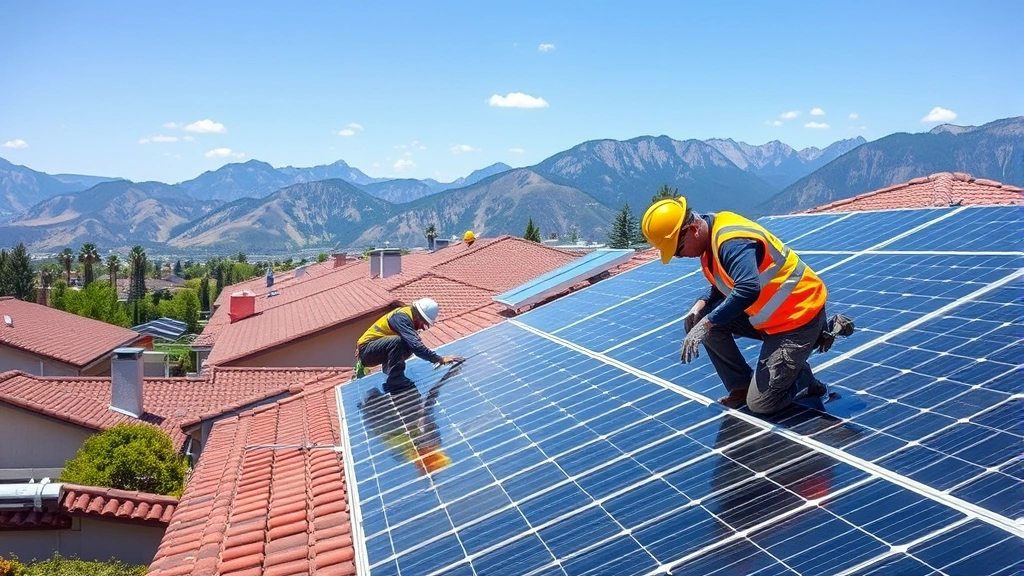
Employment generation represents perhaps the most tangible GDP contribution from green economies. Renewable energy sectors create 2-3 times more jobs per dollar invested compared to fossil fuel industries. Installing solar panels, maintaining wind turbines, and retrofitting buildings all require skilled labor that cannot be outsourced.
The International Renewable Energy Agency (IRENA) reports that renewable energy employment exceeded 12 million globally in 2021, with growth rates of 5-7% annually. These positions typically offer middle-class wages, job security, and career advancement opportunities, contributing to consumer spending and tax revenues that support GDP growth.
Green economy transitions also create quality employment in overlooked sectors. Ecological restoration employs ecologists, technicians, and laborers in reforestation, wetland creation, and wildlife management. Sustainable agriculture generates farmer income through premium pricing for certified products. Building energy efficiency retrofits employ architects, engineers, and construction workers.
The multiplier effect amplifies initial employment gains. Workers in renewable energy sectors spend wages on housing, food, transportation, and services, stimulating demand throughout local economies. Studies indicate that each job in renewable energy generates 1.5-2 additional jobs in supporting industries.
Challenges and Structural Barriers
Despite compelling evidence, significant barriers prevent rapid green economy expansion. First, fossil fuel subsidies globally total approximately $7 trillion annually when including environmental externality costs. These artificial price supports distort markets, making renewable energy appear more expensive than actual comparative costs justify. Removing subsidies would dramatically accelerate green economy transitions.
Second, scientific understanding of environmental systems reveals that transition timelines are constrained by physical infrastructure lifespans. Coal plants, petroleum refineries, and natural gas infrastructure represent capital investments expected to operate 30-50 years. Premature retirement imposes stranded asset costs that create political resistance.
Third, capital market imperfections limit green investment access. Renewable energy projects often require upfront capital with long payback periods, creating financing challenges for developing nations and small enterprises. Interest rates fail to reflect risk reduction from mature technologies, making green investments appear riskier than historical data supports.
Fourth, labor transition challenges create legitimate concerns. Workers in fossil fuel industries face displacement without guaranteed alternative employment. While green sectors create more total jobs, geographic and skills mismatches mean affected workers may experience extended unemployment or wage reductions, necessitating robust transition support policies.
Fifth, supply chain vulnerabilities in green technology manufacturing create dependencies. Solar panel production concentrates in specific regions, battery manufacturing relies on mineral extraction with environmental costs, and wind turbine supply chains involve complex global logistics.
Policy Frameworks for Green GDP Growth
Effective policy frameworks accelerate green economy transitions while maximizing GDP benefits. Carbon pricing mechanisms—either tax-based or cap-and-trade systems—internalize environmental costs into market prices, making green alternatives economically competitive. The EU Emissions Trading System demonstrates that carbon pricing can simultaneously reduce emissions and maintain economic growth.
Strategic public investment in green infrastructure provides essential foundation. Government financing of renewable energy grids, public transportation systems, and research facilities addresses market failures that prevent private investment. This approach mirrors successful historical precedents including highway systems, electricity grids, and internet infrastructure that generated substantial economic returns.
Educational and workforce development initiatives ensure labor market transitions occur smoothly. Training programs preparing workers for renewable energy, ecosystem restoration, and sustainable agriculture sectors reduce unemployment costs and accelerate productivity gains. Germany’s dual education system successfully transitioned manufacturing workers into renewable energy sectors.
Regulatory standards establishing minimum environmental performance requirements level competitive playing fields. Building codes mandating energy efficiency, vehicle emission standards, and industrial pollution limits eliminate races-to-the-bottom dynamics that previously rewarded environmental degradation.
International cooperation and technology transfer accelerate global green economy transitions. Developing nations accessing renewable energy technologies at reduced costs can leapfrog fossil fuel infrastructure, achieving higher growth rates while avoiding lock-in effects of carbon-intensive development.
The blog home section offers additional perspectives on implementing these frameworks across diverse contexts. Successful policy design requires understanding local economic structures, political constraints, and institutional capacities.
FAQ
Does transitioning to green economy reduce short-term GDP growth?
Transition periods may involve temporary adjustment costs as infrastructure shifts occur and workers retrain. However, research indicates these short-term costs are typically modest (1-2% GDP reduction over 2-3 years) compared to long-term gains (3-5% additional annual growth). Careful policy design minimizes disruption through gradual implementation and worker support programs.
Which sectors offer strongest GDP growth potential in green economies?
Renewable energy, sustainable agriculture, energy efficiency retrofitting, and ecosystem restoration demonstrate highest near-term growth potential. Advanced manufacturing of clean technologies, environmental consulting, and sustainable finance sectors also offer substantial expansion opportunities. Digital technologies enabling smart grids and circular economy optimization provide additional high-growth opportunities.
How do green economies affect income inequality?
Green economy outcomes regarding inequality depend heavily on policy design. Without intentional inclusivity measures, green transitions risk concentrating benefits among capital owners while burdening workers in declining industries. However, well-designed programs emphasizing local ownership, worker training, and community benefit agreements can reduce inequality while advancing environmental goals.
Can developing nations afford green economy transitions?
Developing nations often face capital constraints limiting green investment. However, renewable energy costs have declined 90% for solar and 70% for wind over the past decade, making green infrastructure increasingly affordable. International climate finance mechanisms, technology transfer agreements, and concessional lending from development institutions support transitions in capital-constrained contexts.
What timeframe shows measurable GDP benefits from green investments?
Initial employment and demand effects appear within 1-2 years of green infrastructure deployment. Productivity gains from efficiency improvements emerge within 3-5 years. Long-term benefits from avoided environmental costs and sustained resource availability compound over decades. Comprehensive analyses examining 20-30 year horizons demonstrate strongest GDP benefits.


