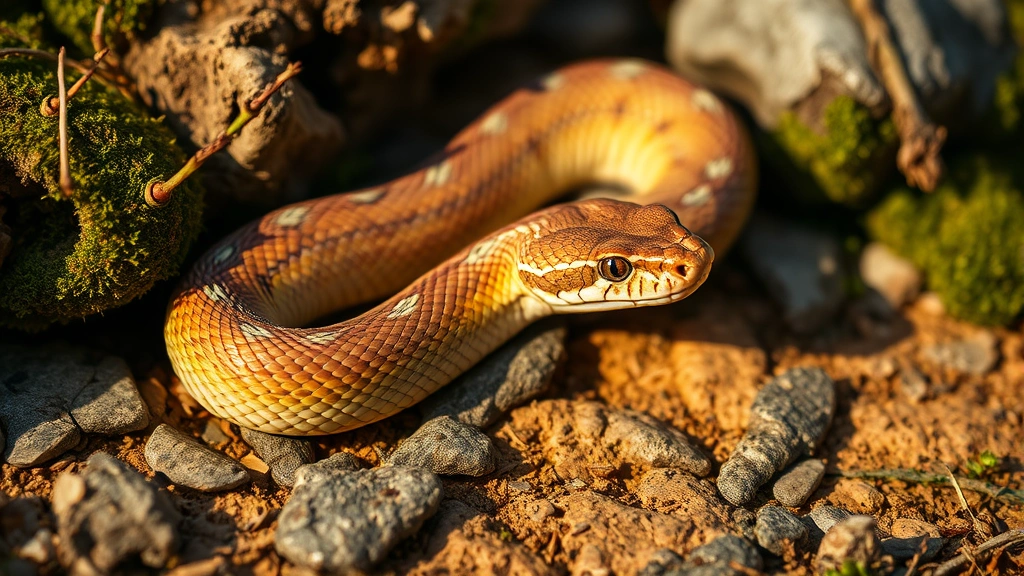
Corn Snake Habitats: Expert Care Guide
Creating an optimal corn snake environment requires understanding the intricate relationship between habitat design, thermal ecology, and behavioral requirements. Corn snakes (Pantherophis guttatus) are among the most adaptable captive reptiles, yet their long-term health and vitality depend on replicating key environmental parameters that mirror their natural ecosystems. This comprehensive guide synthesizes ecological principles with practical husbandry to establish housing systems that promote physiological wellness and natural behaviors.
The economic and ecological dimensions of captive reptile keeping extend beyond individual pet ownership. The global exotic pet trade generates significant economic activity, yet sustainable practices reduce pressure on wild populations and ecosystem services. Understanding proper corn snake habitat requirements exemplifies how informed consumer choices align with environmental stewardship and biodiversity conservation principles.
Enclosure Dimensions and Space Requirements
Determining appropriate enclosure dimensions represents the foundational decision in habitat design. Corn snakes demonstrate size-dependent space utilization patterns, with juveniles requiring minimum floor areas of 36 inches × 18 inches, while adult specimens benefit from 40-gallon breeder tanks or equivalent dimensions (36″ × 18″ × 18″). However, research on reptile cognition and spatial behavior suggests that larger enclosures promote increased activity, exploration, and thermoregulatory choice—factors correlating with reduced stereotypic behaviors.
The relationship between enclosure volume and animal welfare intersects with broader environmental examples of how spatial constraints influence ecosystem functioning. In natural settings, corn snakes inhabit diverse microhabitats across southeastern North America, ranging from pine forests to agricultural margins. Captive enclosures should accommodate horizontal movement patterns, as these snakes demonstrate active foraging behaviors despite being ambush predators. Vertical space utilization increases with age and size; adults benefit from structures allowing elevated positioning.
Enclosure construction materials warrant ecological consideration. Glass aquariums offer visibility and durability but require robust supports. Plastic tubs provide insulation benefits and cost efficiency. Rack systems optimize space in multi-specimen facilities. Each material selection carries implications for energy consumption, longevity, and environmental impact—factors aligning with how to reduce carbon footprint principles in hobby and professional contexts.
Thermal Gradients and Temperature Management
Temperature regulation represents the most critical environmental parameter for corn snake physiological function. These ectothermic organisms depend on environmental heat sources to facilitate digestion, immune function, locomotion, and reproduction. Optimal corn snake habitat temperatures establish a thermal gradient spanning 75–85°F (24–29°C) on the warm side, with ambient temperatures maintaining 75–80°F (24–27°C).
Implementing effective thermal gradients requires understanding thermoregulatory behavior. Corn snakes utilize basking sites to elevate body temperature and retreat areas to cool when necessary. Warm-side substrate temperatures should reach 85°F through under-tank heaters, heat tape, or ceramic heat emitters controlled by thermostats. Unregulated heat sources create burn risks and thermal stress; proportional thermostats prevent temperature fluctuations exceeding ±2°F.
Nighttime temperature reductions to 70–75°F (21–24°C) support natural circadian rhythms and seasonal breeding cycles. This thermal variation reflects natural conditions where corn snakes experience cooler nocturnal periods. Long-term maintenance of excessive warmth suppresses immune function and accelerates metabolic aging. The integration of renewable energy for homes principles extends to reptile keeping—utilizing heat pumps, solar heating systems, or energy-efficient ceramic emitters reduces operational costs and environmental impact in facilities maintaining multiple enclosures.
Temperature monitoring employs digital thermometers or infrared guns for accuracy. Analog stick-on thermometers provide insufficient precision. Maintaining temperature data records enables detection of equipment failures and environmental drift, supporting long-term health outcomes.
Substrate Selection and Moisture Control
Substrate composition influences microhabitat conditions, behavioral expression, and respiratory health. Corn snakes thrive in aspen shavings, cypress mulch, or coconut husk substrates maintaining moisture levels of 40–60% relative humidity. These materials support naturalistic burrowing behaviors while preventing moisture accumulation that promotes respiratory infections.
Aspen shavings offer excellent moisture-control properties; their low water-holding capacity maintains appropriate dryness while permitting humidity buffering. Cypress mulch provides superior moisture retention and fungistatic properties through volatile oils. Coconut husk balances moisture retention with drainage characteristics. Avoid cedar and pine substrates—their phenolic compounds cause respiratory irritation and hepatotoxicity in reptiles.
Substrate depth of 3–4 inches enables burrowing opportunities that reduce stress and promote natural behaviors. This substrate utilization reflects ecological principles where environmental science examines how microhabitat heterogeneity influences animal distributions and behavior. Burrowing snakes experience reduced anxiety, improved thermoregulation through substrate contact, and enhanced digestion through behavioral stimulation.
Substrate maintenance requires weekly spot-cleaning of soiled areas and complete replacement every 4–6 weeks. Decomposing organic matter generates microbial byproducts and pathogenic organisms; proactive sanitation prevents gastrointestinal infections and respiratory diseases. Humidity monitoring using hygrometers ensures environmental stability.
Lighting and Photoperiod Regulation
While corn snakes lack the complex photoreceptive requirements of basking lizards, appropriate lighting supports circadian regulation and behavioral naturalism. Providing 12-hour light:dark cycles replicates seasonal photoperiods influencing reproductive physiology and feeding behavior. Overhead lighting creates visual enrichment and allows behavioral observation without relying solely on nocturnal viewing.
Full-spectrum lighting (5.0–6.5 UVB) supports vitamin D synthesis and calcium metabolism, though corn snakes derive most nutritional requirements through appropriately-fed prey items. However, moderate UVB exposure (2–4 hours daily) enhances immune function and behavioral naturalism without excessive radiation exposure. LED systems provide energy-efficient alternatives to fluorescent tubes, reducing operational costs and heat generation.
Photoperiod manipulation supports seasonal breeding cycles. Gradually reducing light duration to 8 hours daily over 4–6 weeks, combined with temperature reduction to 65–70°F, triggers reproductive conditioning in sexually mature individuals. This practice aligns with ecological documentation of how environmental cues synchronize animal reproduction with resource availability.
Lighting placement prevents unnatural shadows and thermal stress. Mounting fixtures above enclosures rather than through tops reduces heat concentration and allows natural behavior expression. Timer systems automate photoperiod management, ensuring consistency independent of keeper schedules.
Furnishings and Environmental Enrichment
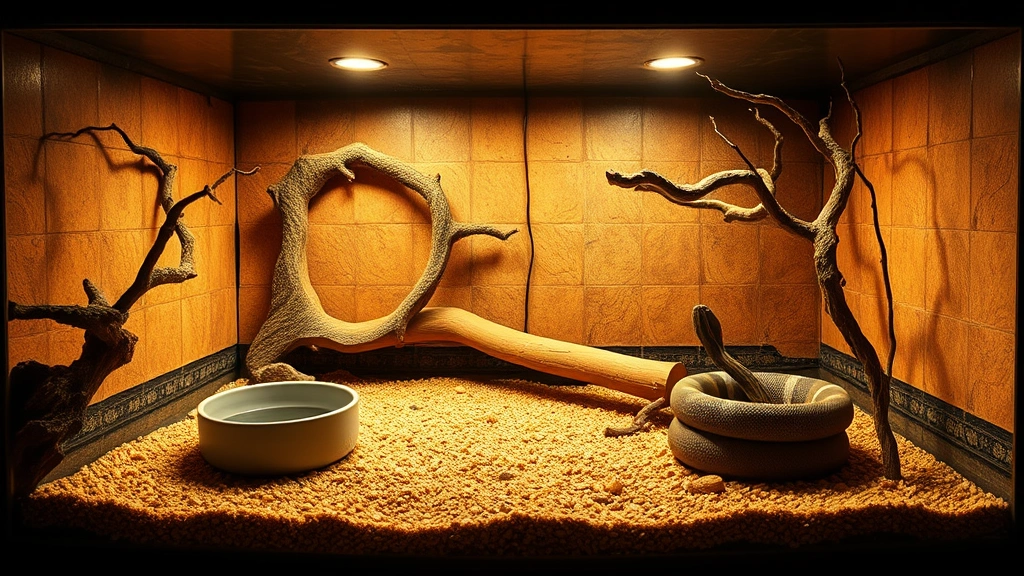
Environmental enrichment transforms enclosures from minimal containers into complex habitats supporting cognitive function and behavioral expression. Corn snakes benefit from multiple hide boxes—one positioned on the warm side and one on the cool side. Hides reduce stress by providing security during vulnerable periods like shedding or digestion. Enclosed structures (PVC pipes, commercial hides, or inverted containers) create psychological refuges supporting normal behavior patterns.
Climbing structures utilize vertical space, enabling elevated positioning and thermoregulatory choice. Branches, cork bark, or climbing vines allow snakes to assume elevated positions reflecting arboreal tendencies observed in natural populations. These structures diversify movement patterns, strengthen musculature, and provide environmental complexity.
Naturalistic furnishings—rocks, logs, and vegetation—create visual and tactile enrichment. Live or artificial plants increase enclosure complexity while providing olfactory stimulation. Cork bark hides offer textured surfaces supporting skin shedding and natural behaviors. The integration of enriched environments demonstrates ecological understanding that habitat complexity directly influences animal welfare outcomes.
Enrichment rotation prevents habituation and maintains novelty. Periodically rearranging structures stimulates exploration and foraging behaviors. This practice reflects principles from environment examples where ecological disturbance and habitat heterogeneity drive biodiversity and ecosystem productivity.
Water Systems and Hydration Infrastructure
Adequate hydration requires providing water bowls large enough for complete body immersion. Corn snakes drink through direct water uptake and absorption during soaking behaviors. Bowls measuring 8–10 inches diameter accommodate adult snakes while remaining appropriately sized for juvenile specimens. Placement on the cool side prevents temperature-related bacterial proliferation.
Water quality maintenance involves daily inspection for debris and waste, with complete water changes every 2–3 days. Stagnant water promotes bacterial and fungal growth; frequent renewal prevents infection and ensures palatability. Some keepers utilize water circulation systems with filtration, mimicking natural flowing water sources and providing enrichment through dynamic water features.
Humidity management through water bowl evaporation contributes to appropriate moisture levels. In drier substrates, increased evaporative surface area (larger or multiple bowls) raises ambient humidity. Conversely, reduced water bowl size or placement in ventilated areas decreases humidity in overly moist enclosures. This dynamic regulation reflects systems-level thinking where environment and environmental science examine interconnected ecological processes.
Hydration observation provides health indicators. Snakes demonstrating increased drinking frequency may signal respiratory issues, parasitism, or thermal stress. Conversely, snakes rarely accessing water may indicate behavioral stress or inadequate water placement. Monitoring hydration patterns supports early disease detection and environmental adjustment.
Biosecurity and Habitat Maintenance Protocols
Maintaining healthy corn snake environments requires systematic biosecurity protocols preventing pathogenic transmission. Separate feeding areas reduce aggression and facilitate waste containment. Feeding frozen-thawed prey eliminates predation-related injuries while reducing live-prey maintenance costs and ethical concerns. This feeding approach represents informed consumer choice supporting both animal welfare and economic efficiency.
Cleaning protocols employ separate equipment for each enclosure or thorough sanitization between uses. Bleach solutions (10% concentration), quaternary ammonium compounds, or commercial reptile disinfectants eliminate pathogenic bacteria, fungi, and viruses. Hands should be washed before and after handling snakes to prevent cross-contamination between specimens.
Quarantine procedures isolate new acquisitions for 30–60 days, allowing observation for parasitism, respiratory disease, or behavioral abnormalities before introduction to established collections. This practice prevents epidemic disease introduction and supports population-level health. Fecal analysis during quarantine detects intestinal parasites requiring treatment.
Record-keeping documents feeding schedules, shedding cycles, temperature data, and health observations. These records enable pattern recognition for disease detection and environmental optimization. Long-term data accumulation supports understanding of individual variation and life-history trajectories. Such documentation aligns with scientific principles where data collection and analysis drive evidence-based decisions.
Waste management considerations reflect broader environmental consciousness. Proper disposal of shed skin, feces, and uneaten prey follows local regulations while minimizing environmental impact. Composting organic substrates reduces waste stream contributions. These practices exemplify how individual choices in sustainable practices extend across diverse domains, including exotic pet keeping.
FAQ
What is the minimum enclosure size for adult corn snakes?
Adult corn snakes require minimum enclosure dimensions of 40 inches length × 20 inches width × 20 inches height (approximately 40-gallon breeder tank capacity). However, larger enclosures (75–120 gallons) provide superior environmental complexity and behavioral opportunities. Space recommendations reflect welfare considerations balancing practical constraints with optimal conditions.
How often should corn snake habitats be completely cleaned?
Complete substrate replacement occurs every 4–6 weeks, with weekly spot-cleaning of soiled areas. Enclosure surfaces require sanitization monthly. Frequency adjusts based on snake size, feeding frequency, and substrate type. Regular maintenance prevents pathogenic accumulation and maintains environmental quality.
Can corn snakes live in naturalistic outdoor enclosures?
Outdoor enclosures present challenges including predation, escape risks, and temperature fluctuations exceeding physiological tolerances. Some keepers maintain outdoor enclosures during warm months with secure containment and daily monitoring. However, indoor enclosures offer superior environmental control and biosecurity. Outdoor housing remains specialized and requires expert oversight.
What humidity level is appropriate for corn snakes?
Corn snakes thrive in 40–60% relative humidity. Humidity below 40% risks respiratory desiccation; levels exceeding 70% promote respiratory infections and fungal growth. Humidity monitoring using hygrometers enables precise environmental management. Substrate moisture, water bowl size, and ventilation collectively regulate humidity levels.
Do corn snakes require UVB lighting?
While not mandatory, moderate UVB exposure (5.0 UVB for 2–4 hours daily) supports vitamin D synthesis and immune function. Corn snakes derive most nutritional requirements through appropriately-fed prey items, yet UVB supplementation enhances overall wellness. LED systems provide efficient UVB delivery without excessive heat generation.
How should corn snake habitats be adjusted seasonally?
Seasonal adjustments include reducing photoperiod to 8–10 hours and lowering temperatures to 65–75°F for 4–8 weeks to condition breeding adults. After this cooling period, gradually restore normal conditions over 2–3 weeks. Non-breeding snakes benefit from consistent conditions year-round, though natural photoperiod variation provides enrichment.
What substrate should be avoided for corn snakes?
Cedar and pine substrates contain phenolic compounds causing respiratory irritation and hepatotoxicity. Avoid sand, calcium sand, and walnut shells which cause impaction and respiratory irritation. Recommended substrates include aspen shavings, cypress mulch, and coconut husk—materials balancing moisture control with safety.


