Can Green Investments Boost GDP? Economist Insights
The intersection of environmental sustainability and economic growth has become one of the most compelling debates in modern economics. Policymakers, investors, and researchers increasingly ask whether green investments can simultaneously enhance gross domestic product while protecting planetary ecosystems. This question challenges the traditional assumption that environmental protection and economic expansion are mutually exclusive goals. Emerging evidence from major economies, international institutions, and longitudinal studies suggests not only that green investments can boost GDP, but that they may represent one of the most robust pathways to sustained economic growth in the coming decades.
The global green investment landscape has transformed dramatically over the past decade. According to recent data, annual global green investments exceeded $500 billion in 2023, with projections suggesting this figure will double by 2030. These investments span renewable energy infrastructure, energy efficiency retrofitting, sustainable agriculture, circular economy initiatives, and ecosystem restoration. What makes this transition particularly significant is that it coincides with measurable improvements in economic metrics across nations implementing comprehensive green policies. This article explores the empirical evidence, economic mechanisms, and strategic insights from leading economists on how green investments generate GDP growth while advancing environmental objectives.
The Economic Case for Green Investment
The fundamental economic argument supporting green investments rests on several interconnected principles. First, environmental degradation imposes substantial hidden costs on economies—what economists call negative externalities. Climate change, pollution, deforestation, and resource depletion generate expenses that traditional GDP accounting never captures: healthcare costs from air pollution, agricultural losses from soil degradation, infrastructure damage from extreme weather, and productivity losses from ecosystem collapse.
When governments and corporations invest in green infrastructure and technologies, they simultaneously reduce these hidden costs while creating new economic value. A comprehensive analysis by the World Bank (available at worldbank.org) demonstrates that every dollar invested in ecosystem restoration generates between $7 and $30 in economic returns through improved water quality, enhanced agricultural productivity, climate regulation, and disaster risk reduction.
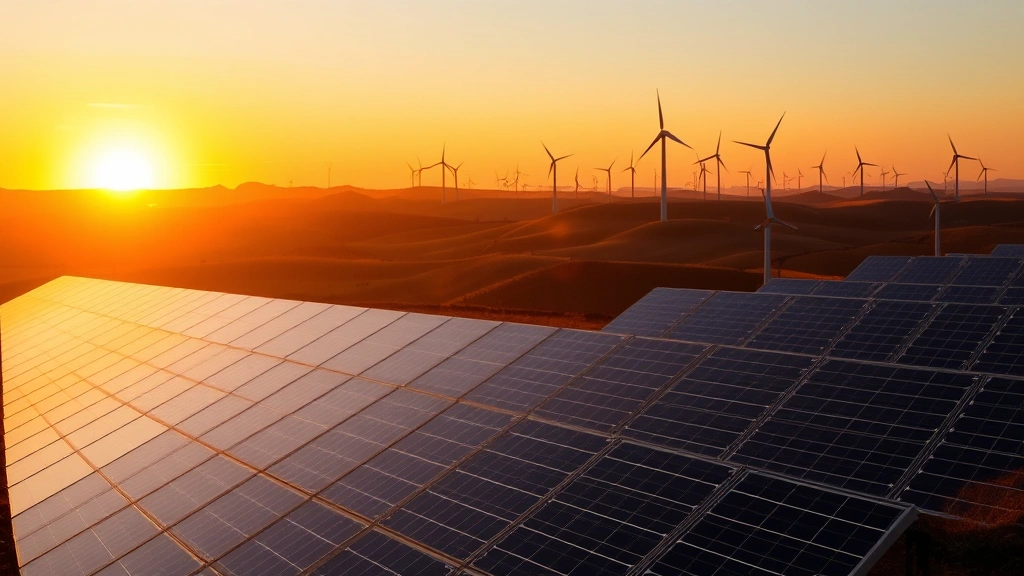
Green investments trigger what economists call the “green multiplier effect.” When capital flows into renewable energy projects, sustainable construction, or ecosystem restoration, it generates demand across supply chains—manufacturing, logistics, skilled labor, and professional services all benefit. Unlike extraction-based industries that deplete natural capital, green investments build stocks of productive assets that continue generating returns indefinitely. A solar farm installed today will produce electricity and economic value for 25-30 years, providing stable returns that support employment, tax revenues, and community development.
The transition to green economies also addresses what ecological economists term “natural capital depletion.”
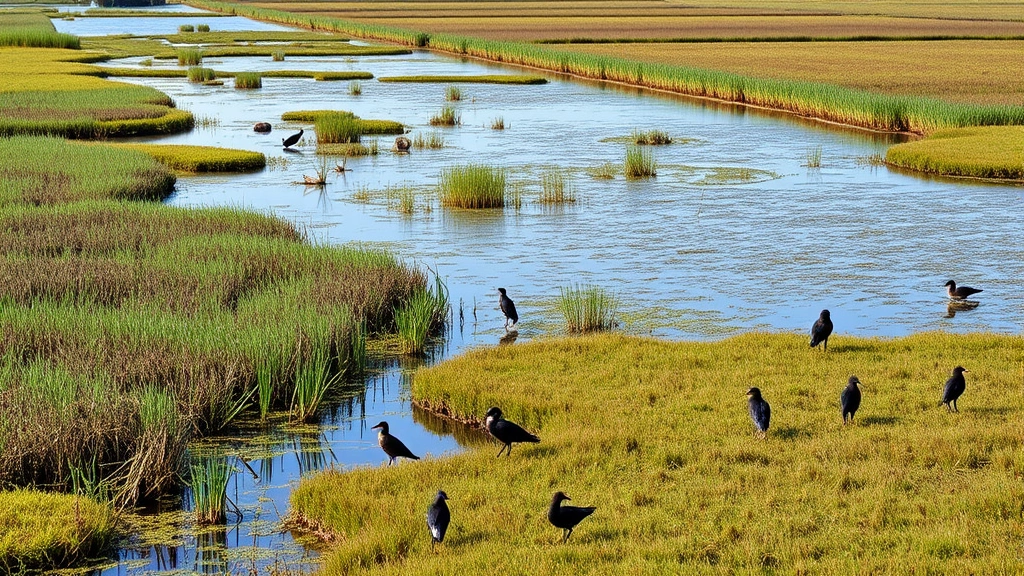
Understanding types of environments and their economic contributions becomes essential when calculating true economic output. Conventional GDP measures fail to account for declining fish stocks, degraded forests, or contaminated aquifers—assets that generate tremendous economic value. Green investments reverse this trend by expanding natural capital stocks, which represents genuine wealth creation.
Job Creation and Labor Market Expansion
One of the most immediate and measurable economic benefits of green investments is employment generation. The renewable energy sector alone employed over 12.7 million people globally in 2023, with employment growth rates consistently exceeding those in fossil fuel industries. Green jobs demonstrate several advantageous characteristics:
- Geographic distribution: Unlike centralized fossil fuel infrastructure, renewable energy projects, energy efficiency retrofitting, and sustainable agriculture create employment opportunities across urban and rural regions, reducing geographic inequality.
- Skill development: Green sectors demand diverse skill sets—from advanced engineering and data analytics to construction trades and environmental management—creating pathways for workforce development across education levels.
- Wage premiums: Studies consistently show that green sector employment offers wage premiums of 10-15% compared to traditional industries, improving household incomes and consumer spending.
- Job permanence: Green infrastructure requires ongoing maintenance and operation, creating stable, long-term employment rather than temporary project-based work.
The International Labour Organization estimates that the transition to net-zero emissions could create 24 million new jobs globally by 2030, while simultaneously eliminating fewer jobs than conventional projections suggest. This net positive employment outcome occurs because green investments are more labor-intensive than fossil fuel extraction—renewable energy installation, building retrofitting, and ecosystem restoration all require substantial human input.
Beyond direct employment, green investments strengthen human environment interaction by creating economic incentives for environmental stewardship. When communities benefit economically from healthy ecosystems—through tourism, sustainable agriculture, or ecosystem service payments—they become invested stakeholders in environmental protection.
Infrastructure Development and Multiplier Effects
Green investments fundamentally reshape economic infrastructure in ways that generate sustained GDP growth. Consider renewable energy infrastructure: a single utility-scale wind or solar project requires substantial upfront capital investment, but generates electricity at declining marginal costs for decades. This creates a favorable long-term return profile that attracts institutional investors, pension funds, and development finance institutions.
The multiplier effects extend throughout economies:
- Manufacturing expansion: Scaling renewable energy requires massive increases in solar panel, wind turbine, battery, and grid equipment production. This drives industrialization in manufacturing sectors, particularly in developing economies.
- Technology innovation: Green investment demands drive R&D spending, creating spillover benefits across industries. Battery technology advances benefit electric vehicles, grid storage, and portable power applications simultaneously.
- Supply chain development: Building renewable infrastructure requires extensive supply chains—materials extraction, component manufacturing, logistics, installation, and maintenance—each employing thousands and generating tax revenues.
- Service sector growth: Green infrastructure requires professional services: engineering design, environmental assessment, project management, financing, and policy consulting.
A study by the United Nations Environment Programme found that green investments generate multipliers of 1.5-2.5x, meaning each dollar invested creates $1.50-$2.50 in total economic activity. This compares favorably to traditional infrastructure multipliers and significantly exceeds fossil fuel industry multipliers, which have declined as these sectors become increasingly capital-intensive and automation-dependent.
Risk Mitigation and Long-Term Economic Stability
From a macroeconomic perspective, green investments provide crucial risk mitigation that supports sustained GDP growth. Climate change, resource scarcity, and environmental degradation create escalating economic risks that threaten long-term growth trajectories. Green investments address these risks directly:
Climate risk reduction: Every ton of greenhouse gas emissions avoided through renewable energy, energy efficiency, or sustainable land use reduces the probability of catastrophic climate impacts. The economic value of avoided climate damages—through prevented agricultural losses, reduced infrastructure damage, avoided health costs, and maintained productivity—far exceeds green investment costs. Research from ecological economics journals, including Ecological Economics, demonstrates that climate damages could reduce global GDP by 10-23% by 2100 without mitigation, making green investments a rational economic choice.
Resource security: Economies dependent on imported fossil fuels face vulnerability to price volatility, supply disruptions, and geopolitical coercion. Green investments—particularly renewable energy and sustainable agriculture—enhance resource independence and economic resilience. Nations reducing energy imports simultaneously improve trade balances and macroeconomic stability.
Financial system stability: Central banks and financial regulators increasingly recognize that climate and environmental risks threaten financial system stability. Green investments reduce these systemic risks, lowering risk premiums on sovereign debt and corporate financing. This creates positive feedback loops where environmental improvements support lower borrowing costs and accelerated investment.
The concept of reducing carbon footprint extends beyond individual action to macroeconomic policy, where carbon reduction investments enhance overall economic resilience and stability.
Case Studies from Leading Economies
Empirical evidence from major economies demonstrates green investments’ GDP-boosting potential:
Denmark’s renewable energy success: Denmark generates over 80% of electricity from wind energy, making it a global renewable leader. This transition has not hindered economic growth—Denmark maintains one of the world’s highest per-capita GDPs while achieving dramatic emissions reductions. The renewable energy sector now employs over 130,000 people and contributes approximately 2% of GDP. Denmark’s experience demonstrates that high renewable penetration is compatible with prosperity and economic stability.
Germany’s Energiewende: Germany’s systematic transition to renewable energy has created hundreds of thousands of jobs in renewable installation, energy efficiency retrofitting, and manufacturing. Despite bearing substantial transition costs, Germany maintains Europe’s largest economy with GDP per capita exceeding $48,000. The renewable and efficiency sectors now contribute over 3% of GDP and employ more people than traditional energy sectors.
China’s green manufacturing dominance: China has become the world’s largest manufacturer of solar panels, wind turbines, and electric vehicle batteries—sectors that now employ millions and contribute significantly to GDP. These green manufacturing sectors represent some of China’s fastest-growing economic segments, demonstrating how environmental investments can drive industrial competitiveness and economic growth simultaneously.
Costa Rica’s ecosystem-based economy: Costa Rica has protected 99% of its territory, generating substantial tourism revenue while maintaining strong economic growth. Ecotourism and ecosystem services now contribute more to GDP than traditional agriculture, demonstrating how environmental protection can become a primary economic engine.
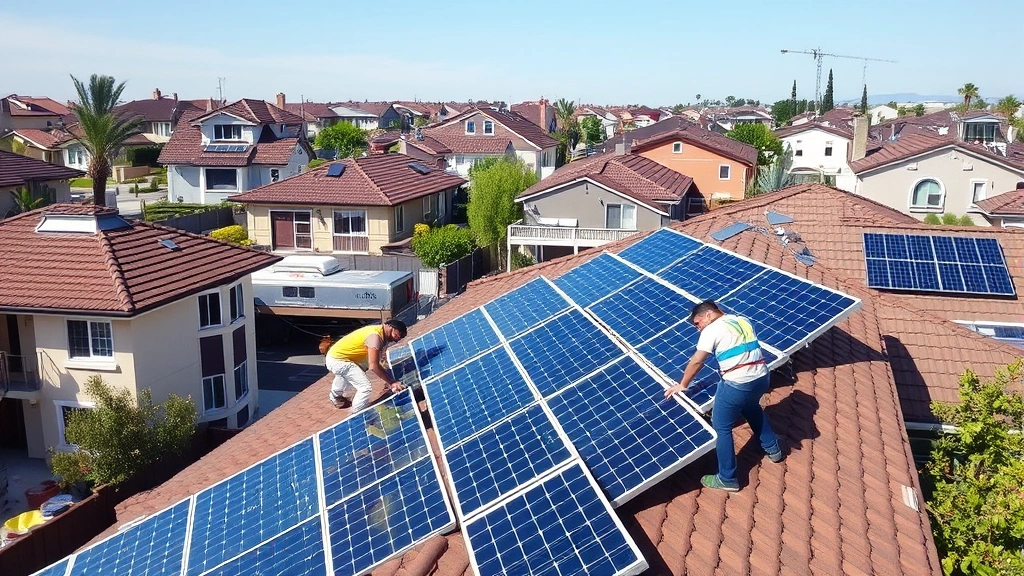
The broader pattern across these economies shows that green investments generate measurable GDP growth while achieving environmental objectives. Investment in renewable energy for homes and commercial installations has become a key GDP driver in developed economies, creating value chains that support millions of workers.
Challenges and Critical Considerations
While evidence supporting green investment’s GDP benefits is compelling, economists identify important challenges and considerations:
Transition costs and distributional effects: Green investments create net positive economic outcomes, but benefits and costs distribute unevenly across regions, industries, and populations. Workers in declining fossil fuel sectors face displacement; communities dependent on coal mining or oil extraction experience economic disruption. Effective policy must address these distributional challenges through transition support, retraining programs, and community investment to ensure green growth benefits broadly.
Capital requirements and financing: Achieving net-zero emissions requires estimated annual investments of $2-3 trillion globally. Mobilizing this capital requires coordinated action across public finance, private investment, and development institutions. Developing economies face particular challenges accessing capital on favorable terms, potentially limiting their green investment capacity.
Technology maturity and cost trajectories: Some green technologies remain expensive or immature. While renewable energy and batteries have achieved cost competitiveness, technologies for industrial heat, sustainable aviation fuels, and long-duration energy storage require further development. Investment in R&D remains crucial for expanding economically viable green options.
Policy and market design: Green investments require supportive policy frameworks—carbon pricing, renewable energy standards, building codes, and sustainable finance regulations. Poorly designed policies can create inefficiencies that reduce economic benefits. Effective policy design remains essential for maximizing green investment returns.
Natural capital accounting: Incorporating natural capital into national accounting systems remains incomplete. Developing comprehensive environmental accounting would strengthen the economic case for green investments by capturing their full value. International efforts toward standardized environmental accounting are advancing, but implementation remains inconsistent.
Understanding sustainable business models across sectors—from fashion to energy to agriculture—reveals how green investments create competitive advantages and GDP growth across diverse economic activities.
The evidence strongly suggests that green investments can and do boost GDP while advancing environmental objectives. Rather than representing a trade-off between economic growth and environmental protection, green investments offer a pathway to achieving both simultaneously. The economic mechanisms are clear: job creation, infrastructure development, multiplier effects, risk mitigation, and long-term stability all support GDP growth. Empirical examples from leading economies demonstrate that high environmental standards and strong economic performance are compatible and mutually reinforcing.
The transition to green economies represents one of the largest investment opportunities in human history. Economists increasingly recognize that achieving sustainable GDP growth requires systematic investment in renewable energy, energy efficiency, sustainable agriculture, ecosystem restoration, and circular economy infrastructure. These investments generate immediate employment and economic activity while building the natural and productive capital stocks necessary for long-term prosperity.
As climate risks intensify, resource constraints tighten, and environmental degradation accelerates, the economic case for green investments strengthens. Forward-looking economies and investors increasingly recognize that green growth is not merely environmentally necessary—it is economically optimal. The question is no longer whether green investments can boost GDP, but rather how quickly and comprehensively nations can mobilize capital toward this transformative economic transition.
FAQ
What percentage of GDP growth comes from green investments?
Green investments now contribute 2-4% of GDP growth in leading economies, with projections suggesting this will increase to 5-8% by 2030. The contribution varies significantly by country based on current green investment levels, energy mix, and policy frameworks. Developing economies often experience higher growth contributions as renewable energy displaces expensive energy imports.
Do green investments reduce short-term GDP growth?
Contrary to earlier assumptions, evidence shows that well-designed green investments support robust short-term GDP growth. The transition costs occur primarily in specific sectors and regions, not across entire economies. Economies implementing comprehensive green strategies have maintained growth rates comparable to or exceeding those of economies with delayed climate action.
How do green investments compare to traditional infrastructure investments in terms of economic return?
Green investments generate superior long-term returns compared to many traditional infrastructure investments. Renewable energy projects achieve 6-10% returns with minimal operating costs, while traditional fossil fuel infrastructure requires ongoing fuel purchases and faces stranded asset risks. Life-cycle analyses consistently show green infrastructure generates higher net present value.
What role does government policy play in enabling green investment GDP growth?
Government policy is essential for maximizing green investment benefits. Carbon pricing, renewable energy standards, building efficiency codes, sustainable finance regulations, and R&D support all accelerate green investment and enhance economic returns. Countries with comprehensive green policies consistently outperform those with limited environmental frameworks in terms of green GDP contribution.
How can developing economies access capital for green investments?
Developing economies access green investment capital through multiple channels: concessional climate finance from developed nations, multilateral development banks, green bonds, private equity, and blended finance structures combining public and private capital. International mechanisms like the Green Climate Fund aim to increase capital flows to developing economies, though funding remains insufficient relative to needs.
What is the timeline for green investments to deliver GDP growth?
Green investments deliver GDP benefits across multiple timescales. Employment and manufacturing benefits occur within 1-2 years of investment. Infrastructure benefits accumulate over 5-10 years as projects reach operational maturity. Long-term GDP benefits from avoided climate damages and sustained natural capital accumulate over decades. This multi-horizon benefit profile makes green investments attractive across different investor time horizons.


