Can Green Economies Thrive? Expert Insights on Sustainability and Economic Growth
The contemporary operational environment presents unprecedented challenges and opportunities for transitioning toward green economies. As global markets grapple with climate imperatives, resource scarcity, and evolving consumer expectations, policymakers and business leaders face critical questions about whether environmental sustainability and economic prosperity can coexist. Recent analyses from leading economic institutions suggest that green economy models not only can thrive but may become essential for long-term competitiveness and societal resilience.
The intersection of ecological limits and economic systems demands a fundamental reassessment of how we measure progress, allocate resources, and structure production. This comprehensive exploration examines the mechanisms, barriers, and pathways through which green economies can achieve robust growth while maintaining planetary boundaries.

Understanding Green Economy Frameworks in Today’s Context
A green economy, as defined by the United Nations Environment Programme (UNEP), represents economic activity that results in improved human well-being and social equity while significantly reducing environmental risks and ecological scarcities. This definition transcends simple environmental compliance, encompassing systemic transformation across production, consumption, and distribution networks.
The contemporary operational environment differs markedly from previous decades. Global supply chains have become increasingly transparent, regulatory frameworks have tightened across major markets, and consumer preferences have shifted toward sustainable products. Companies operating in this landscape must navigate carbon pricing mechanisms, extended producer responsibility regulations, and stakeholder pressure for environmental accountability. The emergence of biology, society and environment interconnections demonstrates that economic decisions cannot be isolated from their ecological consequences.
Green economy frameworks operate on three foundational principles: decoupling economic growth from resource consumption, transitioning toward renewable and regenerative systems, and internalizing environmental costs into market mechanisms. These principles challenge conventional economic paradigms that externalize environmental degradation, allowing corporations to privatize profits while socializing ecological costs.
The World Bank’s recent environmental economics research indicates that countries implementing comprehensive green economy policies experience GDP growth rates comparable to or exceeding conventional development models, while simultaneously reducing greenhouse gas emissions and improving resource efficiency.
Economic Growth and Environmental Compatibility
The persistent debate surrounding whether environmental protection constrains economic growth has evolved significantly. Contemporary evidence suggests this represents a false dichotomy. Decoupling—separating economic expansion from material throughput—has been achieved in multiple developed economies, demonstrating that growth and sustainability are not mutually exclusive.
Denmark, for instance, increased GDP by 79% between 1990 and 2018 while reducing CO2 emissions by 48%. Germany grew its economy by 45% during the same period while cutting emissions by 35%. These achievements resulted from deliberate policy choices prioritizing energy efficiency, renewable energy deployment, and circular economy principles rather than from economic stagnation.
However, absolute decoupling—where economic growth occurs without increasing total material consumption—remains challenging at global scales. Relative decoupling, where resource intensity decreases even as total consumption rises, has become more common. The distinction matters profoundly for climate and ecological targets. Meeting Paris Agreement commitments requires transitioning from relative to absolute decoupling across all major economies.
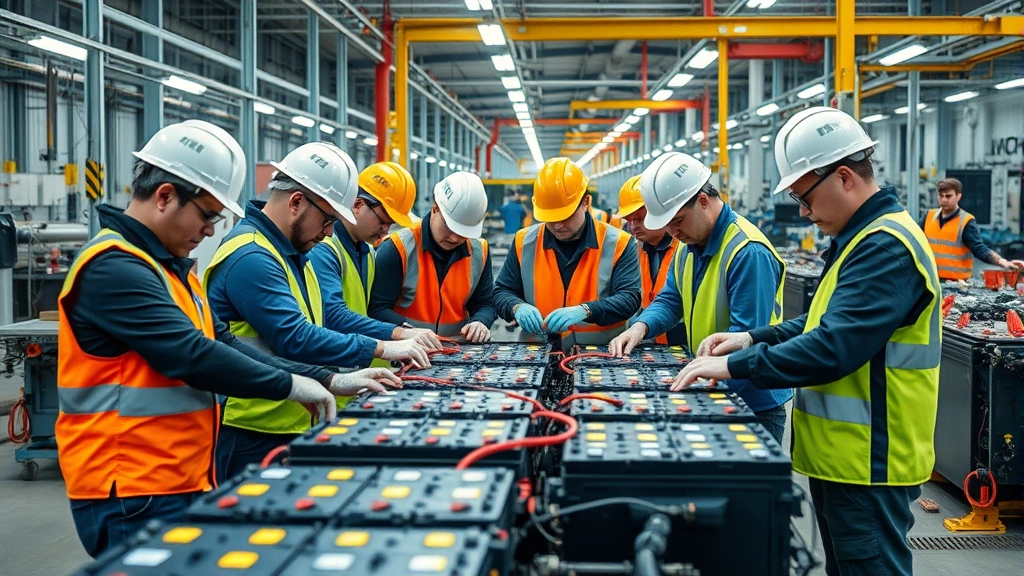
Understanding human environment interaction patterns reveals that green economies function through behavioral and technological shifts. Renewable energy adoption, material efficiency improvements, and circular design principles reduce environmental pressure while maintaining or expanding economic output. Investment in these transitions generates employment, stimulates innovation, and creates competitive advantages in emerging global markets.
Research from ecological economics journals demonstrates that green economy sectors exhibit comparable or superior productivity metrics to conventional industries. Renewable energy installation now employs more workers globally than fossil fuel extraction, while generating lower lifecycle costs and zero fuel expenses.
Investment Landscapes and Capital Flows
Capital availability represents a critical determinant of green economy expansion. Global sustainable investment reached $35.3 trillion in 2020, representing 36% of all professionally managed assets. This substantial capital concentration signals institutional recognition that environmental sustainability increasingly correlates with financial performance and risk mitigation.
The contemporary operational environment features multiple investment mechanisms supporting green transitions:
- Green bonds have mobilized over $500 billion annually for climate and environmental projects, offering institutional investors fixed-income vehicles with measurable environmental impact
- Impact investing explicitly targets measurable environmental and social returns alongside financial gains, expanding capital availability for sustainable enterprises
- ESG integration has become standard practice among major asset managers, incorporating environmental, social, and governance criteria into investment decisions
- Climate finance mechanisms direct development funds toward renewable energy, adaptation infrastructure, and ecosystem protection in emerging economies
- Private equity increasingly targets efficiency improvements and sustainability transitions in portfolio companies, recognizing operational cost reductions
However, capital flows remain significantly misaligned with climate imperatives. Fossil fuel subsidies still exceed renewable energy support globally, and infrastructure investment continues prioritizing carbon-intensive development in many regions. The UNEP Finance Initiative emphasizes that redirecting these capital flows represents the primary challenge for green economy acceleration rather than capital scarcity.
Transition finance—supporting the shift from conventional to sustainable operations—has emerged as a critical framework. Banks and investors increasingly recognize that stranded assets and transition risks threaten returns, motivating proactive support for client decarbonization. This represents a fundamental shift from viewing green investment as philanthropic to recognizing it as essential fiduciary responsibility.
Sectoral Transformation and Innovation Drivers
Green economy transitions manifest differently across sectors, with energy, transportation, agriculture, and manufacturing leading transformation efforts. Each sector faces distinct technical, economic, and institutional barriers requiring tailored approaches.
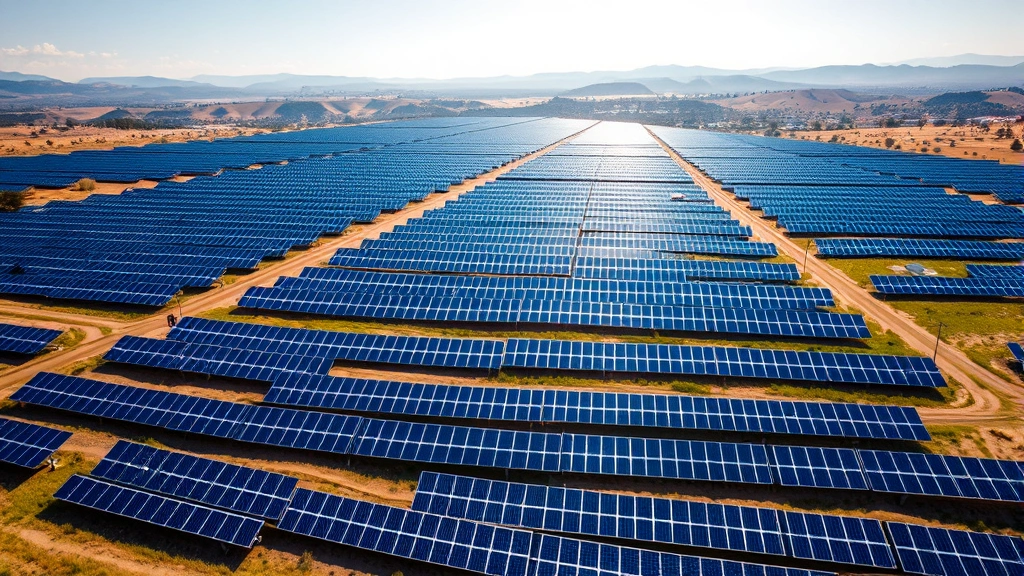
Energy systems undergo the most dramatic transformation. Renewable energy now comprises the fastest-growing electricity generation source globally, with solar and wind reaching cost parity or undercutting fossil fuels in most markets. Battery storage advancement removes previous intermittency constraints, enabling high renewable penetration grids. Germany’s Energiewende demonstrates that 50%+ renewable electricity is technically feasible and economically viable with appropriate grid infrastructure and demand management.
The how to reduce carbon footprint through energy efficiency represents another major transition driver. Building sector retrofits, industrial process optimization, and appliance efficiency standards reduce energy demand while generating economic returns through operational cost savings. These investments typically achieve 10-15% annual returns, making them economically attractive independent of environmental benefits.
Transportation electrification accelerates as battery costs decline and charging infrastructure expands. Electric vehicle adoption curves steepen across developed markets, with total cost of ownership increasingly favoring EVs over internal combustion engines. This transition creates employment in manufacturing, installation, and maintenance while reducing urban air pollution and petroleum import dependence.
Agricultural transformation toward regenerative and organic practices demonstrates that renewable energy adoption extends beyond electricity generation. Regenerative agriculture improves soil carbon content, reduces synthetic input requirements, and enhances farm resilience to climate variability. Preliminary evidence suggests comparable yields to conventional systems with superior long-term productivity and lower input costs.
Innovation ecosystems supporting green economy development have expanded dramatically. Venture capital investment in climate technology reached $60 billion in 2021, with emerging technologies addressing carbon capture, sustainable materials, circular manufacturing, and ecosystem restoration. These innovations progressively expand the technical feasibility and economic viability of green economy transitions.
Policy Mechanisms and Institutional Structures
Green economy thriving depends fundamentally on policy frameworks aligning economic incentives with environmental objectives. The contemporary operational environment features multiple policy approaches with varying effectiveness:
Carbon pricing mechanisms, including emissions trading systems and carbon taxes, internalize climate costs into market prices. The European Union’s Emissions Trading System, now covering 40% of EU emissions, has driven significant efficiency improvements and renewable energy deployment. Carbon prices exceeding €80 per ton create substantial incentives for decarbonization investments.
However, current carbon prices remain insufficient for meeting climate targets. Most analyses suggest prices of €100-200 per ton are necessary for achieving Paris Agreement goals. Expanding coverage, strengthening price floors, and improving linkages between regional systems represent critical policy priorities.
Regulatory standards establish minimum environmental performance requirements, eliminating worst practices and creating level competitive playing fields. Vehicle emission standards, building energy codes, and industrial pollution limits have driven substantial improvements without constraining economic growth. Standards-based approaches prove particularly effective when combined with innovation support and transition assistance for affected workers and communities.
Understanding science environment definition and its policy implications reveals that environmental regulations must incorporate ecological science regarding planetary boundaries, regenerative capacity, and critical ecosystem functions. Science-based policy frameworks prove more durable and effective than arbitrary environmental targets disconnected from ecological realities.
Investment and subsidy policies accelerate green technology deployment during cost reduction phases. Renewable energy subsidies, electric vehicle purchase incentives, and efficiency retrofit financing have proven cost-effective in stimulating market growth and enabling cost declines. Strategic subsidy withdrawal as technologies achieve cost competitiveness prevents market distortions while maintaining deployment momentum.
Just transition frameworks address legitimate concerns about employment and community impacts from green economy transitions. Retraining programs, income support, and economic diversification investments in fossil fuel-dependent regions prove essential for political sustainability of climate policies. Countries implementing comprehensive just transition policies experience greater public support for climate action and more equitable outcomes.
Global Case Studies and Real-World Evidence
Empirical evidence from pioneering green economy transitions provides crucial insights regarding feasibility and scalability.
Costa Rica demonstrates that developing economies can achieve high renewable energy penetration while maintaining economic growth. Renewable sources now supply approximately 99% of Costa Rica’s electricity, with the nation achieving stable GDP growth and improving human development indicators. This success resulted from consistent long-term policy commitment, strategic infrastructure investment, and integration of environmental protection into national identity and tourism branding.
Bangladesh’s sustainable fashion industry evolution offers instructive lessons regarding green economy sectoral transformation. While the garment industry faced international criticism regarding labor and environmental practices, leading brands and manufacturers increasingly implement sustainable fashion brands approaches including water recycling, chemical management, and worker welfare improvements. These transitions initially increased operational costs but generated market premiums, improved brand reputation, and attracted talent, ultimately enhancing competitiveness.
The UNEP Asia Pacific regional office documents that green economy transitions in developing Asian economies have generated employment growth, poverty reduction, and improved air quality alongside GDP expansion, contradicting conventional assumptions that environmental protection requires economic sacrifice.
Kenya’s renewable energy transition illustrates green economy potential in contexts with limited existing infrastructure. Geothermal energy now comprises 25% of Kenya’s electricity generation, with solar deployment accelerating rapidly. These investments attracted international capital, created local employment, and reduced electricity costs, enabling broader electrification and industrial development.
Scotland’s wind energy leadership demonstrates that high renewable penetration is achievable in temperate maritime climates. Wind power supplied 98% of Scotland’s electricity demand on peak generation days in 2020. This transition created manufacturing, installation, and maintenance employment, attracted international investment in renewable technology development, and positioned Scotland as a renewable energy innovation hub.
These cases reveal consistent patterns: green economy thriving requires sustained policy commitment, strategic infrastructure investment, integration with broader development objectives, and effective stakeholder engagement. Short-term policies and fragmented approaches fail to generate the confidence and capital necessary for systemic transitions.
FAQ
Can green economies genuinely achieve the growth rates of conventional development models?
Evidence from multiple developed economies demonstrates that decoupled economic growth—where GDP expansion occurs without proportional resource consumption increases—is achievable. Denmark, Germany, and the United Kingdom have all grown economies while reducing emissions. However, the pace of green economy expansion must accelerate substantially to meet climate targets while supporting development in lower-income nations. Growth rates may differ from historical patterns but can remain robust and economically meaningful.
What timeline should we expect for green economy transitions?
Transition timelines depend on policy stringency, capital availability, technological maturity, and sectoral characteristics. Energy systems typically require 20-30 years for major structural change, transportation 15-25 years, and building stocks 30-50 years given existing infrastructure lifespans. However, rapid transitions in specific sectors or regions are possible with sufficient policy support and investment. The critical factor is beginning transitions immediately rather than delaying, as delayed action compresses timelines and increases costs.
How can developing economies pursue green growth without sacrificing poverty reduction and development?
Green economy approaches can be tailored to development contexts through renewable energy deployment for electrification, sustainable agriculture for food security and rural livelihoods, and green manufacturing for employment creation. International climate finance, technology transfer, and debt relief for climate action enable developing economies to pursue green pathways without conventional development trade-offs. However, this requires substantially increased support from developed economies and reformed international financial architecture.
What are the primary barriers to green economy expansion?
Key barriers include persistent fossil fuel subsidies, insufficient carbon pricing, limited capital availability in developing regions, technological immaturity in certain sectors, workforce transition challenges, and political resistance from incumbent industries. Infrastructure lock-in—where existing capital stock creates path dependency toward conventional development—represents a particularly stubborn barrier. Overcoming these barriers requires comprehensive policy reform, substantial capital mobilization, and political commitment to long-term transitions.
How do circular economy principles support green economic growth?
Circular economy models—where products are designed for durability, repairability, and material recovery—reduce resource extraction, lower production costs through secondary material utilization, and create employment in repair, remanufacturing, and recycling sectors. These approaches decouple economic value from material throughput, enabling continued growth within planetary boundaries. Leading companies implementing circular principles report improved profitability, competitive advantages, and reduced supply chain risks.


