Eco-Friendly Economies: Why They Prosper – Study Insights
The relationship between environmental consciousness and economic prosperity has evolved from theoretical debate to empirical reality. Recent research demonstrates that nations and businesses prioritizing ecological sustainability don’t merely survive—they thrive. This paradigm shift challenges the long-held assumption that environmental protection and economic growth are mutually exclusive, revealing instead a complementary dynamic where ecological stewardship drives innovation, reduces long-term costs, and creates competitive advantages in global markets.
As consumers and investors increasingly become conscious about the environment, market forces amplify this transition. Companies investing in renewable energy, circular economy models, and sustainable supply chains report higher profitability, stronger brand loyalty, and greater resilience to regulatory changes. Meanwhile, nations implementing comprehensive environmental policies experience reduced healthcare costs, improved workforce productivity, and attraction of foreign investment. This article synthesizes emerging evidence to explain why eco-friendly economies don’t just protect the planet—they prosper.

The Economic Case for Environmental Consciousness
Traditional economic models treated environmental resources as infinite externalities—costs borne by society rather than reflected in market prices. This accounting error masked the true cost of pollution, resource depletion, and ecosystem degradation. Modern ecological economics, pioneered by researchers examining environment and society interactions, reveals that ignoring environmental costs ultimately destroys economic value.
The World Bank’s extensive research on natural capital demonstrates that environmental degradation costs developing nations approximately 4-6% of their annual GDP. Conversely, nations implementing comprehensive environmental policies experience net economic gains within 10-15 years. This inversion occurs because human-environment interaction generates measurable economic returns when managed sustainably.
Companies conscious about the environment report 2-3% higher profit margins than industry peers, according to Harvard Business Review analysis. This premium reflects multiple factors: reduced waste management costs, lower energy expenses, decreased regulatory fines, and enhanced brand valuation. When environmental consciousness becomes embedded in business strategy, it transforms from a compliance burden into a value creation engine.
The mechanism is straightforward: environmental degradation imposes real costs—healthcare expenses from pollution, infrastructure damage from climate events, productivity losses from resource scarcity. By preventing these costs through proactive environmental management, eco-conscious entities achieve superior financial performance.

Innovation and Green Technology Markets
Environmental consciousness catalyzes technological innovation at unprecedented scales. The global clean energy sector alone generated $2 trillion in investment over the past decade, creating entirely new industries and employment categories. This expansion mirrors historical transformations where addressing constraints drives breakthrough innovations with broad economic applications.
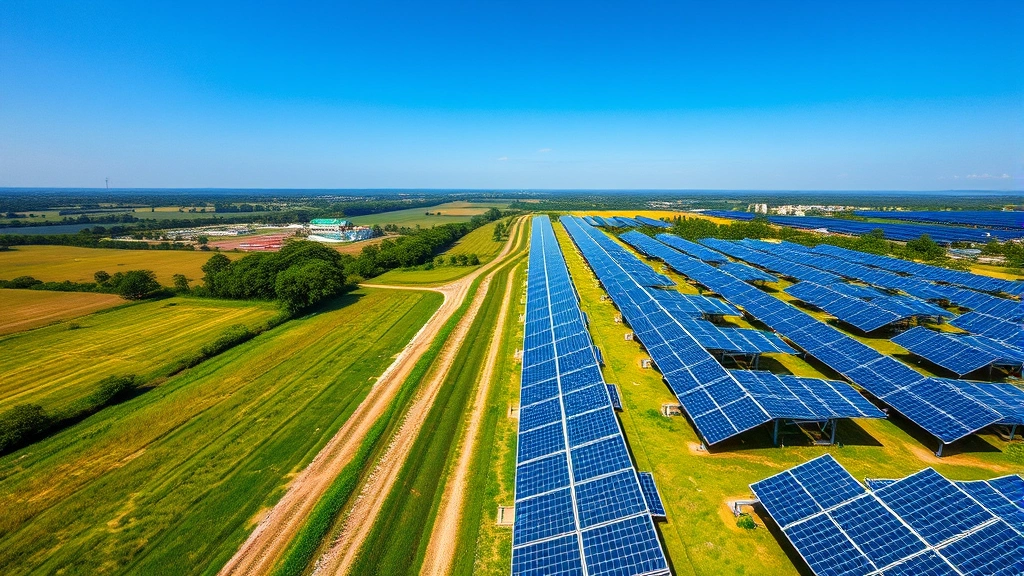
Solar and wind technologies exemplify this dynamic. Twenty years ago, renewable energy was economically uncompetitive. Today, solar installations cost 90% less than 2010 levels, making them cheaper than fossil fuels in most markets. This cost reduction resulted directly from environmental consciousness driving investment, manufacturing scale, and R&D spending. The same pattern repeats across battery technology, sustainable agriculture, circular economy solutions, and green building materials.
The World Bank reports that clean technology sectors create 3-5 jobs per million dollars invested, compared to 1-2 jobs in traditional energy sectors. Moreover, these positions typically offer higher wages and require technical skills, contributing to workforce development and economic resilience. Nations investing heavily in green innovation—Denmark, Costa Rica, and Germany—consistently rank among the world’s most prosperous economies.
Venture capital flows illustrate investor confidence in eco-friendly business models. Cleantech funding reached $60 billion globally in 2023, with venture capitalists reporting superior returns from sustainable companies. This capital allocation reflects rational economic calculation: environmental consciousness reduces operational risk while capturing emerging market opportunities.
The definition of environment science increasingly includes economic value assessment, recognizing that ecological systems provide quantifiable economic services—pollination, water purification, carbon sequestration, climate regulation. Understanding these relationships drives innovation in sustainable agriculture, ecosystem restoration, and biomimetic technologies that generate both environmental and economic returns.
Cost Reduction Through Resource Efficiency
Environmental consciousness drives operational efficiency that directly impacts profitability. Companies implementing circular economy principles—designing products for longevity, repairability, and material recovery—reduce input costs by 15-30% while improving margins. Patagonia, Interface, and Unilever demonstrate that resource efficiency and profitability move in tandem.
Water efficiency investments exemplify this dynamic. Industries implementing water recycling systems reduce consumption by 40-60%, simultaneously decreasing water purchase costs, treatment expenses, and wastewater fees. In water-scarce regions, these savings prove transformational. Israel’s water efficiency innovations, driven by environmental necessity, created export industries worth billions while ensuring national water security.
Energy efficiency offers similar returns. Organizations retrofitting buildings with modern insulation, LED lighting, and smart controls reduce energy consumption by 25-40%, with payback periods typically under five years. These investments improve employee productivity, reduce maintenance costs, and enhance asset values—multiple economic benefits beyond energy savings.
Supply chain optimization, driven by environmental consciousness, reduces transportation emissions while cutting logistics costs. Companies redesigning supply chains for minimal environmental impact—shorter distances, consolidated shipments, optimized routing—simultaneously decrease fuel expenses and improve delivery times. Environmental and economic efficiency reinforce each other.
The types of environment affected by industrial operations—air, water, soil, biological—all impose costs when degraded. Preventing degradation through efficiency measures proves substantially cheaper than remediation. This fundamental principle explains why eco-conscious businesses outperform competitors: they eliminate expensive environmental damage rather than managing its consequences.
Risk Mitigation and Long-Term Stability
Environmental consciousness functions as risk insurance in increasingly unstable systems. Climate change, resource scarcity, and ecosystem collapse create business risks that traditional financial analysis often underestimates. Companies conscious about the environment systematically address these emerging threats, improving long-term viability.
Physical climate risks—extreme weather, floods, droughts—directly impact operations and supply chains. Unilever’s analysis found that 25% of its supply chain operates in water-scarce regions. By investing in water conservation and sustainable agriculture, the company reduced vulnerability while improving farmer resilience. This proactive environmental consciousness strengthens supply chains against disruption.
Regulatory risk represents another critical factor. Environmental regulations strengthen globally, with carbon pricing, plastic restrictions, and pollution controls expanding across jurisdictions. Companies already implementing these standards face minimal compliance costs while competitors scramble to adapt. First-movers in environmental consciousness gain substantial competitive advantages as regulations tighten.
Reputational risk intensifies as consumers, employees, and investors increasingly scrutinize environmental performance. Brands failing to demonstrate environmental consciousness face boycotts, talent drain, and investment avoidance. Conversely, companies with strong environmental records attract premium valuations. This market mechanism rewards environmental consciousness with lower capital costs and higher valuations.
Long-term asset viability depends increasingly on environmental sustainability. Real estate, agricultural land, and resource-dependent businesses face diminishing values if environmental degradation continues. Protecting environmental assets—through conservation, restoration, and sustainable management—preserves asset values and ensures intergenerational wealth.
The environment and natural resources nexus creates economic dependencies that demand conscious management. Economies relying on fisheries, forestry, agriculture, or tourism cannot prosper if these environmental foundations collapse. Environmental consciousness represents rational economic self-interest for these sectors.
Global Market Trends and Consumer Behavior
Consumer consciousness about the environment drives market transformation at accelerating rates. Surveys across developed nations show 60-75% of consumers willing to pay premiums for sustainable products, with younger demographics showing even stronger preferences. This demand creates market opportunities for eco-conscious businesses while threatening traditional competitors.
Millennials and Generation Z demonstrate particularly strong environmental consciousness, with purchasing decisions increasingly reflecting ecological values. Companies addressing this demographic shift—through sustainable products, transparent supply chains, and genuine environmental commitments—capture market share and brand loyalty. This generational transition ensures that environmental consciousness will dominate consumer markets for decades.
Institutional investment increasingly incorporates environmental, social, and governance (ESG) criteria, with trillions of dollars now allocated through ESG frameworks. Asset managers recognize that environmental risks threaten returns, making environmental consciousness essential for fiduciary responsibility. This capital reallocation dramatically advantages eco-friendly businesses and penalizes environmental laggards.
Supply chain transparency, driven by consumer demand for environmental consciousness, creates competitive advantages for sustainable producers. Companies demonstrating genuine environmental commitment through verified supply chains command price premiums and customer loyalty. Conversely, greenwashing—false environmental claims—increasingly faces exposure and reputational damage.
Corporate partnerships increasingly emphasize environmental collaboration. Companies recognizing that environmental challenges require collective action form industry alliances to develop sustainable standards, share best practices, and drive systemic change. These collaborations accelerate innovation while distributing costs, making environmental consciousness increasingly economically rational.
The emergence of circular economy business models—where products become services, waste becomes feedstock, and value chains close—represents the frontier of eco-conscious economics. Companies pioneering these models report superior growth rates, improved customer relationships, and reduced operational risk. This transformation suggests that environmental consciousness and business success will become increasingly inseparable.
Policy Frameworks Driving Prosperity
Government policies conscious about the environment create economic frameworks favoring sustainable businesses. Carbon pricing, renewable energy mandates, and pollution regulations level competitive playing fields, penalizing environmental degradation and rewarding sustainability. These policies accelerate economic transition toward eco-friendly models.
Research from the United Nations Environment Programme demonstrates that well-designed environmental policies generate net economic benefits, even accounting for transition costs. Green jobs typically outnumber displaced positions, wages improve, and innovation accelerates. Nations implementing comprehensive environmental policies—Costa Rica, Denmark, Singapore—consistently rank among the world’s most prosperous and competitive economies.
Investment in environmental infrastructure—public transit, renewable energy, water systems, green spaces—generates substantial economic returns. These investments reduce household costs, improve productivity, enhance health outcomes, and create employment. The multiplier effects of green infrastructure spending exceed traditional infrastructure, making environmental consciousness economically efficient policy.
Environmental regulations driving innovation create first-mover advantages for companies and nations. Germany’s renewable energy transition, initially viewed as economically risky, positioned the nation as a global clean technology leader worth hundreds of billions in export value. Environmental consciousness in policy created competitive advantage rather than constraint.
Tax structures rewarding environmental consciousness—carbon taxes, pollution fees, resource depletion taxes—align market prices with ecological reality. When environmental costs are properly priced, markets naturally favor sustainable businesses. This price mechanism transforms environmental consciousness from moral imperative to economic rationality.
The World Bank’s environmental economics research consistently shows that nations investing 2-3% of GDP in environmental protection and sustainable development achieve superior long-term growth compared to nations ignoring environmental costs. This empirical pattern suggests that environmental consciousness represents the most economically rational policy framework.
Case Studies of Thriving Eco-Conscious Economies
Costa Rica exemplifies how environmental consciousness drives prosperity. The nation committed to environmental protection despite limited resources, establishing extensive protected areas and renewable energy systems. Today, 99% of Costa Rica’s electricity derives from renewables, attracting eco-tourism worth billions annually. The nation ranks highest in the world for environmental quality while maintaining strong economic growth—demonstrating that environmental consciousness and prosperity reinforce each other.
Denmark transformed from energy-dependent to renewable energy leader through environmental consciousness in policy and business. Wind energy, initially subsidized as environmental protection, became commercially dominant, creating export industries and competitive advantages. Today, Danish wind companies lead global markets worth tens of billions. Environmental consciousness generated competitive advantage rather than limiting growth.
Singapore demonstrates that environmental consciousness works in densely populated, resource-constrained contexts. The nation treats environmental sustainability as essential to prosperity, investing heavily in green building, water recycling, and sustainable transport. This environmental consciousness attracts multinational corporations, supports premium real estate values, and ensures long-term viability. Environmental degradation would destroy Singapore’s prosperity, making environmental consciousness rational economic policy.
Patagonia, the outdoor apparel company, demonstrates that environmental consciousness drives business success. The company’s genuine commitment to environmental protection—including donating 1% of revenues to conservation and designing products for durability—created fanatical customer loyalty and consistent profitability. Environmental consciousness attracted talent, inspired innovation, and commanded price premiums, proving that business success and environmental protection align.
Interface, the carpet manufacturer, transformed through environmental consciousness. The company’s commitment to circular economy principles—designing products for recovery and recycling—reduced costs by billions while improving margins. Environmental consciousness drove innovation that made the business more competitive, demonstrating that environmental protection and business success move together.
Unilever’s sustainability programs reduce input costs while improving operational efficiency and brand value. Environmental consciousness in sourcing, manufacturing, and product design generates financial returns exceeding investment costs. The company’s sustainable brands grow faster than traditional product lines, proving that consumers conscious about the environment reward businesses demonstrating genuine commitment.


