
Can Green Tech Boost Economies? Study Insights
The intersection of environmental sustainability and economic growth has long been portrayed as a zero-sum trade-off. However, emerging research and real-world case studies increasingly challenge this narrative. Green technology—spanning renewable energy systems, energy-efficient infrastructure, sustainable agriculture, and circular economy innovations—demonstrates measurable potential to simultaneously address climate imperatives and generate substantial economic returns. This analysis synthesizes recent scholarly findings to examine whether green tech investments constitute sound economic policy or remain aspirational thinking.
The economic case for green technology rests on several converging factors: declining renewable energy costs, job creation across emerging sectors, productivity gains from resource efficiency, risk mitigation against climate-related economic shocks, and the growing market for sustainable products. Understanding these dynamics requires moving beyond simplistic cost-benefit analyses toward comprehensive economic modeling that accounts for externalities, systemic feedback loops, and long-term value creation.

Renewable Energy Economics and Cost Trajectories
The most compelling economic argument for green technology centers on renewable energy cost reductions. Between 2010 and 2023, solar photovoltaic (PV) costs declined approximately 90 percent, while onshore wind costs fell roughly 70 percent. These reductions transformed renewable energy from a subsidized niche to the lowest-cost electricity source in most markets. According to International Renewable Energy Agency (IRENA) reports, renewables now undercut fossil fuels on unsubsidized levelized cost of electricity (LCOE) metrics across diverse geographical contexts.
The economic implications extend beyond direct energy cost savings. Renewable infrastructure requires substantial upfront capital investment but generates minimal operational expenses over 25-40 year lifespans. This creates predictable, inflation-hedged revenue streams compared to fossil fuel systems vulnerable to commodity price volatility. When developing nations or emerging economies establish renewable energy infrastructure, they reduce long-term energy expenditures, freeing capital for alternative investments in education, healthcare, or productive infrastructure.
Energy transition economics also reveal crucial indirect benefits. Renewable electricity systems eliminate fuel supply chain dependencies, reducing vulnerability to geopolitical disruptions or price shocks. For import-dependent economies, renewable energy development strengthens energy sovereignty while improving balance-of-payments positions. A 2023 World Bank analysis documented how renewable energy deployment in sub-Saharan Africa and South Asia simultaneously reduced energy poverty and enhanced macroeconomic stability.
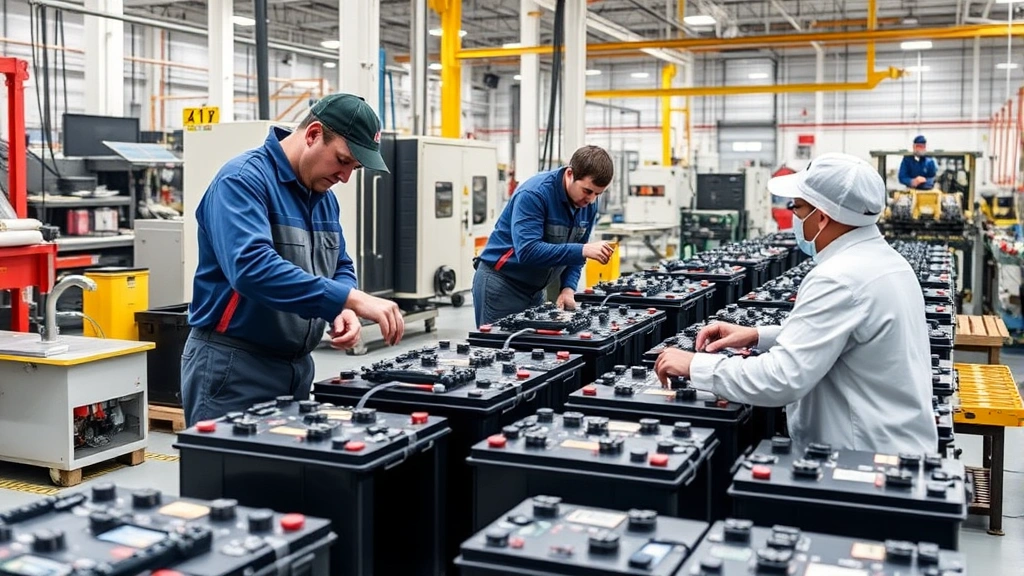
Battery storage technologies, while still experiencing cost reductions, enable higher renewable penetration rates by addressing intermittency challenges. This technological combination—cheap renewables plus declining storage costs—creates economically viable pathways toward fully decarbonized electricity systems. Grid modernization investments required for this transition simultaneously boost productivity by reducing transmission losses and enabling demand-side efficiency optimization.
Employment and Workforce Development
Green technology sectors consistently generate employment growth exceeding fossil fuel industries on per-unit-energy basis. Renewable energy installation, maintenance, and manufacturing create more jobs than equivalent coal or natural gas plants. The International Labour Organization documents that renewable energy and energy efficiency sectors employ approximately 12.7 million workers globally, with growth trajectories outpacing traditional energy sectors by 3-5 percent annually.
Employment gains occur across skill levels, from manufacturing and installation roles requiring vocational training to engineering and research positions demanding advanced degrees. This diversification strengthens regional economic resilience by reducing dependency on single industries or skill sets. Communities transitioning from fossil fuel extraction can leverage workforce retraining programs to build capabilities in renewable energy deployment, grid modernization, and energy efficiency retrofitting.
Green technology employment exhibits geographic distribution patterns favoring rural and marginalized communities. Solar installation, wind farm construction, and bioenergy production create distributed employment opportunities, contrasting with centralized fossil fuel extraction. This spatial dimension carries significant economic development implications for regions historically excluded from industrial growth or facing persistent unemployment. Research from ecological economics institutions demonstrates that green job creation programs simultaneously address inequality while advancing climate objectives.
Supply chain development represents another employment multiplier. As renewable energy capacity scales, demand for specialized components—inverters, transformers, control systems—stimulates manufacturing sectors. Countries developing indigenous green technology manufacturing capabilities capture greater value-added income compared to pure energy importers. Germany’s renewable energy sector employed over 300,000 workers as of 2022, generating substantial export revenues through equipment manufacturing and technical expertise.
Productivity Gains and Resource Efficiency
Green technology implementation drives productivity improvements across multiple economic sectors through enhanced resource efficiency. Energy-efficient manufacturing processes reduce operational costs while maintaining or increasing output. Industrial facilities adopting advanced monitoring systems, optimized heating/cooling, and efficient motors typically achieve 15-30 percent energy reductions with payback periods of 2-5 years.
Agricultural productivity gains from sustainable practices demonstrate similar patterns. Precision agriculture technologies—utilizing soil sensors, data analytics, and targeted inputs—simultaneously increase yields while reducing water consumption, fertilizer usage, and greenhouse gas emissions. This efficiency improvement directly enhances farm profitability while supporting human-environment interaction sustainability. Studies from the UN Food and Agriculture Organization document that sustainable intensification approaches increase farmer incomes by 20-40 percent while building soil health and biodiversity.
Building efficiency retrofitting generates comparable returns. Energy-efficient building upgrades reduce heating/cooling costs by 30-50 percent, improving occupant comfort while lowering operational expenses for building owners. These improvements enhance property values, extend building lifespans, and reduce maintenance requirements. Scaling building retrofits creates substantial employment while improving asset productivity—a rare policy intervention generating both environmental and economic gains.
Circular economy models amplify efficiency gains by recovering value from waste streams. Industrial symbiosis networks, where one facility’s waste becomes another’s input, reduce raw material costs while minimizing disposal expenses. Extended producer responsibility policies incentivizing product longevity and repairability shift economic value toward durability and quality rather than disposability. These structural changes enhance long-term profitability while decoupling economic growth from material extraction.
Water efficiency technologies illustrate productivity gains in resource-constrained contexts. Advanced irrigation systems, water recycling infrastructure, and desalination improvements reduce freshwater depletion while maintaining agricultural and industrial output. For water-scarce regions, these technologies enable economic expansion that would otherwise face hydrological constraints. The World Bank estimates that water efficiency investments yield economic returns of 5-10 dollars per dollar invested through avoided scarcity-related productivity losses.
Risk Mitigation and Climate Economics
Climate change imposes escalating economic costs through physical damages, resource depletion, and systemic disruptions. Green technology deployment functions as risk mitigation strategy, reducing exposure to climate-related economic shocks. This perspective reframes green investment from cost burden to insurance premium protecting asset values and economic stability.
The economic damages from climate change include agricultural productivity losses, infrastructure destruction from extreme weather, health system strain from heat stress and disease expansion, and ecosystem service degradation. UNEP climate economics research estimates annual climate damages could reach 5-20 percent of global GDP by 2100 under high-emission scenarios. Green technology deployment avoiding such scenarios generates enormous economic value through avoided losses—a calculation often omitted from conventional cost-benefit analyses.
Financial system resilience depends increasingly on climate risk assessment. Asset stranding—where fossil fuel infrastructure becomes economically obsolete before physical depreciation—threatens investor returns and financial stability. Conversely, green technology investments align with long-term asset preservation and stable returns. Insurance industries, pension funds, and banks increasingly price climate risk into financial products, creating market incentives for green technology deployment independent of climate altruism.
Supply chain disruption costs from climate impacts represent substantial hidden economic expenses. Agricultural system failures, water scarcity, and infrastructure damage cascade through global value chains, disrupting manufacturing and commerce. Green technology deployment reducing climate severity protects supply chain integrity and associated economic productivity. For multinational corporations, climate risk mitigation constitutes essential operational strategy rather than corporate social responsibility.
Developing nations face disproportionate climate vulnerability despite minimal historical emissions responsibility. Green technology access enables these economies to pursue development pathways avoiding fossil fuel lock-in while building climate resilience. This represents both moral imperative and economic rationality—avoiding climate catastrophe costs substantially less than managing its consequences. World Bank climate intelligence programs document how green infrastructure investments protect development gains while advancing emissions reductions.
Innovation Ecosystems and Competitive Advantage
Green technology sectors generate innovation spillovers extending beyond direct environmental benefits. Battery research for electric vehicles advances stationary energy storage. Solar efficiency improvements reduce costs across photovoltaic applications. Wind turbine innovations enhance materials science and mechanical engineering. These spillovers strengthen competitive positioning in emerging technology markets while building human capital and institutional expertise.
Countries establishing green technology leadership capture disproportionate economic value. Denmark dominates global wind turbine manufacturing despite modest domestic energy needs. Germany built substantial renewable energy equipment manufacturing before energy transition policies took effect. China’s strategic green technology investments created dominant positions in solar manufacturing, battery production, and electric vehicle markets. These successes demonstrate how green technology investment functions as industrial policy, building competitive advantage in high-value sectors.
Patent analysis reveals green technology innovation concentration in wealthy nations, but manufacturing increasingly occurs in developing economies. This division creates opportunities for technology transfer and capability building in lower-income countries. When green technology deployment occurs within comprehensive development strategies including living environment improvements and local capacity building, it catalyzes broader economic transformation rather than constituting isolated environmental projects.
Venture capital investment in green technology reached record levels in recent years, reflecting investor confidence in market growth and profitability. This capital influx accelerates innovation cycles, reduces technology costs through scale economies, and attracts entrepreneurial talent. Unlike government-dependent sectors, green technology increasingly exhibits self-sustaining investment dynamics based on profit expectations rather than subsidies alone.
Implementation Challenges and Policy Frameworks
Realizing green technology’s economic potential requires supportive policy frameworks addressing market failures and enabling rapid scaling. Fossil fuel subsidies—estimated at 7 trillion dollars annually when accounting for environmental externalities—distort price signals, disadvantaging green technologies despite superior long-term economics. Subsidy reform represents high-impact policy intervention, though politically challenging due to incumbent interests and distributional consequences.
Carbon pricing mechanisms—whether through taxes or cap-and-trade systems—internalize climate costs into economic calculations, improving green technology competitiveness. International Energy Agency analysis demonstrates that carbon prices of $50-100 per ton substantially accelerate energy transition timelines. Effective carbon pricing requires international coordination to prevent carbon leakage and ensure competitive fairness.
Investment in research, development, and demonstration (RD&D) accelerates green technology advancement beyond market-driven innovation. Government funding for early-stage technologies reduces risk for private investors while expanding technological options. Public-private partnerships leverage government resources with private sector efficiency and innovation capacity. Strategic RD&D investment in emerging technologies—green hydrogen, advanced nuclear, carbon capture—expands economic decarbonization pathways.
Workforce development programs must precede green technology scaling to ensure employment gains translate into broad-based prosperity rather than concentrated wealth. Vocational training, apprenticeship systems, and community college programs building green technology skills require sustained funding and coordination with industry partners. Hostile work environment standards must simultaneously extend to green sectors to ensure quality employment rather than precarious jobs.
Just transition policies addressing fossil fuel worker and community impacts constitute ethical imperative and economic necessity. Premature fossil fuel sector decline without adequate support generates political backlash undermining climate policy. Conversely, managed transitions with retraining support, pension guarantees, and economic diversification investments build political coalitions supporting energy transformation while protecting vulnerable populations.
Financial mechanisms enabling green technology deployment in developing economies require expansion. Green climate funds, concessional financing, and technology transfer agreements facilitate developing nation participation in energy transitions. However, current financing levels fall substantially short of requirements—estimates suggest 1-2 trillion dollars annually needed for developing nation climate investments. Scaling climate finance constitutes critical policy priority for global economic stability and equity.
FAQ
How quickly can green technology create meaningful employment?
Green energy sectors demonstrate rapid employment growth—solar installation and wind turbine manufacturing added over 1 million jobs globally between 2019-2021. However, timeline depends on policy support, training infrastructure, and capital availability. With comprehensive policy frameworks, employment growth can occur within 2-5 years; without supportive conditions, transitions extend over decades.
Do green technology investments require perpetual subsidies?
Most renewable energy technologies now achieve cost competitiveness without subsidies. Solar and wind electricity costs undercut fossil fuels in most markets. However, grid modernization, storage infrastructure, and emerging technologies may require temporary support until scale economies reduce costs. The trajectory demonstrates declining subsidy dependence rather than perpetual requirements.
Can developing nations afford green technology transitions?
Renewable energy costs declining faster than grid infrastructure allows leapfrogging fossil fuel pathways. Developing nations can establish renewable-based energy systems at lower total cost than fossil fuel alternatives when accounting for full lifespans. However, upfront capital requirements necessitate international financing support and technology access.
What sectors face greatest disruption from green technology transitions?
Fossil fuel extraction, refining, and power generation face fundamental disruption. However, manufacturing, transportation, and energy services sectors can adapt through technological transition. Just transition policies enabling workforce retraining and economic diversification minimize disruption costs while enabling broader prosperity.
How do green technologies affect economic inequality?
Green technology employment can reduce inequality through distributed job creation and wage improvements for workers transitioning from low-wage sectors. However, without intentional policies, benefits concentrate among capital owners and high-skilled workers. Progressive taxation, worker ownership models, and community benefit agreements ensure equitable distribution of green technology gains.


