
Why Protecting Wetlands Boosts Economy? Study Shows
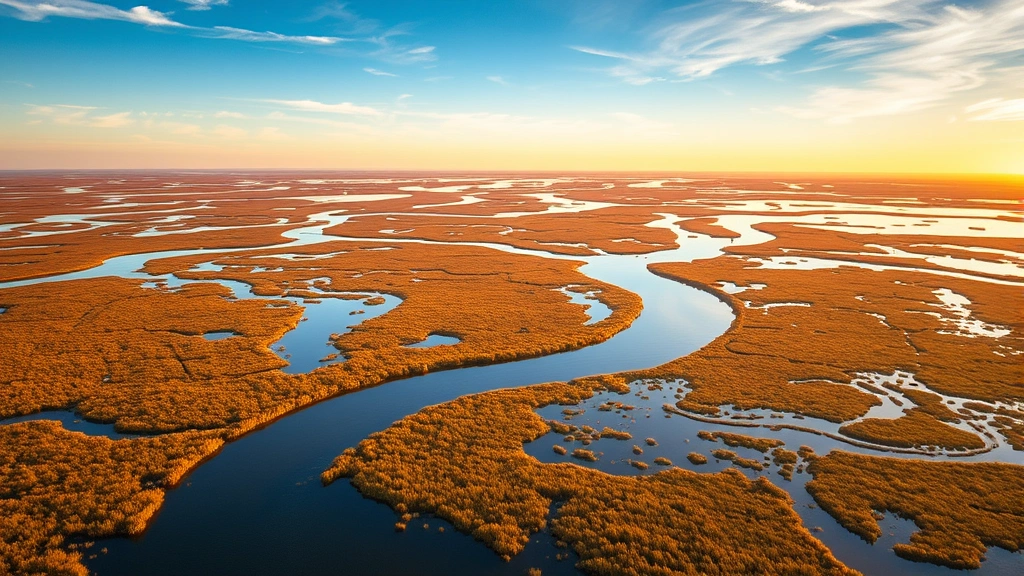
Wetlands represent one of the most economically valuable ecosystems on Earth, yet they remain among the most threatened. Recent comprehensive studies demonstrate that wetland protection generates substantial economic returns through ecosystem services, job creation, and climate resilience. This analysis examines the economic case for wetland conservation and why protecting these critical environments represents sound fiscal policy alongside environmental stewardship.
The intersection of ecological and economic science reveals that wetland degradation costs global economies far more than preservation efforts. From carbon sequestration to fishery support, wetlands deliver measurable financial benefits that extend across multiple economic sectors and generations.

Economic Value of Wetland Ecosystem Services
Wetlands deliver ecosystem services worth trillions of dollars annually to the global economy. According to research from ecological economics institutions, a single hectare of wetland can generate between $3,000 and $35,000 in economic value per year through multiple service pathways. This valuation encompasses water purification, carbon storage, flood mitigation, and habitat provision—services that would require enormous capital expenditure if provided through artificial infrastructure.
The concept of natural capital accounting demonstrates that wetlands function as productive economic assets. When wetlands are destroyed for development, the economy experiences a net loss that accounting systems traditionally failed to capture. Modern ecological economics frameworks now incorporate these losses into national accounting systems, revealing that wetland destruction represents a significant drag on genuine economic progress. Understanding definition of environment science principles helps policymakers recognize wetlands as integral to both ecological and economic health.
Wetland ecosystem services operate through interconnected pathways. Water filtration alone prevents costly water treatment expenses. Nutrient cycling reduces agricultural input requirements. Biodiversity support maintains genetic resources for pharmaceutical and agricultural development. Each service generates measurable economic value, and their combined effect creates substantial returns on conservation investment.
Recent studies from the World Bank indicate that ecosystem service valuation has become central to environmental economics discourse. Wetland protection represents one of the highest-return conservation investments available to governments and private entities.
Wetlands and Climate Change Mitigation
Wetlands store twice as much carbon as forests despite occupying only 6% of global land area. Peatlands alone sequester vast quantities of atmospheric carbon, with some deposits accumulating carbon for millennia. The economic value of this carbon storage function, calculated at current carbon market prices, amounts to hundreds of billions of dollars globally.
When wetlands are drained or degraded, stored carbon releases into the atmosphere as methane and carbon dioxide, accelerating climate change. The economic costs of climate change—increased disaster recovery expenses, agricultural losses, healthcare burdens, and infrastructure damage—far exceed wetland protection costs. A single drained peatland can release equivalent greenhouse gas emissions to thousands of automobiles annually.
Climate mitigation economics reveal that wetland protection costs between $100 and $1,000 per hectare annually, while climate change damages escalate exponentially. This creates a compelling economic argument for preservation. Human environment interaction studies increasingly focus on how economic incentives can align conservation with climate objectives.
The carbon credit market has begun monetizing wetland protection through mechanisms like REDD+ (Reducing Emissions from Deforestation and Forest Degradation). This creates direct revenue streams for wetland stewardship, transforming conservation from a cost center into a profit center for participating nations and communities.
Insurance economics also favor wetland protection. Wetlands reduce flood damage through water absorption and storage. Coastal wetlands provide storm surge protection worth billions annually. These risk mitigation benefits translate directly into reduced insurance premiums and disaster recovery costs for regions with intact wetland systems.
Fisheries and Food Security Economics
Approximately 80% of global fish catches depend on wetland ecosystems for breeding, nursery, or feeding habitat. The global fisheries industry generates $150-200 billion in annual economic value, with substantial portions directly attributable to wetland-dependent species. Shrimp, salmon, cod, and countless other commercially valuable species require wetland habitat during critical life stages.
When wetlands disappear, fishery productivity collapses. Southeast Asia experienced dramatic fishery declines following mangrove conversion to aquaculture farms, creating a false economy where short-term gains from land use conversion produced long-term losses in fishery revenue. Studies demonstrate that integrated wetland-aquaculture systems generate significantly higher economic returns than conversion-based approaches.
Food security economics increasingly recognizes wetlands as essential infrastructure for feeding global populations. As agricultural productivity plateaus and climate change pressures mount, wetland-dependent fisheries become increasingly valuable as protein sources. This is particularly critical for developing nations where fish provides primary protein for billions of people.
Employment in wetland-dependent fisheries reaches tens of millions globally. Small-scale fishers, processing workers, traders, and support service providers create complex economic networks dependent on wetland health. Understanding how do humans affect the environment through fishery practices reveals the importance of maintaining productive wetland ecosystems.
The economic multiplier effects of fishery income extend throughout rural economies. Fishing communities purchase goods and services, investing income in education and healthcare. Wetland-based fisheries create resilient economic systems less vulnerable to industrial disruption than monoculture-dependent regions.
Water Purification and Agricultural Benefits
Wetlands function as natural water treatment systems, removing excess nutrients, sediments, and contaminants. This water purification service eliminates the need for expensive artificial treatment infrastructure. A wetland-based water purification system costs a fraction of mechanical alternatives while providing superior ecological outcomes.
Agricultural economics benefit significantly from wetland proximity. Wetlands maintain water tables, preventing agricultural land from drying out. They filter agricultural runoff, protecting downstream water quality and reducing pollution costs. Wetlands also moderate local climates, reducing temperature extremes and maintaining humidity levels beneficial for crop production.
The economic value of avoided water treatment costs alone justifies wetland protection. A single constructed wetland treating agricultural runoff can provide $10,000-50,000 in annual water purification benefits. Scaled across agricultural regions dependent on wetland filtration, these benefits reach billions annually.
Groundwater recharge represents another critical economic function. Wetlands maintain aquifer levels essential for irrigation and drinking water supply. In water-stressed regions, this function becomes economically invaluable. Understanding types of environment ecosystems helps clarify how wetlands integrate into broader hydrological systems supporting agricultural productivity.
Integrated agricultural-wetland systems demonstrate superior economic performance compared to conventional approaches. Rice paddies combined with fish and aquatic plant production generate multiple revenue streams while maintaining soil health and water quality. These polyculture systems represent economically and ecologically optimal land use patterns.
Job Creation and Regional Development
Wetland conservation and restoration create employment across multiple sectors. Restoration work provides direct jobs in engineering, construction, and environmental management. Sustainable tourism based on wetland ecosystems generates service sector employment. Research and monitoring positions emerge from conservation programs. Educational roles expand as wetland awareness grows.
Studies comparing employment in wetland-based economies versus alternative land uses consistently favor conservation. A hectare of wetland supporting fishing, tourism, and ecosystem service provision creates more jobs per unit area than many industrial land uses. These positions often offer greater stability than extractive industries subject to resource depletion.
Regional economic development patterns demonstrate that communities with intact wetland systems experience more diversified, resilient economies. Tourism revenue streams, fishery income, and ecosystem service payments create multiple income sources buffering against economic shocks. This economic resilience has measurable value in development economics literature.
The United Nations Environment Programme documents extensive examples of wetland-based economic development in emerging economies. Madagascar, Indonesia, and Bangladesh have launched successful wetland conservation programs generating employment while protecting critical ecosystems. These programs demonstrate that environmental and economic objectives can align when proper policy frameworks exist.
Capacity building in wetland management creates professional opportunities in developing nations. International expertise transfer, technical training, and management positions generate income while building institutional capacity. This represents an effective development strategy combining environmental and economic objectives.
Cost-Benefit Analysis of Wetland Protection
Comprehensive economic analysis consistently demonstrates that wetland protection generates positive returns on investment. A study analyzing global wetland conservation programs found benefit-cost ratios ranging from 7:1 to 15:1, meaning every dollar invested in protection generates seven to fifteen dollars in economic benefits.
These benefits accrue across multiple timeframes. Immediate benefits include ecosystem service provision, job creation, and tourism revenue. Medium-term benefits include agricultural productivity maintenance and water security. Long-term benefits encompass climate change mitigation, genetic resource preservation, and economic resilience.
The discount rate applied in economic analysis significantly affects cost-benefit outcomes. Traditional economic analysis using high discount rates undervalues long-term benefits like carbon storage. Ecological economics frameworks applying lower discount rates reflecting intergenerational equity produce more favorable benefit-cost ratios for wetland protection.
Comparative analysis reveals that alternative land uses—agricultural conversion, industrial development, urban expansion—generate lower lifetime economic value than conservation when full costs are calculated. Agricultural conversion provides short-term revenue but depletes natural capital. Industrial development concentrates benefits among few stakeholders while externalizing environmental costs. Wetland protection distributes benefits broadly across society and time periods.
Risk analysis favors protection strategies. Wetland destruction creates irreversible losses and system collapse risks. Protection maintains optionality, allowing future generations to utilize wetlands in ways not yet imagined. Real options analysis demonstrates that preserving this flexibility has substantial economic value.
Global Case Studies and Data
The Everglades restoration project in Florida demonstrates large-scale wetland conservation economics. Despite costing over $11 billion, restoration generates water supply benefits, fishery productivity improvements, and ecosystem service provision worth substantially more than costs. The project employs thousands in restoration and management roles while protecting agricultural and urban water supplies.
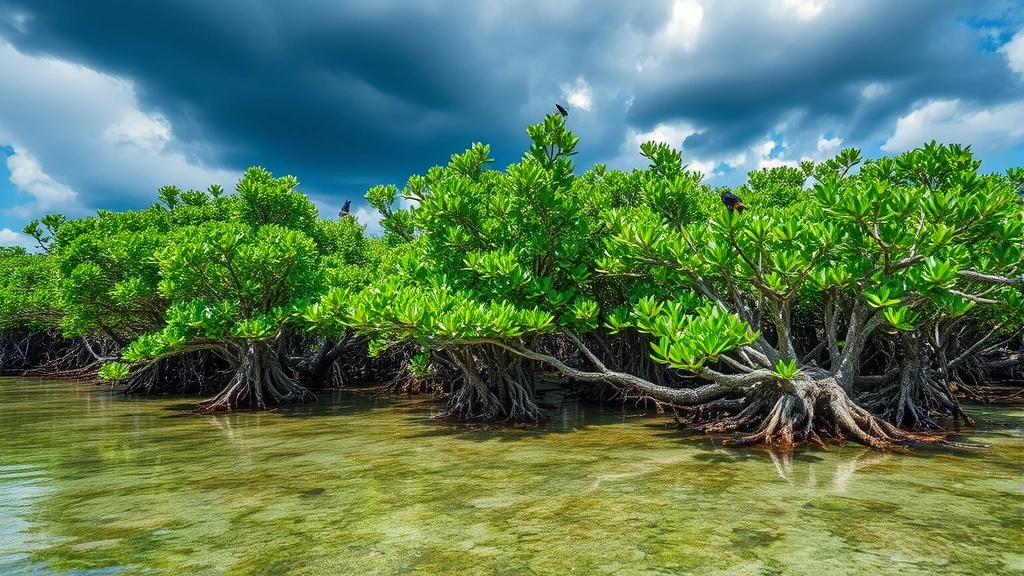
Southeast Asian mangrove conservation programs show how protection prevents costly disaster damage. Mangroves reduce hurricane and tsunami damage through wave attenuation. Indonesia and Thailand have launched mangrove restoration programs recognizing that protection costs less than disaster recovery. The 2004 Indian Ocean tsunami demonstrated this principle brutally—regions with intact mangroves suffered lower casualties and damage than deforested areas.
The Pantanal wetland system in South America generates enormous economic value through fisheries, tourism, and ecosystem services. Economic analysis demonstrates that conservation provides higher lifetime returns than cattle ranching or agricultural conversion. This analysis has influenced regional policy, with expanding protected areas recognizing wetland value.
African wetland conservation programs show employment and livelihood benefits. The Okavango Delta in Botswana generates tourism revenue supporting tens of thousands of people while maintaining ecological integrity. This model demonstrates how wetland protection can drive regional development without requiring resource extraction.
China’s Wetland Conservation Law represents policy recognition of economic benefits. Wetland protection has become national priority as understanding grows regarding ecosystem service value, particularly water purification and flood mitigation. Economic accounting now includes wetland benefits in national statistics, influencing policy decisions.
Research from the International Union for Conservation of Nature catalogs global wetland economics across diverse contexts. This research consistently demonstrates positive economic returns from protection, supporting policy advocacy for expanded conservation efforts.
The concept of environment awareness has grown substantially as economic data demonstrates wetland value. Public understanding that environmental protection generates economic benefits creates political support for conservation policies that might otherwise face resistance from development interests.
Recent studies in ecological economics journals examine how incorporating natural capital accounting into national GDP calculations would reveal the true economic contributions of wetland ecosystems. Such accounting reforms would likely accelerate conservation efforts by making economic benefits visible in standard economic metrics.
The Nature journal has published extensive research on wetland valuation methodologies and economic analyses. This peer-reviewed literature provides rigorous evidence supporting the economic case for protection, influencing policy discussions in international forums.
FAQ
How much economic value do wetlands provide annually?
Global wetland ecosystem services generate between $15-35 trillion annually according to various valuation studies. This encompasses water purification, carbon storage, fishery support, and flood mitigation. Per-hectare values range from $3,000-35,000 annually depending on wetland type and regional context.
Do wetland protection costs exceed economic benefits?
No. Comprehensive cost-benefit analyses show protection generates 7-15 dollars in benefits for every dollar invested. Benefits accrue across ecosystem services, employment, and avoided disaster costs, substantially exceeding protection expenses.
How do wetlands support fisheries economically?
Approximately 80% of global fish catches depend on wetland habitat during breeding or nursery stages. Wetland-dependent fisheries generate $100-200 billion annually in direct value, supporting tens of millions of jobs globally while providing essential protein for developing nations.
What employment does wetland conservation create?
Wetland conservation generates employment in restoration, management, tourism, research, and education sectors. Studies show wetland-based economies create more jobs per unit area than many alternative land uses, with greater employment stability than extractive industries.
How do wetlands mitigate climate change economically?
Wetlands store twice as much carbon as forests, providing carbon sequestration worth hundreds of billions at current market prices. Protection prevents release of stored carbon through degradation, avoiding climate change costs that far exceed conservation expenses.
Can wetland protection and economic development coexist?
Yes. Integrated approaches combining conservation with sustainable tourism, fisheries, and ecosystem service payments demonstrate that protection and development can reinforce each other. Multiple case studies show wetland-based economies outperform alternative approaches over time.