
How Ecosystems Impact Economy: A Deep Dive
The relationship between ecosystems and economic systems represents one of the most critical yet underexplored intersections in modern policy discourse. While conventional economic models have traditionally treated natural capital as an infinite resource, mounting empirical evidence demonstrates that ecosystem health directly determines long-term economic stability, resilience, and prosperity. From fisheries collapse to pollination services worth billions annually, the economic consequences of ecosystem degradation ripple through supply chains, labor markets, and investment portfolios globally.
Understanding this nexus requires moving beyond siloed disciplinary perspectives. Ecological economists, environmental scientists, and policy analysts increasingly recognize that ecosystems function as foundational infrastructure for all economic activity. When we examine how natural systems support agricultural productivity, regulate climate, purify water, and provide raw materials, we discover that ecosystem services generate trillions of dollars in annual economic value—value that remains largely invisible in conventional GDP calculations.
This comprehensive analysis explores the multifaceted mechanisms through which ecosystem conditions shape economic outcomes, examining case studies, quantifying hidden costs, and evaluating policy frameworks designed to internect ecological and economic objectives.
Ecosystem Services and Economic Value
Ecosystem services represent the direct and indirect contributions of natural systems to human wellbeing and economic productivity. The Millennium Ecosystem Assessment, a landmark 2005 study involving over 1,300 scientists, categorized these services into four types: provisioning services (food, water, materials), regulating services (climate, water purification, disease control), supporting services (nutrient cycling, soil formation), and cultural services (recreation, spiritual values, education).
Quantifying this value has proven methodologically challenging, yet economists have made significant strides. A 2014 study published in Nature estimated that global ecosystem services generate approximately $125 trillion annually in economic value. This figure dwarfs global GDP (approximately $100 trillion), yet these services receive minimal accounting in national economic statistics. The disconnect between ecosystem value and economic recognition creates perverse incentives favoring short-term extraction over long-term stewardship.
Pollination services alone—primarily provided by insects, birds, and bats—generate between $235 billion and $577 billion annually in agricultural productivity. Crop production dependent on animal pollinators represents roughly 35% of global food production by volume. Yet bee populations have declined by 25-45% in recent decades across North America and Europe, creating cascading economic risks for agricultural systems that have become structurally dependent on these services.
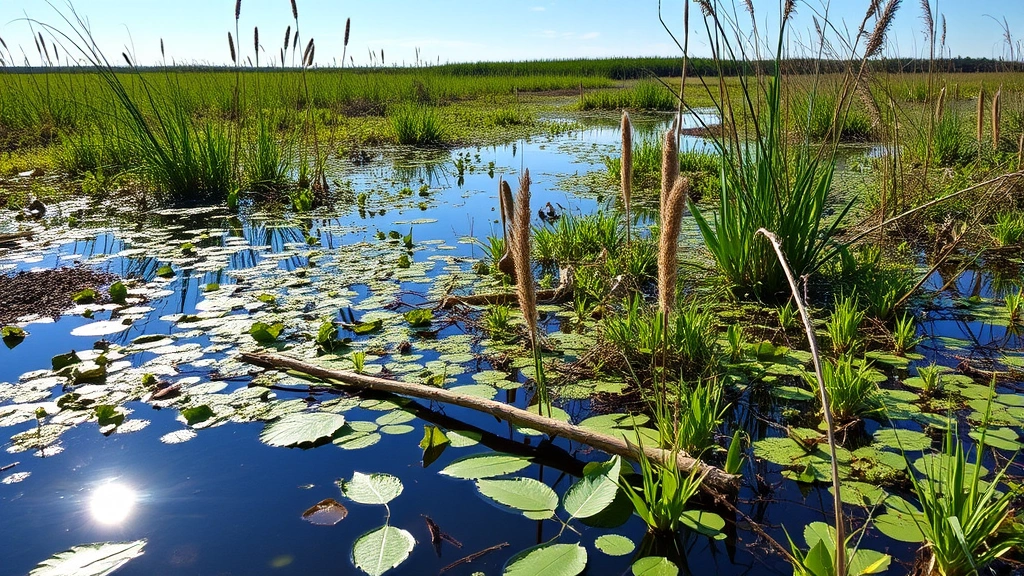
Water purification services provided by wetlands, forests, and aquifer systems eliminate the need for expensive artificial treatment infrastructure. A single hectare of wetland can filter contaminants from water at costs equivalent to industrial treatment facilities costing millions of dollars. Wetland destruction across the United States has reduced this natural purification capacity, necessitating increased public expenditure on water treatment infrastructure.
Biodiversity Loss and Economic Consequences
Biodiversity decline represents an economic externality of extraordinary magnitude. The United Nations Environment Programme estimates that biodiversity loss and ecosystem degradation cost the global economy $2-5 trillion annually through lost ecosystem services, reduced agricultural productivity, health impacts, and increased disaster vulnerability.
Species extinction rates currently exceed background rates by 100-1,000 fold, primarily driven by habitat destruction, pollution, climate change, and overexploitation. Each species extinction represents the loss of unique genetic information and ecological functions that may have provided undiscovered pharmaceutical compounds, agricultural traits, or ecosystem regulatory capacity. The pharmaceutical industry has historically derived 25-50% of new drug compounds from natural sources, yet we destroy potential medical discoveries at accelerating rates.
Coral reef ecosystems illustrate this principle vividly. Covering less than 0.1% of ocean floor, coral reefs support approximately 25% of marine species and generate $375 billion annually in ecosystem services and economic activity through fisheries, tourism, and coastal protection. Ocean acidification and warming-driven coral bleaching events have already destroyed 50% of global coral reefs. This degradation threatens food security for 500 million people and eliminates a critical pharmaceutical research frontier.
Agricultural biodiversity faces particular pressure. Global food production depends on approximately 7,000 plant species, yet just three crops—rice, wheat, and maize—provide 60% of human calories. This genetic narrowing increases vulnerability to pest outbreaks, disease, and climate variability. The Irish Potato Famine exemplifies how reduced crop diversity creates catastrophic economic and humanitarian consequences. Modern agricultural systems face similar risks as human environment interaction intensifies monoculture practices.
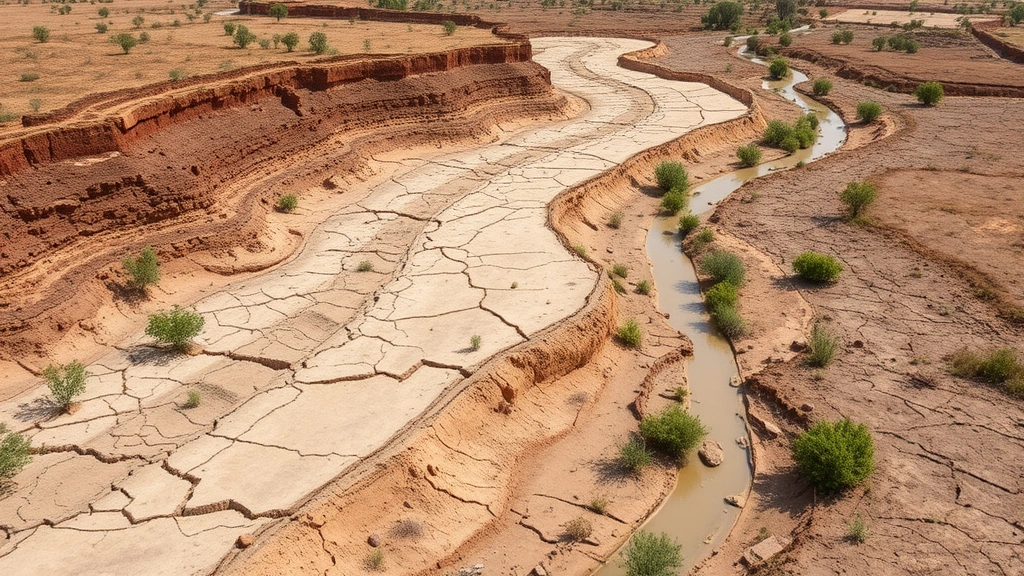
Forests harbor approximately 80% of terrestrial species while providing carbon sequestration, watershed protection, and raw materials worth trillions annually. Deforestation generates approximately $2-5 trillion in annual economic losses through carbon release, reduced precipitation patterns, and lost timber values—yet these costs remain externalized from market prices driving deforestation.
Supply Chain Vulnerabilities and Ecosystem Dependence
Modern supply chains exhibit profound dependencies on ecosystem stability that remain largely unquantified in corporate risk assessments. Approximately 40% of global GDP depends directly or indirectly on nature, according to World Bank analysis. When ecosystem degradation disrupts these dependencies, economic shocks propagate through interconnected global networks with unpredictable severity.
Agricultural supply chains demonstrate this vulnerability clearly. Coffee production, valued at $100+ billion annually, depends entirely on specific climate conditions, pollinator populations, and soil health. Coffee plants thrive in narrow temperature and rainfall ranges found in tropical highlands. Climate warming shifts these suitable zones upslope and poleward, reducing viable growing regions. Simultaneously, Frosty Pod Rot fungal disease has devastated cacao crops across West Africa, where 75% of global cocoa originates. These ecosystem disruptions cascade through food supply systems, affecting global commodity prices and farmer livelihoods.
Fisheries represent another critical vulnerability. Approximately 3.2 billion people depend on fish for protein, while 260 million people earn livelihoods from fishing and aquaculture. Ocean ecosystem degradation—driven by overfishing, pollution, and climate change—has collapsed multiple major fisheries. The Atlantic cod fishery collapse in 1992 eliminated 40,000 jobs and cost $2 billion in income support within years. Similar collapses threaten Pacific salmon, Mediterranean bluefin tuna, and Southeast Asian shrimp fisheries.
Textile and apparel manufacturing depends on cotton, which requires substantial freshwater, fertilizers, and pesticides. Ecosystem degradation in cotton-growing regions—particularly water depletion in Central Asia—threatens this $375 billion industry. Learn more about sustainable fashion brands addressing these supply chain vulnerabilities through ecosystem-conscious sourcing.
Pharmaceutical and cosmetic industries depend on biodiversity for active compounds, yet rarely invest in ecosystem conservation. This creates a market failure where companies benefit from ecosystem services without bearing conservation costs. The absence of proper conda environment principles in supply chain management—establishing controlled parameters for sustainable sourcing—leaves industries vulnerable to sudden ecosystem collapse.
Climate Systems and Economic Stability
Climate regulation represents perhaps the most economically significant ecosystem service, yet remains fundamentally undervalued in economic analysis. Forests, oceans, and wetlands sequester carbon at scales that directly determine atmospheric CO2 concentrations and global temperature trajectories. This natural carbon sequestration capacity generates economic value equivalent to global energy infrastructure, yet receives virtually no market compensation.
The economic costs of climate instability already exceed $280 billion annually in direct disaster losses, agricultural disruption, and health impacts. This figure excludes indirect costs through supply chain disruption, asset devaluation, and productivity decline. The Stern Review on the Economics of Climate Change estimated that unmitigated climate change could reduce global GDP by 5-20% permanently, while mitigation investments require only 1% of global GDP annually.
Ecosystem degradation accelerates climate change through reduced carbon sequestration and increased emissions. Wetland drainage releases methane and CO2 stored in soils for millennia. Deforestation eliminates carbon sinks while releasing stored carbon. Permafrost thaw in Arctic regions—driven by warming—releases additional greenhouse gases in positive feedback loops. These ecosystem-climate interactions create non-linear tipping points where gradual degradation suddenly triggers abrupt climate shifts.
Agricultural productivity faces direct climate impacts mediated by ecosystem conditions. Soil health—determined by microbial communities, organic matter, and structural integrity—determines crop yields under water stress and temperature extremes. Ecosystem-degraded soils exhibit reduced water retention and nutrient cycling, amplifying climate vulnerability. Regenerative agriculture practices that restore ecosystem function can increase yields by 20-40% while sequestering carbon.
Policy Integration and Market Mechanisms
Addressing ecosystem-economy linkages requires policy frameworks that internalize environmental costs into economic decision-making. Current policy approaches remain fragmented, with environmental and economic policy developed in parallel rather than integrated.
Natural capital accounting represents one promising framework. Rather than treating ecosystem degradation as costless, this approach values natural assets like forests and fisheries in national accounts similar to manufactured capital. Costa Rica pioneered Payment for Ecosystem Services (PES) programs, compensating landowners for forest conservation. This approach generated $1 billion in conservation investment while maintaining forest cover at 52% of national territory—reversing earlier deforestation trends.
Carbon pricing mechanisms—whether through taxes or cap-and-trade systems—attempt to internalize climate costs into energy and transportation markets. The European Union Emissions Trading System covers approximately 40% of EU emissions and has generated billions in revenue for clean energy transition. However, carbon prices remain below levels necessary to drive transformative change, typically $50-100 per ton CO2 equivalent while climate damages require $100-300+ per ton pricing.
Biodiversity offsetting and mitigation banking programs allow development projects to proceed while funding conservation elsewhere. However, these mechanisms often prove ineffective, as offsets rarely achieve equivalent ecological value to destroyed habitats. Wetland mitigation in the United States, for example, has consistently failed to replace lost wetland functions despite decades of regulatory requirements.
Subsidy reform represents a critical policy lever. Global agricultural subsidies total approximately $700 billion annually, predominantly supporting industrial monoculture and resource-intensive production systems that degrade ecosystems. Redirecting even 20% of these subsidies toward regenerative agriculture and ecosystem restoration could transform global food systems while generating net economic benefits through improved soil health and reduced input costs.
International agreements including the Convention on Biological Diversity and Paris Climate Agreement establish normative frameworks for ecosystem protection, yet enforcement mechanisms remain weak. National implementation typically lags commitments due to perceived conflicts between environmental protection and economic growth—a false dichotomy increasingly refuted by empirical evidence.
Regional Case Studies and Economic Impacts
The Pantanal wetland system spanning Brazil, Bolivia, and Paraguay illustrates ecosystem-economy linkages at landscape scale. This 140,000 square kilometer ecosystem provides water regulation, fisheries, and tourism generating $2.5 billion annually. Cattle ranching expansion and agricultural development threaten this system, with proposed dams and drainage reducing water flow. Economic modeling suggests ecosystem destruction would eliminate these ecosystem service flows, yet short-term agricultural profits drive continued degradation—a classic tragedy of the commons where individual incentives diverge from collective interests.
Indonesia’s peat forests represent another critical case. These ecosystems store 42 billion tons of carbon—equivalent to 10 years of global fossil fuel emissions. Palm oil expansion has drained peat forests, releasing this carbon while destroying habitat for orangutans and other species. The economic value of carbon storage and avoided climate damages ($2-5 trillion) far exceeds palm oil industry revenues ($20 billion annually), yet policy frameworks fail to capture this value differential. Farmers face immediate income from palm cultivation versus abstract future climate benefits—a temporal mismatch that drives ecosystem destruction despite net negative economic returns.
The Great Barrier Reef case demonstrates tourism-ecosystem linkages. This ecosystem generates $5.6 billion annually in tourism and supports 64,000 jobs. Coral bleaching driven by warming waters threatens this economic foundation, yet climate policy remains inadequate to prevent further degradation. Economic analysis suggests that investing in emissions reduction and reef restoration now costs less than managing economic collapse of reef-dependent communities later.
Restoration economics increasingly demonstrate positive returns. Wetland restoration in the Upper Mississippi River basin costs approximately $2,000-4,000 per hectare but generates $4,000-8,000 annually in ecosystem service values through flood regulation, water purification, and fisheries support. Mangrove restoration in Southeast Asia costs $1,000-2,000 per hectare while providing $2,000-3,000 in annual services through fish nursery habitat and coastal protection. These positive returns suggest that ecosystem restoration represents attractive economic investment, not merely environmental charity.
Frequently Asked Questions
How do ecosystems directly impact GDP and economic growth?
Ecosystems provide foundational services—pollination, water purification, climate regulation, nutrient cycling—that enable all economic activity. When ecosystem degradation reduces these services, economic productivity declines through reduced agricultural yields, increased infrastructure costs, supply chain disruption, and health impacts. Ecosystem collapse can reduce regional GDP by 10-30% within years, as demonstrated by fisheries collapses and deforestation impacts.
Why don’t ecosystem values appear in traditional economic accounting?
Conventional GDP measures only market transactions, excluding non-market ecosystem services. A forest provides pollination, carbon sequestration, watershed protection, and biodiversity habitat worth trillions annually, yet these services generate zero GDP until the forest is converted to agricultural land or timber. This accounting framework creates systematic bias toward ecosystem destruction. Natural capital accounting frameworks address this limitation by valuing ecosystem stocks and flows similar to manufactured capital.
Can economic growth and ecosystem protection be compatible?
Yes, but only through fundamental economic restructuring. Decoupling economic growth from resource consumption and environmental degradation requires shifting from linear extraction-consumption-disposal models toward circular economies emphasizing regeneration and restoration. Renewable energy, regenerative agriculture, and ecosystem restoration industries generate employment while improving environmental conditions. However, this transition requires policy support and investment redirection away from extractive industries.
How should policymakers balance short-term economic needs with long-term ecosystem protection?
This represents a false dichotomy. Ecosystem protection generates economic benefits exceeding costs at any reasonable discount rate. The challenge involves temporal mismatch—ecosystem benefits accrue over decades while costs concentrate in short-term transitions. Policy solutions include subsidizing ecosystem-positive industries during transition periods, implementing carbon pricing that reflects true climate costs, and establishing long-term investment frameworks that value ecosystem restoration. Understanding how to reduce carbon footprint across economic sectors provides concrete implementation pathways.
What role does ecosystem monitoring play in economic decision-making?
Comprehensive ecosystem monitoring provides early warning of degradation before economic impacts become catastrophic. Monitoring pollinator populations, forest health, soil quality, and water availability enables predictive assessment of agricultural productivity and supply chain risks. Integration of ecological monitoring into corporate risk assessment and financial regulation ensures that ecosystem dependencies receive appropriate strategic attention. This approach transforms ecosystem monitoring from environmental niche concern into central economic intelligence.


