
Eco Jobs at CDPHE: Opportunities & Insights in Colorado’s Environmental Sector
The Colorado Department of Public Health and Environment (CDPHE) stands as a cornerstone institution for environmental protection, public health advancement, and sustainable economic development across Colorado. As climate change accelerates and environmental regulations intensify, CDPHE has become a major employer for professionals committed to bridging the gap between ecological preservation and economic prosperity. The department offers diverse career pathways that appeal to scientists, engineers, policy analysts, and environmental advocates seeking meaningful work that directly impacts both human wellbeing and ecosystem health.
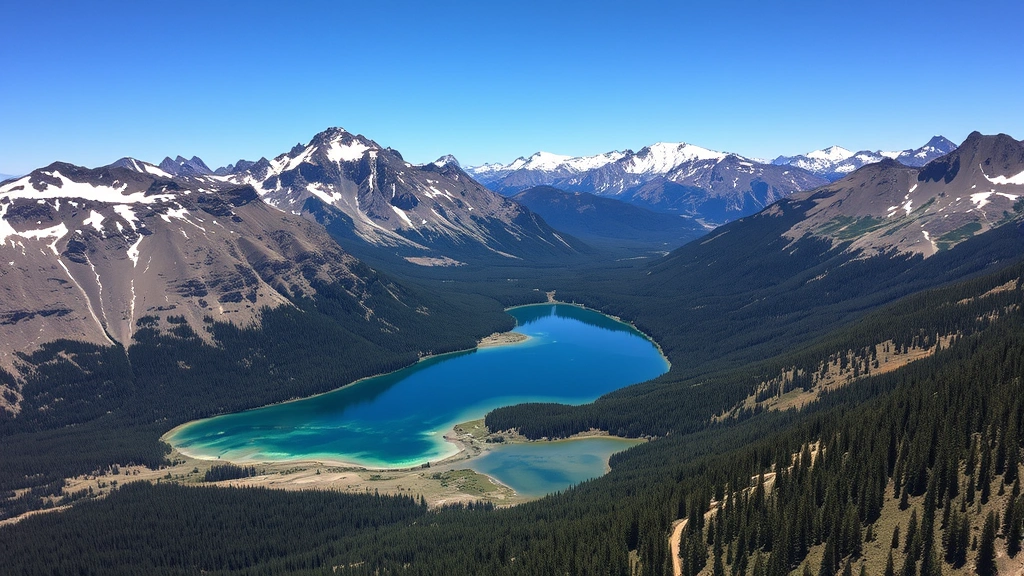
Employment at CDPHE represents more than a job opportunity—it represents participation in the evolving relationship between human-environment interaction at scale. With Colorado’s unique geography spanning high mountain ecosystems, arid plains, and critical watershed systems, CDPHE professionals work on some of North America’s most pressing environmental challenges, from air quality management to water resource protection and hazardous waste remediation.
This comprehensive guide explores the landscape of environmental career opportunities within CDPHE, examining position types, required qualifications, career progression pathways, and the broader economic and ecological significance of this work.
Understanding CDPHE’s Mission and Structure
The Colorado Department of Public Health and Environment operates under a dual mandate: protecting public health while preserving the state’s natural resources and environmental integrity. This organizational framework creates unique employment opportunities that span traditional environmental science roles alongside public health administration, policy development, and ecosystem management positions.
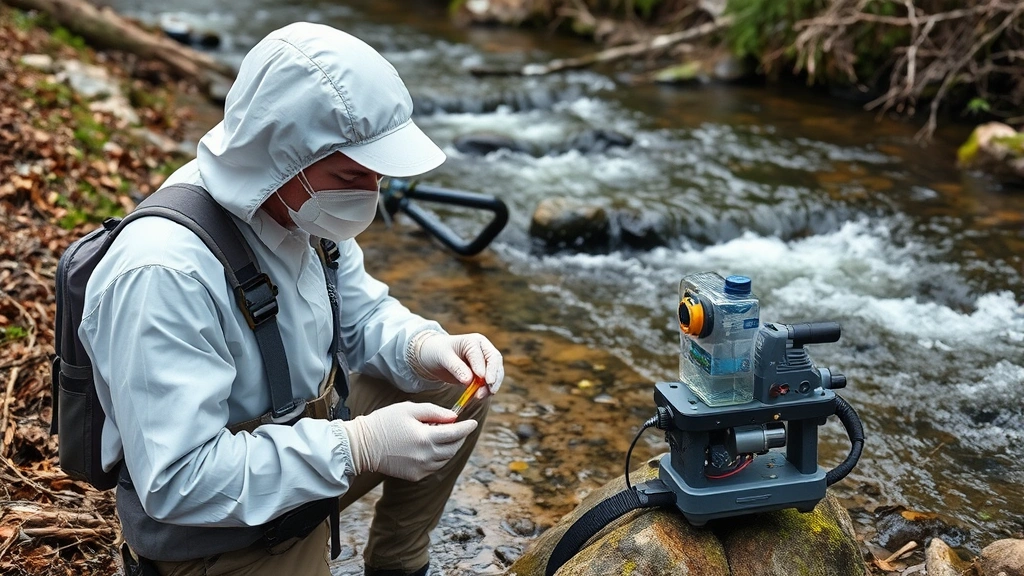
CDPHE functions through several major divisions, each addressing distinct environmental and health sectors. The Air Pollution Control Division manages Colorado’s air quality standards and implements federal Clean Air Act requirements. The Water Quality Control Division oversees surface water and groundwater protection, addressing pollution prevention and remediation. The Hazardous Waste and Remediation Division handles contaminated site assessment and cleanup operations. The Public Health and Environment Laboratory Division provides analytical support across all departmental functions. The Environmental Epidemiology and Occupational Health Division examines health outcomes related to environmental exposure.
Understanding this structure proves essential for job seekers, as each division recruits for distinct specializations. A professional interested in atmospheric science would target the Air Pollution Control Division, while someone focused on environmental science broadly might find opportunities across multiple divisions depending on specific expertise.
The department’s budget reflects Colorado’s commitment to environmental stewardship, with funding derived from state appropriations, federal grants, and fee-based programs. This diverse funding structure creates employment stability—positions aren’t entirely dependent on single budget cycles, and federal environmental programs ensure sustained hiring for specialized technical roles.

Primary Job Categories and Divisions
Environmental Scientists and Specialists represent the largest employment category within CDPHE. These professionals conduct field investigations, analyze environmental samples, model pollution patterns, and develop remediation strategies. They work across air quality assessment, water contamination investigation, soil analysis, and ecosystem health evaluation. Most positions require bachelor’s degrees in environmental science, geology, chemistry, or related disciplines, with many senior roles requiring master’s degrees or Ph.D. credentials.
Environmental Scientists at CDPHE typically earn between $45,000 and $75,000 annually depending on experience and specialization, with opportunities for advancement to supervisory roles paying $80,000-$110,000. The work directly addresses types of environments across Colorado’s diverse geography, from alpine watersheds to urban air sheds.
Engineers specializing in environmental systems design treatment facilities, pollution control equipment, and remediation systems. Civil engineers, chemical engineers, and environmental engineers develop infrastructure addressing water treatment, wastewater management, hazardous waste containment, and air pollution abatement. These positions typically require Professional Engineer (PE) licensure or eligibility for PE examination. Salaries range from $55,000 to $95,000 for mid-level positions, with senior engineering roles commanding $100,000-$140,000.
Environmental Health Specialists investigate environmental health hazards, conduct exposure assessments, and develop mitigation recommendations. These professionals examine relationships between environmental conditions and public health outcomes, investigating lead exposure in housing, radon concentrations, indoor air quality, and occupational environmental exposures. Positions require bachelor’s degrees in environmental health, public health, industrial hygiene, or related fields. Salaries typically range from $42,000 to $68,000.
Environmental Policy Analysts and Planners develop regulatory frameworks, analyze policy effectiveness, and coordinate compliance initiatives. These professionals work at the intersection of environmental science and governance, translating ecological data into implementable regulations. Positions require strong analytical skills, policy knowledge, and often graduate degrees in environmental policy, public administration, or law. Compensation ranges from $48,000 to $85,000 depending on experience and policy specialization.
Laboratory Technicians and Analysts perform chemical analysis, microbial testing, and environmental sample processing. These positions require associate degrees or bachelor’s degrees in chemistry, microbiology, or related fields. Laboratory work provides entry-level opportunities into environmental careers, with salaries from $35,000 to $55,000. Many professionals use laboratory positions as stepping stones toward senior environmental specialist roles.
Administrative and Support Positions include program coordinators, administrative specialists, and project managers who support environmental initiatives. While not strictly technical roles, these positions require understanding of environmental concepts and regulatory frameworks. Salaries range from $32,000 to $52,000, providing accessible entry points for those transitioning into environmental sectors.
CDPHE also recruits for specialized roles in environmental science subfields including environmental toxicology, ecological restoration, environmental justice analysis, and climate adaptation planning. These emerging specializations reflect evolving environmental challenges and represent growth areas for employment.
Key Skills and Qualifications
Successful CDPHE candidates combine technical expertise with professional competencies aligned with government environmental work. Technical skills vary by position but commonly include environmental sampling and analysis, Geographic Information Systems (GIS) mapping, environmental modeling software, water quality assessment, air quality monitoring, and contaminated site investigation techniques.
Educational requirements generally follow tiered structures. Entry-level positions require high school diplomas or associate degrees. Mid-career positions typically require bachelor’s degrees in environmental science, engineering, chemistry, geology, biology, or public health. Senior technical and all management positions generally require master’s degrees, with many requiring specialized certifications or professional licensure.
Beyond formal credentials, CDPHE values certifications including Certified Environmental Professional (CEP), Certified Environmental Quality Manager (CEQM), Professional Engineer (PE) licensure, Certified Industrial Hygienist (CIH), and Certified Hazardous Materials Manager (CHMM). These certifications demonstrate commitment to environmental professionalism and often lead to salary increases and advancement opportunities.
Professional competencies prove equally important. CDPHE values strong communication abilities—environmental professionals must translate complex scientific data into understandable formats for policymakers, business stakeholders, and the public. Project management skills, regulatory knowledge, stakeholder engagement experience, and collaborative problem-solving abilities distinguish competitive candidates.
Experience with federal environmental programs including the Clean Air Act, Clean Water Act, Resource Conservation and Recovery Act (RCRA), and Comprehensive Environmental Response, Compensation, and Liability Act (CERCLA) provides significant advantages. Understanding Colorado-specific environmental regulations and state water law proves valuable, particularly for positions involving water resources or regulatory compliance.
Computer literacy extends beyond basic office skills. Environmental professionals need competency with environmental modeling software, data analysis platforms, GIS systems, and specialized laboratory information management systems. Statistical analysis proficiency, database management, and report writing capabilities are increasingly important as environmental work becomes more data-intensive.
Career Advancement Opportunities
CDPHE offers structured career progression reflecting Colorado’s state employment framework. Entry-level positions (GS-4 to GS-6 equivalents) provide foundational experience in environmental analysis, laboratory work, or administrative support. Professionals typically spend 2-4 years developing technical competencies before advancing to mid-level positions.
Mid-career advancement (GS-7 to GS-11 equivalents) involves increased technical responsibility, project leadership, and specialized expertise development. Environmental Scientists might advance to Senior Environmental Scientist roles, leading complex investigations or managing technical programs. Engineers advance to Senior Engineer positions overseeing system design and regulatory compliance. Laboratory Analysts advance to Laboratory Supervisor or Specialist Analyst roles. Salaries increase substantially at this level, often jumping 20-30% relative to entry positions.
Senior technical positions (GS-12 and above) require demonstrated expertise, often involving management responsibilities, policy influence, or highly specialized technical knowledge. These roles might include Program Manager, Section Chief, or Senior Technical Specialist positions. Advancement to these levels typically requires 8-12 years of experience, advanced degrees, and strong professional networks within Colorado’s environmental sector.
Management career tracks provide alternative advancement pathways. Environmental professionals with strong leadership abilities can transition into supervisory, management, or administrative roles. These positions involve overseeing teams, managing budgets, coordinating programs, and interfacing with external stakeholders including federal agencies, local governments, and regulated industries. Management positions typically require master’s degrees and demonstrated leadership experience.
Specialized expertise advancement involves developing deep knowledge in specific environmental domains. Professionals might become recognized experts in Colorado water law, alpine ecosystem management, urban air quality, or contaminated site remediation. This expertise path often leads to consulting opportunities, speaking engagements, and external recognition within environmental professional communities.
Professional development opportunities within CDPHE support career advancement. The department provides funding for professional certifications, conference attendance, and continuing education. Employees access training in environmental regulations, emerging technologies, leadership development, and technical specializations. Many professionals advance while pursuing graduate degrees through tuition assistance programs.
Lateral movement opportunities exist across CDPHE divisions. An environmental scientist in the Air Pollution Control Division might transition into the Water Quality Control Division, expanding expertise across environmental domains. These lateral moves provide career variety while building comprehensive environmental knowledge. Professionals often develop broader perspectives through such transitions, enhancing their value for senior positions.
Economic Impact of Environmental Employment
Employment at CDPHE represents participation in the broader environmental economy, a sector experiencing substantial growth across North America. According to World Bank analyses, environmental protection and natural resource management sectors generate increasing employment and economic value as ecological awareness expands and regulatory frameworks strengthen.
Colorado’s environmental employment sector has grown approximately 3-4% annually over the past decade, outpacing overall employment growth. This expansion reflects increased demand for environmental compliance, growing renewable energy sectors requiring environmental assessment, climate adaptation planning needs, and remediation of legacy environmental contamination. CDPHE, as the state’s primary environmental regulator, anchors this employment ecosystem.
The economic significance extends beyond direct employment. CDPHE employees generate substantial economic activity through spending in Colorado communities, supporting local businesses and tax bases. Environmental professionals typically earn middle-to-upper-class incomes, creating stable consumer demand. Studies examining environmental employment multiplier effects suggest each CDPHE job supports approximately 1.5-2.0 additional jobs in supporting sectors including consulting, equipment manufacturing, and professional services.
Environmental employment also reflects emerging understanding of ecological economics—the recognition that economic systems depend fundamentally on ecosystem services and natural capital. United Nations Environment Programme research demonstrates that environmental protection employment generates positive economic returns through avoided pollution costs, ecosystem service preservation, and enhanced public health. CDPHE work directly implements these economic principles, managing natural capital and preventing environmental degradation that would impose substantial costs on Colorado’s economy.
Water quality employment illustrates these economic relationships. CDPHE water quality specialists protect Colorado’s water resources, critical for agriculture, energy production, municipal supply, and recreation. Protecting water quality costs far less than remediating contaminated supplies or losing agricultural productivity. The economic value of CDPHE’s water protection work exceeds direct employment costs by multiples, representing substantial net economic benefit.
Air quality employment similarly generates economic value. CDPHE air quality specialists manage pollution that would otherwise impose health costs through increased respiratory disease, cardiovascular illness, and premature mortality. The American Lung Association estimates Colorado air pollution costs the state approximately $4-6 billion annually in health impacts and lost productivity. CDPHE employment in air quality protection prevents significant portions of these costs through pollution prevention and control implementation.
Hazardous waste and contaminated site remediation employment addresses legacy environmental damage that threatens public health and constrains economic development. Thousands of Colorado sites contain environmental contamination from historical industrial, mining, or military activities. CDPHE remediation professionals manage cleanup operations that restore sites for productive economic uses, supporting real estate development, business expansion, and community revitalization. This work demonstrates how environmental protection enables rather than constrains economic development.
Climate adaptation planning represents an emerging employment area within CDPHE and broader Colorado environmental sectors. As climate change intensifies, demand grows for professionals assessing climate impacts, developing adaptation strategies, and implementing resilience measures. CDPHE positions increasingly incorporate climate considerations, creating employment opportunities for professionals with climate science expertise and adaptation planning knowledge.
The relationship between environmental employment and how to reduce carbon footprint initiatives extends to CDPHE operations themselves. The department increasingly prioritizes sustainability in its own operations, reducing energy consumption, promoting telework to minimize transportation emissions, and implementing waste reduction programs. These initiatives create employment for sustainability specialists and green building professionals.
Application Process and Timeline
CDPHE recruitment follows Colorado state government employment procedures, accessible through the Colorado Department of Personnel and Administration (CDPA) job portal and CDPHE’s dedicated careers page. Prospective applicants should regularly monitor these platforms for position announcements, as CDPHE continuously recruits for various roles depending on funding and staffing needs.
The application process requires creating accounts on Colorado’s state employment system, completing detailed applications including educational credentials, work experience, and technical skills documentation. Applicants must demonstrate how their qualifications align with specific position requirements and preferred qualifications. Well-crafted applications explicitly connecting candidate experience to job descriptions substantially increase competitiveness.
Most CDPHE positions require application submission through online systems, with some accepting supplementary materials including portfolios, technical writing samples, or published research. Environmental professionals with academic publications, professional presentations, or recognized certifications should highlight these achievements in applications and supplementary materials.
The hiring timeline typically spans 4-8 weeks from application closing dates to hiring decisions, though complex positions or those requiring extensive background investigations may extend timelines. Selected candidates advance through interview processes, typically involving technical interviews with hiring managers and sometimes panel interviews including team members and supervisors. Candidates should prepare to discuss environmental challenges, regulatory frameworks, and specific case studies relevant to position focus areas.
Background investigations precede final offers, standard for government positions. Candidates should ensure criminal history, financial records, and employment history withstand scrutiny. Some positions involving hazardous materials or sensitive information require more extensive investigations including security clearances.
Once hired, new employees typically complete onboarding including orientation to CDPHE operations, environmental regulations, safety procedures, and specific division training. Many positions require field training or laboratory certification before independent work authorization. Professional development begins immediately, with supervisors identifying skill development opportunities aligned with career goals.
Salary negotiations with CDPHE follow structured government pay scales with limited flexibility. However, candidates with extensive experience or specialized credentials may qualify for higher starting positions within hiring ranges. Discussing placement within authorized pay ranges during hiring discussions proves appropriate.
Benefits accompanying CDPHE employment include comprehensive health insurance, dental coverage, vision coverage, life insurance, disability insurance, and retirement programs. Colorado state employees participate in PERA (Public Employees’ Retirement Association), offering defined benefit pension plans. Vacation leave, sick leave, and paid holidays provide additional compensation value. Professional development funding, tuition assistance, and flexible work arrangements increasingly characterize CDPHE employment, particularly for technical specialists.
Frequently Asked Questions
What educational background do I need for CDPHE environmental positions?
Educational requirements vary by position level. Entry-level laboratory or administrative positions typically require high school diplomas or associate degrees. Mid-career environmental science or engineering positions require bachelor’s degrees in environmental science, engineering, chemistry, geology, biology, or related disciplines. Senior technical positions and all management roles typically require master’s degrees. Specialized certifications often substitute partially for formal education with equivalent experience, though government positions generally prioritize formal credentials.
Are environmental positions at CDPHE stable employment?
Yes, CDPHE positions offer substantial employment stability. Government environmental positions benefit from federal regulatory requirements ensuring continued environmental protection needs. Unlike private sector environmental consulting that fluctuates with business cycles, government environmental employment remains relatively consistent. Colorado’s commitment to environmental protection, reflected in state funding and federal program participation, ensures sustained employment opportunities. Benefits including pensions, health insurance, and job security enhance overall compensation value beyond salaries.
What is the typical salary range for CDPHE environmental positions?
Salaries vary substantially by position type and experience level. Entry-level laboratory or administrative positions start around $32,000-$38,000 annually. Mid-career environmental scientist positions range from $45,000-$75,000. Senior environmental specialists earn $75,000-$110,000. Engineers typically earn $55,000-$95,000 for mid-career positions, with senior engineers earning $100,000-$140,000. Management positions often exceed $100,000. These figures reflect Colorado state pay scales and may increase with experience, advanced degrees, and specialized certifications.
Do I need professional licenses for CDPHE environmental positions?
Professional licensing requirements depend on specific positions. Engineering positions typically require Professional Engineer (PE) licensure or eligibility for examination. Some specialized roles like Certified Industrial Hygienist (CIH) or Certified Environmental Professional (CEP) positions prefer or require relevant certifications. Most environmental scientist and technical specialist positions don’t require licensure but benefit from professional certifications. Review specific position requirements before applying.
What advancement opportunities exist at CDPHE?
CDPHE offers multiple advancement pathways. Technical specialists advance through increasingly senior specialist roles to positions like Program Manager or Section Chief. Laboratory analysts advance to supervisory or specialist positions. Environmental engineers advance to senior engineering roles with increased responsibility. Management tracks provide alternative advancement for those with leadership interests. Lateral movement across divisions enables career variety and broader expertise development. Most professionals can advance significantly with 8-12 years of experience and continued professional development.
How often does CDPHE recruit for positions?
CDPHE maintains continuous recruitment for various positions depending on funding, retirements, and departmental needs. Positions become available throughout the year, with particular hiring surges in spring and early fall. Prospective candidates should monitor Colorado state employment portals regularly and consider subscribing to position notification services. Networking within Colorado’s environmental community often provides advance notice of upcoming opportunities.
Can I work remotely at CDPHE?
Remote work policies at CDPHE have evolved, particularly following pandemic-related changes. Administrative and policy positions increasingly offer remote or hybrid arrangements. Laboratory and field-based positions require on-site work. Specific remote work availability depends on position type and supervisor discretion. Candidates should inquire about telework arrangements during hiring discussions. Emerging trends suggest increased flexibility for positions not requiring laboratory or field work.
What makes competitive CDPHE candidates?
Successful candidates combine technical expertise with strong communication abilities, regulatory knowledge, and demonstrated commitment to environmental protection. Advanced degrees, professional certifications, and publications strengthen applications. Experience with federal environmental programs (Clean Air Act, Clean Water Act, RCRA, CERCLA) proves valuable. Colorado-specific knowledge including water law and state regulations provides advantages. Strong project management experience, stakeholder engagement skills, and collaborative problem-solving abilities distinguish top candidates. Applicants should clearly articulate how their experience addresses specific position requirements.