Rome, NY’s Eco Impact: Economic Insights into a Clean Environment
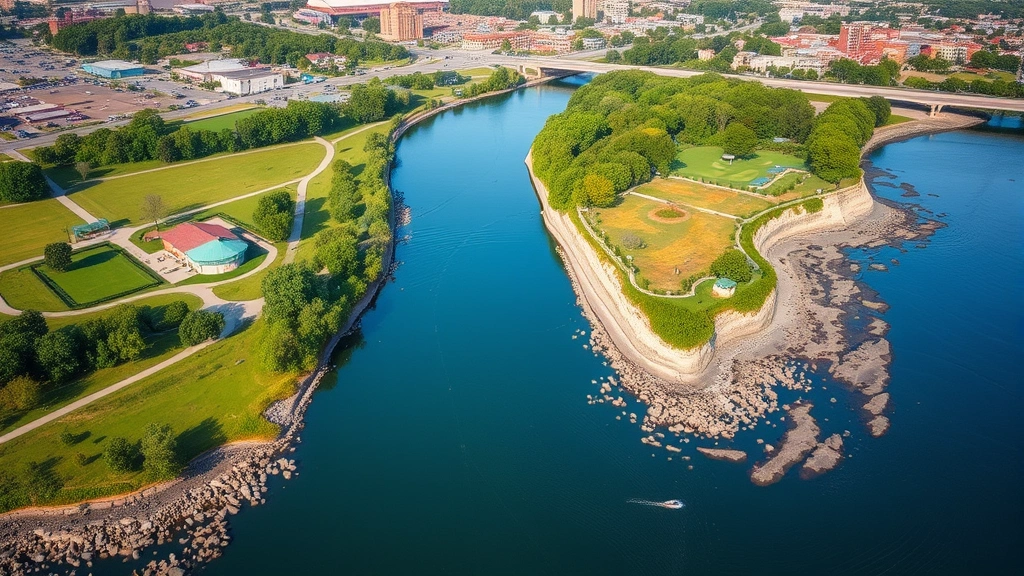
Rome, New York, a city of approximately 32,000 residents in Oneida County, stands at a critical juncture where environmental stewardship and economic development intersect. Once an industrial hub centered around defense manufacturing and copper production, Rome has undergone significant transformations that directly impact both its ecological footprint and economic trajectory. Understanding the relationship between a clean environment and economic prosperity reveals how this upstate city is navigating the complex challenges of post-industrial recovery while simultaneously addressing pressing environmental concerns.
The economic implications of maintaining a clean environment in Rome extend far beyond traditional cost-benefit analyses. Research from ecological economics demonstrates that environmental degradation imposes substantial hidden costs on communities through healthcare expenses, reduced property values, and diminished quality of life. Conversely, investments in environmental remediation and clean infrastructure generate measurable economic returns through job creation, increased tourism, and enhanced workforce productivity. Rome’s journey toward environmental sustainability offers valuable insights into how rust-belt communities can leverage ecological restoration as an economic development strategy.
Historical Environmental Challenges and Industrial Legacy
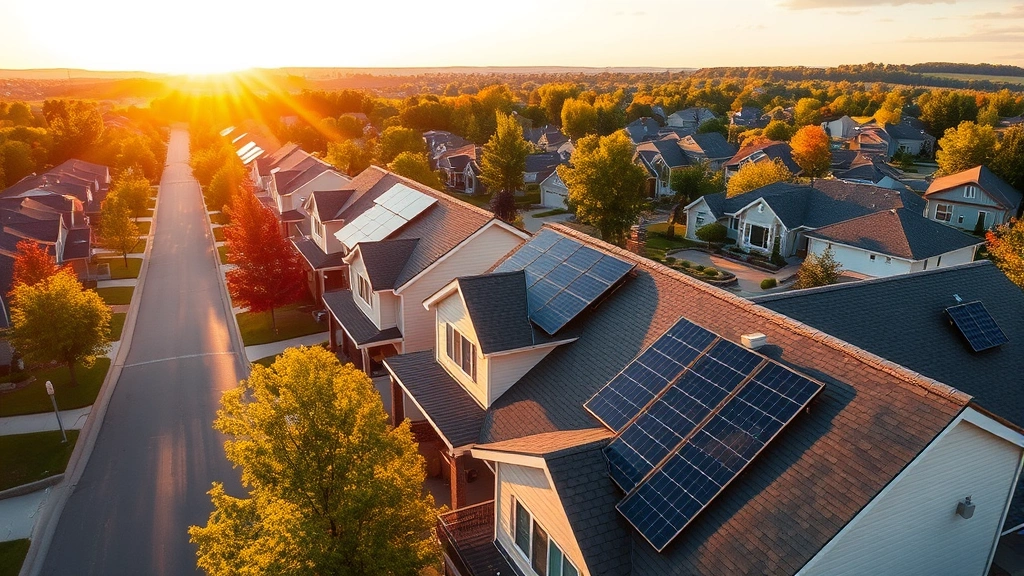
Rome’s industrial past created substantial environmental liabilities that continue shaping the city’s economic and ecological landscape today. The Revere Copper and Brass Company, once a major employer, left behind contaminated sites and air quality degradation that persisted for decades. The Department of Defense installations contributed to soil and groundwater contamination through military manufacturing processes. These industrial activities generated what economists call “negative externalities”—costs borne by society rather than the polluting enterprises themselves.
The scientific definition of environment encompasses both natural systems and human-modified landscapes, making Rome’s industrial zones particularly relevant to environmental economic analysis. The brownfield sites scattered throughout the city represent both environmental liabilities and economic opportunities. According to the U.S. Environmental Protection Agency, brownfield remediation generates approximately $7.50 in economic benefit for every dollar invested, through job creation, increased property tax revenues, and reduced public health costs.
The transition from heavy manufacturing to a post-industrial economy forced Rome to confront decades of accumulated environmental damage. Soil contamination from copper smelting operations, PCB-contaminated sediments in the Mohawk River, and atmospheric pollution created public health burdens that economists quantify as reduced life expectancy and increased medical expenditures. A study by the World Bank estimates that environmental degradation in rust-belt communities costs approximately 4-6% of annual regional GDP through health impacts and lost productivity.
Current Environmental Status and Quality Metrics
Rome’s air quality has improved substantially since the 1980s, though challenges remain. The city currently meets National Ambient Air Quality Standards for most pollutants, though ground-level ozone remains a concern during summer months. Particulate matter concentrations have declined by approximately 40% over the past two decades, reflecting both industrial restructuring and emissions control regulations. This improvement generates quantifiable economic benefits through reduced respiratory illness, lower healthcare costs, and increased worker productivity.
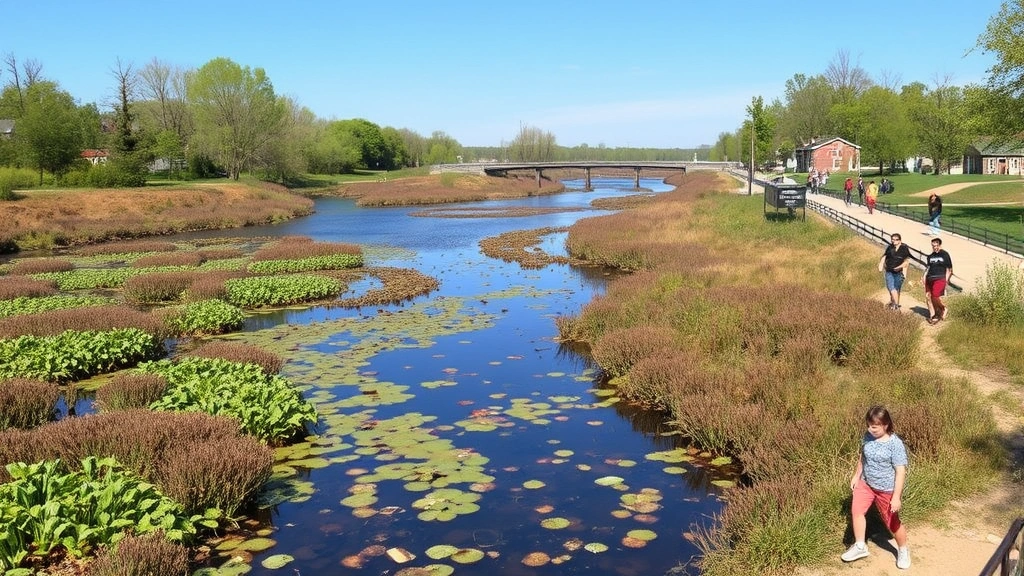
Water quality represents a more complex challenge. The Mohawk River, which flows through Rome, carries legacy contamination from historical industrial operations. PCB levels in fish tissue exceed consumption guidelines, limiting recreational fishing opportunities and reducing amenity values associated with riverfront properties. However, ongoing remediation efforts, including dredging operations and habitat restoration, represent significant investments in environmental recovery. The New York State Department of Environmental Conservation has allocated substantial funding for Superfund site cleanups and brownfield remediation throughout the region.
The Ecorise Daily Blog provides ongoing coverage of environmental remediation projects and their economic implications for communities undergoing ecological restoration. Measuring environmental quality through indicators like air quality index, water quality standards, and habitat health provides the empirical foundation for assessing economic impacts. When environmental metrics improve, property values typically increase, healthcare costs decline, and community attractiveness for business investment and talent recruitment improves.
Economic Value of Environmental Remediation
Environmental remediation in Rome generates measurable economic returns through multiple pathways. Brownfield site cleanup reduces public health risks while simultaneously unlocking property development potential. Properties remediated from contaminated brownfield status appreciate substantially—research indicates remediated sites command 5-15% price premiums compared to similar non-remediated properties, once cleanup certification is completed. In Rome’s case, successful remediation of former industrial sites enables conversion to mixed-use developments, parks, and commercial spaces that generate tax revenue and employment.
The economic theory underlying environmental remediation investment centers on the concept of natural capital—the stock of environmental assets that generate flows of ecosystem services. Contaminated sites represent degraded natural capital with reduced productive capacity. Restoration investments restore this capital’s ability to provide services including water purification, air filtration, and recreational amenities. The United Nations Environment Programme estimates that every dollar invested in ecosystem restoration generates four to seven dollars in economic returns through ecosystem services provision.
Rome’s remediation efforts include the Rome Waterfront Park project, which transformed contaminated riverfront property into recreational and commercial space. This project demonstrates how environmental cleanup can catalyze broader economic revitalization. The park increases property values in surrounding neighborhoods, attracts business investment, and generates tourism revenue. Quantifying these benefits requires sophisticated economic modeling, but studies of comparable projects indicate property value increases of 10-20% within a 500-meter radius of remediated waterfront sites.
Green Jobs and Workforce Development
Environmental remediation, renewable energy deployment, and ecological restoration generate employment opportunities that contribute meaningfully to Rome’s economic recovery. Green jobs in environmental sectors typically offer wages comparable to or exceeding manufacturing employment while requiring less geographic concentration. Environmental consulting, remediation contracting, renewable energy installation, and ecological restoration provide career pathways for workers transitioning from declining industrial sectors.
The U.S. Bureau of Labor Statistics identifies environmental remediation specialists, renewable energy technicians, and sustainability professionals among the fastest-growing occupational categories. Rome’s workforce development initiatives increasingly emphasize training in these sectors. Community colleges in the region partner with environmental firms to provide certification programs in hazardous waste management, environmental site assessment, and renewable energy technologies. These programs address both labor market demands and worker aspirations for stable, meaningful employment.
Investing in workforce development for green industries generates returns beyond immediate employment. Workers in environmental sectors typically remain employed longer, experience lower unemployment rates, and earn more stable incomes compared to workers in declining manufacturing sectors. These employment characteristics reduce public assistance spending and increase tax revenues, generating positive fiscal impacts for municipal governments. Research from the Brookings Institution indicates that green job training programs generate fiscal returns of $1.50 to $2.50 for every dollar invested through reduced transfer payments and increased tax collection.
Property Values and Real Estate Dynamics
Environmental quality exerts substantial influence on residential and commercial property values, making a clean environment Rome NY asset directly translates to economic value. Properties in neighborhoods with superior air quality, clean water access, and green space amenities command significant price premiums. Hedonic pricing models—econometric techniques that isolate the value contribution of individual property characteristics—consistently demonstrate that environmental quality accounts for 5-25% of property value variation, depending on local market conditions.
Rome’s property market reflects these dynamics. Neighborhoods near remediated waterfront areas and restored green spaces experience stronger appreciation than comparable properties in less environmentally attractive locations. The economic mechanism operates through multiple channels: improved health outcomes increase willingness to pay, enhanced aesthetic appeal attracts higher-income residents, and reduced environmental liability risk decreases financing costs for property purchases. Commercial properties experience similar dynamics, with firms increasingly prioritizing locations offering superior environmental quality and sustainability infrastructure.
The relationship between environmental remediation and property values creates powerful economic incentives for continued environmental investment. As property values increase following remediation, municipal tax bases expand without requiring tax rate increases. This dynamic has been particularly significant in Rome’s downtown district, where waterfront property remediation triggered broader revitalization. Properties that sold for $15,000-$25,000 per acre as contaminated sites command $150,000-$300,000 per acre following remediation and development, representing a 600-1200% appreciation attributable substantially to environmental restoration.
Tourism and Recreation Economics
Environmental quality and natural amenities generate tourism revenue that diversifies Rome’s economy beyond traditional manufacturing. The restored Mohawk River corridor, despite ongoing water quality challenges, attracts recreational users including kayakers, fishermen, and nature enthusiasts. Waterfront parks, hiking trails, and restored natural areas create tourism infrastructure that generates spending in local restaurants, hotels, retail establishments, and recreation providers. Economic impact studies of similar waterfront restoration projects indicate per-capita tourism spending of $200-$400 annually in communities with 30,000-35,000 residents.
Ecological tourism represents a growing market segment, with travelers increasingly seeking destinations offering nature-based experiences and environmental authenticity. Communities demonstrating commitment to environmental restoration attract this market segment, generating spending that translates to employment and tax revenue. Rome’s location within the larger Mohawk Valley region, combined with proximity to Adirondack attractions, positions the city to capture regional tourism flows through environmental amenities enhancement. The renewable energy transition and environmental restoration efforts enhance the region’s reputation as an environmentally progressive destination.
Recreation-based tourism generates secondary economic benefits through multiplier effects. Visitor spending circulates through local economies as tourism businesses purchase supplies, pay employees who spend wages locally, and generate tax revenue supporting public services. Economic multipliers for tourism spending typically range from 1.5 to 2.5, meaning each dollar of direct visitor spending generates $1.50 to $2.50 in total economic activity. For Rome, modest increases in tourism participation—achievable through continued environmental enhancement—translate to meaningful economic expansion.
Policy Initiatives and Investment Strategies
Rome’s environmental policy framework increasingly integrates economic considerations into environmental decision-making. The city’s comprehensive plan emphasizes brownfield remediation, renewable energy deployment, and green infrastructure investment as economic development strategies. This integration reflects evolving recognition that environmental quality and economic prosperity represent complementary rather than competing objectives. Policy initiatives include tax incentives for brownfield remediation, zoning modifications facilitating green business development, and municipal procurement preferences for environmentally sustainable products and services.
State and federal funding mechanisms support Rome’s environmental initiatives. New York State’s Environmental Bond Act, approved in 2022, allocates $4.2 billion for environmental remediation, water infrastructure, and renewable energy projects. Rome qualifies for substantial funding under these programs due to its environmental legacy challenges and post-industrial economic status. Federal programs including Community Development Block Grants and Environmental Protection Agency cleanup funding provide additional resources. Strategic utilization of these funding sources amplifies local investment capacity while distributing costs across broader taxpayer bases.
The economic rationale for public environmental investment rests on market failure theory—environmental goods generate benefits extending beyond direct users, creating positive externalities that private markets undersupply. Public investment corrects this market failure by internalizing environmental benefits into economic decision-making. Rome’s environmental investments generate positive externalities including improved public health, enhanced community amenities, and increased property values that benefit residents broadly. This economic logic justifies public funding allocation to environmental projects, particularly where private investment alone proves insufficient.
Renewable Energy Transition in Rome
Rome’s transition toward renewable energy represents both environmental necessity and economic opportunity. The city’s electrical grid historically relied heavily on fossil fuel generation, contributing to air quality degradation and climate change impacts. Renewable energy deployment reduces these environmental burdens while simultaneously creating economic opportunities through job creation, reduced energy costs, and technology innovation.
Solar energy deployment has accelerated in Rome, with residential and commercial installations increasing approximately 15% annually over the past five years. The declining cost of photovoltaic technology—falling from $3.50 per watt in 2010 to approximately $0.90 per watt in 2024—makes solar investment economically attractive without subsidies in many applications. Residential solar installations generate long-term savings exceeding 50% of baseline electricity costs over 25-year equipment lifespans. These savings increase household disposable income available for other consumption, generating broader economic stimulus effects.
Commercial and municipal solar deployment offers similar economic benefits while supporting local business competitiveness. Manufacturing firms increasingly prioritize locations with renewable energy access and low-carbon operational profiles. Rome’s renewable energy infrastructure investments enhance business recruitment prospects while reducing operational costs for existing enterprises. The city’s commitment to renewable energy transition signals economic modernization and positions Rome competitively for attracting investment in sustainable industries.
Wind energy resources in the Mohawk Valley region remain underdeveloped relative to technical potential. Utility-scale wind development faces challenges including land availability, transmission infrastructure limitations, and community acceptance concerns. However, distributed wind systems and small-scale turbines offer viable alternatives supporting local energy independence and economic benefits. As wind technology costs continue declining and grid integration improves, expanded wind deployment in the region appears increasingly probable, offering Rome opportunities for participation in this emerging economic sector.
FAQ
How does environmental quality directly impact Rome’s economic development?
Environmental quality influences Rome’s economy through multiple pathways: property values increase in clean environments, healthcare costs decline with improved air and water quality, tourism revenue expands with enhanced natural amenities, and business recruitment improves when environmental conditions support workforce health and satisfaction. These effects combine to create substantial economic returns from environmental investments, typically exceeding 4:1 or higher according to World Bank research.
What role do brownfield sites play in Rome’s economic future?
Brownfield remediation unlocks property development potential while generating immediate employment and tax revenue. Successfully remediated sites appreciate substantially in value, enabling conversion to productive uses including commercial development, residential housing, parks, and mixed-use facilities. Rome’s waterfront remediation projects demonstrate how environmental cleanup catalyzes broader economic revitalization and property value appreciation.
Are green jobs sustainable career options in Rome?
Green jobs in environmental remediation, renewable energy, and ecological restoration offer sustainable career prospects with wages comparable to traditional manufacturing employment. These positions typically feature greater employment stability, lower unemployment rates, and clearer advancement pathways than declining industrial sectors. Community colleges in the region increasingly offer training programs preparing workers for green industry careers.
How does the United Nations Environment Programme support communities like Rome?
International environmental organizations including UNEP provide technical assistance, funding mechanisms, and best-practice guidance supporting environmental remediation and sustainability transitions in post-industrial communities. These organizations facilitate knowledge exchange between communities addressing similar environmental challenges and economic transitions.
What is the connection between renewable energy and economic development in Rome?
Renewable energy deployment reduces long-term operational costs for residents and businesses while creating employment in installation, maintenance, and system management. The declining cost of renewable technologies makes clean energy economically competitive with fossil fuel alternatives. Rome’s renewable energy transition enhances business recruitment prospects and supports long-term energy cost reduction for households and enterprises.
How can Rome residents contribute to environmental improvement?
Individual actions including energy conservation, waste reduction, water conservation, and support for environmental initiatives amplify community-wide impact. Residential solar installation, sustainable consumption choices including sustainable fashion brands, and participation in community environmental projects strengthen Rome’s environmental performance while generating personal economic benefits through reduced utility costs and enhanced property values.


