
Eco-Friendly Carpet Cleaning: Expert Tips & Insights for a Clean Environment
The average household carpet accumulates approximately 200,000 bacteria per square inch, making regular cleaning essential for both health and hygiene. However, conventional carpet cleaning methods often rely on harsh chemical compounds that pose significant risks to indoor air quality, human health, and ecosystem integrity. The intersection of environmental science and household practices reveals that sustainable cleaning approaches can achieve equivalent or superior results while substantially reducing ecological impact.
Transitioning to eco-friendly carpet cleaning represents a meaningful opportunity for households to minimize their environmental footprint without compromising cleanliness standards. This comprehensive guide examines the scientific foundations of sustainable cleaning, explores evidence-based techniques, and provides practical implementation strategies grounded in ecological economics principles. By understanding both the environmental costs of conventional methods and the benefits of green alternatives, consumers can make informed decisions that align with broader sustainability objectives.
Environmental Impact of Conventional Carpet Cleaning
Conventional carpet cleaning methodologies typically employ synthetic surfactants, petroleum-derived solvents, and volatile organic compounds (VOCs) that generate substantial environmental externalities. According to research from the United Nations Environment Programme, household cleaning products contribute approximately 10% of total indoor air pollution exposure. These chemical formulations persist in aquatic ecosystems long after wastewater treatment, bioaccumulating in organisms and disrupting endocrine systems across multiple trophic levels.
The production and transportation of conventional cleaning chemicals generates significant carbon emissions. Petroleum-based surfactants require energy-intensive extraction, refining, and synthesis processes that collectively contribute to climate forcing. When these products are introduced into wastewater systems, treatment facilities often cannot completely remove all chemical residues, allowing persistent organic pollutants to enter rivers, groundwater, and coastal marine environments. The human-environment interaction in cleaning practices exemplifies how everyday consumer choices aggregate into measurable ecological degradation.
Indoor air quality deterioration from conventional cleaning represents an underappreciated health externality. Carpet cleaning chemicals release VOCs that can persist for weeks after application, particularly in poorly ventilated spaces. Children and elderly individuals demonstrate heightened susceptibility to respiratory irritation, asthma exacerbation, and neurological effects from prolonged VOC exposure. The economic valuation of these health externalities—including medical costs, productivity losses, and quality-of-life reductions—remains largely absent from conventional product pricing, creating market failures that perpetuate harmful consumption patterns.
Ecological Economics of Sustainable Cleaning Solutions
Ecological economics frameworks recognize that conventional carpet cleaning practices fail to internalize environmental costs, resulting in artificially low prices that do not reflect true resource depletion and ecosystem service degradation. From this perspective, reducing carbon footprints through household practices serves as a practical application of circular economy principles. Sustainable cleaning solutions operate within regenerative capacity limits while maintaining or enhancing natural capital stocks.
The lifecycle assessment (LCA) methodology provides quantitative frameworks for comparing environmental impacts across product systems. Research published in ecological economics journals demonstrates that plant-based cleaning formulations typically generate 40-60% lower environmental impact scores across multiple impact categories compared to conventional products. These reductions encompass climate change potential, eutrophication risk, ecotoxicity, and resource depletion metrics. When researchers account for health externalities and ecosystem service values, eco-friendly alternatives demonstrate clear economic superiority despite potentially higher retail prices.
Market mechanisms for sustainable cleaning products remain underdeveloped in many regions, creating pricing disparities that do not reflect true environmental costs. The World Bank has documented how environmental taxation and subsidy reforms can rapidly shift consumer behavior toward sustainable alternatives. Implementing extended producer responsibility schemes—where manufacturers bear end-of-life management costs—incentivizes development of biodegradable formulations and reduces overall system externalities. These policy interventions align individual consumer incentives with collective environmental objectives.
The transition toward green cleaning represents a valuable case study in how different environmental types interconnect through economic systems. Household carpet cleaning decisions influence agricultural practices (for plant-based ingredient sourcing), manufacturing processes, transportation networks, and wastewater treatment infrastructure. Optimizing this entire system toward sustainability requires integrated policy approaches that account for these complex interdependencies.
Eco-Friendly Cleaning Methods and Techniques
Steam Cleaning with Minimal Chemical Additives
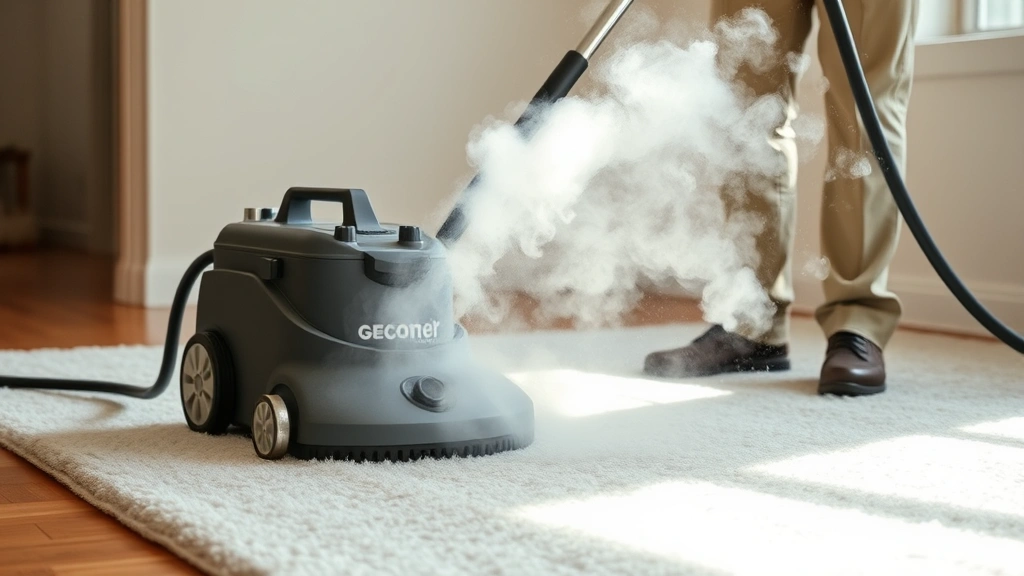
High-temperature steam extraction represents one of the most effective eco-friendly carpet cleaning methods, utilizing thermal energy rather than chemical solvents for contaminant removal. Professional-grade steam cleaning equipment can reach temperatures exceeding 200°F, sufficient to denature protein structures in organic soils and destroy microbial populations without requiring synthetic surfactants. The method relies on fundamental thermodynamic principles: elevated temperatures increase molecular motion, reducing surface tension and enabling water penetration into carpet fiber matrices.
When implementing steam cleaning, minimal additive use becomes feasible through proper technique and equipment selection. Adding small quantities of plant-derived surfactants enhances cleaning efficiency by approximately 15-25%, reducing overall water consumption and cleaning duration. This represents a substantial improvement over conventional methods requiring substantial chemical volumes. The primary wastewater byproduct from steam cleaning consists of suspended particulates and naturally-occurring organic matter, both readily removed through standard treatment processes.
Dry Cleaning and Encapsulation Technologies
Dry cleaning methods employ minimal moisture, reducing drying times and associated mold/mildew risks while minimizing water consumption. Encapsulation technology utilizes water-soluble polymers that crystallize around soil particles, enabling mechanical removal through vacuuming. These formulations typically biodegrade within 30-60 days, eliminating persistent residue accumulation. Research indicates encapsulation methods achieve cleaning efficacy comparable to wet extraction while reducing water usage by approximately 90%.
Spot Treatment and Prevention Strategies
Immediate treatment of localized spills prevents soil migration into deeper carpet fibers, reducing overall cleaning intensity requirements. Natural absorbent materials including baking soda, diatomaceous earth, and plant-based powders effectively remove moisture and volatile compounds from fresh spills. Enzymatic treatments containing protease and lipase enzymes break down protein and fat-based soils through biological catalysis, requiring substantially lower chemical concentrations than synthetic surfactants.
Natural Cleaning Agents: Science and Efficacy
Vinegar and Acetic Acid Solutions
White vinegar (typically 4-8% acetic acid) functions as an effective antimicrobial agent and mild solvent suitable for carpet applications. The antimicrobial efficacy derives from acetic acid’s ability to disrupt bacterial cell membrane integrity and denature proteins essential for pathogenic function. At concentrations of 5% or greater, vinegar demonstrates 99% effectiveness against common carpet microorganisms including Staphylococcus aureus and Escherichia coli within 10-15 minutes of contact. The acidic environment also prevents mold proliferation by creating inhospitable pH conditions (below 4.0) for fungal growth.
Vinegar’s solvent properties facilitate removal of alkaline soils including hard water deposits and residual detergent buildup. When combined with mechanical agitation through brushing, vinegar solutions effectively remove organic soils comparable to synthetic detergents. The primary limitation involves potential fiber damage in acid-sensitive carpet materials, necessitating pH testing before application to valuable or delicate carpets. Proper dilution ratios (typically 1:1 with water) minimize these risks while maintaining cleaning efficacy.
Baking Soda and Sodium Bicarbonate Applications
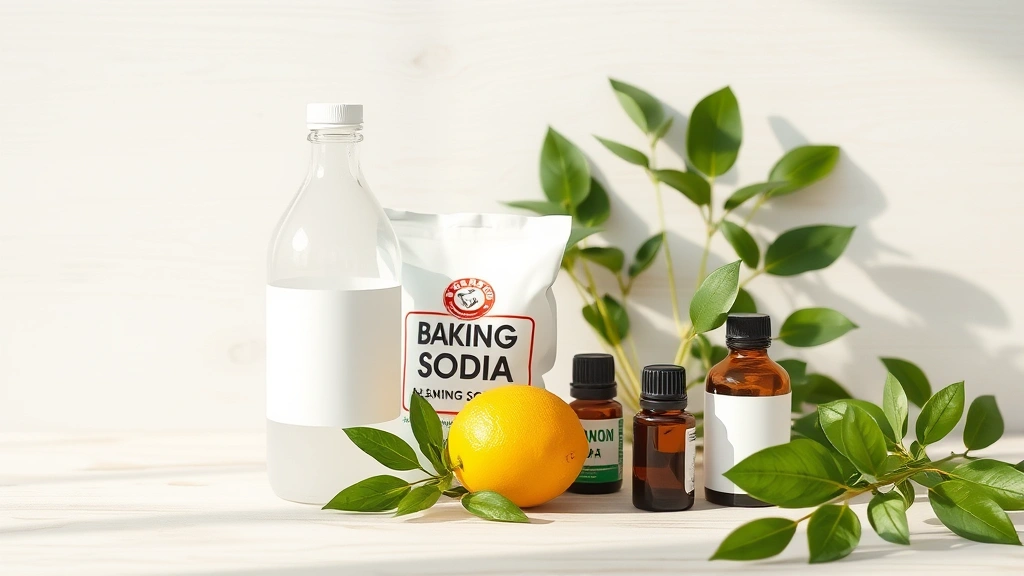
Baking soda operates through multiple mechanisms: physical abrasion, odor neutralization via acid-base reactions, and mild antimicrobial properties. When sprinkled directly on carpet surfaces, the crystalline structure creates mechanical action that dislodges particulate soils. The alkaline pH (approximately 8.3) neutralizes acidic odor compounds including acetic acid from organic decay, permanently eliminating malodors rather than masking them. This represents a substantial advantage over fragrance-based approaches that provide only temporary sensory relief.
For enhanced cleaning, baking soda pastes incorporating water or plant oils create gentle abrasive formulations suitable for spot treatment. The compound demonstrates mild antimicrobial properties, inhibiting bacterial growth by approximately 60-70% under laboratory conditions. Complete biodegradation occurs within days, leaving no persistent residues. Cost-effectiveness remains exceptional, with baking soda typically costing less than $0.50 per pound compared to $5-15 per bottle for conventional specialty cleaners.
Plant-Based Essential Oils and Botanical Extracts
Essential oils including tea tree, lavender, eucalyptus, and lemongrass contain volatile organic compounds demonstrating genuine antimicrobial and antifungal properties grounded in phytochemistry. Tea tree oil (Melaleuca alternifolia) contains terpineol and cineole compounds that penetrate microbial cell membranes, causing cellular disruption and death. Research published in microbiology journals documents 90-98% efficacy against common carpet pathogens at dilutions of 1-2% in carrier solutions. The compounds also provide pleasant aromatic properties without synthetic fragrance chemicals.
Botanical extract formulations maintain ecological integrity through sustainable sourcing from renewable plant materials. Unlike petroleum-derived surfactants requiring continued extraction of finite resources, plant-based ingredients replenish through agricultural cycles. The biodegradation timeline for essential oil components ranges from 5-14 days, substantially shorter than conventional cleaning chemical persistence periods measured in months or years.
Enzyme-Based Cleaning Formulations
Enzymatic cleaners employ biological catalysts including proteases, lipases, and amylases that catalyze chemical breakdown of specific soil types. Proteases cleave peptide bonds in protein-based soils including blood, sweat, and food residues. Lipases hydrolyze triglyceride bonds in fat-based soils. Amylases degrade complex carbohydrates. These biological processes occur at temperatures between 50-130°F, substantially lower than thermal methods, reducing energy consumption. The enzymes themselves biodegradecompletely within 48-72 hours, leaving no chemical residues.
Implementation Strategies for Green Carpet Care
Preventive Maintenance Systems
Establishing systematic preventive protocols reduces overall cleaning intensity requirements and extends carpet lifespan. High-quality entrance mats positioned at primary entry points capture 80-85% of external soil before carpet contact. Regular vacuuming using HEPA-filter equipped machines removes particulate soils before they compact into fibers, maintaining cleaning effectiveness. Strategic vacuuming frequency (2-3 times weekly for high-traffic areas, weekly for standard areas) prevents soil accumulation requiring intensive cleaning interventions.
Professional Service Selection Criteria
Identifying professional carpet cleaning services committed to sustainable practices requires evaluation of multiple criteria. Inquire whether companies utilize certification from Green Seal, EcoLogo, or Carpet and Rug Institute programs, indicating verified adherence to environmental standards. Request detailed information regarding chemical compositions, including specific surfactant types and VOC concentrations. Evaluate whether services employ moisture control technologies minimizing drying times and associated energy consumption. Reputable green cleaning services typically maintain transparent communication regarding product ingredients and environmental certifications.
DIY Implementation Protocols
Homeowners can implement effective green cleaning through systematic approaches combining natural agents with proper technique. Begin with thorough vacuuming to remove particulate soils. Prepare cleaning solutions using 1:1 vinegar-water ratios for general cleaning or baking soda pastes for spot treatment. Apply solutions using spray bottles or damp cloths, avoiding excessive moisture saturation. Allow 10-15 minutes for chemical action before mechanical agitation through gentle brushing. Extract excess moisture using clean towels or wet-dry vacuums. Ensure complete drying through adequate ventilation, preventing mold proliferation in humid conditions.
Carpet Material Considerations
Different carpet fiber types require tailored cleaning approaches. Natural fibers including wool and sisal demonstrate sensitivity to acidic solutions and excessive moisture, necessitating gentler pH-neutral formulations and controlled water application. Synthetic fibers including polyester and nylon tolerate broader chemical ranges and moisture levels, permitting more aggressive cleaning when necessary. Always perform patch tests on inconspicuous areas before applying any cleaning agent to valuable carpets, ensuring compatibility and preventing unintended damage.
Economic and Health Benefits Analysis
Cost Comparison and Long-Term Financial Analysis
While eco-friendly cleaning products sometimes carry higher per-unit prices, comprehensive cost analysis incorporating usage efficiency and health benefits demonstrates economic superiority. A typical bottle of conventional carpet cleaner ($8-12) provides 2-4 applications, while equivalent volumes of vinegar and baking soda ($2-3 total) deliver 10-15 applications. Professional green cleaning services ($150-250 per session) compare favorably to conventional services ($100-200) when accounting for reduced health-related medical expenses and extended carpet lifespan resulting from gentler cleaning methods. Extended carpet durability from reduced chemical damage translates to 15-25% longer replacement intervals, generating substantial lifecycle savings.
Health and Wellness Improvements
Eliminating synthetic cleaning chemical exposure generates measurable health benefits particularly for vulnerable populations. Children in households utilizing eco-friendly cleaning demonstrate reduced respiratory symptoms, fewer asthma exacerbations, and improved neurodevelopmental outcomes according to epidemiological research. Allergy sufferers experience symptom reduction within 2-4 weeks of transitioning to green cleaning methods. These health improvements translate to reduced medical expenses, improved school attendance, and enhanced productivity. Valuation studies estimate health benefits at $200-500 annually per household from eliminated chemical exposure.
Environmental Impact Quantification
Transitioning a single household to eco-friendly carpet cleaning eliminates approximately 15-25 pounds of synthetic chemicals annually from wastewater systems. Aggregated across a community of 10,000 households, this represents 150,000-250,000 pounds of persistent organic pollutants prevented from entering aquatic ecosystems. The cumulative water consumption reduction through dry cleaning methods and minimal-water steam extraction approaches 50,000-75,000 gallons annually per community. These quantifiable environmental benefits support broader sustainability objectives while demonstrating individual consumer capacity to influence ecological outcomes.

FAQ
What is the most effective eco-friendly carpet cleaning method for heavily soiled carpets?
Steam cleaning combined with minimal plant-based surfactant additives provides optimal efficacy for heavily soiled carpets. The high temperatures (200°F+) denature organic soils and destroy microbial populations without requiring harsh chemicals. Professional-grade equipment achieves superior results compared to consumer-level machines. For particularly challenging soils, enzymatic pretreatment followed by steam extraction delivers excellent results while maintaining environmental integrity.
Are natural cleaning agents truly effective against bacteria and allergens?
Yes, scientific research confirms that properly applied natural agents eliminate 90-99% of common carpet pathogens. Vinegar solutions, essential oils, and enzymatic formulations demonstrate antimicrobial efficacy comparable to conventional cleaners. However, proper contact time (10-15 minutes) and appropriate concentrations are essential for effectiveness. Natural agents work through different mechanisms than synthetic chemicals but achieve equivalent pathogen reduction when applied correctly.
How often should carpets be cleaned using eco-friendly methods?
Professional deep cleaning frequency depends on household traffic and soiling patterns. Average households benefit from professional cleaning 1-2 times annually, while high-traffic commercial environments may require quarterly service. Regular vacuuming (2-3 times weekly) combined with spot treatment of fresh spills minimizes deep cleaning requirements and extends intervals between professional services. This preventive approach reduces overall chemical exposure and environmental impact.
Can eco-friendly methods damage delicate or valuable carpets?
Eco-friendly methods can be safely applied to delicate carpets when proper precautions are observed. Always perform patch tests on inconspicuous areas before treating visible carpet sections. Use pH-neutral formulations for natural fiber carpets including wool and sisal. Minimize moisture application to avoid fiber swelling and color bleeding. Professional green cleaning services experienced with specialty carpets provide appropriate expertise for valuable pieces.
What certifications indicate genuinely eco-friendly cleaning products and services?
Reputable certifications include Green Seal, EcoLogo, Carpet and Rug Institute Green Label Plus, and EPA Safer Choice designations. These programs establish rigorous environmental and health standards, requiring independent verification of claims. Review product ingredient lists directly, avoiding vague terms like “natural” or “green” without specific certification. Professional services should provide transparent information regarding chemicals used and environmental practices employed.
How do eco-friendly cleaning methods compare environmentally to conventional approaches?
Lifecycle assessment studies demonstrate that eco-friendly methods generate 40-60% lower environmental impact across climate change, ecotoxicity, eutrophication, and resource depletion metrics. Water consumption reductions reach 90% with dry cleaning methods. Chemical persistence in aquatic ecosystems decreases from months/years to days/weeks. When health externalities are included, environmental superiority becomes even more pronounced, supporting transitions toward green cleaning across residential and commercial sectors.