Clackamas Water: Balancing Economy & Ecology in the Pacific Northwest
The Clackamas River basin represents one of the Pacific Northwest’s most critical hydrological systems, supporting over 300,000 people while sustaining diverse ecosystems that provide invaluable services to the region. This 1,460-square-mile watershed, located in northwest Oregon and southwest Washington, faces mounting pressures from population growth, agricultural demands, industrial operations, and climate variability. Understanding how to balance economic development with ecological preservation has become essential for long-term sustainability and community resilience.
Water serves as both an economic driver and ecological foundation in the Clackamas region. Municipal water supplies, hydroelectric generation, agricultural irrigation, and recreational opportunities generate billions in economic value annually, yet these same activities can degrade water quality, alter flow regimes, and threaten native species. The challenge lies not in choosing between economy and ecology, but in designing integrated management strategies that recognize water’s multifaceted value and the interconnections between human prosperity and ecosystem health.
Hydrological Significance and Watershed Characteristics
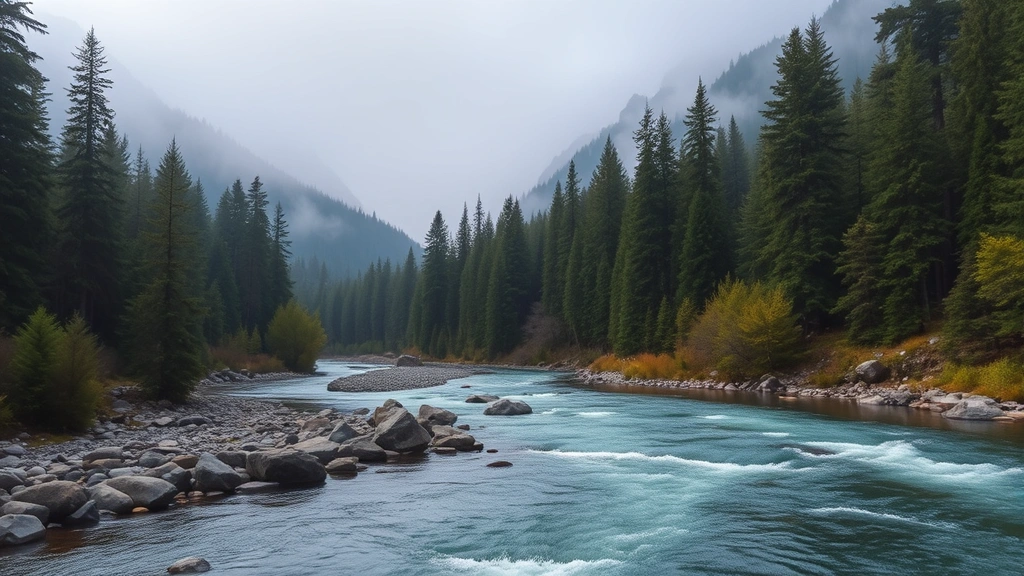
The Clackamas River, Oregon’s second-largest tributary to the Willamette River, originates in the Cascade Mountains and flows approximately 84 miles to its confluence near Oregon City. The watershed encompasses diverse topographical zones, from high-elevation forests receiving over 150 inches of annual precipitation to lower-elevation agricultural plains with precipitation around 50 inches annually. This variation creates complex hydrological dynamics that influence both water availability and ecosystem function throughout the basin.
Snowmelt from the Cascade peaks provides crucial baseflow during summer months when precipitation decreases, maintaining stream temperatures and flow volumes necessary for aquatic life. The North Fork Clackamas River, fed by glacial systems, contributes particularly important cold-water inputs. Historical flow patterns show peak discharge during spring runoff (March-June) with minimum flows occurring in late summer and early fall. Climate change is altering these traditional patterns, with earlier snowmelt, reduced summer baseflow, and increased winter precipitation intensity creating new management challenges.
Understanding the Clackamas system requires recognizing it as part of the broader types of environments that characterize the Pacific Northwest. The watershed includes multiple environment examples ranging from old-growth temperate rainforests to developed urban areas, each with distinct ecological characteristics and management requirements. This environmental diversity demands sophisticated, adaptive management approaches that account for heterogeneous conditions and competing resource values.
Economic Contributions and Water Demand Patterns
Water from the Clackamas basin generates substantial economic returns through multiple sectors. Portland General Electric operates three hydroelectric facilities (Timothy Lake reservoirs and Faraday Dam) that produce approximately 1,200 gigawatt-hours annually, representing about 7% of the utility’s generation capacity and providing renewable energy to over 800,000 customers. The water supply system serves the City of Portland, Gresham, and surrounding communities, providing reliable, high-quality municipal water to over 900,000 people.
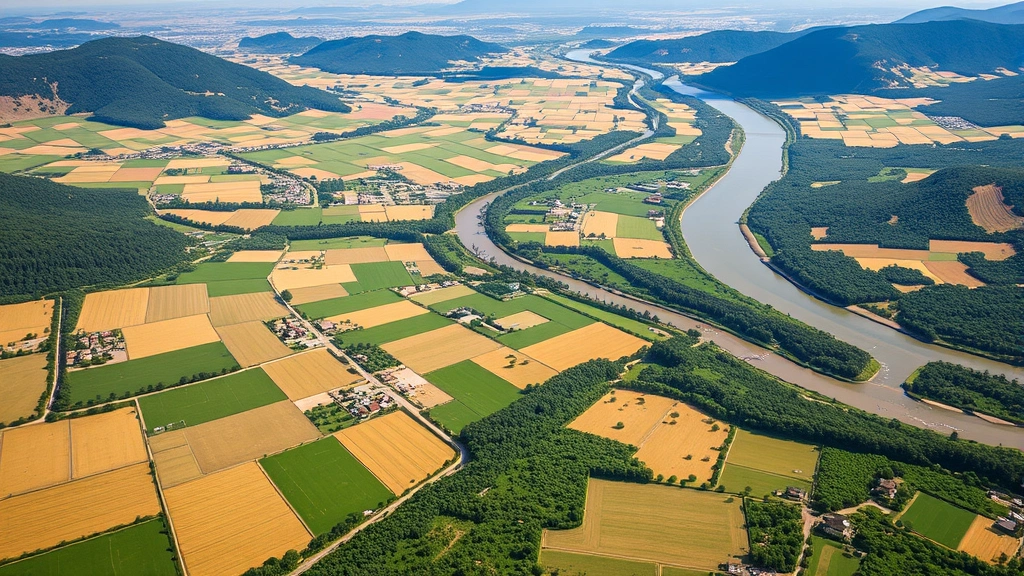
Agricultural operations utilize Clackamas water for irrigation of orchards, berries, nurseries, and field crops across the basin’s lower elevations. The agricultural sector contributes over $300 million annually to the regional economy while employing thousands of workers. Recreation and tourism, including fishing, boating, camping, and rafting, generate additional economic benefits estimated at $50-100 million annually. These diverse economic uses reflect water’s fundamental importance to regional prosperity and employment.
Water demand projections indicate increasing pressure on Clackamas resources. Population growth in the Portland metropolitan area is expected to increase municipal demand by 15-25% over the next 25 years. Climate change scenarios suggest earlier peak flows and reduced late-summer availability, potentially creating supply-demand mismatches during critical months. Industrial water cooling needs, particularly for data centers and manufacturing operations expanding in the region, add another demand component. Balancing these competing claims requires sophisticated allocation frameworks and demand management strategies.
Economic analysis using ecosystem services valuation—a concept explored in define environment and environmental science—demonstrates that water quality maintenance and ecosystem health generate significant economic value. Clean water reduces municipal treatment costs, supports valuable fisheries, maintains recreational opportunities, and ensures agricultural productivity. These benefits often remain undervalued in traditional economic accounting, leading to suboptimal resource management decisions.
Ecosystem Services and Biodiversity
The Clackamas watershed provides critical ecosystem services that sustain both natural communities and human populations. Water purification through riparian forests and wetlands reduces treatment costs for municipal systems. Flood attenuation in intact floodplains decreases damage from extreme precipitation events. Nutrient cycling in aquatic and terrestrial ecosystems maintains soil fertility and water quality. Carbon sequestration in old-growth forests and riparian vegetation contributes to climate change mitigation. These services, though difficult to monetize, represent substantial economic value that justifies conservation investments.
Biodiversity in the Clackamas basin reflects its position as a transition zone between coastal and interior Pacific Northwest ecosystems. The watershed supports populations of Chinook salmon, coho salmon, and steelhead trout—species of substantial cultural and economic importance to Indigenous communities, commercial and recreational fishers, and conservation organizations. Marbled murrelets, northern spotted owls, and Pacific fisher inhabit old-growth forest habitats. Amphibians, freshwater mussels, and aquatic invertebrates provide critical ecosystem functions while serving as indicators of water quality and ecosystem health.
Native plant communities including Douglas-fir forests, western hemlock stands, and riparian vegetation provide habitat structure, water filtration, and hydrological regulation. However, habitat loss through timber harvest, urban development, and agricultural conversion has reduced these communities by 60-80% from historical extents. Invasive species including Scotch broom, reed canarygrass, and bull frogs outcompete natives and alter ecosystem structure. Restoration efforts focusing on riparian revegetation, stream channel rehabilitation, and wetland protection aim to recover ecosystem functions and biodiversity.
The intrinsic value of biodiversity—independent of economic calculations—represents an important consideration in management decisions. Indigenous peoples, including the Clackamas Indian Tribe, maintain cultural and spiritual connections to the watershed that extend beyond utilitarian valuation. Respecting these values while addressing ecological degradation requires collaborative governance frameworks that integrate Indigenous knowledge systems with scientific management approaches.
Current Environmental Challenges
Water quality degradation poses significant challenges throughout the Clackamas basin. Agricultural runoff introduces nutrients, pesticides, and sediments that degrade aquatic habitats and increase municipal treatment costs. Urban stormwater from roads, roofs, and parking areas carries heavy metals, hydrocarbons, and bacteria that threaten both water supply and ecosystem health. Industrial discharges and legacy contamination from historical mining and manufacturing operations persist in sediments and groundwater. Elevated water temperatures from riparian forest loss and dam operations stress cold-water fish species and promote harmful algal blooms.
Habitat fragmentation resulting from dams, water diversions, and channel modifications prevents fish migration, reduces connectivity between populations, and limits species recovery. The Clackamas has four major dams that block salmon and steelhead access to historical spawning grounds, reducing productive habitat by approximately 40%. Fish passage facilities at some dams operate with variable effectiveness, and upstream fish losses through turbine mortality remain problematic. Floodplain disconnection from levee systems and channel confinement reduces juvenile fish rearing habitat and increases flood risks during extreme events.
Climate change introduces novel challenges requiring adaptive management responses. Warming temperatures threaten cold-water fish species and increase disease prevalence in aquatic communities. Altered precipitation patterns create both drought and flood extremes that exceed historical ranges. Shifting plant phenology disrupts ecological synchronization between species. Hydroelectric operations face increasing pressure to balance power generation with environmental flows, potentially reducing revenue while improving ecosystem outcomes. These interconnected challenges demand integrated solutions that address root causes rather than treating symptoms in isolation.
Groundwater depletion in portions of the basin, particularly in areas relying on irrigation wells, reduces baseflow during critical summer months and increases vulnerability to drought stress. Saltwater intrusion in coastal aquifers threatens freshwater supplies in peripheral areas. Permafrost degradation in high-elevation zones reduces natural storage capacity and alters water release timing. These hydrological changes compound existing management challenges and create feedback loops that amplify ecosystem stress.
Management Strategies and Policy Framework
Effective Clackamas water management requires integrated approaches addressing supply, demand, and ecosystem needs simultaneously. Water conservation programs reducing municipal and agricultural consumption provide cost-effective alternatives to supply expansion. Behavioral changes, including landscape irrigation efficiency improvements and leak detection in distribution systems, can reduce demand by 10-15% without significant economic disruption. Industrial water recycling and reuse technologies enable continued economic activity with reduced freshwater extraction.
Ecosystem restoration projects targeting riparian forest recovery, stream channel rehabilitation, and wetland protection enhance water quality, improve habitat, and increase flood resilience. The blog home section of environmental resources documents numerous case studies demonstrating restoration effectiveness. Removing or modifying dams to restore fish passage creates opportunities for species recovery while allowing dam operators to optimize power generation within ecological constraints. Nature-based solutions including floodplain reconnection and beaver reintroduction enhance water storage capacity while restoring ecosystem functions.
Collaborative governance frameworks incorporating multiple stakeholders—municipalities, agricultural interests, environmental organizations, hydroelectric utilities, Indigenous tribes, and state/federal agencies—enable development of management strategies reflecting diverse values and priorities. The Clackamas River Basin Council, established in 1996, exemplifies this collaborative approach. Regular stakeholder engagement, adaptive management protocols, and transparent decision-making processes build trust and create durable solutions more likely to persist through political transitions.
Policy instruments including water quality standards, minimum instream flow requirements, agricultural best management practices, and land use planning regulations provide legal frameworks for environmental protection. Oregon’s Watershed Enhancement Board coordinates implementation of watershed restoration projects. Federal Endangered Species Act protections for threatened salmon and steelhead populations require protective measures affecting water management operations. These regulatory approaches, combined with incentive-based programs including conservation easements and habitat restoration cost-sharing, create comprehensive policy portfolios addressing environmental challenges.
Economic instruments including water pricing that reflects true scarcity costs, payment for ecosystem services programs, and green bonds financing restoration projects align economic incentives with environmental objectives. Some water utilities implement tiered pricing structures where higher consumption rates pay premium prices, encouraging conservation while protecting low-income households. Payments for ecosystem services compensate landowners for maintaining riparian forests, wetlands, and other habitat features providing water quality benefits. These market-based approaches supplement regulatory requirements and often achieve environmental objectives more cost-effectively than command-and-control regulations alone.
Future Outlook and Adaptive Solutions
Long-term sustainability of the Clackamas system requires proactive adaptation to climate change and population growth. Hydrological modeling incorporating climate scenarios projects increased variability in water availability, with some models suggesting 10-20% reduction in summer baseflow by 2050 under higher-emission scenarios. These projections necessitate supply diversification, demand reduction, and ecosystem adaptation strategies implemented now to avoid crisis management later.
Expanding water storage capacity through both traditional reservoirs and distributed storage approaches (groundwater banking, soil moisture enhancement, rainwater harvesting) increases system resilience to drought. However, environmental costs of reservoir expansion must be carefully evaluated against benefits, particularly regarding impacts on how to reduce carbon footprint through hydroelectric generation. Nature-based storage solutions including floodplain reconnection, riparian forest expansion, and wetland restoration provide multiple benefits beyond water storage, including habitat provision and carbon sequestration.
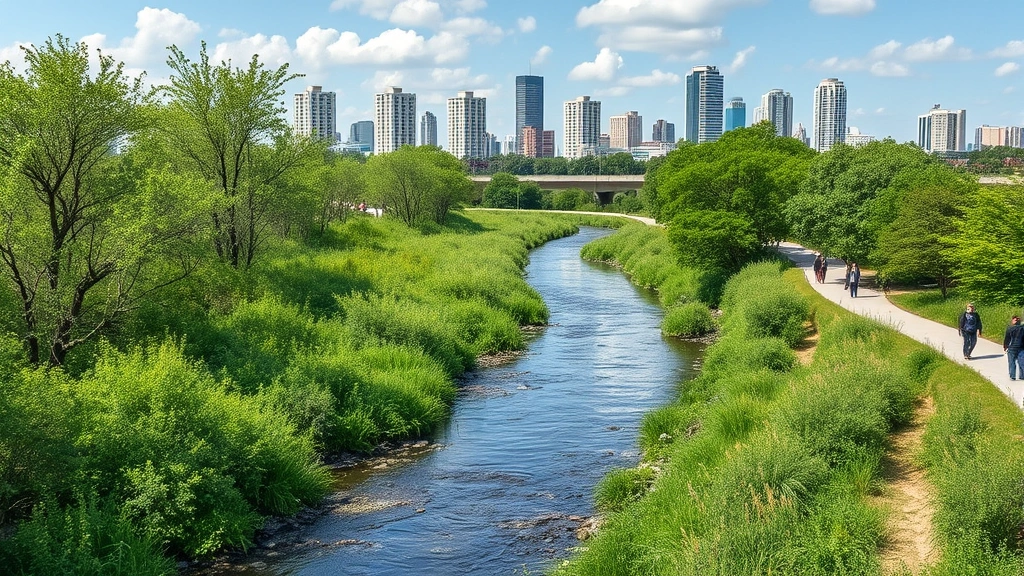
Urban water infrastructure transformation offers significant opportunities for demand reduction and ecosystem enhancement. Green infrastructure including permeable pavements, green roofs, and bioswales reduces stormwater runoff while recharging groundwater and providing urban cooling benefits. Water-efficient landscaping and smart irrigation systems reduce outdoor water consumption by 30-50%. Decentralized water treatment and reuse systems reduce reliance on centralized supply infrastructure vulnerable to disruption. These approaches require upfront capital investment but generate long-term economic and environmental returns.
Agricultural sector transformation toward sustainable water management includes transition to drought-resistant crops, adoption of precision irrigation technologies, and expansion of soil conservation practices enhancing water retention. Agroforestry systems integrating trees with traditional agriculture provide multiple benefits including water infiltration, riparian habitat connectivity, and diversified income streams. Organic and regenerative agriculture practices build soil carbon and water-holding capacity while reducing chemical inputs affecting water quality. Supporting farmer adoption through extension services, cost-sharing programs, and market development for sustainably produced products creates economic incentives for environmental stewardship.
Indigenous co-management frameworks recognizing tribal sovereignty and incorporating traditional ecological knowledge offer promising approaches for sustainable resource management. Indigenous peoples’ deep historical understanding of Clackamas ecosystems, refined through millennia of interaction, provides valuable insights for contemporary management. Collaborative arrangements ensuring tribes have meaningful decision-making authority, adequate resource allocation, and respect for cultural values create more legitimate and effective governance structures. Several successful examples in other Pacific Northwest watersheds demonstrate the viability and benefits of this approach.
Technological innovation including advanced water quality monitoring, artificial intelligence-optimized hydroelectric operations, and nature-inspired water treatment solutions may enhance management effectiveness. Real-time water quality sensors enabling rapid response to contamination events protect public health and ecosystem integrity. Machine learning algorithms optimizing hydroelectric operations to balance power generation with environmental flows increase both economic efficiency and ecological benefit. Biomimetic water treatment systems replicating natural purification processes reduce chemical usage and energy consumption.
Cross-watershed knowledge sharing and regional coordination amplify management effectiveness. The Willamette River system, of which Clackamas is a tributary, benefits from integrated management addressing cumulative impacts across multiple basins. Participating in broader Pacific Northwest water management networks, learning from experiences in California, British Columbia, and other regions with similar challenges, accelerates innovation adoption and improves outcomes. International collaboration through UNESCO Biosphere Reserves and other programs provides access to global expertise and funding for conservation initiatives.
FAQ
What are the primary economic drivers dependent on Clackamas water?
Municipal water supply serving over 900,000 people, hydroelectric generation producing 1,200 gigawatt-hours annually, agricultural irrigation supporting a $300+ million sector, and recreation/tourism generating $50-100 million annually represent the primary economic drivers. These diverse uses create both economic opportunities and management challenges requiring careful coordination.
How does climate change affect Clackamas water availability?
Climate change alters precipitation patterns, causing earlier snowmelt, reduced summer baseflow, increased winter intensity, and greater variability. Projections suggest 10-20% reduction in summer water availability by 2050 under higher-emission scenarios, necessitating adaptive management and supply diversification to maintain reliability.
What ecosystem services does the Clackamas watershed provide?
Critical ecosystem services include water purification through riparian filtration, flood attenuation in intact floodplains, nutrient cycling supporting agricultural productivity, carbon sequestration in forests and wetlands, and habitat provision for fish and wildlife species. These services generate substantial economic value often unrecognized in traditional accounting systems.
How do dams affect Clackamas fish populations?
Dams block fish migration to historical spawning grounds, reducing productive habitat by approximately 40%. While fish passage facilities exist, their effectiveness varies, and upstream losses through turbine mortality persist. These impacts threaten recovery of Endangered Species Act-protected salmon and steelhead populations.
What restoration projects are underway in the Clackamas basin?
Active projects include riparian forest revegetation, stream channel rehabilitation, wetland protection and enhancement, dam modification for fish passage, floodplain reconnection, and invasive species removal. The Clackamas River Basin Council coordinates many efforts, implementing adaptive management protocols and monitoring effectiveness through rigorous scientific assessment.
How can communities balance economic needs with environmental protection?
Integrated approaches combining water conservation, ecosystem restoration, collaborative governance, market-based incentives, technological innovation, and Indigenous co-management create solutions serving multiple objectives. Recognizing water’s multifaceted value—economic, ecological, and cultural—enables development of management strategies generating positive outcomes across dimensions rather than forcing trade-offs between competing priorities.
The Clackamas River basin exemplifies both the opportunities and challenges of balancing economic development with ecological integrity in the 21st century. Successful management requires sustained commitment to science-based decision-making, collaborative problem-solving, adaptive responses to changing conditions, and recognition of water’s fundamental importance to human and ecosystem well-being. By implementing comprehensive strategies addressing supply, demand, and ecosystem needs simultaneously, the region can maintain economic prosperity while restoring and protecting the aquatic and terrestrial ecosystems upon which long-term sustainability depends.


