Eco-Friendly Kids’ Books: Top Picks by Educators
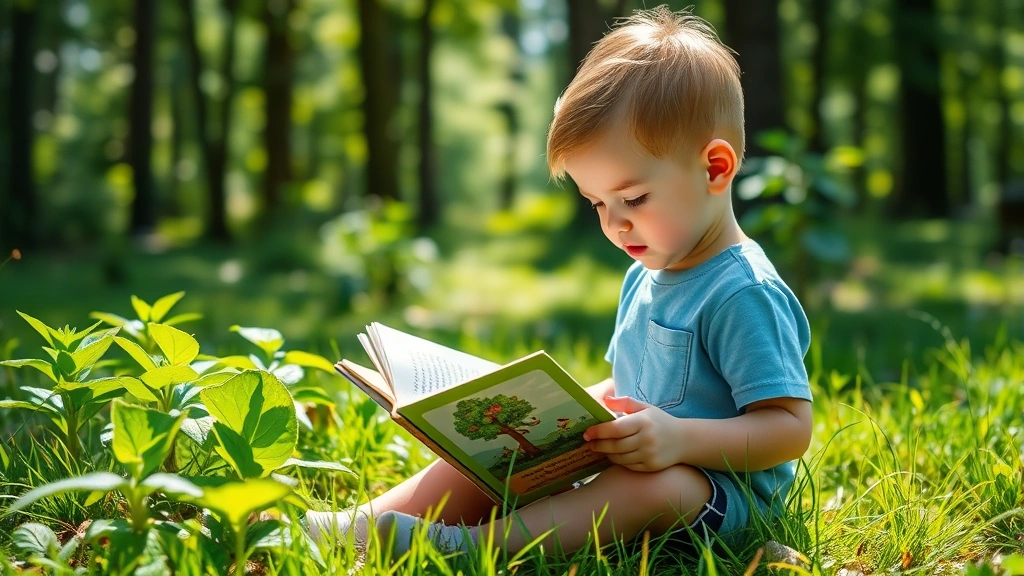
Environmental literacy begins in childhood, shaped significantly by the stories children encounter and the values embedded within them. Educational resources about environmental awareness increasingly recognize that children’s literature serves as a powerful vehicle for fostering ecological consciousness and sustainable thinking. When educators select books that authentically represent environmental challenges while inspiring hope and agency, they plant seeds of environmental stewardship that can flourish throughout a child’s life.
The intersection of children’s literature and environmental education represents a critical frontier in shaping how young minds understand their relationship with nature and their role in creating a sustainable future. Books selected by educators go beyond mere storytelling; they integrate scientific accuracy, emotional resonance, and actionable insights that empower children to become informed global citizens. This comprehensive guide explores the most impactful eco-friendly children’s books recommended by educators, examining their educational value, thematic depth, and contribution to fostering environmental consciousness.
Why Environmental Children’s Literature Matters
Children absorb approximately 30% of their environmental knowledge through narrative and storytelling during their formative years, according to research in environmental education. The definition of environment science extends beyond mere biological systems to encompass the intricate relationships between human societies and natural ecosystems. When children’s books authentically represent these complexities, they develop nuanced understanding of environmental systems rather than oversimplified conservation messages.
Educators recognize that books addressing human environment interaction serve multiple pedagogical functions simultaneously. They develop literacy skills while introducing ecological concepts, foster emotional connections to nature, and demonstrate that individual actions contribute to systemic change. Research from the United Nations Environment Programme indicates that early environmental education significantly influences long-term sustainability behaviors and career choices in environmental fields.
The most effective eco-friendly children’s books balance scientific accuracy with age-appropriate language and engaging narratives. They avoid doom-and-gloom messaging that creates eco-anxiety while still honestly addressing environmental challenges. This pedagogical balance requires careful selection, which is why educator recommendations prove invaluable for parents and librarians seeking quality environmental literature.
Top Eco-Friendly Picture Books for Early Learners
“The Lorax” by Dr. Seuss remains a foundational environmental allegory for children aged 4-8, despite its 1971 publication. The book’s examination of industrial expansion versus conservation continues to resonate with contemporary environmental concerns. Educators appreciate its metaphorical approach to how humans affect the environment, presenting consequences without overwhelming young readers.
“Where the Wild Things Are” by Maurice Sendak, while not explicitly environmental, teaches children about ecological balance and respect for wild spaces. The narrative’s emphasis on understanding and coexisting with untamed nature translates into environmental appreciation. Educators use this book to discuss positive impacts on the environment by humans, particularly regarding habitat respect and wildlife preservation.
“The Tiny Seed” by Eric Carle introduces botanical concepts and plant life cycles through vibrant illustrations and simple narrative. The book demonstrates natural processes, seasonal changes, and the interconnectedness of living systems. Its emphasis on growth, resilience, and natural cycles provides foundational understanding of ecological principles accessible to preschoolers.
“From Seed to Plant” by Gail Gibbons combines educational illustration with narrative elements, offering detailed explanations of plant biology. Educators recommend this book for its scientific accuracy and clear visual representations of complex biological processes, making it suitable for children transitioning from picture books to early readers.
“The Snail and the Whale” by Julia Donaldson presents environmental themes through an emotionally engaging friendship narrative. The story incorporates ocean conservation, climate change impacts, and interspecies relationships, teaching children about marine ecosystems while emphasizing compassion and environmental responsibility.
Middle-Grade Environmental Adventures
“Hoot” by Carl Hiaasen stands as a watershed moment in middle-grade environmental fiction. The novel presents realistic environmental activism through young protagonists fighting to protect endangered owls from development. Educators praise its portrayal of informed youth environmental action, complex environmental policy, and the reality that conservation efforts require persistence and strategic thinking.
“The Wild Robot” by Peter Brown explores themes of technology, nature, and environmental stewardship through a compelling narrative of a robot learning to survive in wilderness. The book addresses questions about humanity’s place in nature, technological impact on ecosystems, and the possibility of coexistence between human innovation and natural systems.
“Chasing Vermeer” by Blue Balliett, while primarily a mystery, integrates environmental awareness and sustainability principles throughout its narrative. The book’s emphasis on observation, pattern recognition, and ecological thinking develops critical environmental literacy skills alongside entertainment value.
“The One and Only Ivan” by Katherine Applegate examines animal captivity, conservation, and ethical environmental responsibility through the perspective of a gorilla in captivity. Educators appreciate its sophisticated exploration of animal welfare, habitat preservation, and the moral dimensions of environmental stewardship, making it suitable for children aged 8-12.
“Hatchet” by Gary Paulsen remains a classic environmental coming-of-age narrative. The survival story teaches children about ecosystems, resource management, adaptation, and resilience. Its realistic portrayal of nature—both beautiful and challenging—counters romanticized environmental narratives while fostering deep respect for natural systems.
Young Adult Environmental Fiction
Young adult literature addressing environmental themes increasingly tackles complex systemic issues and climate change realities. “The Fifth Season” by N.K. Jemisin presents environmental catastrophe through speculative fiction, exploring interconnected systems and societal collapse. While challenging, it demonstrates how environmental systems connect to social justice, power structures, and economic inequality.
“Oryx and Crake” by Margaret Atwood offers dystopian environmental speculation suitable for mature young adults. The trilogy examines genetic engineering, environmental collapse, and civilization’s fragility, encouraging critical thinking about technological solutions and environmental limits.
“The Overstory” by Richard Powers, though technically adult literature, appeals to advanced young readers. Its intricate narrative weaving together individual stories with forest ecology and environmental activism demonstrates literature’s capacity to represent complex environmental systems and multi-generational environmental thinking.
“Illuminae” by Amie Kaufman and Jay Kristoff integrates environmental themes within science fiction narrative, exploring climate-related challenges in space environments. Its innovative format appeals to digital-native readers while maintaining sophisticated environmental and ethical themes.
Non-Fiction Environmental Exploration
Educators increasingly pair fiction with accessible non-fiction environmental books. “National Geographic Little Kids First Big Book of Animals” provides scientifically accurate information about biodiversity and animal behavior in engaging visual formats. Such books develop foundational ecological knowledge supporting understanding of environmental challenges.
“The Story of Plastic” by Penguin Young Readers addresses a contemporary environmental issue—plastic pollution—with age-appropriate explanations and solutions. Non-fiction environmental books like this one empower children with actionable knowledge about specific environmental problems.
“How to Raise a Wild Child” by Scott Sampson bridges environmental education and practical outdoor engagement, encouraging families to develop nature literacy through direct experience. This approach complements book-based learning with embodied environmental understanding.
“The Mangrove Tree: Planting Trees to Feed Families” by Susan Roth and Cindy Trumbore combines narrative with documentary photography, presenting real environmental solutions in developing contexts. Educators value such books for demonstrating that environmental action occurs globally and that sustainable development addresses both ecological and social needs.
Building Classroom Discussions Around Eco-Books
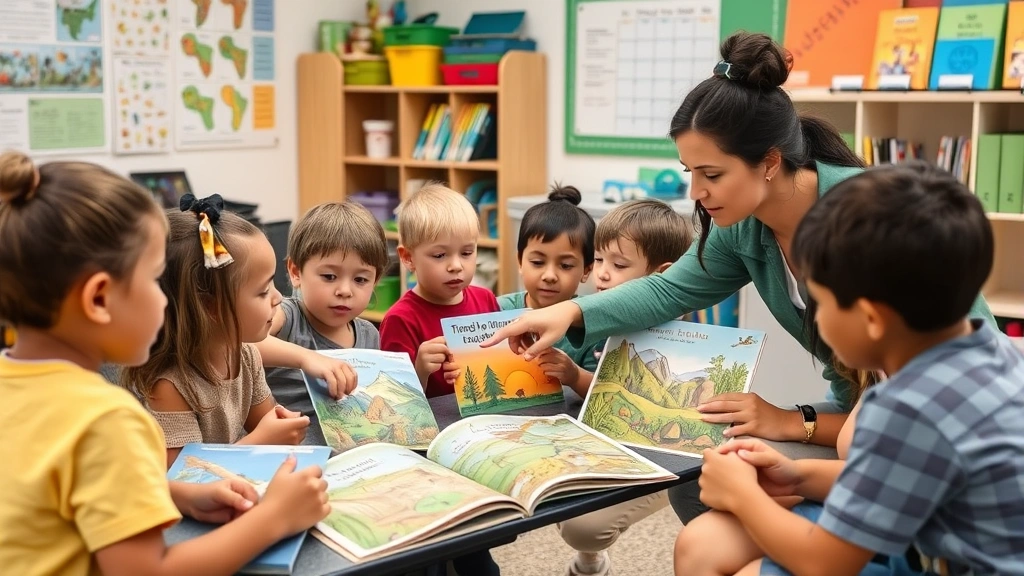
Effective environmental education extends beyond reading to include structured discussion and critical analysis. Educators recommend developing discussion frameworks addressing multiple dimensions of environmental literature. These frameworks should explore scientific accuracy, character motivations, systemic environmental issues, and personal responsibility dimensions.
Classroom activities might include examining environment and society relationships portrayed in texts, comparing fictional environmental challenges with real-world data, and developing action plans addressing issues raised in books. Such activities transform reading into active environmental learning.
Educators also recommend comparative analysis across multiple books addressing similar themes. Examining how different authors approach climate change, biodiversity loss, or resource management develops critical literacy skills while deepening environmental understanding. Students learn to evaluate sources, recognize bias, and develop informed environmental perspectives.
Cross-curricular integration amplifies environmental literature’s impact. Pairing environmental fiction with science curriculum about ecosystems, history curriculum about environmental movements, or social studies curriculum about sustainable development creates comprehensive environmental education experiences. Literature serves as accessible entry point to complex systems thinking.
Assessment and Impact Metrics
Measuring environmental literature’s educational impact requires multifaceted assessment approaches. Educators employ traditional comprehension assessments while also evaluating shifts in environmental attitudes, knowledge acquisition, and behavioral intentions. Research from World Bank environmental initiatives indicates that narrative-based environmental education produces measurable increases in environmental concern and sustainable behavior commitment.
Pre- and post-reading assessments measuring environmental knowledge, concern, and action intention provide quantifiable impact data. Qualitative assessment through student reflections, discussion participation, and creative responses to environmental literature offers deeper understanding of how books influence environmental thinking.
Long-term impact assessment tracking whether environmental literature exposure correlates with sustained environmental engagement, career interests, or behavioral changes provides valuable evidence of educational effectiveness. Such longitudinal research demonstrates that carefully selected environmental children’s books contribute meaningfully to environmental literacy development and sustained environmental commitment.
Educators increasingly document how specific books catalyze environmental action—from student-initiated conservation projects to family lifestyle changes. These documented impacts validate the investment in environmental literature as core environmental education strategy rather than supplementary enrichment.
FAQ
What age group should start reading environmental books?
Environmental literature is age-appropriate beginning in preschool with picture books about animals and nature. Picture books like “The Tiny Seed” introduce ecological concepts through accessible narratives. Middle-grade readers (ages 8-12) can engage with more complex environmental challenges and activist narratives. Young adults can handle sophisticated environmental themes and systemic analysis. The key is matching book complexity with developmental stage while maintaining age-appropriate content.
How can I identify genuinely eco-friendly children’s books versus greenwashing?
Authentic environmental children’s books demonstrate scientific accuracy, acknowledge environmental complexity, avoid oversimplification, and present realistic solutions rather than magical fixes. Greenwashing books often feature superficial environmental messaging without substantive content. Check author credentials, examine illustrations for scientific accuracy, and consult educator reviews. Books recommended by environmental education organizations and peer-reviewed children’s literature journals typically meet authenticity standards.
Should environmental books focus on problems or solutions?
Effective environmental literature balances honest acknowledgment of environmental challenges with demonstration of solutions and agency. Books focusing exclusively on environmental doom create eco-anxiety without empowering children. Conversely, books presenting only positive environmental messages lack credibility. The most effective environmental books honestly address challenges while showing how individuals and communities implement solutions, fostering both understanding and hope.
How do educators integrate environmental books with science curriculum?
Environmental literature integrates naturally with ecology, biology, and earth science units. Teachers might pair fiction with non-fiction reading, use environmental books as discussion catalysts for scientific concepts, or develop inquiry projects extending from book-based learning. Literature provides narrative context making scientific concepts more memorable and personally relevant than textbook-only instruction.
What role do environmental children’s books play in addressing climate anxiety?
Well-selected environmental literature can mitigate climate anxiety by demonstrating that individuals and communities take meaningful environmental action. Books presenting climate challenges alongside realistic solutions and human agency help children develop environmental concern without overwhelming despair. Educators recommend balancing environmental awareness with empowerment messages and opportunities for concrete environmental action.


