
Chernobyl’s Environmental Impact: Scientific Insights into Nuclear Disaster Effects
The Chernobyl nuclear disaster of April 26, 1986, remains one of the most catastrophic environmental events in human history. Located in Soviet Ukraine, the explosion at Reactor 4 released approximately 5,200 petabecquerels of radioactive material into the atmosphere, contaminating an area spanning over 150,000 square kilometers across Eastern Europe. This unprecedented release fundamentally altered our understanding of nuclear safety, environmental contamination pathways, and ecosystem resilience in the face of anthropogenic catastrophe.
Decades after the initial explosion, Chernobyl continues to serve as a critical case study for environmental scientists, ecological economists, and policy makers worldwide. The disaster’s legacy extends far beyond immediate radiation exposure; it encompasses complex interactions between radioactive isotopes and natural ecosystems, long-term genetic effects in wildlife populations, and the intricate relationship between human industrial activity and environmental degradation. Understanding Chernobyl’s environmental impact requires examining multiple dimensions: atmospheric dispersion patterns, soil and water contamination, biological accumulation mechanisms, and the broader implications for ecosystem stability and human-environment relationships.
Immediate Atmospheric Release and Dispersion Patterns
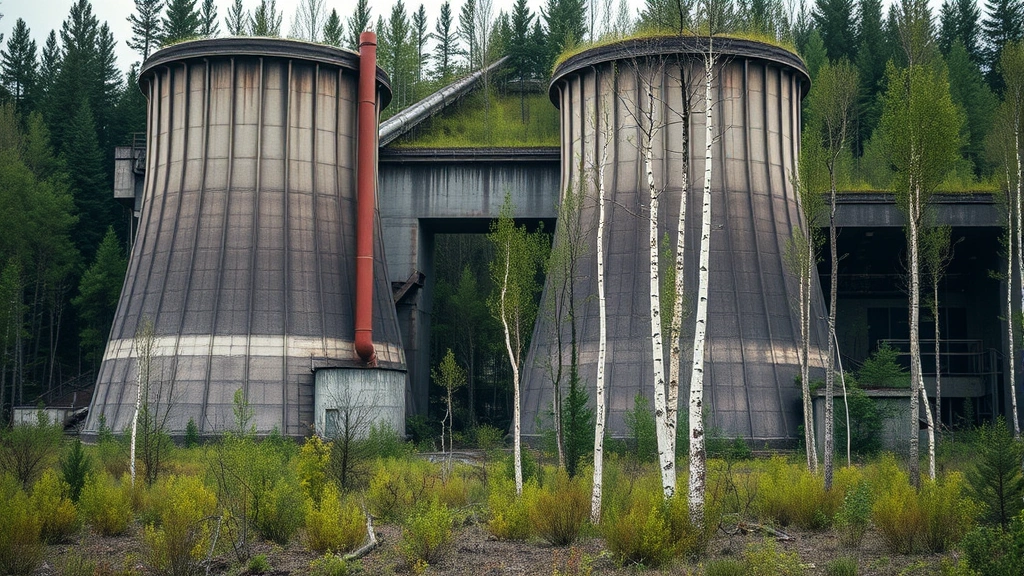
The initial explosion at Chernobyl released a massive plume of radioactive material that rapidly dispersed across continental Europe. Within hours, the radioactive cloud traveled northwestward, carrying isotopes including iodine-131, cesium-137, and strontium-90 across Belarus, Russia, and into Scandinavia. The atmospheric dispersion followed predictable meteorological patterns, yet the sheer volume of released radionuclides created unprecedented contamination levels across diverse geographic regions.
Scientists have documented that approximately 30 percent of the reactor’s inventory was ejected directly into the atmosphere during the initial explosion and subsequent ten-day fire. The vertical distribution of this material proved critical to understanding long-range transport mechanisms. Radioactive particles reaching the upper troposphere and lower stratosphere traveled thousands of kilometers, while heavier particles settled closer to the reactor site. This stratification created distinct contamination patterns, with some regions experiencing acute radiation exposure while others faced chronic, lower-level contamination.
The atmospheric release mechanism itself revealed important insights about nuclear reactor behavior under catastrophic failure conditions. The graphite moderator fire, which burned for approximately ten days, continuously vaporized radioactive material and lofted it into the atmosphere. This extended release period, rather than a single explosive pulse, meant that multiple weather systems carried different isotope ratios to different regions, creating a complex geographic pattern of contamination that challenged initial assessment efforts.
Understanding these types of environment and their contamination patterns required unprecedented international scientific cooperation. The initial Soviet secrecy regarding the disaster meant that Western nations detected the radiation release through atmospheric monitoring networks before official announcements were made, highlighting the transboundary nature of environmental catastrophes.
Soil Contamination and Radionuclide Migration
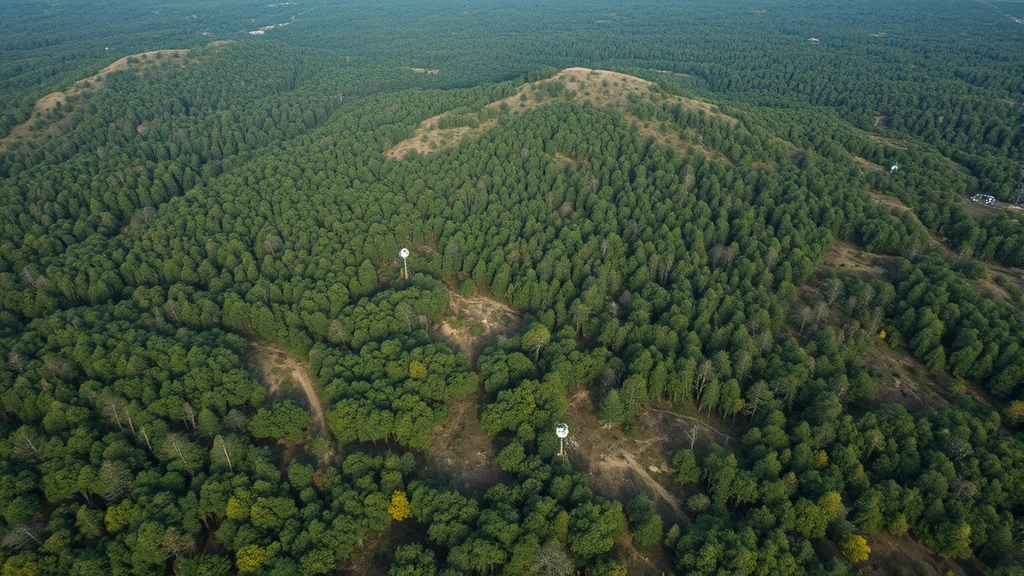
Soil represents the primary environmental reservoir for long-lived radioactive isotopes from Chernobyl. Cesium-137, with a half-life of 30 years, and strontium-90, similarly long-lived, became permanently incorporated into soil matrices across vast areas. The immediate deposition created a heterogeneous contamination landscape, with hot spots containing radioactivity levels thousands of times higher than surrounding areas.
The behavior of radionuclides in soil depends critically on soil composition, pH, and organic matter content. In sandy soils with low clay content, radioactive particles migrate more readily through soil profiles, potentially reaching groundwater. Conversely, clay-rich soils and organic-rich horizons tend to bind radionuclides more effectively, reducing vertical migration rates. This variability created complex remediation challenges, as different soil types required different management approaches within the contaminated zone.
Research examining human-environment interaction in contaminated soils revealed that agricultural practices significantly influenced radionuclide availability. Plowing and soil disturbance brought deeper, less-contaminated soil to the surface, reducing plant uptake of radioactive isotopes. Conversely, undisturbed grasslands and forests maintained higher radionuclide concentrations in surface horizons where root systems preferentially absorbed them.
Soil microorganisms demonstrated unexpected resilience and adaptation to radioactive environments. Fungal networks, particularly mycorrhizal associations, appeared to modulate radionuclide uptake by plant roots, suggesting that belowground ecological relationships fundamentally influenced contaminant bioavailability. These findings challenged simplistic models of soil contamination and highlighted the importance of understanding environment and society interactions at multiple biological scales.
The persistence of soil contamination decades after the disaster underscores the timescale of environmental recovery from nuclear accidents. Radiological half-lives operate on human generational scales, meaning that cleanup efforts must address contamination that will remain biologically significant for centuries. This reality transformed approaches to long-term environmental management and influenced global nuclear safety policies.
Aquatic Ecosystem Impacts and Water Contamination
The Dnieper River system, which flows through the contaminated zone, became a critical pathway for radionuclide transport and ecosystem contamination. Initial water contamination was severe, with radioactivity levels in the Pripyat River reaching values that posed immediate threats to aquatic organisms and downstream human water supplies. The construction of containment systems and artificial reservoirs helped manage acute contamination, but chronic radioactive loading continued for years.
Aquatic ecosystems demonstrated differential sensitivity to radioactive contamination. Fish populations showed rapid bioaccumulation of cesium-137, which behaves chemically similar to potassium and concentrates in muscle tissue. Some fish species accumulated radioactivity at rates 10,000 times higher than surrounding water, creating significant food safety concerns for human populations dependent on freshwater fish resources. This EcoRise Daily Blog phenomenon exemplified how environmental contamination becomes amplified through biological systems.
Sediment contamination in aquatic environments proved particularly persistent. Bottom-dwelling organisms concentrated radioactive particles, creating contaminated sediment layers that continued releasing radionuclides into water columns decades after deposition. These sediments acted as long-term contaminant sources, maintaining elevated radioactivity levels in fish and other aquatic organisms far longer than initial predictions suggested.
Phytoplankton and algal communities showed initial sensitivity to radiation exposure, with some populations experiencing reduced productivity. However, longer-term observations revealed that algal communities adapted to radioactive environments, with populations gradually becoming more radioresistant. This evolutionary response occurred on decadal timescales, demonstrating that rapid environmental change can drive evolutionary adaptation even in microscopic organisms.
Biological Accumulation and Food Chain Effects
Bioaccumulation emerged as one of the most significant mechanisms through which Chernobyl contamination affected ecosystems and human health. Radionuclides that were relatively dilute in environmental media became concentrated as they moved through food chains, reaching levels in apex predators and humans thousands of times higher than ambient environmental concentrations.
Different radionuclides followed distinct bioaccumulation pathways based on their chemical properties and biological behaviors. Iodine-131, despite its relatively short half-life of eight days, was rapidly incorporated into thyroid tissues, creating acute exposure risks during the initial accident phase. This isotope’s rapid thyroid uptake resulted in documented increases in childhood thyroid cancer rates in Belarus and Ukraine, with thousands of cases directly attributable to Chernobyl exposure.
Cesium-137 bioaccumulation proved more complex and persistent. Unlike iodine, which concentrates in specific tissues, cesium distributes throughout the body, functioning as a potassium analog. It accumulates in muscle tissue and other potassium-rich compartments, creating whole-body radiation exposure. The biological half-life of cesium in humans ranges from 70 to 100 days, meaning that continuous dietary exposure from contaminated food sources maintained elevated body burdens in exposed populations.
Strontium-90, chemically similar to calcium, concentrated in bone tissues and caused long-term radiation exposure to bone marrow and developing skeletal systems. This isotope proved particularly concerning for growing children, whose rapidly dividing cells in bone marrow were particularly radiosensitive. Studies of exposed populations revealed elevated rates of leukemia and other blood disorders, directly linked to strontium-90 incorporation into skeletal tissues.
The food chain amplification phenomenon demonstrated that environmental contamination effects cannot be understood at single trophic levels. Herbivorous animals consuming contaminated vegetation showed elevated radionuclide burdens, which were then transferred to predators consuming those herbivores. This biomagnification process meant that apex predators, including wolves and eagles, accumulated radioactivity at levels orders of magnitude higher than plants at the base of food chains.
Wildlife Populations and Genetic Mutations
The Chernobyl exclusion zone, a 2,600-square-kilometer area surrounding the reactor, became an unintended radiation biology laboratory where scientists could study long-term effects of chronic radiation exposure on wildlife populations. Initial expectations that the zone would become a biological desert proved incorrect; instead, wildlife populations demonstrated remarkable resilience and recolonization capacity.
However, radiation exposure created measurable physiological and genetic effects in wildlife populations. Studies of small mammals, birds, and insects revealed elevated mutation rates, chromosomal aberrations, and genetic damage compared to control populations from uncontaminated regions. These mutations accumulated in successive generations, creating populations with altered genetic architecture.
Some wildlife species showed phenotypic changes associated with radiation exposure. Barn swallows in the exclusion zone exhibited elevated rates of albinism, asymmetrical wing patterns, and other morphological abnormalities linked to developmental instability under mutagenic stress. These visible mutations served as indicators of underlying genetic damage occurring across multiple species.
Reproductive success in many wildlife populations declined in areas of highest contamination. Elevated miscarriage rates, reduced fertility, and developmental abnormalities in offspring suggested that chronic radiation exposure imposed significant fitness costs on exposed populations. Yet populations persisted, suggesting that radiation-tolerant individuals survived and reproduced at higher rates than sensitive individuals, creating directional selection for radioresistance.
The long-term population dynamics in the exclusion zone revealed that wildlife could adapt to chronically radioactive environments, albeit at apparent fitness costs. Population densities rebounded after initial declines, suggesting that immigration from surrounding areas and rapid reproduction in the absence of human persecution offset radiation-induced mortality. This phenomenon raised important questions about the nature of environmental carrying capacity and ecosystem resilience under chronic contamination stress.
Long-term Ecosystem Recovery and Adaptation
Ecosystem recovery in the Chernobyl region has proceeded along unexpected trajectories. Rather than uniform restoration toward pre-disaster conditions, contaminated ecosystems have developed novel configurations reflecting both radiation stress and the absence of intensive human management. The exclusion zone, paradoxically, has become a de facto wildlife refuge where populations of large predators and herbivores have increased substantially.
Vegetation communities in contaminated areas showed initial radiation damage but gradually recovered productivity. Forest stands exposed to intense radiation in the immediate post-disaster years showed growth suppression and increased mortality, yet surviving trees and regrowing forests demonstrated capacity to persist despite elevated radioactivity. This built environment recovery was not uniform; some forest types proved more radioresistant than others, and community composition shifted in response to differential species sensitivity.
Mycorrhizal fungal communities played critical roles in ecosystem recovery. These symbiotic associations between fungi and plant roots appeared to facilitate plant growth in radioactive soils by modulating radionuclide uptake and potentially providing nutritional benefits that enhanced plant tolerance. The diversity and function of fungal communities shifted in contaminated zones, suggesting that belowground ecological reorganization underpinned visible ecosystem recovery.
Microbial communities in contaminated soils demonstrated remarkable adaptive responses. Bacteria and fungi capable of metabolizing organic contaminants while tolerating radiation stress became increasingly prevalent in heavily contaminated areas. Some microorganisms appeared to accumulate radioactivity without suffering lethal effects, suggesting that microbial evolution under radiation stress produced novel metabolic capabilities.
Ecosystem recovery in the Chernobyl region has not resulted in simple return to pre-disaster conditions but rather in development of novel ecosystems characterized by altered species compositions, modified biogeochemical cycling, and persistent radioactivity. Understanding this trajectory requires recognition that ecosystems are dynamic systems capable of reorganizing under novel stress conditions, rather than static entities with fixed equilibrium states.
Economic and Environmental Cost Analysis
The economic costs of the Chernobyl disaster extend far beyond immediate response and cleanup expenses. The definition of environment science must encompass economic dimensions of environmental degradation, as the disaster imposed substantial costs on regional economies, public health systems, and long-term development trajectories.
Direct costs of evacuation, decontamination efforts, and reactor containment exceeded $235 billion in contemporary estimates, making Chernobyl the costliest industrial accident in history. The construction of the New Safe Confinement structure, completed in 2016, represented one of the largest engineering projects undertaken to contain a single environmental hazard. These expenditures reflect the extraordinary economic burden imposed by catastrophic environmental contamination.
Indirect costs proved equally significant. Agricultural lands within contaminated zones became economically unproductive, requiring either abandonment or implementation of expensive decontamination and remediation protocols. Livestock production in affected regions declined sharply, as animals accumulated radioactivity rendering their products unsuitable for human consumption. These agricultural losses cascaded through regional economies, affecting food security and rural livelihoods for decades.
Public health costs associated with radiation exposure included direct medical treatment for acute radiation syndrome, long-term cancer treatment, and disability support for affected populations. Thyroid cancer treatment in exposed children, while generally successful, imposed substantial healthcare expenditures. Psychological costs associated with displacement, chronic anxiety about contamination, and loss of homeland proved difficult to quantify but were nonetheless profound for affected populations.
The disaster influenced global energy economics and nuclear policy for decades. Reduced public confidence in nuclear power following Chernobyl contributed to delayed nuclear energy expansion in many countries, affecting long-term energy supply decisions and climate change mitigation strategies. This opportunity cost—the foregone benefits of nuclear energy that might have displaced fossil fuel combustion—represents a substantial but difficult-to-quantify economic consequence of the disaster.
Environmental remediation costs continue into the present day. Ongoing monitoring, decontamination of contaminated sites, and long-term management of radioactive waste represent perpetual economic burdens that will extend for centuries. These costs demonstrate that environmental contamination from nuclear accidents imposes economic liabilities across extraordinarily long time horizons, fundamentally challenging conventional cost-benefit analyses of nuclear energy.
Economic analysis of Chernobyl reveals critical insights about the true costs of industrial catastrophe. Conventional economic assessments that value nuclear energy based on operational costs while externalizing disaster risks substantially underestimate nuclear energy’s true cost. Chernobyl demonstrated that low-probability, catastrophic events can impose costs exceeding the accumulated benefits of decades of normal operations, requiring that risk assessment methodologies incorporate tail-risk analysis and long-term environmental liability accounting.
FAQ
How much radioactive material was released during the Chernobyl explosion?
Approximately 5,200 petabecquerels of radioactive material were released, with about 30 percent of the reactor’s total inventory ejected during the initial explosion and subsequent ten-day graphite fire. This represented roughly 400 times the amount released by the Hiroshima atomic bomb.
What radionuclides posed the greatest long-term environmental threat?
Cesium-137 and strontium-90, both with 30-year half-lives, represent the primary long-term environmental concerns. Iodine-131, though shorter-lived, caused acute health effects including thyroid cancer in exposed populations.
Is the Chernobyl exclusion zone completely uninhabitable?
While officially restricted, the exclusion zone supports diverse wildlife populations and limited human habitation. Radiation levels vary dramatically within the zone, with some areas safe for brief visits while others remain dangerously contaminated.
Can contaminated soils be effectively remediated?
Full remediation of heavily contaminated soils is economically impractical. Management strategies focus on reducing radionuclide bioavailability through soil amendments, agricultural practices, or containment rather than complete decontamination.
What long-term health effects persist in exposed populations?
Thyroid cancer, leukemia, and other radiation-induced cancers remain elevated in populations exposed during childhood. Genetic effects in exposed individuals’ offspring remain scientifically debated, though some studies suggest increased mutation rates.
How does Chernobyl compare to other nuclear accidents?
Chernobyl released approximately 400 times more radioactivity than Fukushima and vastly exceeded Three Mile Island releases. Only atmospheric nuclear weapons testing in the 1950s and 1960s released comparable or greater quantities of radioactivity globally.


